
Why Petrol Is Still at 157p When Wholesale Prices Should Have Brought It Down
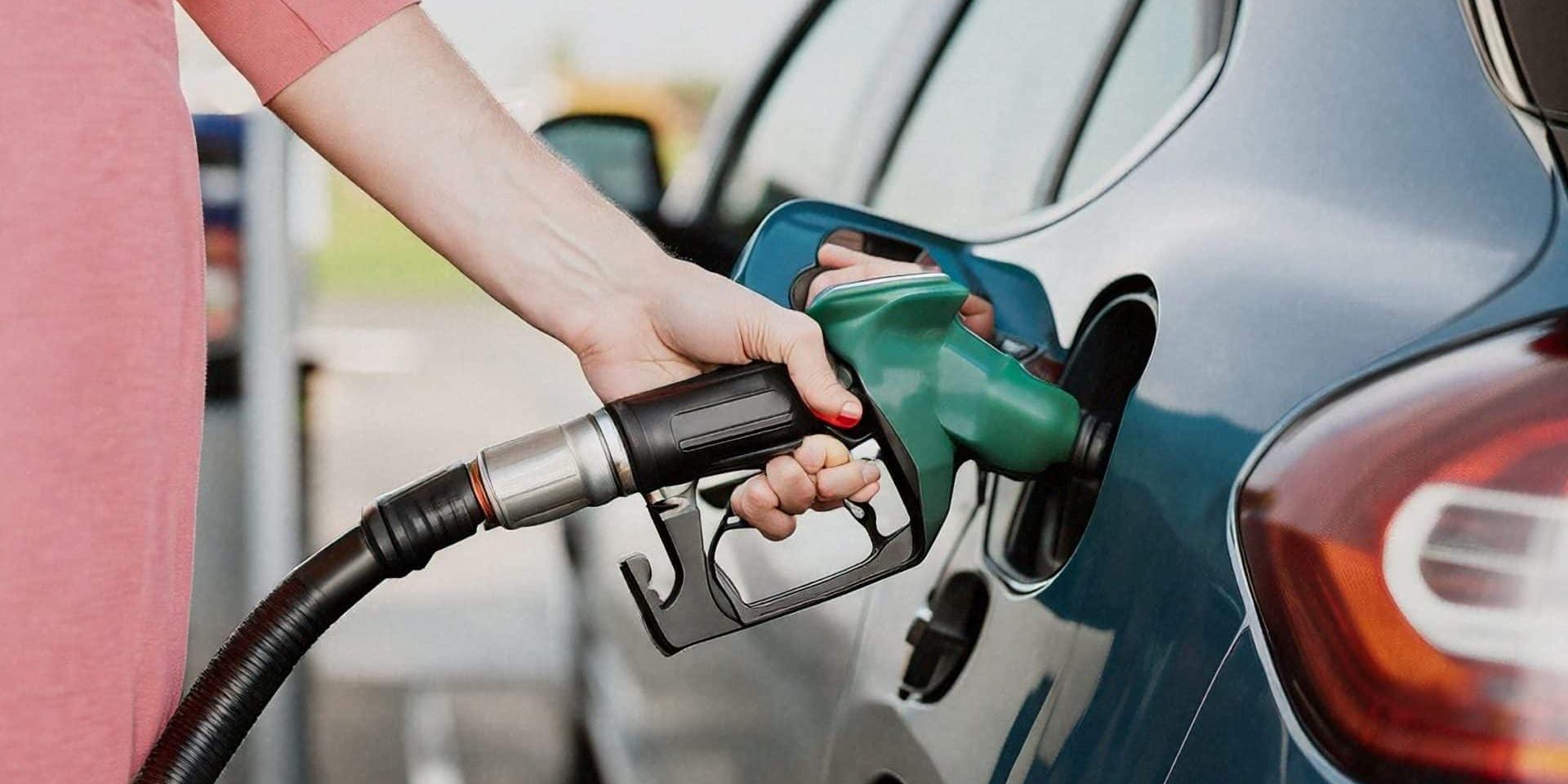
The average price of unleaded petrol at UK forecourts stood at 157.84p per litre on 15 May 2026, according to data published by heycar. Diesel sat at 187.18p. Both figures represent a substantial premium over what drivers paid twelve months earlier: in May 2025, petrol averaged 133.9p per litre and diesel 139.6p per litre.
That gap of roughly 24p per litre on petrol and 47p on diesel is not a coincidence. It traces directly to a conflict thousands of miles away and to a fuel retail market where prices rise quickly but fall slowly. The result is that UK drivers are paying significantly more than they should be, and the relief they are waiting for is being held back by retailers who are not passing on wholesale savings at the rate they should.
For a driver filling a 55-litre Ford Focus, today’s prices mean paying £87.07 for petrol or £105.35 for diesel. A year ago, those same fill-ups cost around £73.65 and £76.78 respectively. That is £13 to £29 extra per tank every time you visit a forecourt.
How the Middle East Crisis Drove Prices to a Multi-Year High
The surge began on 28 February 2026 when renewed conflict in the Middle East led to restrictions on shipping through the Strait of Hormuz, a narrow waterway that carries roughly 20 per cent of global oil supplies. Brent crude, which had been trading in the mid-60s per barrel in early 2026 after falls driven by US tariff uncertainty, jumped above $85 per barrel within days. At the peak of the surge, wholesale Brent prices touched well above $100.
The RAC tracked the impact in real time through its Fuel Watch monitoring service. Over 43 consecutive days of increases, petrol climbed by around 25p per litre from pre-conflict levels. Diesel, more exposed to disruptions to Middle East shipping because of its central role in haulage and freight, rose even further. At the peak, average UK diesel exceeded 191p per litre. At certain central London forecourts, diesel reached 264.9p per litre, a figure that would not look out of place in Hong Kong or Israel.
A ceasefire announcement eventually slowed the surge. Brent crude eased from its highs and wholesale fuel costs began to decline. But the savings have been glacially slow to reach the pump.
Why Pump Prices Are Not Falling as Fast as the Wholesale Market Suggests They Should
The RAC has been explicit in its criticism. Based on its analysis of wholesale fuel price data, the organisation says petrol and diesel could fall by several pence per litre in the coming weeks. Yet as of mid-May, petrol had dropped only around 1p per litre from its April high and diesel by roughly 2p. The RAC’s daily monitoring of wholesale versus retail spreads suggests the gap is wider than it should be.
The contrast with Northern Ireland is telling. Northern Ireland, where retail fuel competition tends to be more active, has already seen unleaded petrol fall by 2p and diesel by more than 4p in the past week alone. The same wholesale cost reductions that are feeding through to forecourts in Belfast and Derry should, by any reasonable analysis, be feeding through to forecourts in Manchester, Birmingham, and Bristol at a similar pace. They are not.
This is a familiar and documented pattern. The Competition and Markets Authority investigated it in 2023, finding that UK forecourt operators were systematically slower to pass on wholesale savings than wholesale increases. The government’s response was the Fuel Finder Scheme, which launched on 9 February 2026 and requires all fuel retailers to report their pump prices to third-party apps within 30 minutes of any change. The CMA projected this would save the average household £40 a year by enabling meaningful price comparison. The data so far suggests the benefit has been modest relative to the scale of the problem.
The Gap Between Cheapest and Most Expensive Forecourts
There is, however, real money to be saved by choosing where you fill up. The spread between supermarket forecourts and branded sites is currently running at 6p to 7p per litre on petrol, translating to nearly £4 on a 55-litre tank. As of mid-May, Asda averaged 153.6p per litre, Tesco 154.2p, Sainsbury’s 154.6p, and Morrisons 154.9p. Compare that with Shell at 160.7p and BP at 159p. For a driver filling up weekly, consistently choosing the supermarket over a branded site saves around £200 a year at current prices.
The diesel gap is equally significant. Supermarket diesel is running between 185p and 186.5p per litre while Shell and BP sites are above 190p. Choosing a supermarket for a 55-litre diesel fill saves between £2.75 and £3 per tank.
Regional variation adds another layer. Northern Ireland remains consistently the cheapest part of the UK, with average unleaded around 150p and diesel around 181p. Scotland sits above the national average. Central London is the most expensive area, with competition scarce and overhead costs reflected in pump prices. Dumfriesshire has been identified as among the most expensive regions for petrol outside London.
The Fuel Finder app, available through services including PetrolPrices.com and the AA, now tracks live prices from participating forecourts updated within 30 minutes. Checking before you drive adds seconds and can save several pounds on every fill.
What Makes Up the Price of a Litre of Petrol
Breaking down the 157p pump price for petrol reveals how the costs stack up. Wholesale crude and refining costs account for roughly 57.5p per litre, about 37 per cent of the total. The biofuel content blended into E10 petrol adds around 5.8p. Distribution and oil company costs account for 2.4p. The retailer margin, which is where the criticism about slow pass-through of savings is concentrated, sits at approximately 12.15p per litre or about 8 per cent of the pump price.
The government’s share is considerable. Fuel duty at 52.95p per litre accounts for 34 per cent of the price. VAT at 20 per cent adds a further 26.5p. In total, approximately 51 per cent of the pump price goes directly to the Treasury before the fuel has been refined, transported, or retailed.
That 52.95p duty figure includes the temporary 5p per litre reduction first introduced in March 2022 and extended multiple times since. That extension now expires on 31 August 2026, and the government has confirmed a phased restoration. Duty rises to 53.95p from 1 September 2026, to 55.95p from 1 December 2026, and to the full pre-cut rate of 57.95p from 1 March 2027.
The Duty Timeline and What It Means for Your Wallet
For an average driver covering 8,000 miles annually in a car returning 40 miles per gallon, the 5p per litre duty restoration adds approximately £45 per year in tax alone, calculated purely on fuel volume. For higher mileage drivers or those in heavier vehicles with lower fuel economy, the figure is proportionally higher.
The duty increases arrive in three stages precisely at the point when drivers might otherwise have expected pump price relief from easing wholesale markets. If wholesale oil prices continue to fall and retailers pass on savings at the rate the RAC says they should, it is possible that pump prices could dip by 5p or 6p per litre before September. But the 1p duty rise in September, followed by 2p in December and 2p in March 2027, would claw back much of that saving for any driver whose fill-up straddles the schedule.
For those with flexibility in timing, filling up a large tank in late August, before the 1 September duty increase, is worth considering. A 55-litre tank topped up at 1p less than it would cost after September saves 55p per fill. It is a modest saving but a real one.
Diesel drivers face a compounded picture. They are already bearing the biggest fuel cost premium from the Middle East surge. The duty restoration applies equally to diesel as to petrol. And diesel typically yields lower fuel economy in urban driving than manufacturer figures suggest, so the real cost per mile tends to be higher than petrol drivers face.
What To Do Right Now
Fill up at a supermarket forecourt where possible. The current 6p to 7p price difference between supermarket and branded sites is the single most accessible saving available to any driver. No special equipment, no alternative fuel, no change in route. Just a different forecourt.
Use a fuel price comparison tool before you leave. PetrolPrices.com, the RAC Fuel Watch at rac.co.uk/drive/advice/fuel-watch, and the AA Fuel Price Monitor all track near-live prices. The 2026 Fuel Finder regulations now require all participating UK forecourts to update their listed prices within 30 minutes of any change, making these tools more useful than they have ever been.
Avoid motorway services. Motorway service station fuel prices consistently run 10p to 15p per litre above national averages. On a 55-litre fill, that is £5.50 to £8.25 extra for the same fuel. If your tank is low approaching a motorway, consider exiting to a nearby town forecourt.
Check your tyre pressure. A tyre running 10 PSI below its recommended pressure increases fuel consumption by approximately 3 per cent. At today’s prices, that equates to around 2.5p per litre in wasted fuel on every drive. A monthly pressure check at any garage or petrol station forecourt takes two minutes and costs nothing.
Watch the RAC Fuel Watch and the AA’s weekly fuel price updates over the next fortnight. The wholesale data suggests pump prices should fall by 3p to 5p per litre in the coming weeks if retailers act appropriately. If your tank is not pressing and you can delay a fill by a week, the odds are that you will pay less. Nothing is guaranteed, but the RAC’s wholesale analysis has historically been a reliable leading indicator of pump movements.
Sources:

Leave a Comment
More in News

How to Remove Moisture From Inside Your Headlight Before It Costs You £500
What Red and Amber Warning Lights Actually Mean (and Which Fail an MOT)

How to De-Ice Your Windscreen Fast Without Cracking It (and Staying Legal)

New Cars Face Euro 7 Rules From 29 November With a £264 Price Rise
What the Traffic Penalty Tribunal’s 33 Percent Success Rate Means for Every Driver
Trending on Motoring Chronicle

17-Year-Old Drivers’ Car Insurance Jumped 4 Percent This Quarter to £1,755

The new Mercedes-AMG GLS 63 MANUFAKTUR Arctic Silver edition [Photo Gallery]

Never Leave These 10 Things Inside Your Car

Lamborghini Few Off Roadster: Emotional, Limited and Open
