Electric Cars Cost Up to 25 Percent More to Insure Than Petrol Equivalents
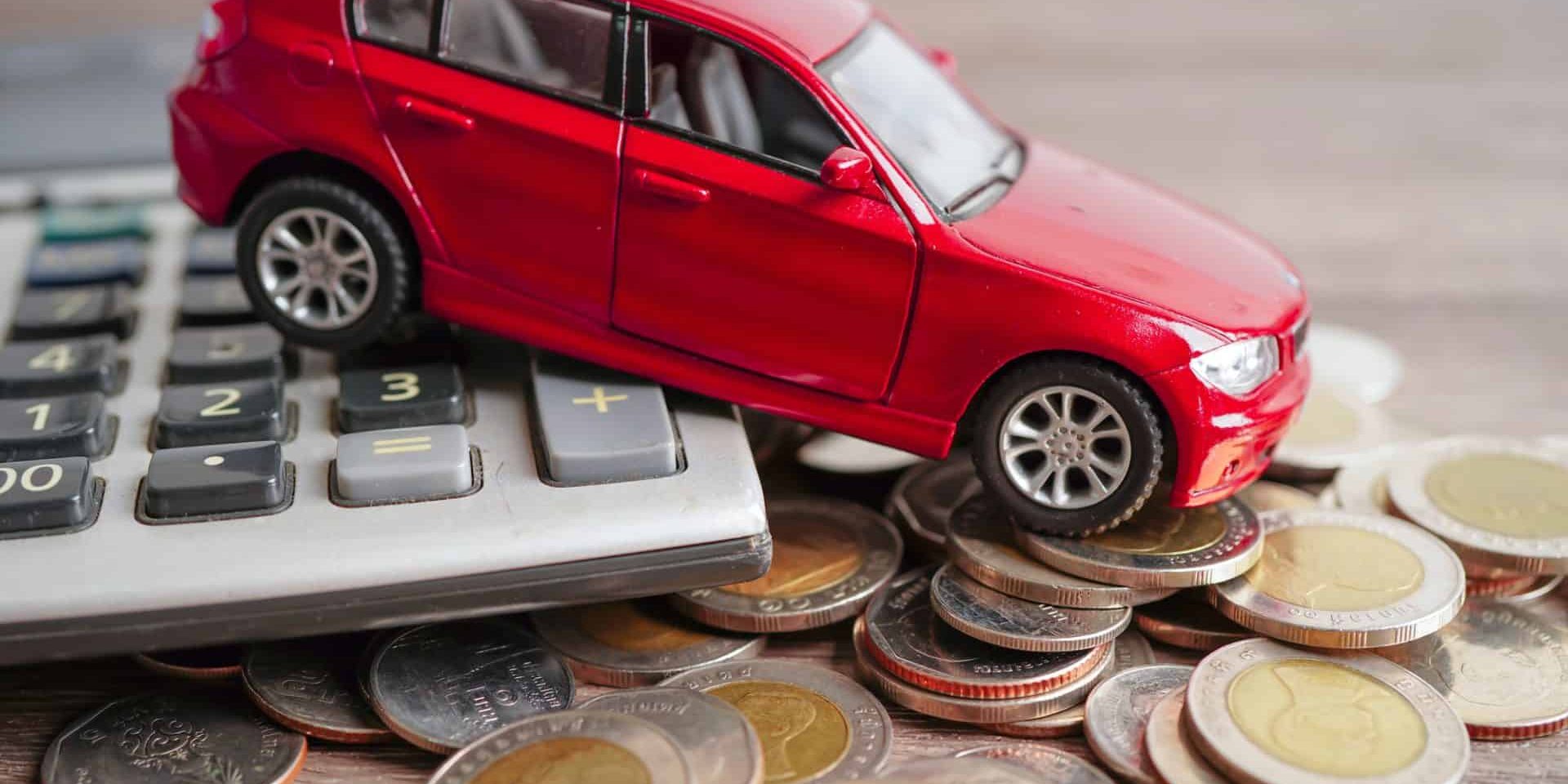
Switching to an electric car can slash your fuel and tax bills, but there is one running cost where the sums still tend to go the other way. Insuring an electric vehicle generally costs more than insuring the petrol model it replaced, with the gap running at roughly 15 to 25 per cent in 2026 according to the main price comparison indices. For a driver weighing up the total cost of going electric, that premium is the part of the equation most likely to come as an unwelcome surprise, and it pays to understand why it exists and how to keep it under control.
The good news, buried under the headline figure, is that the gap is shrinking. In the early 2020s some studies found electric cars costing 40 to 60 per cent more to insure than their combustion equivalents. That premium has roughly halved as insurers have built up claims data and the repair network has matured. Electric motoring is becoming cheaper to insure relative to petrol with each passing year, even if it has not yet reached parity for most models.
What you might actually pay
Real world premiums vary enormously with the car, the driver and the postcode, but the comparison sites give a useful spread. Typical fully comprehensive electric car premiums sit somewhere between £650 and £1,400 a year. Small, affordable electric cars such as the Dacia Spring or the MG4 often come in under £700. Mid sized electric SUVs like the Kia EV6 or the Hyundai Ioniq 5 tend to land between £800 and £1,100. Premium and performance electric cars, including the Tesla Model Y, the BMW iX and the Porsche Taycan, frequently sit above £1,500, reflecting their high values and rapid acceleration.
Set against equivalent petrol models, those figures still carry a noticeable mark up, but the difference is far smaller than it once was, and for a handful of mainstream models the premiums are now close to level. The lesson is that electric does not automatically mean expensive to insure. The specific car you choose can move the premium by hundreds of pounds, so insurance is worth checking before you buy, not after.
Why electric cars cost more to cover
The reasons come down to repair, not risk of crashing. The single biggest factor is the battery, which can account for 40 to 50 per cent of the whole vehicle’s value. Damage that would be a minor repair on a petrol car can, if it reaches the battery pack, lead an insurer to write the car off entirely because replacing the pack costs more than the car is worth. That risk sits behind every premium an underwriter quotes on an electric car.
Repairs are also slower and more specialised. Industry research has found that electric vehicle repairs take around 14 per cent longer on average than equivalent petrol jobs, partly because fewer bodyshops are qualified to work safely on high voltage systems, and that the cost of those repairs runs higher, with battery related work in particular adding around a quarter to typical bills. Longer repairs mean more days in a courtesy car, which the insurer also pays for. Add in the higher purchase values of many electric models and the heavier kerb weight and stronger acceleration that can make impacts more severe, and the maths that produces a bigger premium becomes clear.
This is also why an electric car can be declared a total loss after what looks like a modest knock, a problem we examined in our report on how modern write offs are leaving drivers out of pocket after a crash. The same battery that makes an electric car cheap to run makes it expensive to repair when things go wrong.
How to cut your electric car premium
The first move is to shop around hard at renewal rather than letting the policy roll over, because the electric insurance market is competitive and prices move quickly as more insurers enter it. Use the comparison sites, but also get a direct quote from the specialist electric and hybrid insurers, who price the battery risk more accurately and can undercut the mainstream brands on the right car.
Check what is included as much as the headline price. Look for a policy that guarantees repairs through an approved network with electric vehicle trained technicians, that covers the charging cable and home wall box, and that includes battery cover whether you own or lease the pack. If you are financing the car, consider gap insurance, which covers the shortfall between what your insurer pays out and what you still owe if the car is written off, a real risk given how readily a damaged battery can total an electric car.
Telematics or black box policies can help lower mileage and careful drivers bring the price down, and building a no claims history on an electric car will steadily reduce the premium as insurers gather more data on the model. It is also worth remembering that insurance is only one line in the total cost of ownership. Lower charging costs, cheaper servicing and, for now, favourable tax treatment can offset a higher premium, although the tax picture is shifting, as we set out in our explainer on why some electric car drivers now face a £640 road tax bill from year two.
For most drivers the conclusion is reassuring rather than alarming. Yes, electric cars still cost more to insure, but the gap is narrowing every year, the right model and the right policy can shave the difference to almost nothing, and the saving on fuel and running costs often more than makes up the rest. Go in with your eyes open, get the cover quoted before you commit to the car, and the insurance premium need not be the reason you stick with petrol.
The wider premium picture
The electric insurance gap also has to be read against what is happening to car insurance as a whole. After six quarters of falling prices, average premiums across all cars have started to edge up again, driven by the rising cost of repairs, expensive vehicle technology and claims inflation. That broader pressure affects petrol and electric drivers alike, and it means an electric premium that looks high today may be sitting only a little above a petrol equivalent that is itself climbing. We tracked that turnaround in our report on why car insurance premiums are rising again after six quarters of falling prices.
For anyone comparing like for like, the most useful exercise is to run quotes on the exact electric model you are considering alongside the closest petrol version, on your own postcode and with your own no claims history, before you sign anything. The averages quoted in national indices hide a wide spread, and the difference between a well priced policy and a poorly priced one on the same car can be larger than the difference between petrol and electric. Drivers who treat insurance as something to research up front, rather than a bill that simply arrives, consistently end up paying less. The premium gap is real, but it is shrinking, it varies hugely by model, and it is the part of the electric switch you have the most power to manage.
Sources:

Leave a Comment
More in News

How to Remove Moisture From Inside Your Headlight Before It Costs You £500
What Red and Amber Warning Lights Actually Mean (and Which Fail an MOT)

How to De-Ice Your Windscreen Fast Without Cracking It (and Staying Legal)

New Cars Face Euro 7 Rules From 29 November With a £264 Price Rise
What the Traffic Penalty Tribunal’s 33 Percent Success Rate Means for Every Driver
Trending on Motoring Chronicle

AI Cameras Are Now Watching UK Drivers for Phones and Seatbelts

Why a Quarter of UK Drivers Suffered Vehicle Crime Last Year and How to Protect Your Car
The Bugatti Grand Tour 2026: A journey through the captivating beauty of South Africa

Every UK Driver Risks a £590 Repair Bill as Pothole Reports Triple, RAC Says