Volkswagen Is Adding The Features The ID. Buzz Should Have Launched With
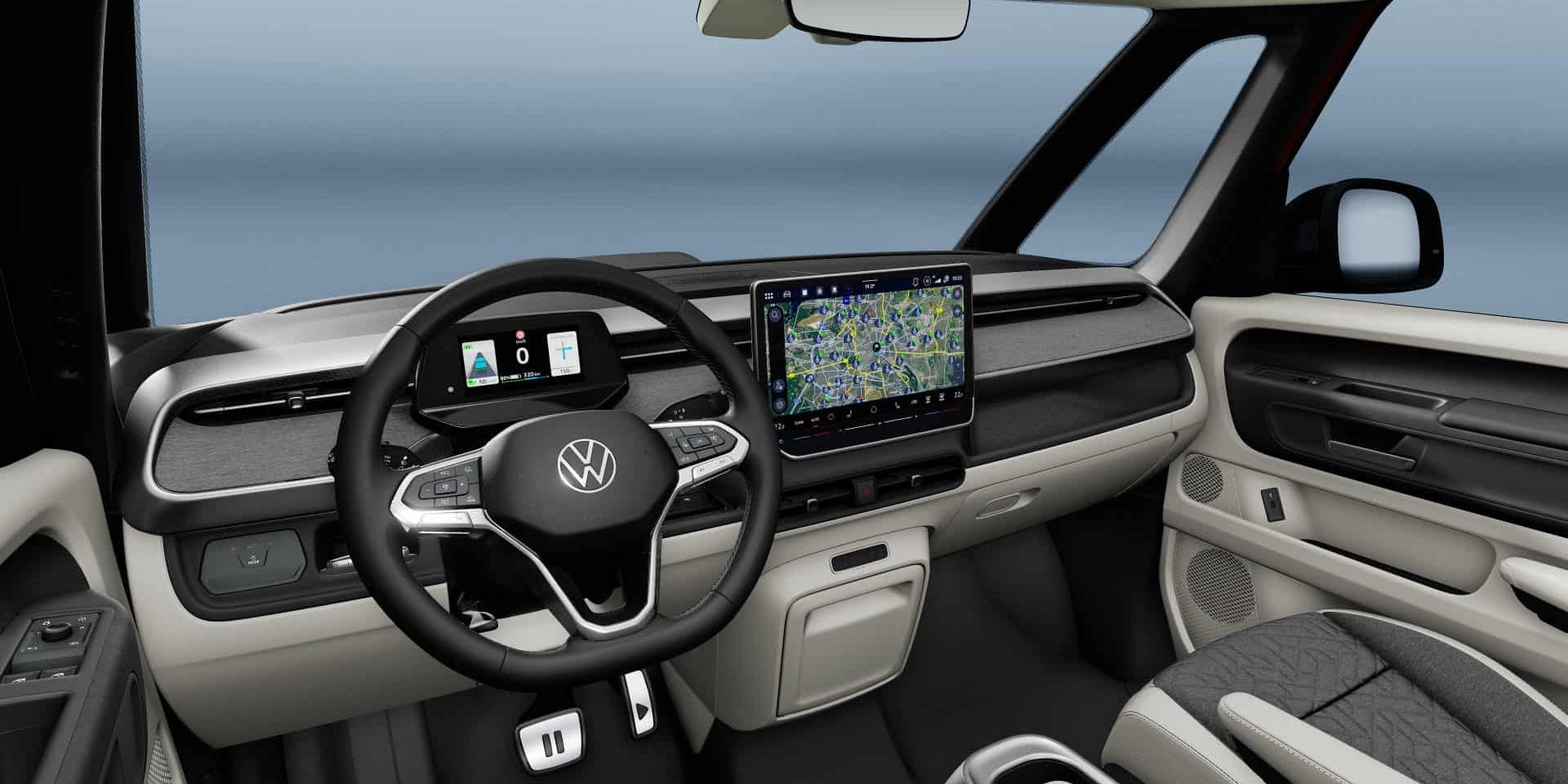

Volkswagen has announced a software update for the ID. Buzz that adds vehicle-to-load capability, one-pedal driving, traffic light recognition and physical buttons on the steering wheel. The new functions arrive from summer 2026 and address several gaps that owners and reviewers have pointed out since the electric van first went on sale.
None of these features are new to the electric vehicle market. Most have been standard on rival products for years. But for ID. Buzz owners and potential buyers, the fact that they are finally arriving is welcome news, even if the question of why they were not there from the start remains unanswered.
Vehicle-To-Load Arrives, But With Modest Output
The ID. Buzz will now be able to power external devices directly from its high-voltage battery through the Mode 3 charging socket using an adapter. Volkswagen rates the output at a continuous 2.0kW, which is enough to charge e-bikes, run a portable fridge, power lighting at a campsite, or keep a laptop going during a long stop.
What it will not do is compete with the V2L output offered by several rivals. The Hyundai IONIQ 5 and Kia EV6 both provide 3.6kW from their external V2L sockets, nearly double what the ID. Buzz will offer. The newly announced AION V and the updated Volkswagen ID.4 also include V2L capability. For a vehicle that positions itself as the ultimate road trip and camping companion, 2.0kW feels conservative. It will run a kettle on a low setting or charge an e-bike, but anyone hoping to power a portable induction hob or run multiple devices simultaneously will find the limit restrictive.
That said, having V2L at all is a significant improvement over having nothing. The ID. Buzz’s large battery, either 77kWh or 86kWh depending on variant, means there is plenty of stored energy to share with external devices without dramatically affecting driving range. For weekend trips and casual outdoor use, 2.0kW will cover most needs.
One-Pedal Driving Should Have Been There From Day One
One-pedal driving allows the ID. Buzz to decelerate to a complete standstill using only the accelerator pedal, with the motor recovering energy through regenerative braking as the driver lifts off. It is one of the features that defines the EV driving experience for most owners, and its absence from the ID. Buzz at launch was a notable omission.
The Hyundai IONIQ 5 has offered one-pedal driving since 2021. The Kia EV6, the Tesla Model Y, the BMW iX, the MG4 and virtually every other mainstream EV on sale in the UK includes it as standard. The ID. Buzz launched without it, leaving drivers reliant on the brake pedal in a way that felt at odds with what a modern electric vehicle should offer.
Its arrival through this software update means existing owners will gain the function without needing to visit a dealer, which is one of the advantages of over-the-air capability. For new buyers from summer 2026 onwards, it will simply be part of the driving experience. In urban driving, stop-start traffic and residential streets, one-pedal driving transforms the way an EV feels to drive. Its inclusion here is overdue but genuinely welcome.
Traffic Light Recognition Adds A Layer Of Assistance
The updated Connected Travel Assist system now includes automatic traffic light recognition. When the system detects a red light ahead, it can automatically brake the ID. Buzz to a standstill. Volkswagen notes that the driver remains responsible at all times and the system operates within defined limits, but in practice this adds a meaningful layer of assistance in urban driving where the ID. Buzz spends much of its time.
The system uses online data alongside its onboard sensors, hence the rebranding from Travel Assist to Connected Travel Assist. Traffic light phase information, combined with camera-based recognition, allows the car to anticipate stops more effectively than a system relying on sensors alone.
This type of infrastructure-aware driving assistance is becoming increasingly common in the premium segment. Mercedes and BMW have offered traffic light recognition in various forms for some time. Its arrival on the ID. Buzz brings the van closer to parity with the technology available in more expensive electric vehicles, though it remains an optional feature rather than standard equipment.
Physical Buttons Return To The Steering Wheel
In a move that mirrors what Volkswagen has already done with the updated ID.4 and ID.5, the ID. Buzz receives a redesigned multifunction steering wheel with physical buttons replacing the touch-sensitive strips that have drawn consistent criticism since the current generation of ID. models launched.
The original capacitive controls on the ID. Buzz steering wheel were one of the most frequently cited frustrations among owners and reviewers. They required precise finger placement, offered no tactile feedback, and were prone to accidental activation. Adjusting the volume or changing a setting while driving often meant taking attention away from the road, which defeated the purpose of having controls on the steering wheel in the first place.
Physical buttons solve all of those problems. They click when pressed, they can be operated by feel without looking, and they do not activate when a thumb brushes against them unintentionally. It is a change that will make a noticeable difference to the daily driving experience, and one that Volkswagen should have implemented from the outset.
A New App Store Expands The Infotainment
The updated infotainment system, which Volkswagen calls Innovision, now includes an integrated app store. This allows owners to download and activate additional functions and services directly in the car, covering audio and video streaming, parking, charging and gaming. The approach mirrors what smartphone users are already familiar with and gives Volkswagen a platform to roll out new features over time without requiring hardware changes.
How useful this proves will depend entirely on the quality and range of apps available at launch and how quickly the library grows. Infotainment app stores from other manufacturers have had mixed success, with some offering a broad and genuinely useful selection while others launch with a handful of options that rarely expand. Volkswagen’s track record with software has been rocky, so the execution here will be closely watched.
A Necessary Catch-Up
The honest assessment of this update is that it brings the ID. Buzz up to the standard that most of its competitors established years ago. V2L, one-pedal driving, physical controls and traffic-aware driver assistance are not innovations in 2026. They are expectations. The fact that Volkswagen is delivering them through a software update rather than requiring a hardware change or a new model year is a genuine positive, and existing owners will benefit without any additional cost or inconvenience.
But the broader picture is one of a product that launched without features the market had already normalised, and is now playing catch-up. The ID. Buzz remains one of the most distinctive and spacious electric vehicles on sale, and its appeal as a family car, a camper base and a lifestyle vehicle is undeniable. These updates make it a better and more complete product. They just should not have been necessary two years after launch.

Leave a Comment
More in News

How to Reject a Faulty Used Car Under the 30 Day Rule

Every Driver Faces Animal Strikes as 54% of DfT Injury Collisions Happen in Darkness

2027 Jeep Compass Starts at $31,985 With Standard Adaptive Cruise Control

Kia Boosts 2027 EV9 Torque by 36 Percent as Nightfall Trim Goes Standard

2027 Mazda CX-90 Priced From $39,700 With New Two-Row Model
Trending on Motoring Chronicle
What DVSA Data Reveals About the Postcodes With the Worst Driving Test Pass Rates
How the ZEV Mandate Is Already Changing What Cars Are Available and at What Price
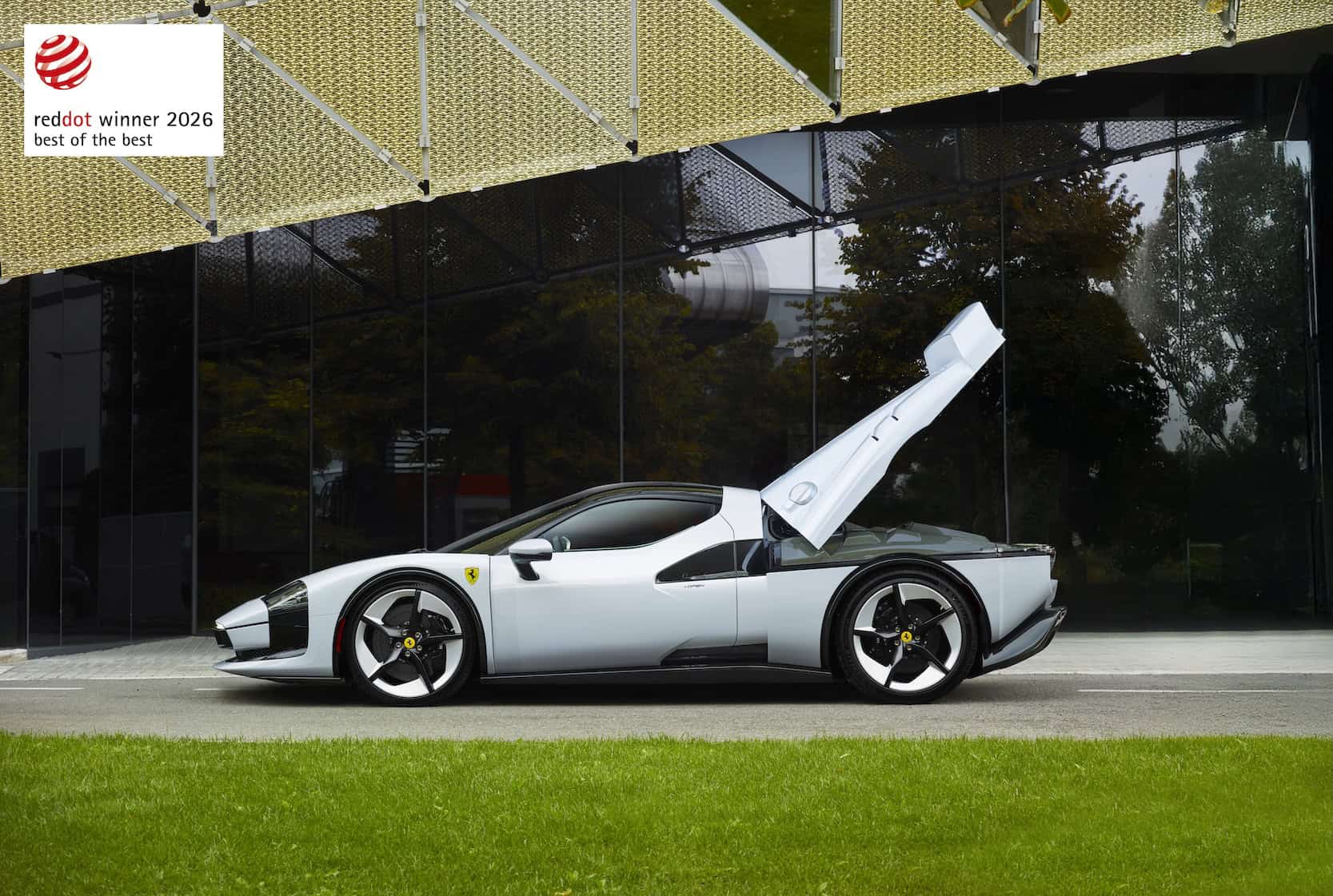
The Ferrari SC40 wins the 2026 Red Dot: Best of the Best Award

Honda Recalls Nearly 4,000 New Pilots and Passports Over Loose Subframe Bolts