
Shock Bill: How a 38,000% Surge in Energy Costs Could Push Up the Price of Charging Your Electric Car
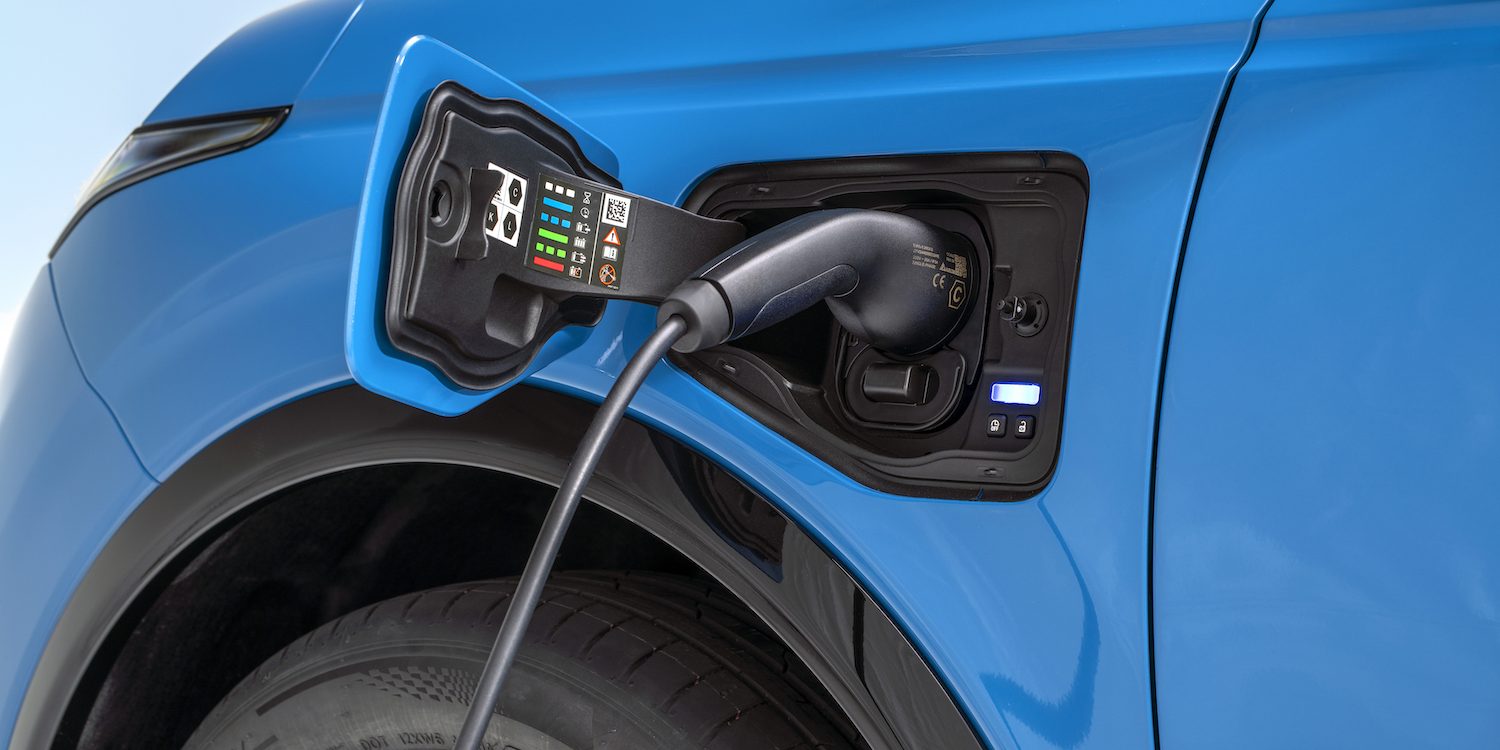
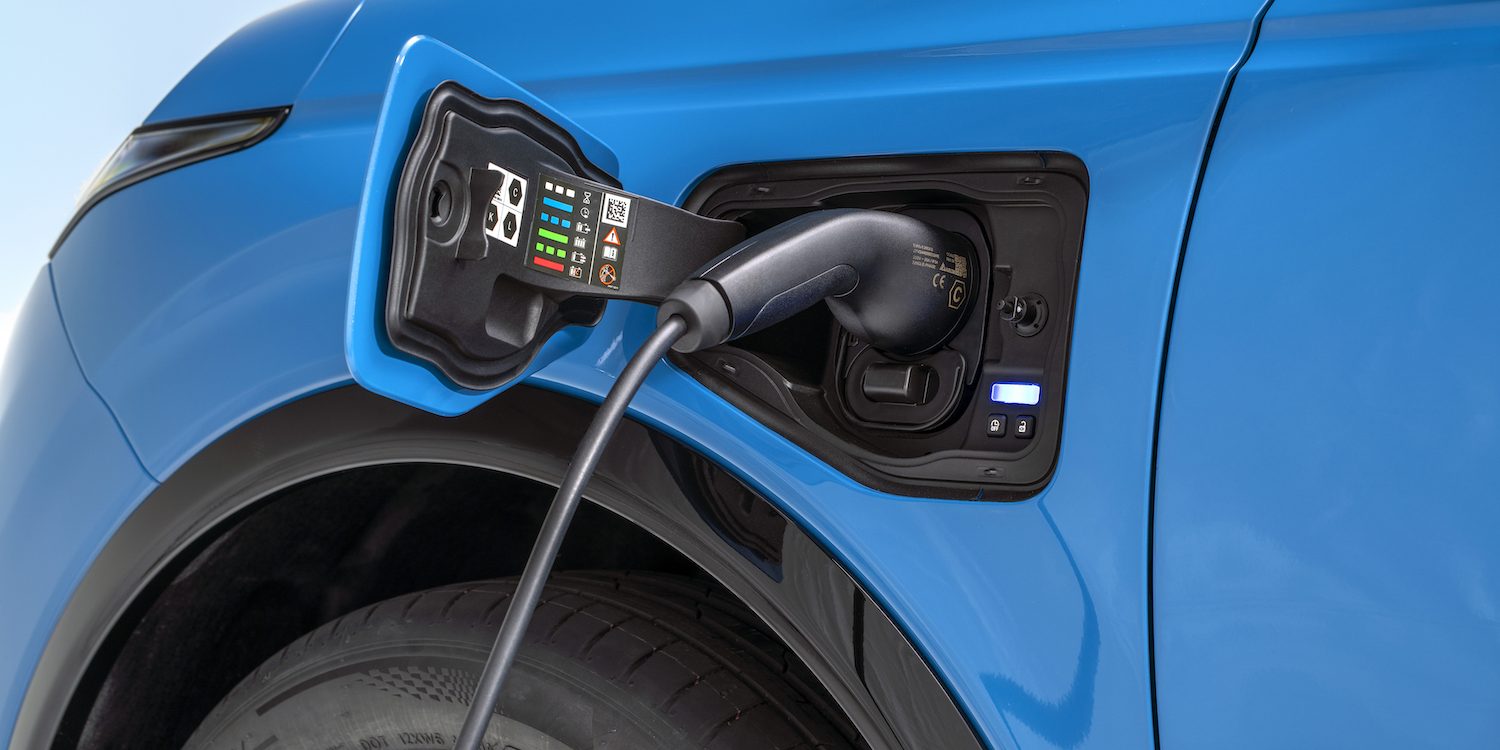
Electric car drivers in Britain are facing a coming crunch in public charging costs, as the companies responsible for running the nation’s 118,000-plus public chargers warn that soaring energy bills are pushing their businesses to the brink. One charging network has seen its annual energy costs at a single site in Wolverhampton jump from £87 to more than £33,000 in the space of a few years, a rise of 38,579 per cent. Unless government acts to reform the charging structure that causes these bills, operators say they will have no choice but to pass the costs on to drivers at the pump.
The Scale of the Problem
The figures that have emerged from the UK’s charging sector are hard to absorb. Osprey, a public charging network operator, told The Telegraph that its annual energy costs at a rapid charging site in Wolverhampton had jumped from £87 a year to £33,651 a year. That 38,579 per cent increase is not the result of Osprey simply using more electricity. It is the consequence of a fundamental change in how grid energy is priced for large commercial users, a change that has caught the entire EV charging industry badly off guard.
Fastned, another operator, reported it was paying £41,000 every year simply to maintain a charging site in Hamilton, South Lanarkshire, before any revenue from drivers using the chargers is taken into account. For smaller sites in low-traffic locations, the economics have become almost impossible to justify.
Asif Ghafoor, chief executive of Be.EV, told The Telegraph that his company was examining whether to abandon plans to build a new charging hub in North Yorkshire because the projected standing costs of around £30,000 a year made the investment unviable. He explained the core problem facing the industry: “We need to build enough charging infrastructure so that buying an EV becomes the obvious choice to most drivers. And these chargers are subject to high standing charges, regardless of how much they’re being used. At the moment, we simply absorb them, but that is not sustainable.”
What Is Causing the Bills to Spike
The root cause is a change introduced in 2023 to how energy network charges are calculated for sites that draw large amounts of power from the grid. Previously, charges for commercial customers were based on how much energy they actually consumed. After the 2023 reform, network charges are instead based on the size of a site’s grid connection, regardless of how much power flows through it in practice.
This has hit EV charging sites particularly hard. A rapid charger or ultra-rapid charging hub needs a large grid connection to deliver high power outputs quickly, meaning it is contracted for significant capacity. But unlike a factory or a supermarket that uses its grid connection relatively continuously throughout the day, a public charging site may be sitting idle for many hours, especially at off-peak locations or during quieter periods. The operator pays the standing charge for the full grid connection regardless.
Industry body ChargeUK has confirmed that standing charges for rapid and ultra-rapid charging sites have increased by up to 462 per cent since 2021. When combined with the impact of elevated energy prices driven by the ongoing Middle East oil crisis, the pressure on operators’ balance sheets has become severe. Energy costs now account for roughly two thirds of a charge point operator’s total running costs at many sites.
The broader context matters here. When the UK government and manufacturers began pushing hard for EV adoption, the business case for charging operators was built on a set of assumptions about energy costs that no longer hold. Operators invested in sites, in grid connection upgrades and in hardware, expecting that costs would follow a predictable pattern. The 2023 pricing reform, combined with subsequent energy market turbulence, has upended those calculations.
What This Means for Drivers at the Charger
Public rapid charging already costs significantly more than home charging. Across the UK’s network, rapid and ultra-rapid charger prices range from the mid-50p per kWh into the high 80s, with some premium networks approaching 90p per kWh. A 60kWh battery topped up from near-empty at 80p per kWh costs around £48, compared to roughly £10 to £15 for the same charge at a typical home overnight rate. That gap has grown substantially over the past few years as public charging costs have risen while home electricity tariffs have also increased but from a lower base.
For the many EV drivers who have access to home charging, this is uncomfortable but manageable. For those who rely on public charging because they live in a flat, rent their home, or cannot install a home charger, the cost of running an electric car is rising in ways that were not anticipated when they made the switch. And if operators continue to absorb losses rather than pass them on, the long-term risk is charger networks becoming financially unviable and closing sites, which would reduce the number of chargers available.
As of the end of February 2026, Zapmap data showed 118,321 public EV chargers across 45,561 locations in the UK. The government has acknowledged a target of somewhere between 250,000 and 550,000 public chargers by 2030, a range that reflects genuine uncertainty about how quickly the rollout can proceed. If charging economics remain unattractive for operators, the lower end of that range becomes more likely.
What the Government Has Committed To
Chancellor Rachel Reeves confirmed in the Autumn Budget that the government would provide an additional £100 million for public EV chargers, building on £400 million committed in the 2025 Spending Review. The money is designed to accelerate the rollout of new charging locations, particularly in underserved areas. However, the industry’s concern is not primarily about building more chargers: it is about whether the ones already built can be operated profitably enough to survive.
ChargeUK and individual operators have lobbied the government and energy regulator Ofgem to reform the standing charge structure introduced in 2023. The ask is relatively straightforward: price charges based on actual energy consumed rather than contracted capacity, which would more accurately reflect how charging sites are actually used and make the business model viable without requiring constant public subsidy. The government has not yet committed to making that change.
What To Do If You Rely on Public Charging
For EV drivers already relying on public charging, there are practical ways to reduce the impact of rising prices. Using price comparison apps such as Zap-Map, PlugShare or Bonnet before you charge lets you identify the cheapest compatible network near you rather than defaulting to whichever charger is closest. The difference between networks at the same location can be significant.
If you can arrange any access to home or workplace charging, even occasional, it dramatically changes the economics of EV ownership. Workplace charging schemes have expanded significantly and many employers now offer subsidised or free workplace charge points. Some local councils also offer resident parking with charging points at lower than public rapid rates.
Checking whether your energy tariff includes an EV-specific overnight rate is also worth doing. Several suppliers offer tariffs where electricity between roughly midnight and 5am costs considerably less than peak-rate power, which can bring the cost of a full overnight charge to a fraction of what a public rapid charger would cost for the same amount of energy. Whether operators are able to maintain the current charging infrastructure without further price rises will depend heavily on what the government and regulator decide to do about the grid connection pricing structure. For now, charging from home wherever possible remains by far the cheapest option.
Sources:

Leave a Comment
More in News

Insurers Paid £3 Billion in Car Claims This Summer as Premiums Fell by £13

Every EV Driver Without a Driveway Pays a 20 Percent Tax at Public Chargers

Every UK Driver Risks a £1,000 Fine Over These Common Winter Driving Myths

DVLA Data Reveals Police Recovered Fewer Than Half of Britain’s 55,000 Stolen Cars

DfT Plans Euro 7 Brake, Tyre and Battery Rules for Every New Car From 2027
Trending on Motoring Chronicle

2027 Jeep Wrangler JL-2A Special Edition Adds Retro Style for Just $115 More

Every Driver in a Car Over £40,000 Pays a Stealth Tax DVLA Data Reveals

Fogged windows: why it happens and fixes

Audi brings greater presence, performance, and class-above premium content to the all-new 2026 Audi Q3
