
Impressing on the ice: Range Rover Electric prototypes excel in latest winter testing and development cycle [Photo Gallery]
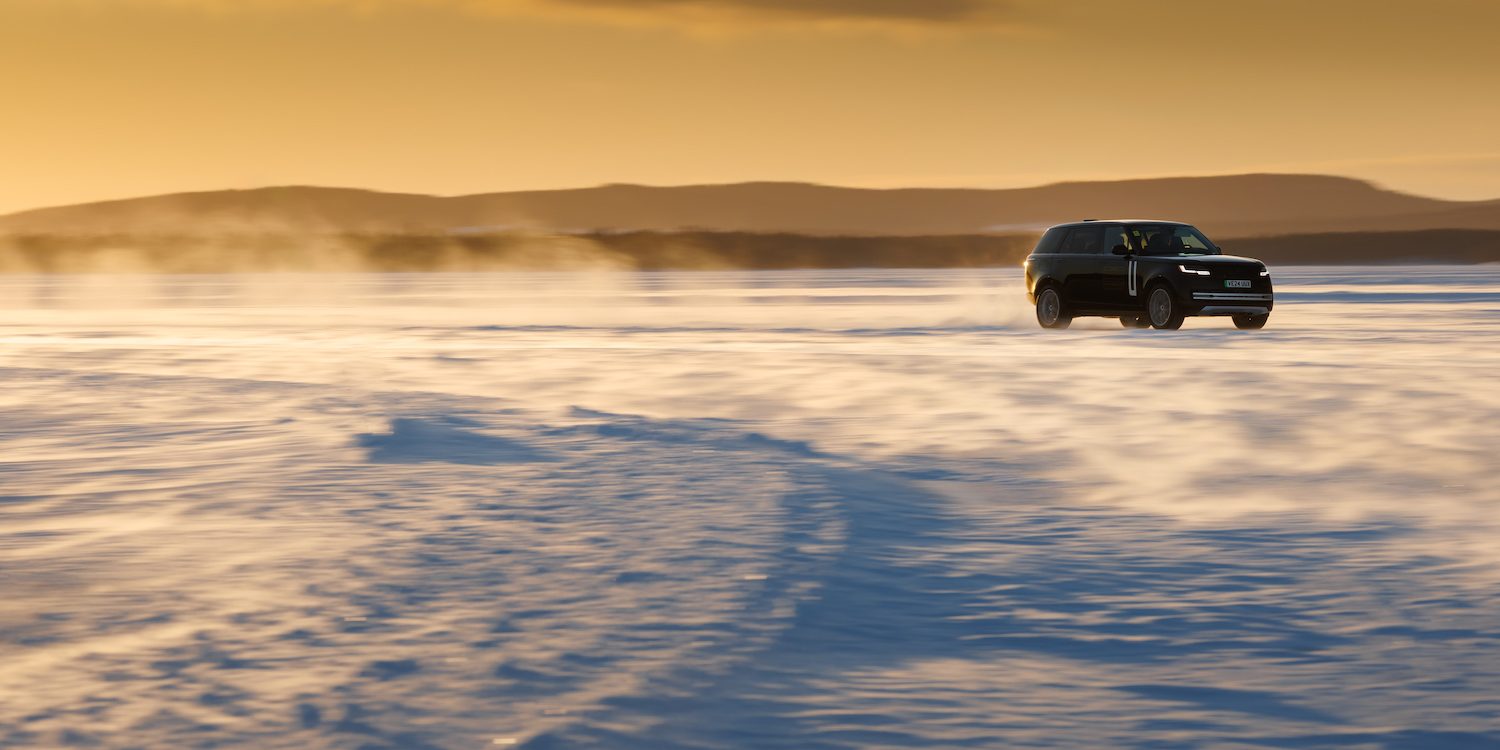
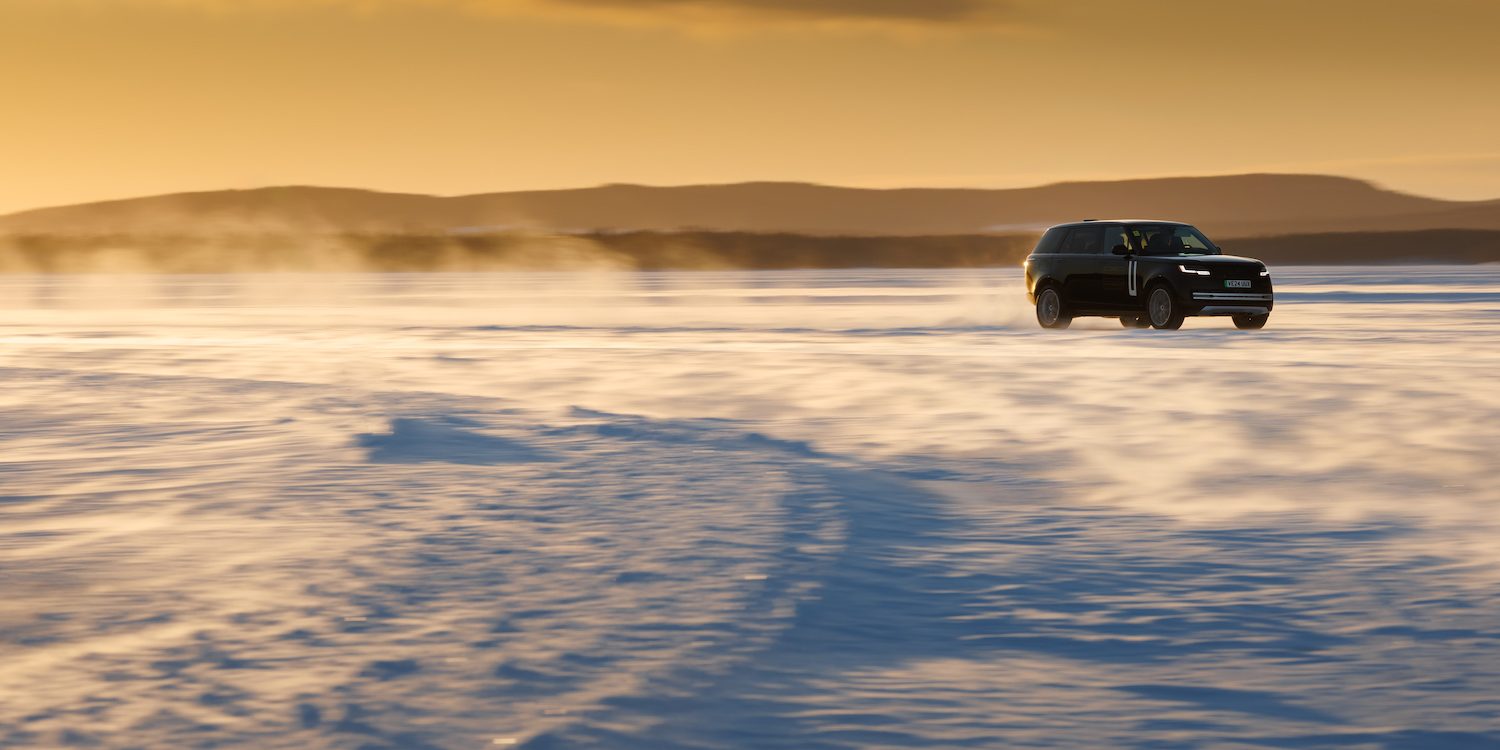
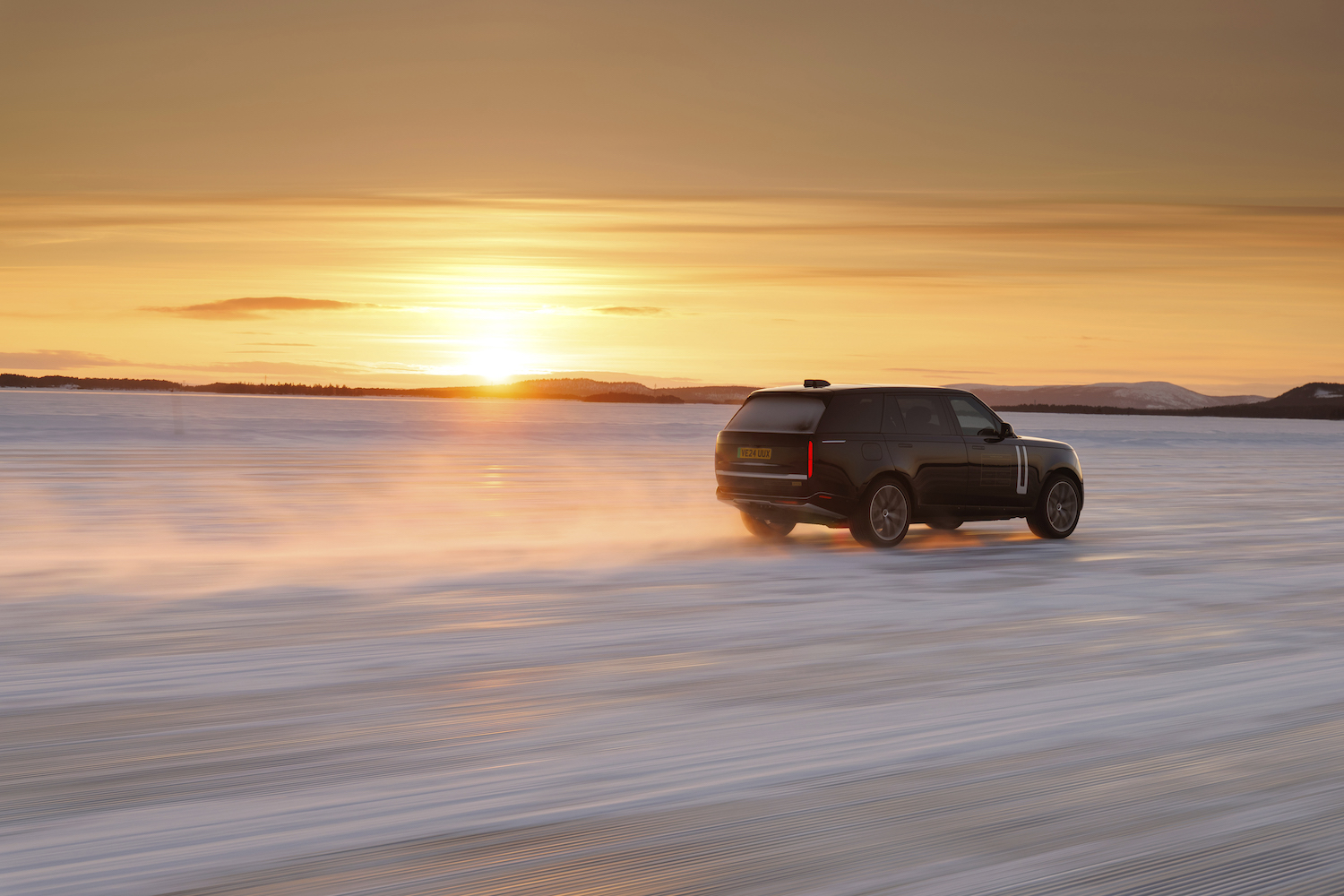
Committed to preserving its peerless product DNA, Range Rover redefines what an electric luxury SUV can be in pursuit of creating an unrivalled driving experience true to its name. Advancing this mission forward, Range Rover Electric prototypes have completed a second successful season of testing and development in the sub-zero conditions of the Arctic Circle.
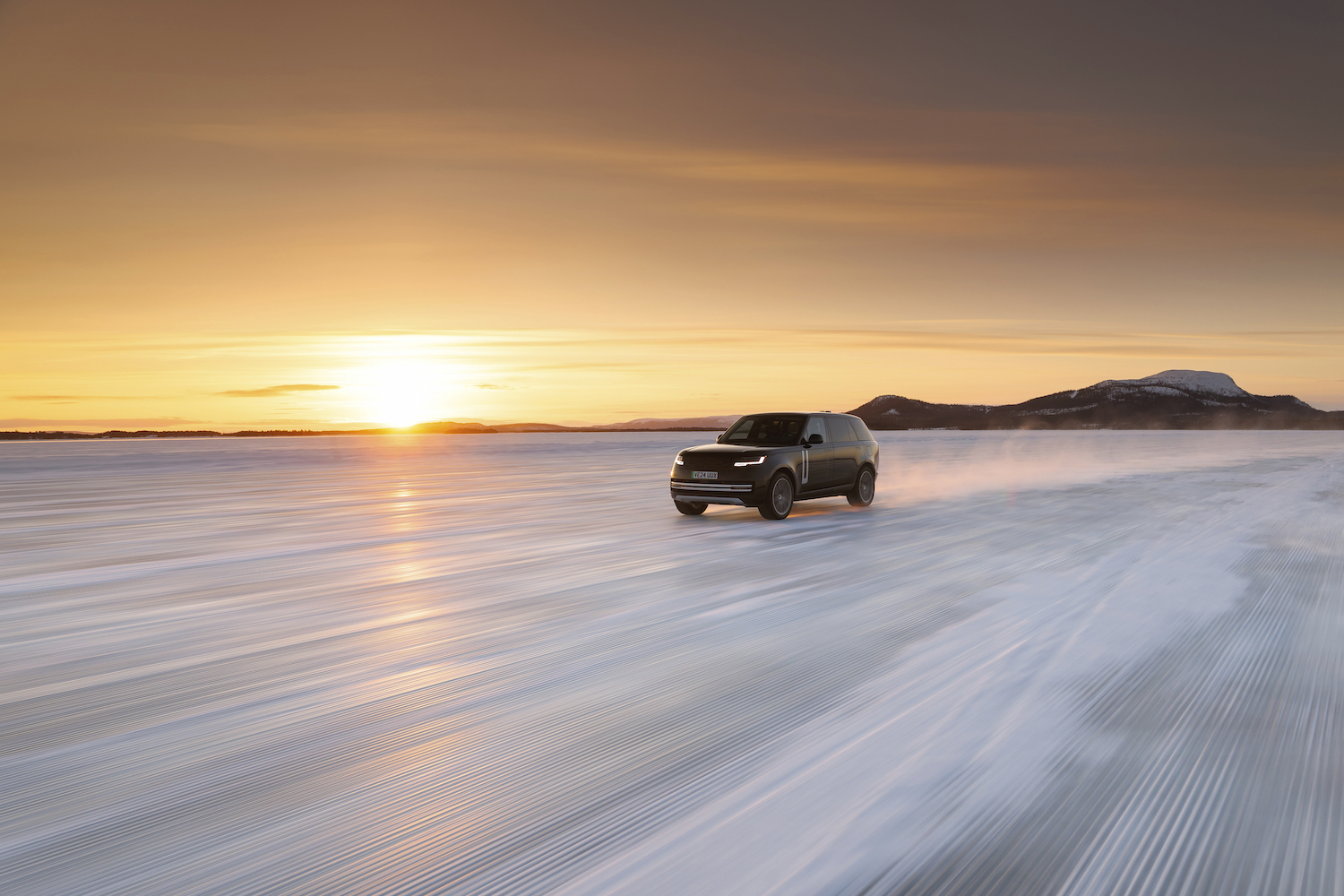
Enduring up to 45,000 miles of accumulated testing across frozen lakes and land tracks1, the latest winter season in northern Europe has allowed engineers to put Range Rover Electric’s advanced thermal management system through a demanding testing schedule. The frozen lake tracks also provided invaluable testing conditions for dynamics, including single pedal driving capability and switchable, twin-chamber air suspension.
A key part of the latest development phase in Arjeplog, Sweden, has been for engineers to validate Range Rover Electric’s new ThermAssistTM technology. The advanced on-board thermal management system reduces heating energy consumption by up to 40 per cent and aims to recover heat to warm the propulsion system or cabin in ambient temperatures as low as -10C.
The advanced heat management technology ensures Range Rover Electric delivers optimised driving range, even in the coldest temperatures. It also minimises the impact of extreme temperatures on charging performance, reassuring clients that when they plug the vehicle in, charging capability is preserved. Occupants also benefit from a consistently warm cabin, despite the exterior chill.
Thomas Müller, Executive Director, Product Engineering, JLR, said: “Rigorous testing procedures in extreme and unpredictable conditions like those experienced in Arjeplog are crucial to Range Rover Electric’s real-world reliability and resilience. Our second winter season in the Arctic Circle has provided the perfect opportunity for us to put our new ThermAssistTM technology to the test, and it has surpassed our expectations. It will help to ensure Range Rover Electric’s range remains intelligently optimised while also ensuring charging speeds are maintained when a top-up is required.”
The high-voltage 800V battery is the first one to be designed and built in-house at JLR – optimised for energy density, range and charging times. Engineered to provide the kind of effortless performance and customary refinement expected of a Range Rover, the definitive electric luxury SUV benefits from cell-to-pack architecture providing the best possible performance. Range Rover Electric’s 117kWh battery is fully encased and smartly packaged, consisting of 344 prismatic cells in a double-stacked layout.
All-terrain capability and refinement are core elements of the Range Rover experience and that will continue with electric propulsion, with the implementation of advanced technologies including single pedal driving and switchable, twin-chamber air suspension.
Effortless, with a sense of power in reserve, Range Rover Electric takes single pedal driving to an advanced new level. In addition to slowing the vehicle and delivering charge into the battery from regenerative braking, it is also tuned to work with Terrain Response. Single pedal driving will bring the vehicle to a complete stop and will engage Hill Hold, enabling the driver to move off again without having touched the brakes at any point. Distinguishing Range Rover Electric’s single-pedal capabilities is the ability to do this across extreme terrain, as Range Rover engineers tested its capability on both 28-degree and 17-degree split mu inclines at the Arctic test facility.
Ensuring Range Rover Electric retains authentic Range Rover composure in all conditions, switchable twin-chamber air suspension has been extensively developed to manage body movements brought about by the electric model’s distinctive weight distribution.
Matt Becker, Vehicle Engineering Director, JLR, said: “In its driving character, Range Rover should seamlessly combine capability and refinement. Delivering both in an electric vehicle in a way that doesn’t diminish the vehicle in other areas is incredibly challenging. By increasing its torsional stiffness and improving its responses, we’ve been able to maintain a customary Range Rover driving experience that feels familiar. We have delivered on this promise by marrying all the essential Range Rover elements with new and advanced technologies.”
Taking to the ice tracks of the Arctic Circle has demonstrated how Range Rover Electric’s all-wheel drive technology is capable of handling all surfaces. Thanks to its accurate torque delivery, which is more precise than ICE applications, its Intelligent Driveline Dynamics (IDD) technology is able to distribute rear torque from 100% to 0% to prevent loss of traction. Working with Integrated Traction Management, traction stability is maintained – controlling motor speed within 50 milliseconds and managing slip up to 100 times quicker than an ICE vehicle equivalent.
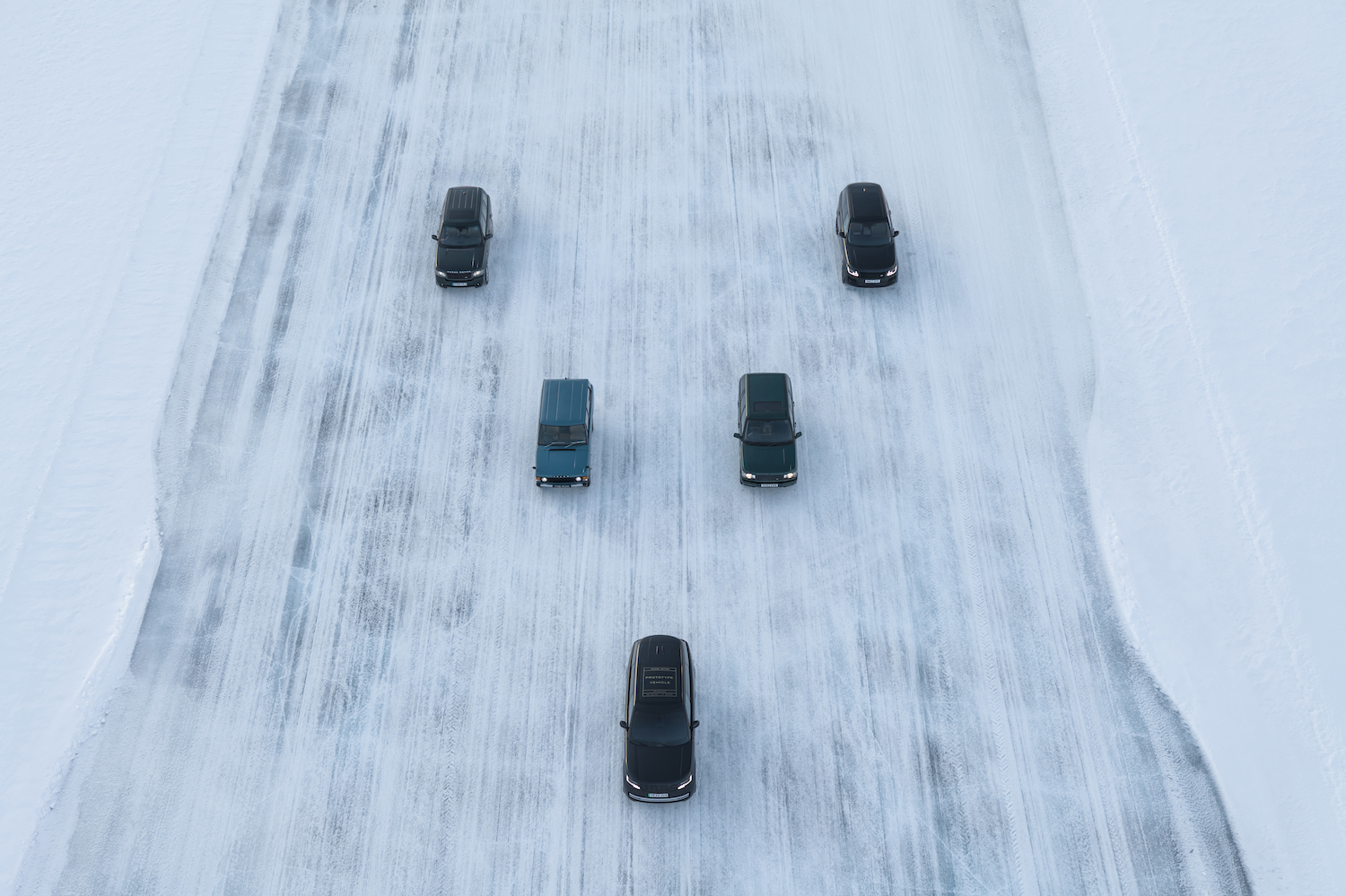
Following its second season in Arjeplog, Range Rover Electric prototypes will continue their demanding testing and development programme ahead of client reservations at the end of 2025.
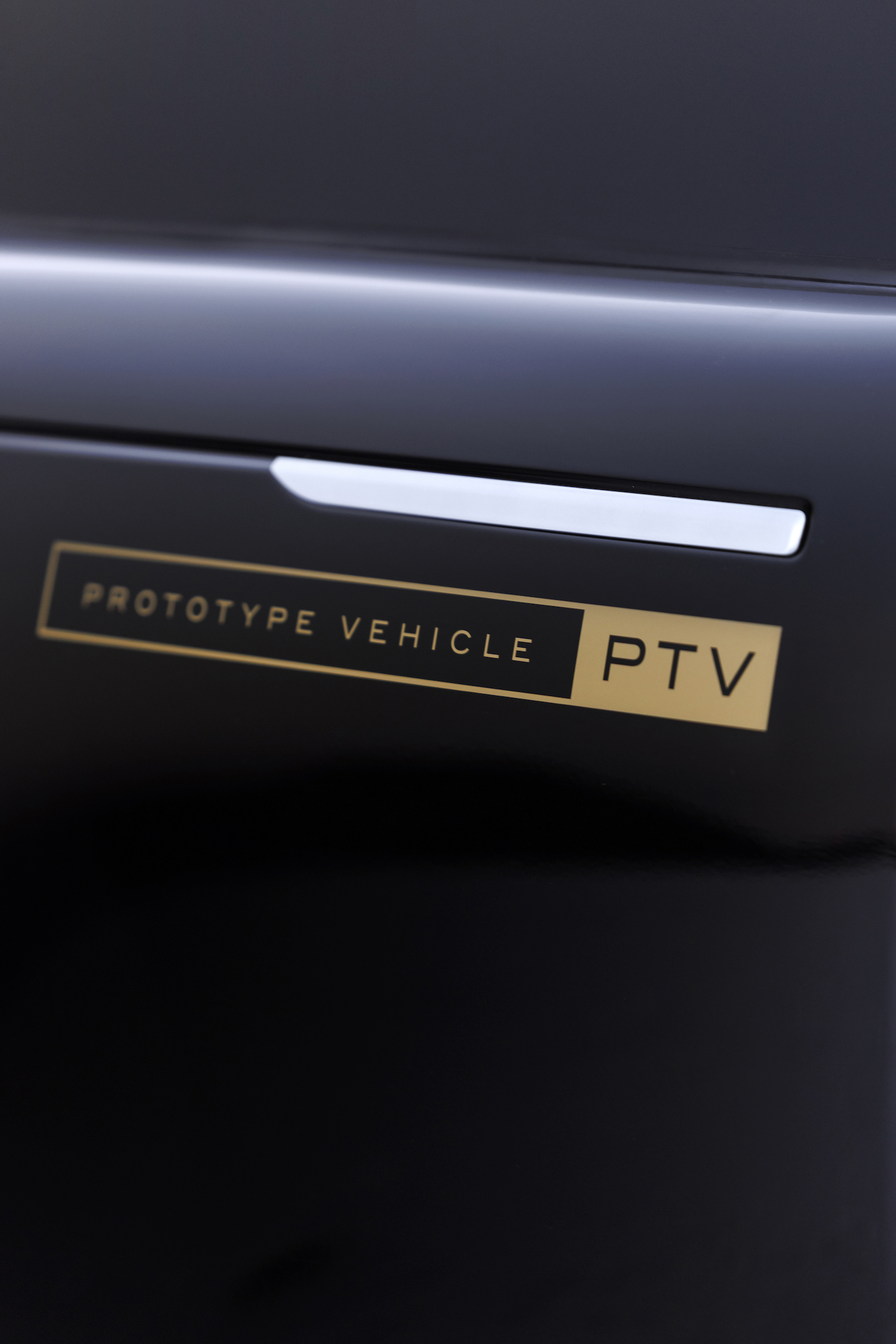
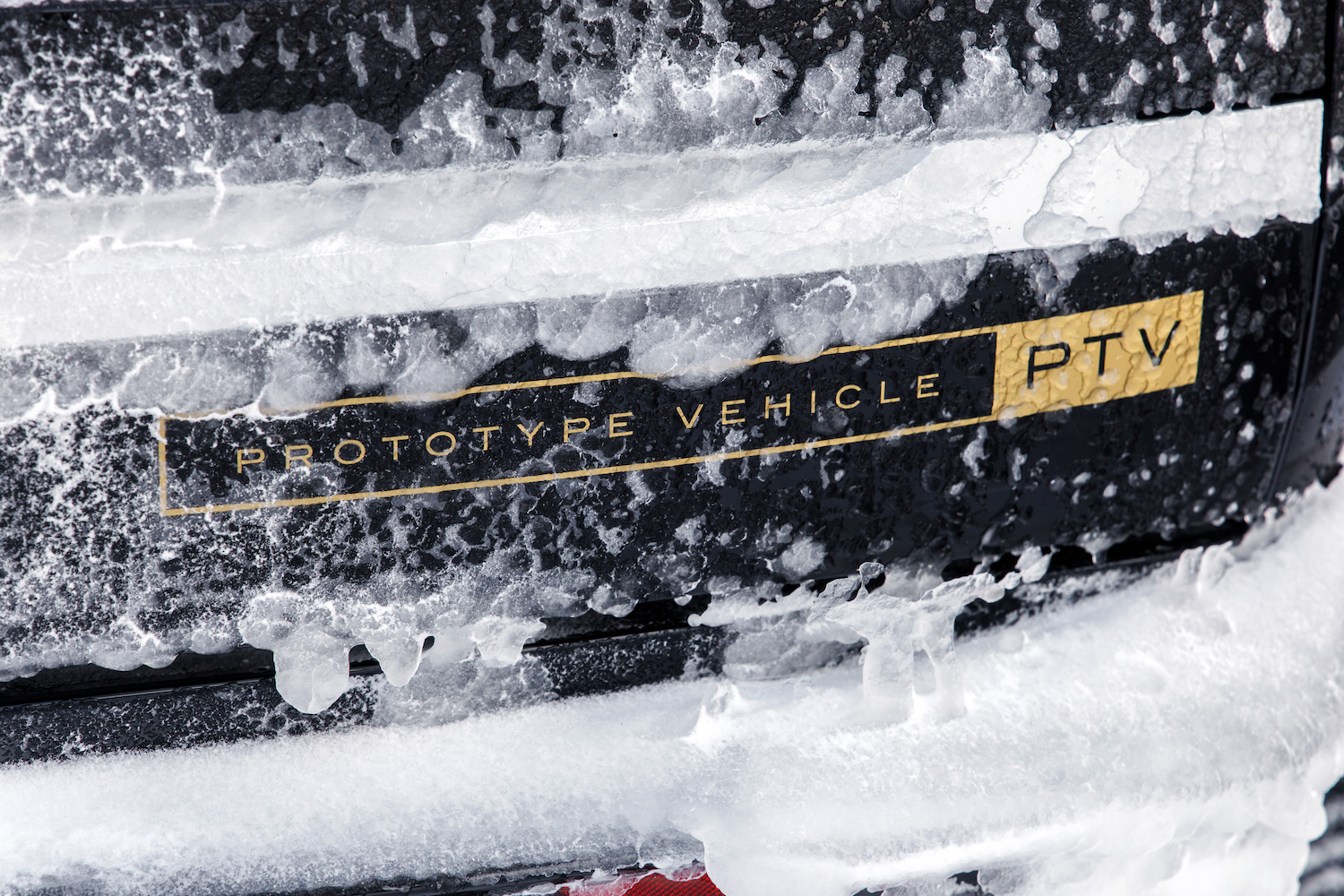
Range Rover Electric Winter Testing Photo Gallery








Leave a Comment
More in News
English Councils Banked a Record £1.1 Billion From Every Driver’s Parking Fines Last Year
How DVLA Promises 99% of Licences in Three Days After Admitting Services Fall Short
What to Do in a Motorway Breakdown (and When to Stay Inside)

How to Jump Start a Car Safely (and What a New Battery Costs)

Every Driver Gets Five Minutes Grace as Government Freezes Parking Charges at £100
Trending on Motoring Chronicle
Rolls-Royce celebrates sixty years of Goldfinger with exquisite one-of-one Phantom Extended [Photo Gallery]

World Cup Fans Warned of Morning-After Drink Drive Risk
Defender Rally make history with debut Dakar victory

How Police Just Tightened The Speed Awareness Course Rules Against Millions Of UK Drivers
