
How New Parking Rules Give Every UK Driver a 10-Minute Buffer They Never Had Before
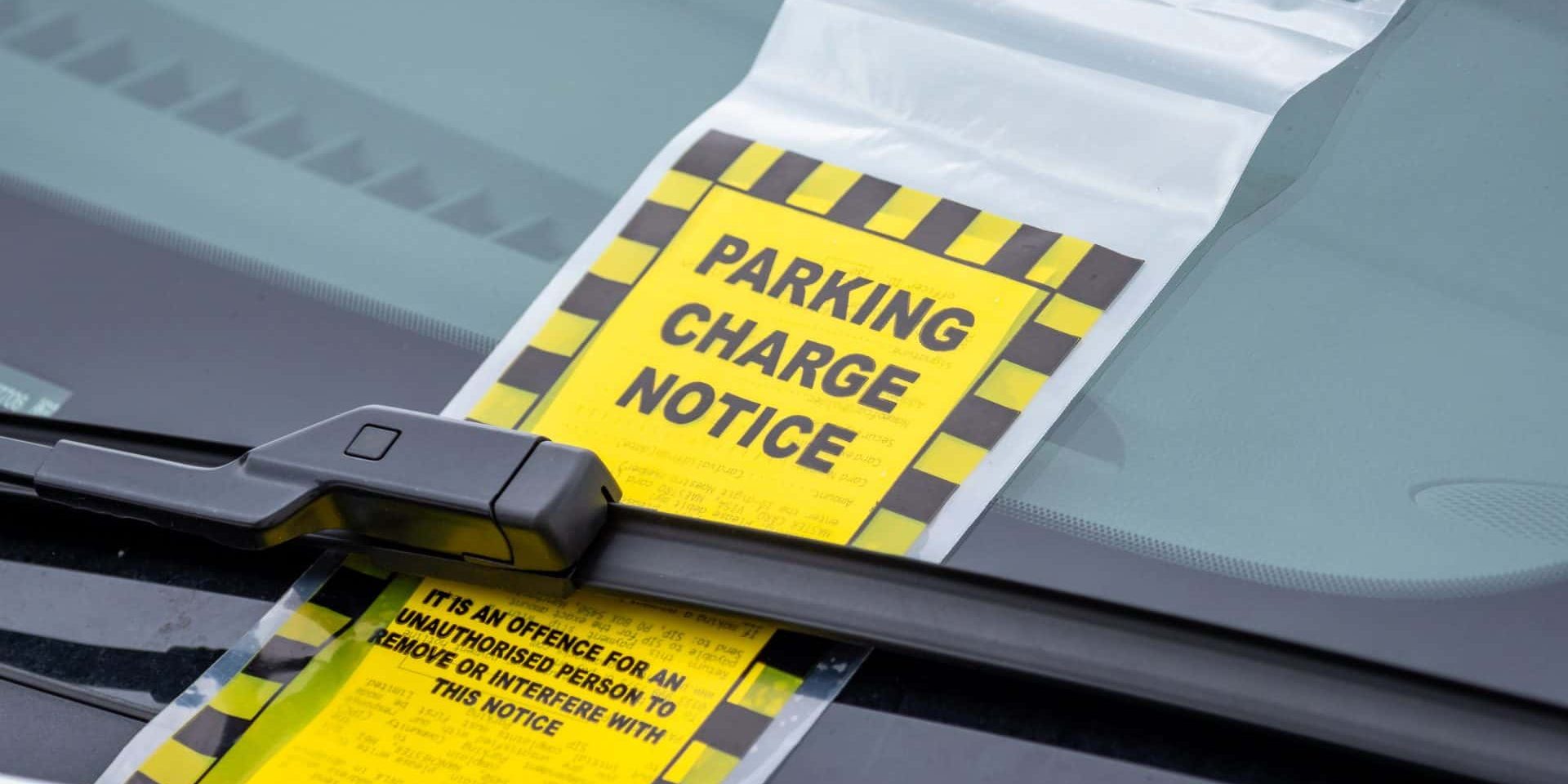
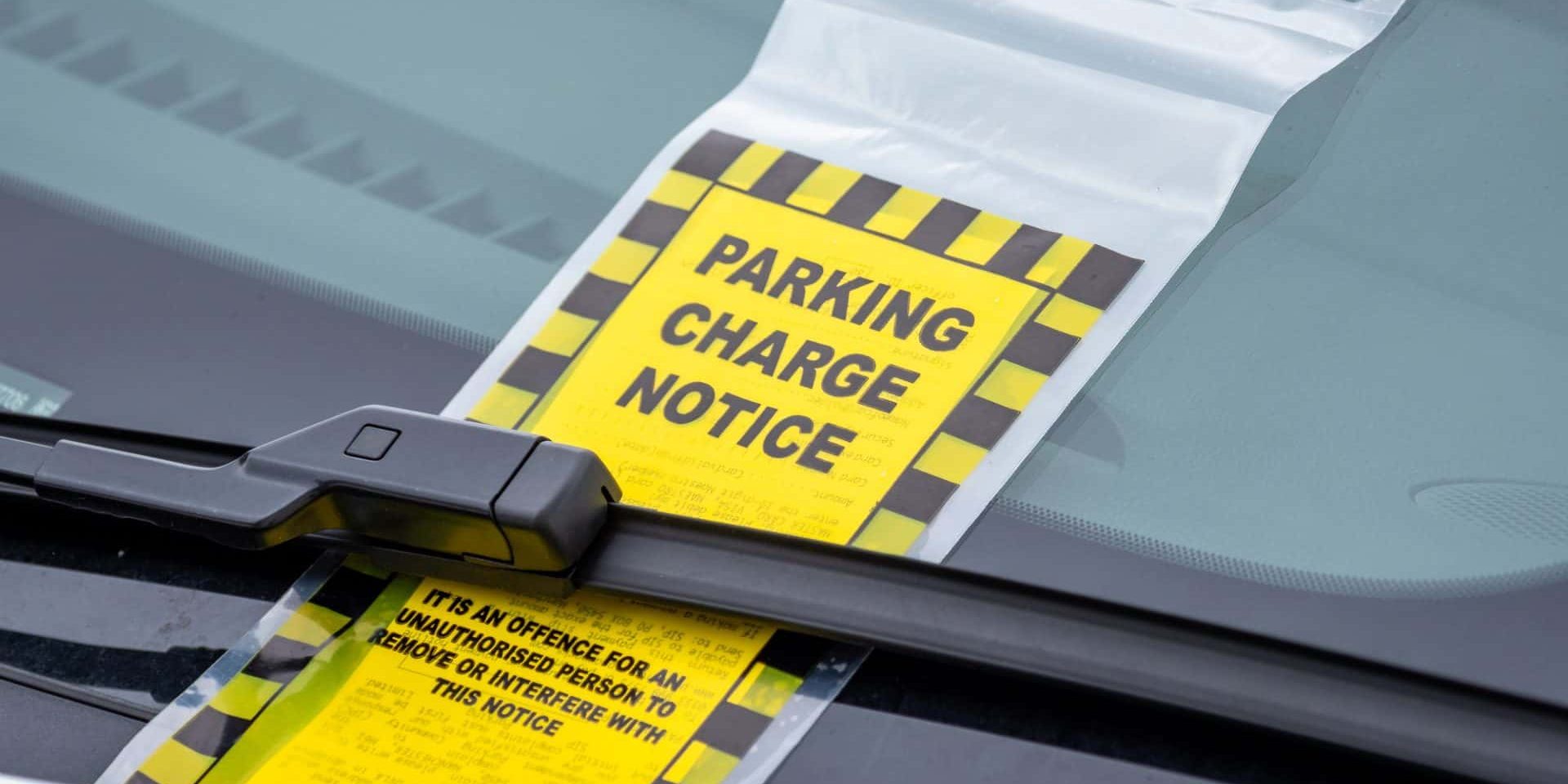
A little-known set of consumer protections that came into force on 16 March 2026 means that every driver parking in a private car park across England, Wales and Scotland now has rights they almost certainly never had before. Under the Parking (Code of Practice) Act 2025, operators must give drivers a 10-minute grace period after their paid or free parking session expires, a 5-minute window to read the signs before any charge can start, and a maximum fine that is, for most violations, capped at £50. If you have received a private parking ticket since March and were not aware of these protections, you may have grounds to appeal even now.
The new code applies to all private parking operators in England, Wales and Scotland. It does not apply to council-issued Penalty Charge Notices, which remain under a separate civil enforcement regime and carry standard charges of £50 to £130 depending on location. But the millions of tickets issued each year by private operators such as NCP, Euro Car Parks, UKPC, Excel Parking and Britannia Parking are all now subject to the code’s requirements. Operators have until December 2026 to achieve full compliance, but the core consumer protections including the grace periods and fine caps came into effect on 16 March.
The 10-Minute Grace Period Explained
The 10-minute grace period applies automatically after any paid parking session or free parking period expires. If your ticket or app payment session ends at 2pm, the operator cannot issue a parking charge notice (PCN) until 2.10pm at the earliest. This rule exists specifically to stop drivers being fined for the entirely reasonable act of returning to their car a few minutes after the clock runs out. Under previous industry codes, grace periods were inconsistently applied and some operators issued tickets the moment a session expired.
The grace period is mandatory and cannot be waived by operators even in busy car parks or at locations where rapid turnover is commercially important. If you receive a ticket timestamped within 10 minutes of your paid session ending, this is a strong ground for appeal. When appealing, state clearly the time your session expired and the time the ticket was issued, and cite the Parking (Code of Practice) Act 2025 and the mandatory 10-minute grace period.
The separate 5-minute consideration period applies when you first arrive at a car park, not when you leave. From the moment your car enters the car park, the operator cannot log a chargeable event for the first 5 minutes. This gives drivers time to find a space, read the signs and tariff boards, and decide whether they want to park there. It is particularly useful at car parks with confusing or unclear signage, where drivers sometimes accept a charge they did not properly understand.
The £50 Cap and What It Covers
Under the new code, the maximum charge for most standard parking violations is £50, reduced to £25 if paid within 14 days. Previously, private operators routinely issued PCNs of £100 or more, with the standard tariff at many sites set at £100 reduced to £60 for early payment. Some operators issued notices at £150 or £160 for repeat violations or specific restricted zones. The £50 cap significantly reduces the financial bite of a private parking ticket for the majority of motorists.
Operators can still charge up to £100 for serious violations in specific circumstances, but these higher amounts require justification and cannot be applied as a blanket default. The code also prohibits operators from adding spurious administration fees, debt recovery charges, or other bolt-on costs to a ticket in the early stages of the process. Under previous industry practice, some operators sent letters demanding £170 or more within days of a ticket being issued, even when the original notice was for a minor overstay.
Aggressive debt collection tactics are now banned during the appeals window. Operators cannot refer a case to a debt collection agency or solicitors while the driver is within the period for lodging a formal appeal. The code also requires that all correspondence is written in plain English without threatening language, and that any escalation to debt recovery is clearly explained with specific timescales rather than vague warnings about “further action.”
How to Appeal a Private Parking Ticket Under the New Rules
The appeals process under the code has two stages. First, you write to the operator within 28 days of the ticket date, stating your grounds for appeal. Under the new rules, the operator must acknowledge your appeal within a specific timeframe and provide a clear written decision. If the operator rejects your appeal, they must inform you of your right to escalate to the independent appeals service.
The independent appeals service for most private parking operators is POPLA (Parking on Private Land Appeals). In the 12 months to April 2025, POPLA quashed a record 54,100 tickets, representing more than half of all cases it considered. The most common grounds for upholding appeals were inadequate signage, failure to follow the correct process, and incorrect details on the ticket. POPLA can be reached at popla.co.uk and the service is free for drivers.
Strong grounds for appeal under the new code include: the ticket was issued within 10 minutes of the paid session expiring; the ticket was issued within 5 minutes of your arrival; the charges on the ticket exceed the code’s maximum; threatening language was used in correspondence within the appeal window; or the signage at the car park was inadequate or unclear. Keep any photographs taken at the time of parking, including images of the signs, the pay machine, your payment confirmation and the PCN itself.
Note that the new code does not apply retroactively. Tickets issued before 16 March 2026 were subject to the previous industry code of practice and the grace period and cap rules do not apply to them. However, the general principle that signage must be clear and charges must be prominently displayed was already part of the previous code and remains a valid appeal ground for older tickets.
What the Code Does Not Yet Fix
Consumer groups including Which? have welcomed the new code but note that it falls short of the fully independent statutory regulator that campaigners have sought for years. The existing framework relies on operators voluntarily joining an approved operator scheme, and while most major operators have done so, enforcement of the code against non-compliant operators remains limited. The government has indicated it will review the need for a statutory regulator once operators have had time to implement the new standards.
The code also does not prevent operators from continuing to use automatic number plate recognition (ANPR) cameras to monitor dwell times, and it does not cap the number of tickets an operator can issue. Persistent overstays of 20, 30 or 60 minutes will still attract a charge, and the onus remains on the driver to pay or appeal rather than on the operator to prove the charge is valid. In short, the new code improves the system significantly for minor overstays and procedural breaches, but it is not a blanket get-out for drivers who genuinely park in breach of the terms displayed.
Drivers who believe they have been issued a ticket that breaches the code can also report the operator to the British Parking Association (BPA) or the International Parking Community (IPC), the two approved operator schemes. Both bodies have disciplinary processes that can ultimately lead to an operator being removed from the scheme, which strips them of the right to access DVLA keeper records and effectively prevents them from enforcing tickets.
Sources:

Leave a Comment
More in News

Every Driver Would Get 10 Minutes of Grace Under the Government Parking Code
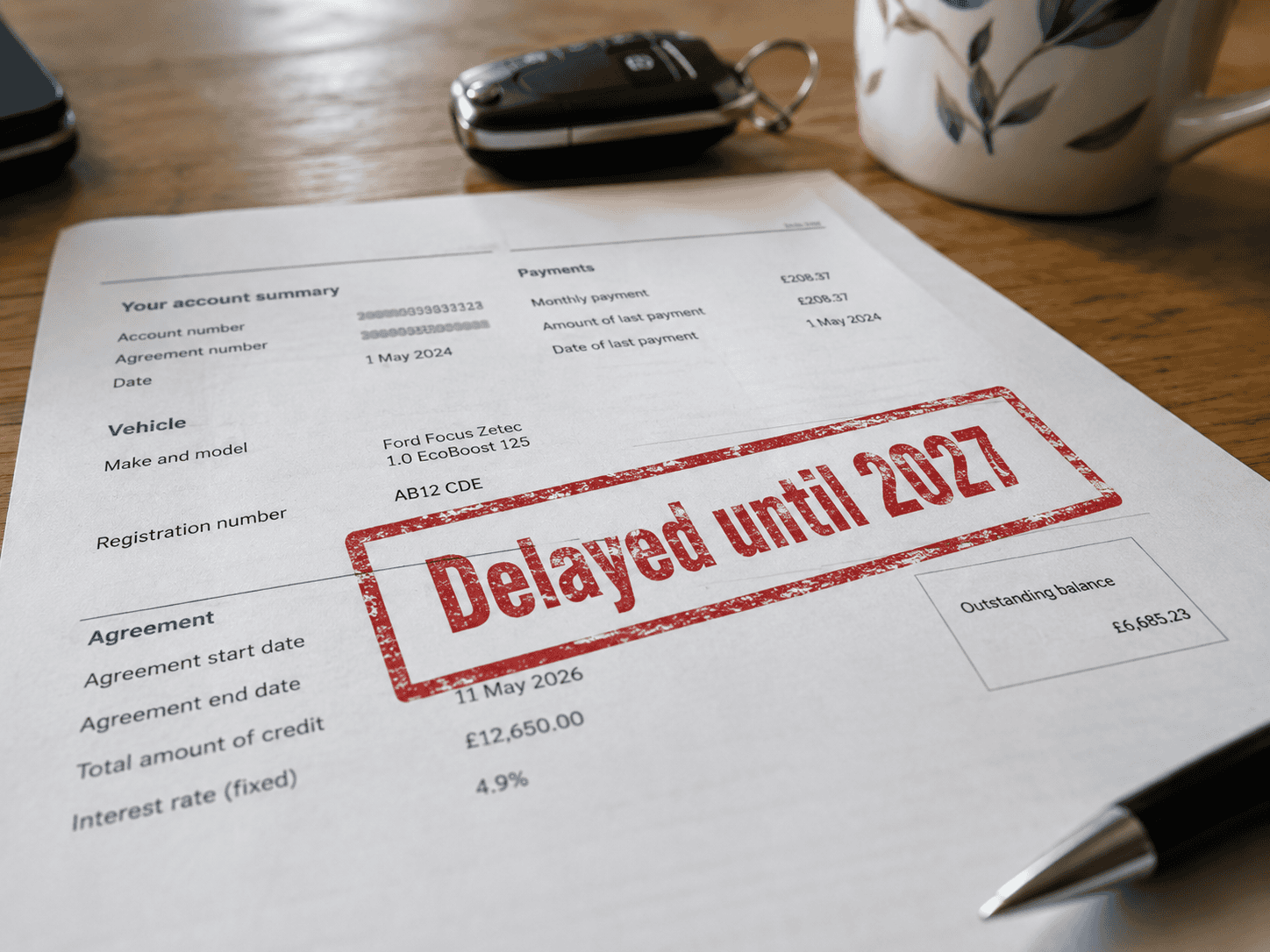
What the FCA Court Delay Means for Your Average £830 Car Finance Payout

What Counts as Fair Wear and Tear When You Hand Back a PCP Car

Every Car Since 2012 Can Fail Its MOT Over a £60 Warning Light

Start Rescue Warns Nine in Ten UK Drivers Blinded by Headlight Glare
Trending on Motoring Chronicle

KGM Musso EV Becomes UK’s Cheapest Electric Pick-Up at £39,995

How to Keep Your Teen Driver Safe During Summer’s 100 Deadliest Days
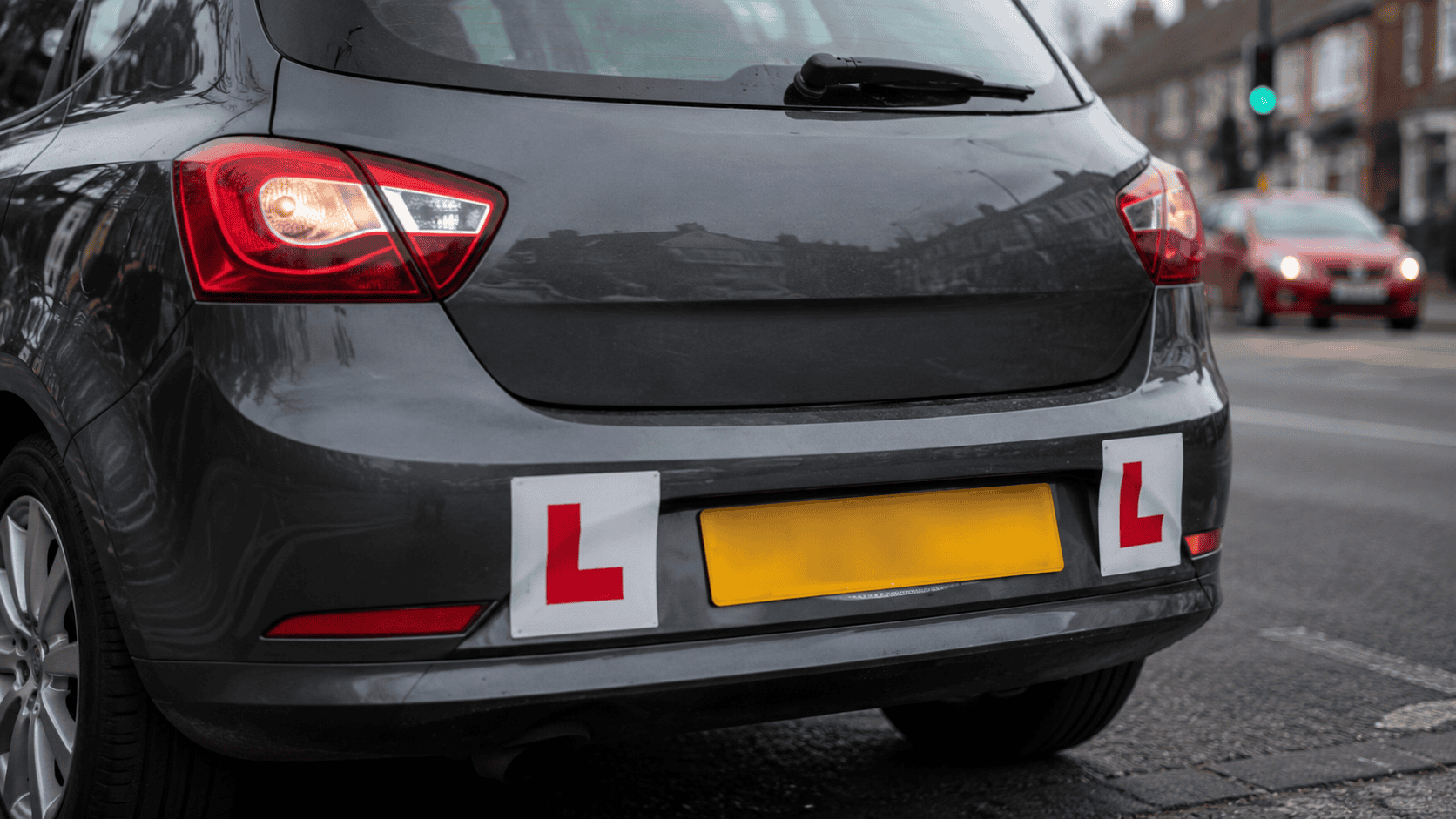
How Northern Ireland’s Graduated Driving Licence Changes Everything for Young Drivers From October

How Thieves Unlock Your Car From the Street Using Your Key Fob While It Sits Indoors
