
Average Used Car Price Tops $30,000 for the First Time Since 2023
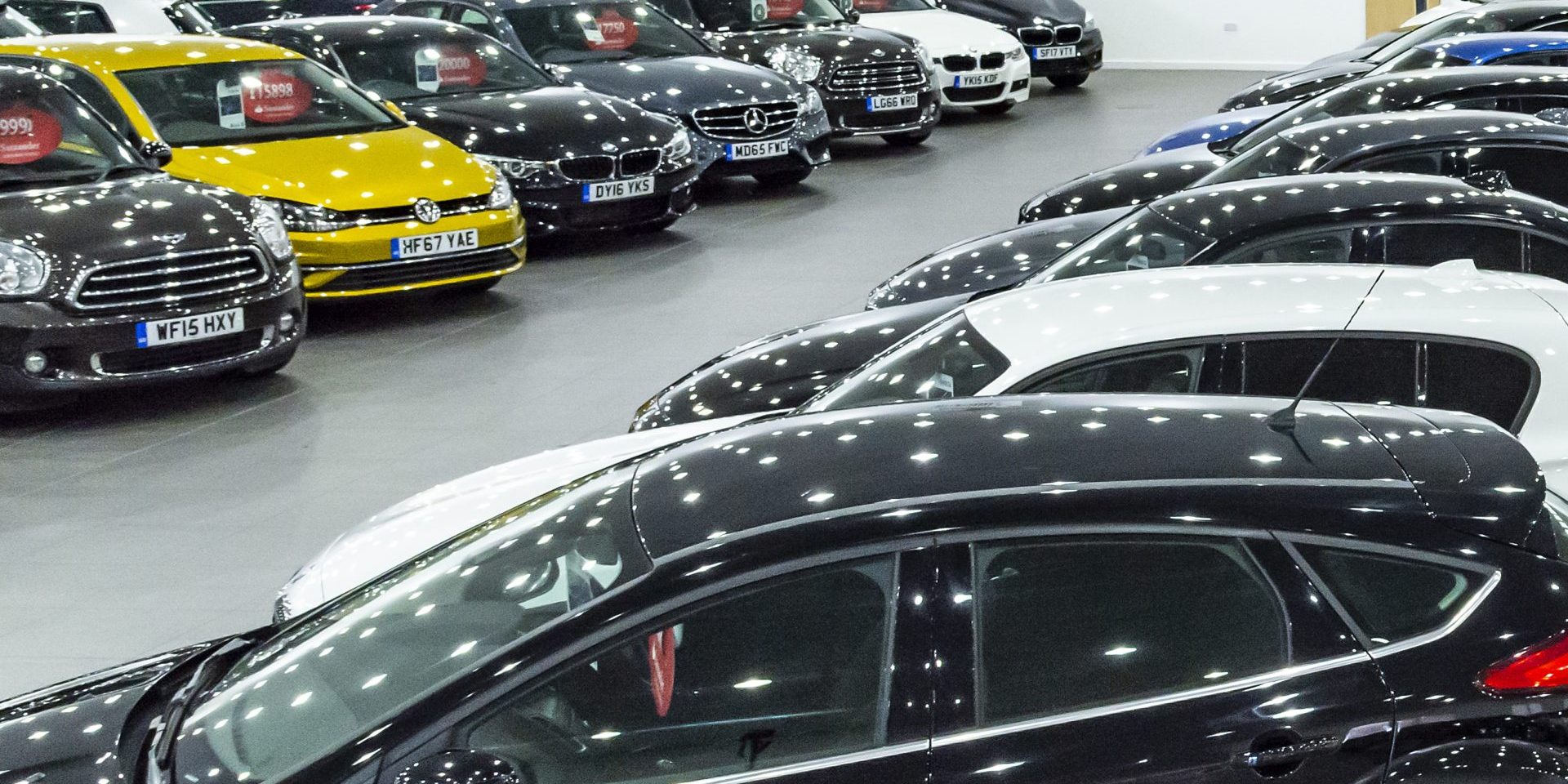
The average price of a used car in the United States has crossed $30,000 for the first time since the summer of 2023, a milestone that tells used-car shoppers the bargains many had hoped for this year are not arriving. According to the CarGurus May Intelligence Report, the average listing price for a used vehicle hit $30,200 in May, up 5.1 percent from a year earlier. New-car prices are climbing too, reaching their highest level since September 2023.
For anyone planning to buy this summer, the takeaway is that prices are firming, not falling, and demand is rising right alongside them. That combination usually means less room to negotiate and fewer cheap cars on the lot. Here is what the latest data shows, why it is happening, and how to protect your budget if you need a vehicle in the months ahead.
What the Latest Numbers Show
CarGurus reported that the average used-vehicle price reached $30,200 in May, the first time the figure has topped $30,000 since August 2023. Vehicles priced above $30,000 gained share of the overall used market, while several lower-priced tiers lost ground, a sign that the cheaper end of the market is thinning out. The company’s Used Vehicle Demand Index climbed to 117.8, up 4.1 percent from April and 3.2 percent year over year, with both franchise and independent dealers seeing gains.
New cars are not providing an escape valve. CarGurus put the average new-vehicle price at $50,700 in May, up 1.7 percent year over year and the highest since September 2023. The $30,000 to $40,000 band saw the largest drop in share as the overall mix drifted toward more expensive vehicles. New-vehicle demand also rose, posting its first year-over-year gain of 2026, which tells you buyers are absorbing higher prices rather than walking away.
Other data sources point the same direction. The Manheim Used Vehicle Value Index, which tracks wholesale prices dealers pay at auction, rose 0.3 percent in May to 212.6 and sat 1.8 percent or more above year-ago levels through the spring. When wholesale costs rise, retail prices on dealer lots usually follow within a few weeks, so the pressure visible at auction in May is what shoppers are now meeting in showrooms.
Why Used Prices Keep Climbing
The simplest explanation is tariffs pushing buyers down-market. New-car prices have risen sharply as import duties added thousands of dollars to many vehicles, with industry estimates putting the average new-car increase at roughly 10 percent over the past year. A used vehicle already sitting on a dealer’s lot was imported and sold long ago, so tariffs do not touch it directly. But as new cars get more expensive, more shoppers turn to the used market, and that extra demand pushes used prices up.
Kevin Roberts, CarGurus’ director of economic and market intelligence, framed the May data as a market recalibrating to higher prices rather than losing buyers. The pattern of rising prices paired with rising demand suggests shoppers are accepting the new cost of a car rather than postponing the purchase, particularly for newer, late-model used inventory that holds up better over time.
Financing is part of the story too. Separate Cox Automotive data showed auto credit availability reaching its highest level since April 2022, with loan approval rates climbing to 72.4 percent in May and the average contract rate easing to 10.87 percent. Easier credit helps buyers qualify, but it does not make cars cheaper. It can even support higher prices by widening the pool of people able to borrow. One warning sign in that same data: about 57 percent of trade-ins carried negative equity, meaning many owners still owe more than their vehicle is worth.
What To Do If You Need to Buy
Widen your search radius. Prices and inventory vary widely by region, and being willing to drive a few hours or arrange transport can open up cheaper options. Use the search filters on listing sites to sort by price and days on lot, since a vehicle that has sat unsold for 60 days or more often has more room for negotiation. Get pre-approved for financing at your own bank or credit union before you visit a dealer, so you have a benchmark rate to compare against and are not relying solely on dealer financing.
Be careful with trade-ins if you owe more than the car is worth. Rolling negative equity into a new loan inflates what you borrow and can leave you underwater for years. If you can, pay down the gap or keep your current vehicle longer. Consider slightly older or higher-mileage examples of reliable models, where the price drop can be steep without a matching drop in dependability, and always budget for insurance, which has risen sharply and adds significantly to the true cost of ownership.
Protect yourself on condition. Run the vehicle identification number through a history report, check for open recalls at nhtsa.gov/recalls, and pay for an independent pre-purchase inspection before you sign. With more shoppers competing for fewer affordable cars, the pressure to move fast is exactly when costly mistakes happen. For buyers worried about hidden damage in particular, our guide to spotting safety issues before you buy used walks through the checks that matter most.
The bottom line for summer 2026: the average used car now costs more than $30,000, demand is rising, and credit is loosening, all of which favors the seller. Buyers who shop widely, line up their own financing and refuse to rush will still find value, but the days of waiting for prices to crater look like they are on hold.
Sources:
- https://www.cbtnews.com/cargurus-used-car-prices-top-30k/
- https://www.cbtnews.com/auto-credit-availability-reaches-four-year-high/
- https://www.coxautoinc.com/insights/manheim-used-vehicle-value-index-may-2026-trends/

Leave a Comment
More in News

How to Remove Moisture From Inside Your Headlight Before It Costs You £500
What Red and Amber Warning Lights Actually Mean (and Which Fail an MOT)

How to De-Ice Your Windscreen Fast Without Cracking It (and Staying Legal)

New Cars Face Euro 7 Rules From 29 November With a £264 Price Rise
What the Traffic Penalty Tribunal’s 33 Percent Success Rate Means for Every Driver
Trending on Motoring Chronicle

New Driving Test Booking System Piloted in Durham as Waits Stretch Past Five Months
GM Recalls 306,511 SUVs After 33,000 Rearview Camera Complaints

Two in Five Drivers Now Switch Off Their Car’s Built-In Safety Systems
Vehicle Thefts Keep Falling as Arizona Reports a 24 Percent Drop
