Half Wrong: Drivers Just Quashed A Record 54,100 Private Parking Tickets In A Year
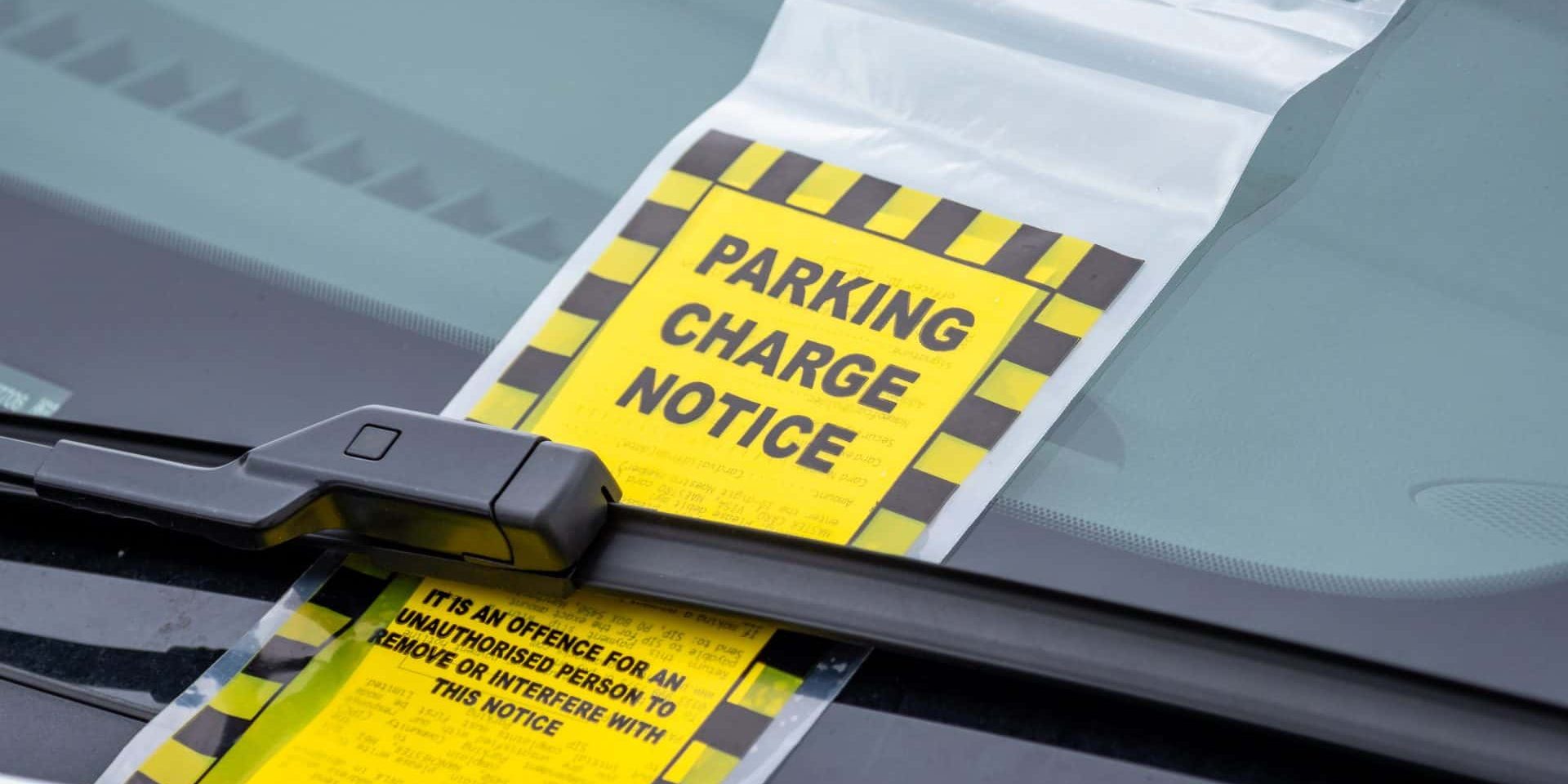
A record 54,100 private parking tickets were quashed in 2025, almost exactly half of every formal appeal lodged by drivers, in a stinging rebuke to firms that issue 2,000 charges every hour across the UK. Of the cancelled tickets, 40,000 were dropped by the parking firms themselves before they reached a hearing, suggesting they knew the evidence would not stand up to scrutiny.
The figures, obtained by the Daily Mail under a Freedom of Information request to the Parking on Private Land Appeals (POPLA) service, mark the first time appeals have hit six figures since the adjudicator was set up in 2012. Total appeals reached 107,202 in 2025, a 40 per cent jump from 76,292 in 2022. Every quashed ticket was originally a £100 demand, meaning private operators have effectively asked drivers for £5.4 million in charges they could not justify. Motoring groups say it is “the tip of the iceberg” because most drivers simply pay up or are never told they can take a rejected appeal to POPLA.
The Half-Right Statistic That Should Worry Every Driver
Steve Gooding, director of the RAC Foundation, said the 40,000 abandoned appeals were the most damning figure in the dataset. “You have to ask why parking firms decided not to contest an astonishing 40,000 appeals,” he told the Daily Mail. “Are there tens of thousands of cases where they know the evidence won’t stand up to scrutiny? If so, why were those tickets issued in the first place? Drivers should think hard about appealing if they believe they are in the right, this shows that thousands who did so won their case.”
Simon Williams, head of policy at the RAC, said the data should embarrass the parking industry. “While it’s positive so many appeals have been upheld, it’s really concerning that so many tickets were wrongly issued in the first place, causing drivers so much unnecessary stress. We badly need the Government-backed private parking code of practice to finally be brought into force to protect drivers.”
The AA’s head of roads policy, Jack Cousens, focused on the silent majority of motorists. “While around half of drivers successfully won their appeal, many drivers simply pay up when they receive a letter, even when they know they’ve done nothing wrong. These figures only highlight the urgent need for the parking code of conduct.”
The British Parking Association, which oversees POPLA-eligible operators, conceded the appeals figure but insisted it was a small slice of the total. Alison Tooze of the BPA said: “The figures also show that just 0.64 per cent of parking charges issued last year progressed to a second-stage appeal at POPLA, with a majority of parking charges being paid and the remainder resolved by operators at the initial appeals stage. Of those that did reach this stage, around half were cancelled.”
Why Tickets Get Cancelled, And Why So Many Are Wrongly Issued
POPLA’s own breakdown of successful appeals shows three recurring grounds. The first, accounting for around 41 per cent of overturned tickets, is signage. Parking firms must comply with paragraph 18 of the BPA Code of Practice, which requires signs to be clearly visible from every parking bay, lit at night, and to set out the charge and the contract terms in print at least 24mm tall. Camera-only car parks must also display a sign at every entry point making clear that ANPR is in use. Where signage falls short, the contract argument the firm relies on collapses, and the ticket dies with it.
The second is payment failure, often through machine faults or mobile app glitches. A study by Which? in March found that 21 per cent of pay-by-phone parking machines tested in 60 UK car parks took payment but failed to register the transaction, leaving drivers liable for a “ticket not paid” charge despite a debit card receipt. POPLA routinely cancels these tickets where the driver can show a payment timestamp from a bank statement, even if the receipt was never recorded in the operator’s system.
The third is the moving goalposts of grace periods. Codes of practice require operators to allow a minimum 10-minute consideration period at the start of a stay (for the driver to read the signs and decide whether to park) and a 10-minute grace period at the end. Operators including ParkingEye, Euro Car Parks and Smart Parking have repeatedly issued tickets where stays exceeded the paid duration by less than 10 minutes, and POPLA has cancelled them in batches.
The Daily Mail’s analysis added a fourth, growing reason for cancellation: drivers entering registrations incorrectly on payment machines, often because the keypad layout differs by site. Operators have argued the wrong-keying creates a contract breach, but POPLA increasingly rules that where a driver has paid for any vehicle they own at the right car park on the right day, the public interest test sides with the driver.
The Code Of Practice That Has Been Stuck In Limbo Since 2019
The Parking (Code of Practice) Act 2019 received Royal Assent more than seven years ago and was meant to introduce a single, statutory rulebook for private parking firms with binding sanctions, capped charges and tougher signage rules. The Conservative government published a draft Code in February 2022 capping most tickets at £50 (£25 for early payment) and banning the £70 “debt recovery” surcharge that operators routinely tack onto ignored notices. The Code was withdrawn five months later after a legal challenge by industry trade bodies, and successive ministers have promised a revised version “shortly”.
Roads Minister Lilian Greenwood confirmed in February that the Government is “finalising” the new Code, but officials have refused to give a publication date. Industry consultation on the revised draft closed on 16 April. The latest version is understood to retain the cap on charges, bar the use of intimidating debt-collector branding, and require operators to use a single, government-approved appeals body (effectively merging POPLA with the Independent Appeals Service used by IPC-member firms).
Until that lands, drivers remain at the mercy of two competing trade bodies (the British Parking Association and the International Parking Community) with overlapping codes and different adjudicators. Around 80 per cent of private tickets come from BPA-member firms and are eligible for POPLA. Tickets from IPC-member firms (including UK Parking Control and DCBL-affiliated operators) go through the Independent Appeals Service instead, which has a lower cancellation rate of around 35 per cent.
How To Appeal A Private Parking Ticket Without Paying A Penny
The process is free at every stage. When a ticket lands, ignore the “discount if paid within 14 days” countdown for the appeal stage: the operator must extend the discount window if you appeal in time, so you do not lose the £40 reduction by challenging.
First, lodge a formal appeal with the operator within 28 days of the date on the notice. Use post or the operator’s online appeal portal, and quote the Penalty Charge Notice number on every page. State plainly that you reject liability, list every ground you intend to rely on (signage, payment, grace period, identification of driver, no contract), and attach evidence: dated photographs of the signage, bank statements showing the payment, app receipts, parking permit scans, or any photographs of road markings that contradict the ticket.
If the operator rejects the appeal, it must issue a POPLA verification code in the rejection letter for BPA members, or an IAS code for IPC members. You then have 28 days to lodge a free appeal at popla.co.uk or theias.org. Upload the same evidence plus the operator’s rejection letter. POPLA’s median ruling time was 31 working days in 2025, and the cancellation rate at this stage was 50.4 per cent.
If a ticket has already been escalated to debt collection, do not panic. A “Letter Before Claim” from Gladstones Solicitors, DCB Legal or BW Legal must comply with the Pre-Action Protocol for Debt Claims and give you 30 days to respond. Send a written rejection with your grounds, decline to acknowledge the debt, and request a copy of the original contract. Only a fraction of cases ever go to small claims court, and even then, drivers who turn up with evidence win a clear majority. If you do receive a County Court claim form, return the acknowledgement of service within 14 days, then file your defence within a further 14 days. Free templates are available from MoneySavingExpert and Citizens Advice.
What Happens Next
The Government’s revised Code of Practice is expected to be laid before Parliament in autumn 2026, with full enforcement from spring 2027. A separate consultation on cross-border enforcement, which would close a loophole allowing operators to pursue Northern Ireland and Scottish drivers in English courts, runs until 8 July. Drivers’ groups have asked the Ministry of Justice to introduce a £100 fee on operators for every appeal they lose, which would shift the cost of wrongful ticketing back onto the industry that profits from it.
In the meantime, the message from POPLA’s annual numbers is unambiguous. Half the tickets that reach the adjudicator should never have been issued. Drivers who challenge in writing within the 28-day window have better than even odds of winning, and tens of thousands more would win if they did not pay up at the first letter. With 2,000 tickets issued every hour and £5 million heading from drivers to operators every single day, the gap between the demand and the deserved is now too big to ignore.
Sources:

Leave a Comment
More in News

2027 Nissan Pathfinder Special Edition Starts at $47,390 for 40th Anniversary

Mercedes-Benz Puts New CLA Through World-First Side-Impact Crash Test at 56km/h
What a Spongy Brake Pedal Means for Your Car and Your £300 Repair Bill

What Car Tax Bands Actually Mean in 2026 (and How to Find Yours)

Why Fake Number Plates Could Leave Any UK Driver With Someone Else’s Fine
Trending on Motoring Chronicle

GM directs major investment in local workforce to launch three new vehicles

Flat Tyre Fix: No Spare? No Problem!
Why Right Now Is the Best Time in History to Buy an Electric Car in Britain
Introducing The Lamborghini Temerario: An Authentic “Fuoriclasse” [Photo Gallery]