Cash Cow To Cashback: How Croydon Drivers Can Reclaim Their Unlawful LTN Fines
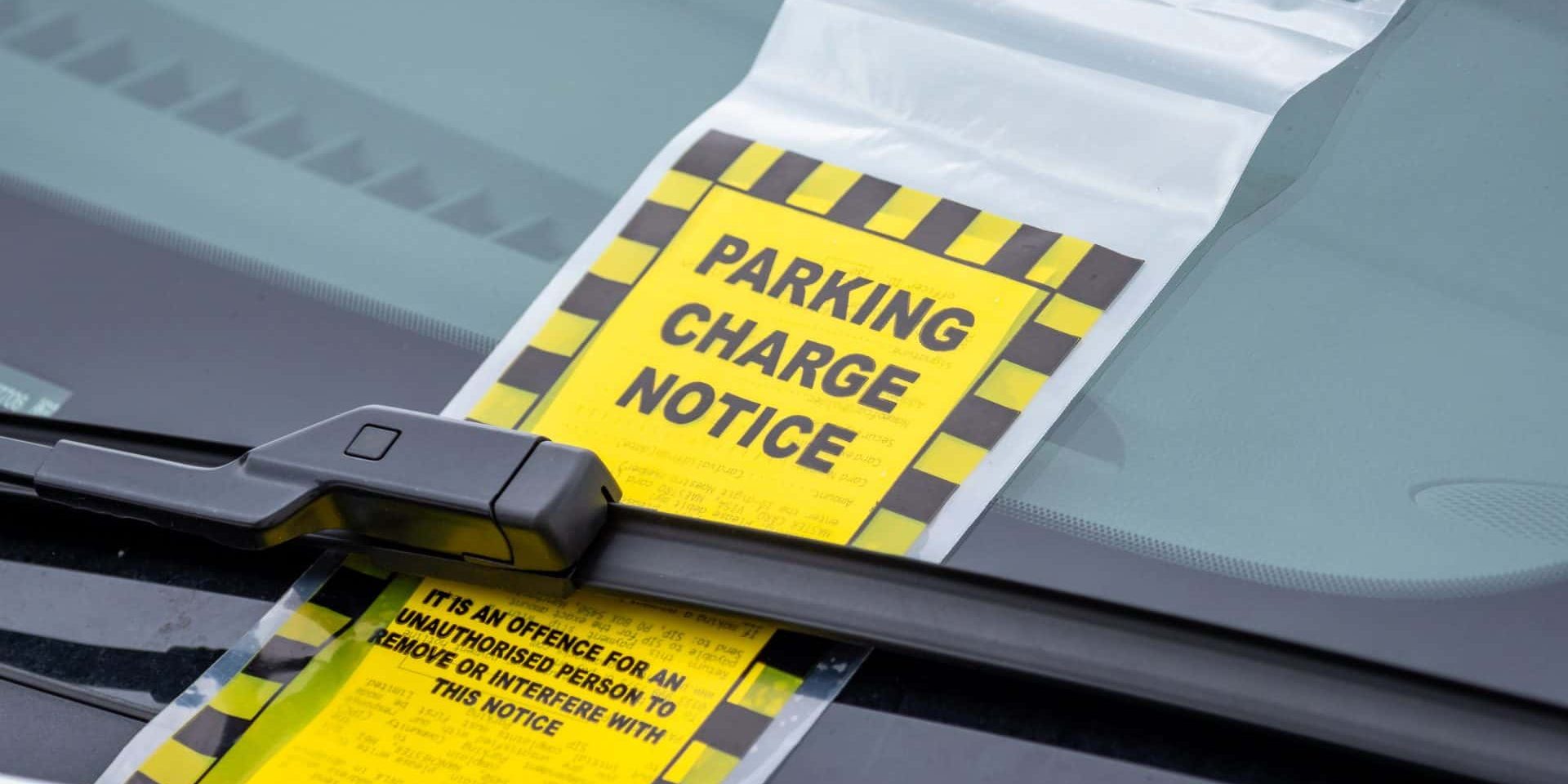
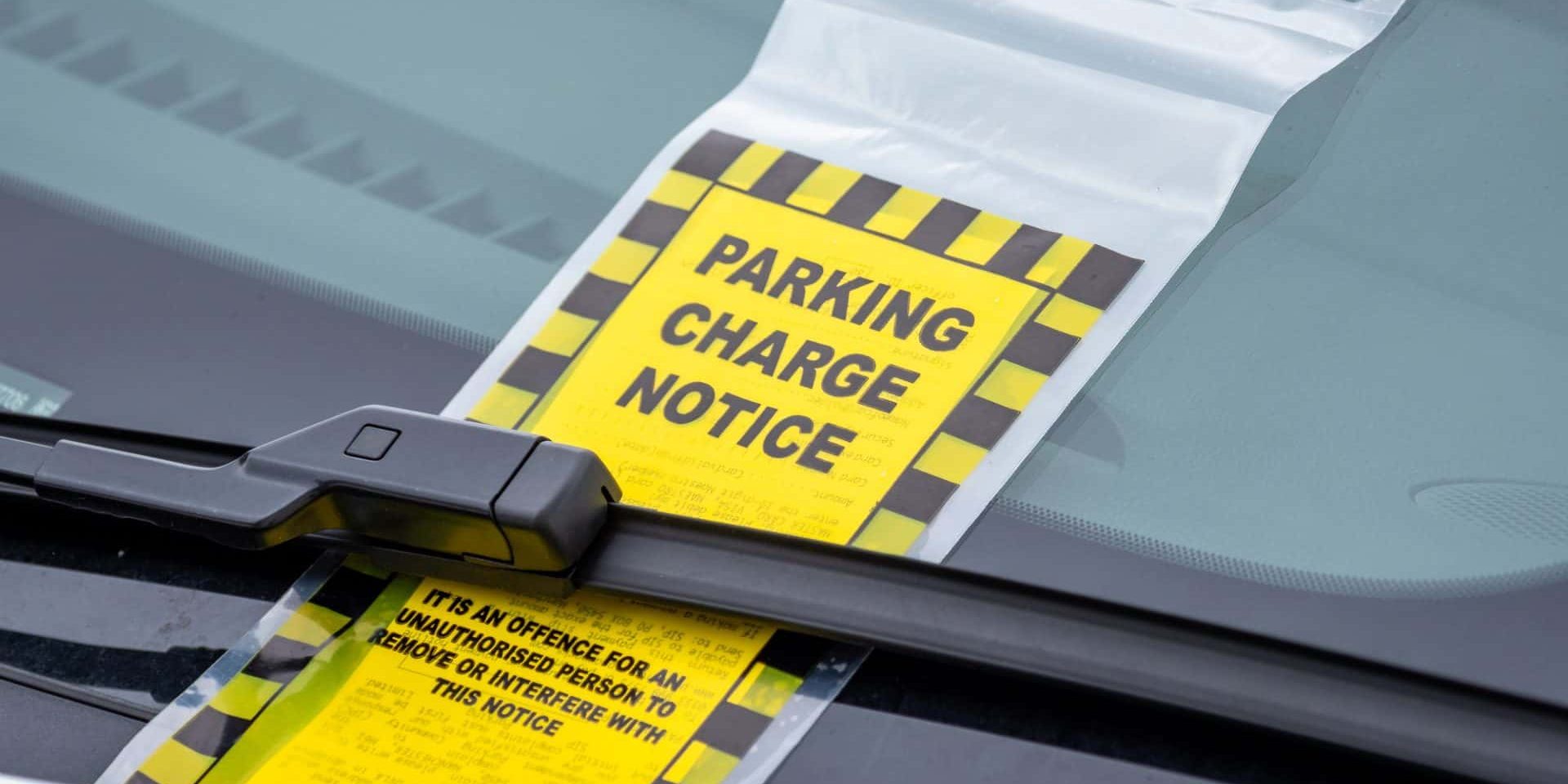
Drivers fined for breaching six Low Traffic Neighbourhood schemes in Croydon between 30 March 2024 and 4 March 2026 can now apply for a full refund. The route was opened by a damning High Court judgement on 4 March 2026, which found Croydon Council’s primary motivation for making the LTNs permanent was not air quality or pedestrian safety but the protection of fine income. The council pocketed £7.2 million from the schemes during the two year period, and the council’s annual budgeted fine income from this source was estimated at £2.5 million. The court quashed the relevant traffic orders and the council has now opened an online refund portal at croydon.gov.uk for affected drivers.
The judgement is significant beyond Croydon. It is the first time a High Court has quashed permanent LTN orders on the basis that fine revenue was the dominant purpose, and it is widely expected to be cited in legal challenges against similar schemes elsewhere in England. For drivers across London and beyond who have paid Penalty Charge Notices in suspect LTN zones, the case is both a precedent and a practical opportunity to recover money that was unlawfully demanded.
What The High Court Decided
On 4 March 2026, Mr Justice Pepperall handed down a 100 page judgement against Croydon Council. The case had been brought by local residents and campaigners who argued the council’s decision in February 2024 to convert six covid era LTNs into permanent schemes was unlawful. The Court agreed.
In his ruling Mr Justice Pepperall wrote that he was “satisfied on the balance of probabilities that the dominant purpose for these orders making the schemes permanent was the need to safeguard the revenue raised by enforcement”. The judgement quashed the February 2024 decision and the experimental traffic regulation orders that flowed from it. The schemes covered Addiscombe, Broad Green, Crystal Palace and Upper Norwood, Holmesdale Road, Old Town and South Norwood.
The financial figures behind the ruling were eye watering. Between March 2024 and February 2026 Croydon collected £7,210,328 in fines from these six LTN schemes, equivalent to roughly £300,000 a month. The council had budgeted £2.5 million a year in fine income on a permanent basis. Estimated total exposure for refunds, including administrative costs, has been put at up to £10 million.
The judgement does not affect Penalty Charge Notices issued before 30 March 2024, because the court did not quash the earlier experimental orders that covered the LTNs while they were operating as covid emergency measures. Anyone who was fined under those earlier emergency orders has no claim under this ruling. The refund window is specifically for fines issued between 30 March 2024 and 4 March 2026, the dates the permanent orders were in force.
How To Claim Your Refund
Croydon Council has set up an online portal at croydon.gov.uk for drivers to submit refund requests. You can also use the council’s dedicated form at forms.croydon.gov.uk. The council says it is attempting to contact affected drivers by email where it has up to date contact details, but the safest approach is to claim proactively rather than wait.
You will need the PCN reference number and the vehicle registration that was on the notice. If you no longer have the original paperwork you can request a copy from the council by quoting the date and approximate location of the offence. Bank details for the refund payment are also required, so the money can be paid directly to you.
The council aims to process and pay refunds within 14 to 28 days of a successful claim. Refunds will cover the full amount paid, including the discounted amount of £65 if you paid within 14 days, or the standard £130 if you paid later. Some PCNs went up to £160 if they were referred to bailiffs, and the full amount paid in those cases will also be refunded.
Mayor Jason Perry confirmed in a statement that “residents who received a penalty notice whilst the schemes were in operation will be able to claim refunds”. His office has acknowledged the council is working through a backlog and that some claims may take longer than the 14 to 28 day target, particularly older PCNs where verification needs to go through historical records.
You do not need a solicitor and you do not need to pay a claims management company. The process is administrative, not a legal action, and you are not required to argue your case. The council has been ordered by the court to refund all the fines it issued during the relevant period, and your only job is to identify yourself as a person who was fined.
Why This Ruling Matters Beyond Croydon
This is the first time a High Court has quashed permanent LTN orders on the basis that revenue protection was the dominant purpose. That is a legal test that focuses on the decision making process, not on whether LTNs in general are good or bad policy. The Court did not rule LTNs unlawful. It ruled that the way Croydon decided to make these particular schemes permanent was unlawful, because the council prioritised income over the proper assessment of traffic, air quality and public benefit.
That distinction is important for drivers in other parts of London and the wider UK. Several other councils, including Lambeth, Hackney and Ealing, have operated LTNs that have generated similar levels of fine income. Campaign groups have begun reviewing the decision making behind those schemes to see whether the same Pepperall test could be applied. If a council can be shown to have made its permanent traffic order primarily to safeguard revenue, that decision can be challenged. The threshold is high. Campaigners have to obtain internal council documents through Freedom of Information requests, often after costly legal disputes, to demonstrate revenue motivation.
Inside Croydon, the local news site that has covered the schemes from the start, reported that £2.5 million of budgeted annual income from the LTNs was lost when the schemes were withdrawn. The council also faces compounding administrative costs. The combined liability is around £10 million on a council that has been operating under section 114 financial restrictions since November 2020 because of its earlier insolvency. The financial position of the borough is therefore highly relevant context.
What Drivers Elsewhere Should Watch
If you live in another part of London or in a city with active LTNs, three things from the Croydon judgement are useful to know. The first is that traffic regulation orders, both experimental and permanent, can be challenged through judicial review if you can show the decision making process was flawed. The second is that internal council documents, including officer reports and member emails, can become relevant evidence in such challenges and are obtainable through FOI requests. The third is that the time limit for judicial review is short, normally six weeks from the date of the decision, so action needs to be rapid.
For drivers who are fined while an LTN is operating but later quashed, the position depends on when the underlying order was made and when the fine was issued. PCNs issued under an experimental order that is later replaced by a permanent order survive only if the permanent order itself survives. If the permanent order is quashed, the fines fall with it for the period the permanent order was in force.
It is also worth checking the current status of any LTN you have been fined in. Some experimental orders expire automatically after 18 months unless made permanent. Any PCN issued after the expiry date is unenforceable. Several recent cases, including Southwark’s expired bus lane on Lower Road which refunded drivers over £100,000 of fines, have turned on this technical point.
What To Do If You Were Fined Outside The Croydon Window
If your PCN was issued before 30 March 2024 under the original covid era experimental orders, the Court did not quash those orders and you have no automatic right to a refund. You can still appeal in the usual way through the Traffic Penalty Tribunal if you have grounds, but the LTN court ruling does not directly help.
If your PCN was issued after 4 March 2026, again the court ruling does not apply, because the orders ended on that date. There should not be any post 4 March fines, because the council has removed the cameras and signage. If you have received a fine for an alleged breach after that date, you should immediately challenge it on the basis that no valid traffic regulation order was in force.
If you paid an LTN fine in another borough or city and you believe the scheme may have been operated unlawfully, you can ask the council for the underlying decision documents through an FOI request. Campaign groups, including The Local Government Lawyer and 20’s Plenty for Us, are tracking similar cases and publishing decisions that may be useful.
The Wider Picture
Croydon’s outcome has rapidly become a national story. It shows that councils which use enforcement income as the primary justification for permanent traffic restrictions can be successfully challenged through the courts. It also shows that the practical consequences for a council that loses such a case are severe, including refund obligations, lost future income and reputational damage. Other councils that have not been challenged are now likely to review their own internal documents to ensure they could withstand the same scrutiny.
For now, the Croydon refund window is open. If you were fined in any of the six quashed LTNs between 30 March 2024 and 4 March 2026, you can submit a refund claim today through croydon.gov.uk or via the form portal at forms.croydon.gov.uk. The 14 to 28 day target for processing means most claims paid in the next month should land before the summer. With over 9,000 affected PCNs across the schemes, the council is processing a substantial backlog, but the legal position is clear. Drivers are owed their money back.
Sources:
- Croydon low traffic neighbourhoods (LTNs) penalty refund request, Croydon Council
- Low traffic neighbourhood (LTN) penalty charge refund request, Croydon Council forms portal
- High Court judge orders end to Croydon’s unlawful LTNs, Inside Croydon
- Croydon Council illegally created six LTNs to pocket millions of pounds from motorists, GB News
- London council made £7 million from six LTNs later ruled unlawful by the High Court, LBC
- Drivers to be refunded after Low Traffic Neighbourhood £160 cash grab ruled illegal, GB News

Leave a Comment
More in News

How to Remove Moisture From Inside Your Headlight Before It Costs You £500
What Red and Amber Warning Lights Actually Mean (and Which Fail an MOT)

How to De-Ice Your Windscreen Fast Without Cracking It (and Staying Legal)

New Cars Face Euro 7 Rules From 29 November With a £264 Price Rise
What the Traffic Penalty Tribunal’s 33 Percent Success Rate Means for Every Driver
Trending on Motoring Chronicle

How to Remove Auto Window Tint

BYD FLASH Charging Adds 223 Miles in Five Minutes, UK Debut in DENZA Z9 GT

What Your Engine Management Light Actually Means (and Whether You Can Keep Driving)

Lamborghini few-offs: when a rarity turns into a passion