
UK New Car Market Posts Best May Since 2019 as Private Buyers Return
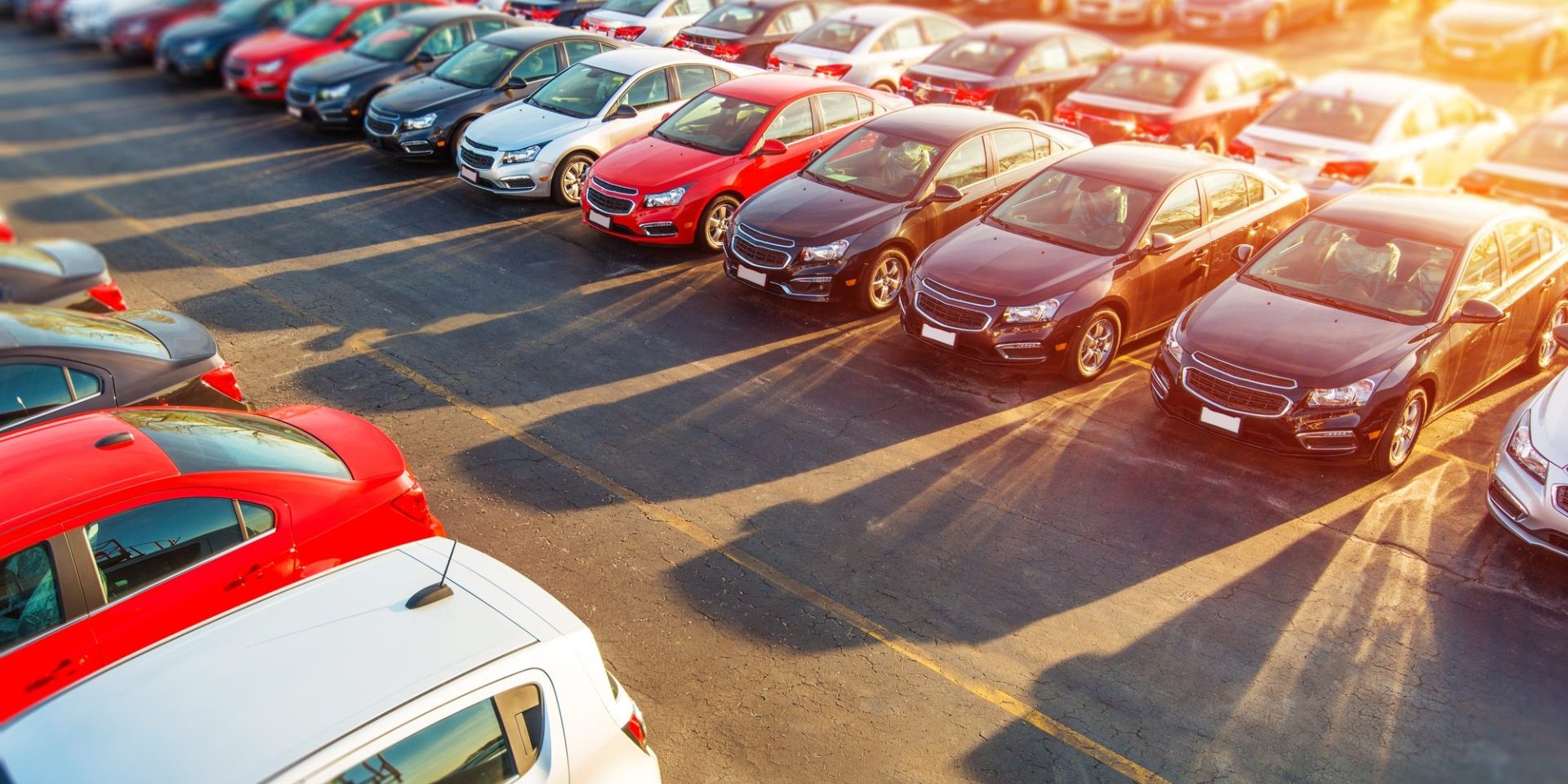

Britain’s new car market had its strongest May since before the pandemic, and the reason should interest anyone thinking about a purchase: buyers are being courted with more choice and keener deals than they have seen in years. Registrations rose 7.1% to 160,662 cars last month, the best May result since 2019, according to the latest figures from the Society of Motor Manufacturers and Traders.
The standout detail is who did the buying. Private demand jumped 17.2% as households responded to competitive offers and a wider range of models, including a fast-growing list of electric cars. For a shopper, that combination of choice and discounting is the part worth paying attention to, because it shapes how far a budget stretches right now.
A Stronger May for Showrooms
At 160,662 registrations, May was up 7.1% year on year, though the market still sits 12.6% below where it stood before the pandemic. The recovery was led by private buyers rather than fleets, with retail registrations climbing 17.2% while fleet demand grew more modestly.
The SMMT credits two forces. The first is choice: model availability rose 6.4%, including a 25.6% increase in battery electric products so far this year. The second is price. Manufacturers have been discounting heavily, particularly on electric cars, to keep sales moving and to chase demanding sales targets. For buyers, the upshot is a market where dealers are working harder to win a signature.
Electric Cars Lead the Growth
The shift towards electrified models continued to reshape what people are driving home. Petrol and diesel registrations fell 7.1% and 2.2% respectively, while every electrified category grew. Hybrid uptake rose 1.8%, plug-in hybrid deliveries grew 23.9% to take a 13.8% share, and battery electric registrations climbed 34.2% to reach 27.3% of the market, the highest share recorded so far in 2026.
Some of that electric growth is being bought with discounts. The SMMT points to sustained manufacturer price cutting as a significant driver of demand, alongside the Government’s Electric Car Grant, which has helped tempt buyers who might otherwise have waited. Grant-eligible cars such as the Kia EV4 show how quickly the savings can add up when a model qualifies for the full top-up. The breadth of choice now on sale is a story in itself, with the number of electric models on the UK market having grown from a handful to well over a hundred in a decade, as we covered in this look at the past ten years.
The Target Gap and What Comes Next
Despite the momentum, the switch to electric is running behind the official timetable. Battery electric cars took 27.3% of the market in May, but across the year so far they account for 23.9%, short of the 33% the rules require for 2026. Manufacturers can lean on various flexibilities to stay compliant, but the gap between the mandated trajectory and what buyers are actually choosing is adding cost and pressure across the industry.
That tension is set to grow. In the seventh Carbon Budget published this week, the Government set out an ambition for electric vehicles to make up 95% of the new car and van market by 2030, well beyond the current mandate of 80% for cars and 70% for vans. Tripling electric demand in three years looks unlikely under present conditions, which is why the trade body is pressing for a review.
Mike Hawes, SMMT Chief Executive, said: “Britain’s car buyers are responding to a market offering more choice than ever, from both new and familiar brands, resulting in a robust May. The EV transition is progressing, but consumer uptake still lags behind even today’s targets, let alone the ambition set out in the latest Carbon Budget. While industry shares the long-term ambition, the pathway to Net Zero must be credible. It cannot come at the cost of lost competitiveness and deindustrialisation. A review of the transition is now urgent to ensure ambition matches market realities and we have a sustainable path to road transport decarbonisation.”
For buyers, the practical message is simpler than the politics. A growing menu of models and a wave of discounting, especially on electric cars, make this one of the more competitive moments to be shopping in recent years. As ever, the value is uneven across segments, with some body styles such as the coupe shrinking and holding their used prices while mainstream electric cars get cheaper to buy.

Leave a Comment
More in News

How to Jump Start a Car Safely (and What a New Battery Costs)

Every Driver Gets Five Minutes Grace as Government Freezes Parking Charges at £100

How a Pothole Claim Now Costs UK Drivers £5,380 on Average This Year

Every Electric Car Driver in London Could Pay TfL Up to £3,780 a Year

What a Flashing Engine Management Light Means Before a £700 Catalytic Converter Bill
Trending on Motoring Chronicle

Jeep drivers have the most hands-on approach to DIY car maintenance
Why Rural Scottish Drivers Are Paying £2.17 a Litre as Forecourts Close and Queues Stretch for Miles

100 days to go: custom Defender carries official trophy for Women’s Rugby World Cup countdown [Photo Gallery]
