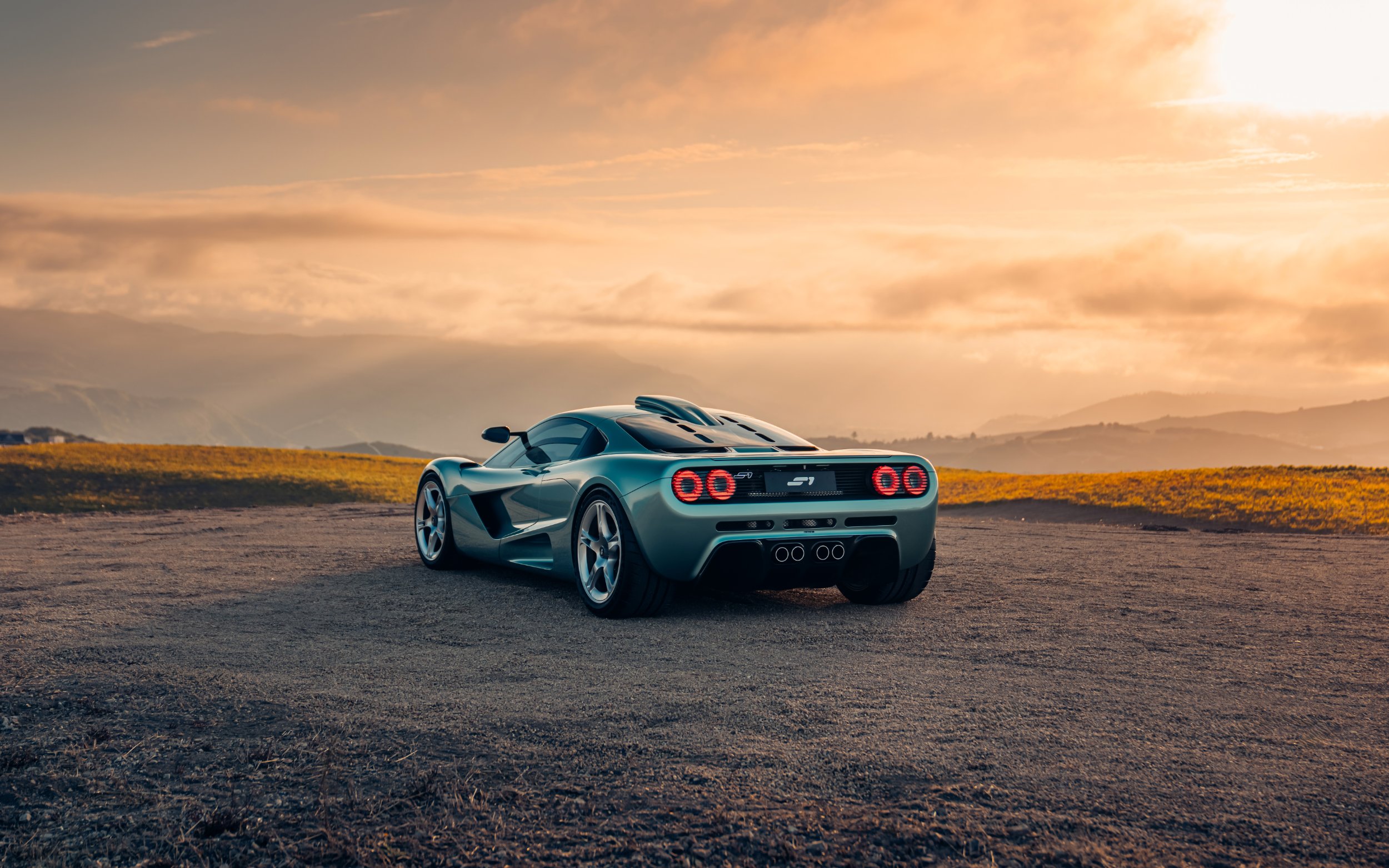
Mitsubishi’s New Eclipse Sportback EV Can Fast-Charge to 80% in 35 Minutes


Mitsubishi released the first charging details for its next electric vehicle, the 2027 Eclipse Sportback, ahead of a fall 2026 launch across North America. The subcompact electric SUV will fast-charge from 10% to 80% in about 35 minutes at a public DC charger, and every version comes standard with a NACS port, the plug format Tesla created and most other automakers have now adopted for access to the Supercharger network.
The Eclipse Sportback carries a 75-kWh, liquid-cooled lithium-ion battery pack that can accept up to 150 kW at a fast charger. For home charging or slower public stations, a second port using the SAE J1772 standard handles Level 1 and Level 2 charging. Mitsubishi has not yet released pricing, trim details or an EPA range estimate, saying only that more information is coming before the vehicle goes on sale.
Built on Nissan’s New LEAF Platform
The Eclipse Sportback is not a Mitsubishi design from the ground up. It comes from Nissan Motor Co., Mitsubishi’s partner in the Renault-Nissan-Mitsubishi alliance, and shares its underpinnings with the redesigned 2026 Nissan LEAF. The two battery packs match at 75 kWh, and the charging figures line up too: Nissan’s version of the same pack also fast-charges from 10% to 80% in 35 minutes and taps into more than 20,000 Tesla Superchargers through its own NACS port. The Nissan LEAF’s 75-kWh pack is rated at up to 303 miles of EPA range, which gives a rough sense of what Mitsubishi’s version might deliver once the smaller SUV’s size and aerodynamics are factored in, though Mitsubishi has confirmed no official range figure of its own.
Why the Charging Plug Is a Big Deal
NACS access counts for a lot more than it did even two years ago. Tesla’s Supercharger network has kept growing while opening its doors to outside brands, and industry tracking through early 2026 shows non-Tesla networks now installing new NACS-compatible stalls at nearly twice the rate Tesla itself is adding them, a sign the format has become the default rather than a Tesla-only feature. For an Eclipse Sportback owner on a road trip, that means access to a charging network built out well beyond city centers, on top of whatever Level 2 charging a driver installs at home using the standard J1772 plug.
The 35-minute figure also holds up against the closest rivals. Chevrolet quotes 25 to 45 minutes for a 10% to 80% charge on the Equinox EV at up to 150 kW under good conditions, putting the Eclipse Sportback in the same range rather than ahead of or behind it. The bigger difference shows up in where drivers can plug in: NACS compatibility opens up Tesla’s dedicated charging stalls in addition to the CCS-based networks that older EVs still rely on.
Mitsubishi’s Return to Electric Cars
Mitsubishi sold the i-MiEV, one of the first mass-market electric cars in the US, more than a decade ago, then leaned on the Outlander PHEV plug-in hybrid rather than a full battery-electric model for most of the years that followed. The Eclipse Sportback marks the brand’s return to a pure EV in the US market and its first new nameplate under the “Momentum 2030” plan, a five-year push that Mitsubishi says will nearly double its US lineup by adding one new or heavily updated model every year through the end of the decade. An off-road-focused version of the Outlander SUV is due in early 2027, shortly after the Eclipse Sportback arrives.

That timing puts two very different Mitsubishi options side by side in dealer lots. The Outlander PHEV pairs a 22.7-kWh battery with a gas engine, giving owners up to 45 miles of electric-only range before the engine takes over, along with the flexibility to skip public charging altogether on long trips. The Eclipse Sportback drops the gas engine entirely and leans on its 75-kWh pack and NACS access to cover both daily driving and longer trips on battery power alone. Buyers choosing between the two will be trading the Outlander PHEV’s backup gas engine for the Eclipse Sportback’s larger battery and faster charging, a tradeoff that depends heavily on how often a driver can charge at home versus how far they typically drive between stops.
What’s Still Missing
Mitsubishi confirmed the exterior gets unique front and rear styling, distinct lighting signatures and the brand’s Triple Diamond badging rather than a reskinned LEAF, but held back photos of the finished production car. Pricing, trim walk, seating configuration and the official EPA range and horsepower figures are all still to come. Given the shared battery and charging hardware with the LEAF, expect Mitsubishi to price the Eclipse Sportback to compete directly with the LEAF itself, along with the Chevrolet Equinox EV, Hyundai Kona Electric and Kia Niro EV, the current default choices for buyers who want a compact electric SUV under $40,000.

Leave a Comment
More in News

Garage Complaints to the Motor Ombudsman Jumped 22 Percent as Payouts Hit £4,308

How Cap HPI Data Shows Some Used Electric Cars Losing 29 Percent of Value
POPLA Cancelled Nearly Half of 107,000 Parking Fines UK Drivers Challenged

What a Flashing Oil Pressure Light Means for Your Engine and How to React
Every UK Driver Can Force Council Pothole Repairs Using a Free 1980s Law
Trending on Motoring Chronicle

Used Car Complaints to the Motor Ombudsman Jumped 14 Percent Last Year

Road Damage Caused 71 Breakdowns Every Day in 2025 and 2026 Is Already Looking Worse

SV Bespoke for Range Rover Sport: the ultimate personalised luxury performance SUV [Photo Gallery]

Gas Prices Rise Again as Iran Ceasefire Uncertainty Pushes Crude Higher