
Why Indiana Drivers Are Paying the Cheapest Gas in America Through October 5
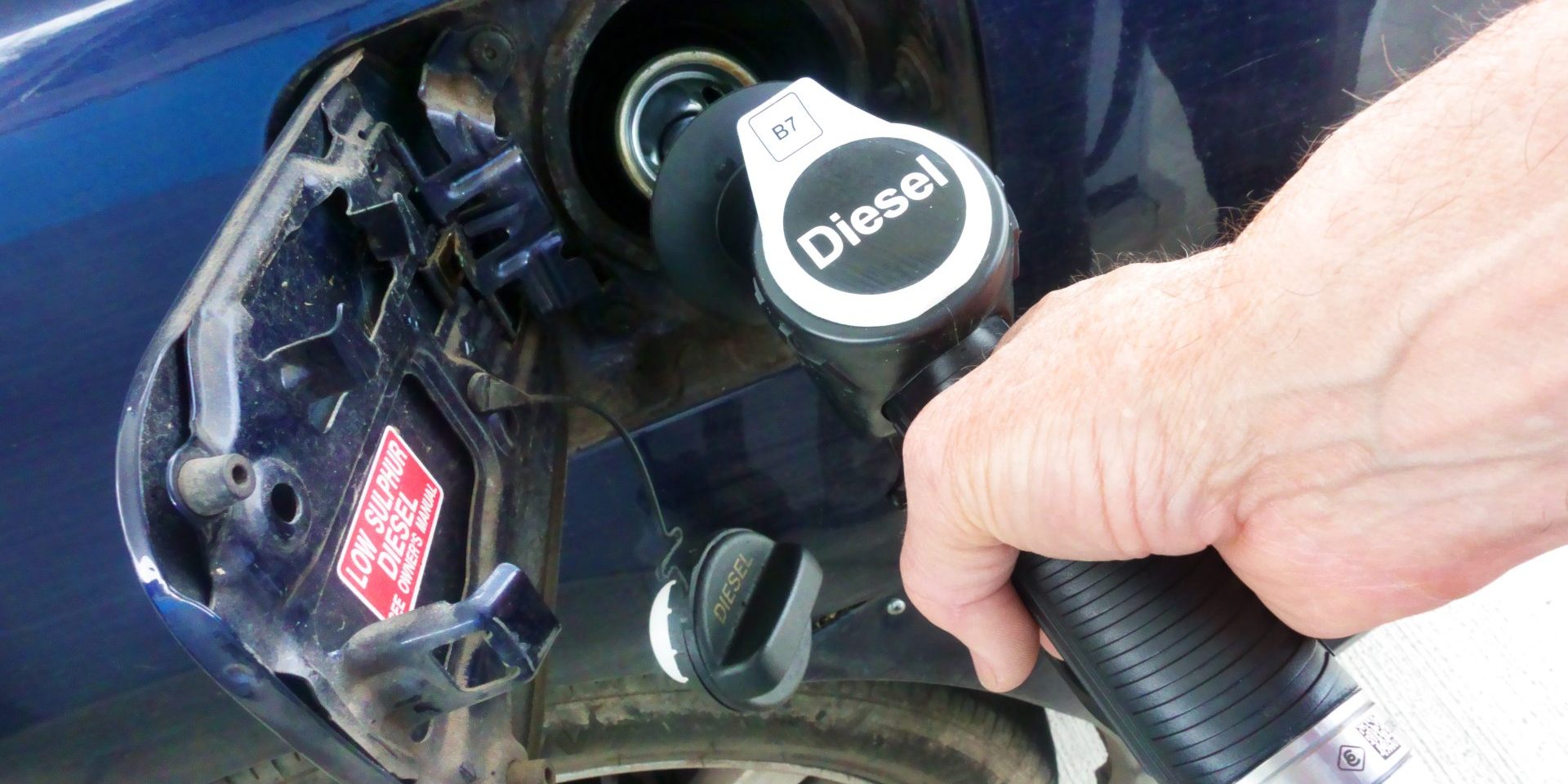
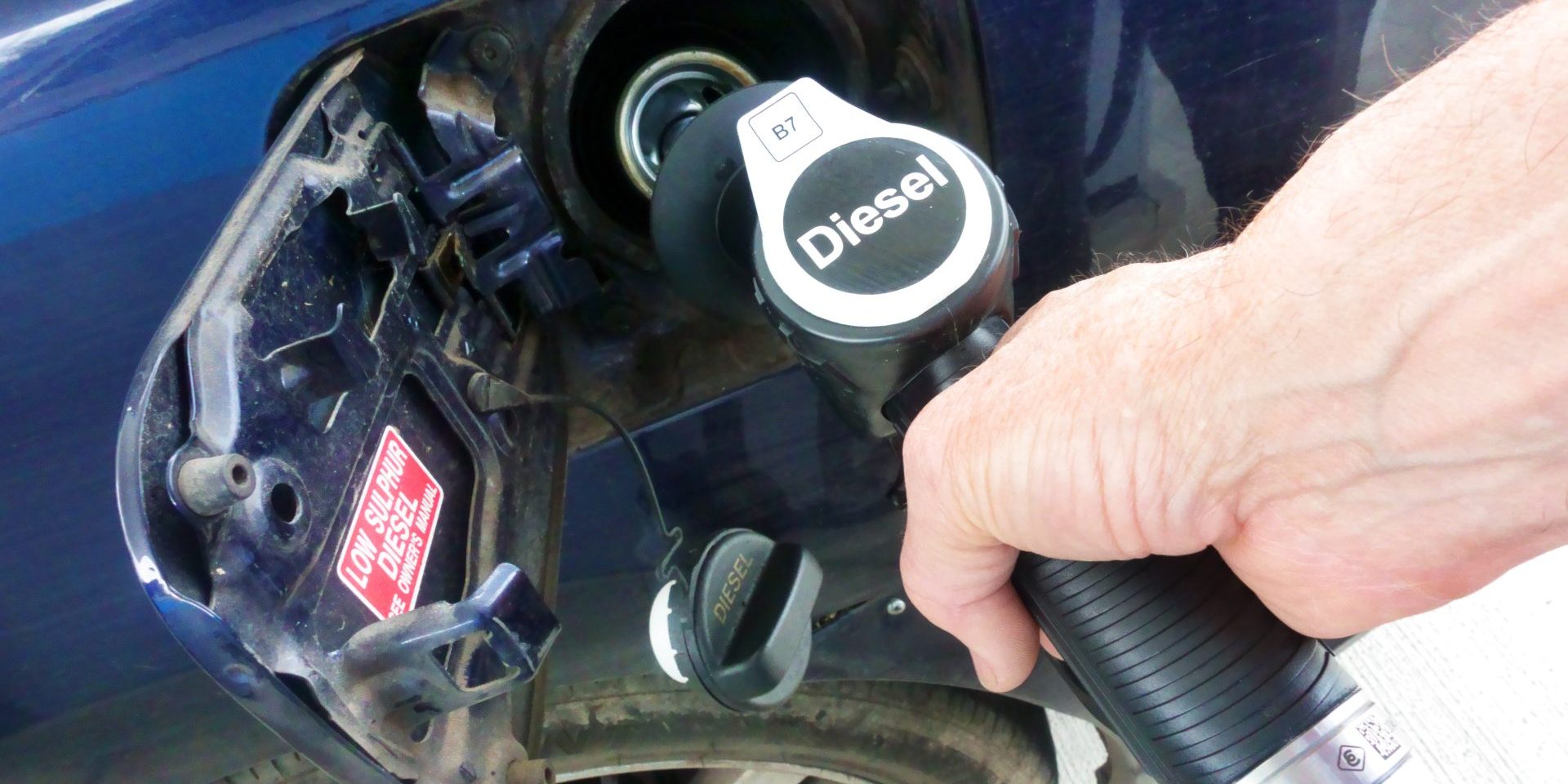
- Indiana Governor Mike Braun extended a statewide energy emergency on September 3, keeping both the Gasoline Use Tax and Gasoline Excise Tax suspended through October 5.
- The combined suspension removes 58.9 cents per gallon in state taxes, helping give Indiana the lowest average gas price in the country for most of the summer.
- The break has already run for months under repeated emergency declarations, and state road funding officials are warning that the lost tax revenue has to be repaid eventually.
A Fourth Extension Keeps Hoosier Gas Prices the Cheapest in America
Indiana drivers get another month of relief at the pump. Governor Mike Braun issued a new statewide energy emergency declaration on September 3, extending the suspension of Indiana’s Gasoline Use Tax and Gasoline Excise Tax through October 5. Combined, the two taxes total 58.9 cents a gallon, and their suspension has helped keep Indiana gas prices among the lowest in the nation through a summer when the national average pushed past $4 a gallon.
On August 5, Indiana’s average price for regular gas sat at $3.57 a gallon, well below the national average of $4.08 that day. Braun’s office has credited the tax suspension directly for the gap, and Hoosiers have paid noticeably less than drivers in neighboring Illinois, Ohio, Michigan and Kentucky for most of 2026.
How a Governor Can Suspend a Gas Tax Without the Legislature
Braun has used his emergency declaration authority repeatedly this year to keep the suspension alive rather than asking lawmakers to change the underlying tax code. Indiana law lets a governor declare an energy emergency and temporarily suspend certain fuel taxes, but that authority is not indefinite. Braun’s office confirmed his emergency powers under this specific declaration reached a 120 day limit earlier this summer, which forced him to issue an entirely new emergency declaration in August rather than simply extending the old one, and he has now done it again for September into October.
That legal maneuvering signals the suspension was never designed as a permanent fix. Indiana Capital Chronicle reported in July that any longer term continuation of the gas tax breaks would require the state legislature to act, as a governor’s emergency authority cannot substitute indefinitely for statutory tax policy. Lawmakers do not reconvene for the next regular session until January, leaving Braun’s emergency declarations as the only mechanism available to keep the suspension running through the fall.
Someone Still Has to Pay for the Roads
Gas tax revenue funds road construction and maintenance in Indiana, and months of suspended collection has left a hole in that funding stream. Braun’s administration has said the state will repay local governments for the gas tax revenue they would otherwise have collected while the suspension was in force, an acknowledgment that cities and counties depend on that money for paving and repair budgets. The mechanism for that repayment, and how long the state can sustain it, has not been fully detailed publicly.
Road funding advocates have flagged the tension building underneath the popular tax break. Each month the suspension continues adds to the eventual bill state or local governments will need to cover, whether through a lump sum repayment, a future tax adjustment, or reduced road spending elsewhere. Indiana drivers enjoying cheap gas this fall are effectively borrowing against future infrastructure spending, even if the state covers the immediate gap for local governments. County highway departments across Indiana rely on gas tax distributions to plan annual paving schedules, and several county engineers have said publicly that repeated short term extensions make long range budgeting difficult, as they cannot count on a stable revenue figure from one quarter to the next.
How Indiana Compares to the Rest of the Country
Indiana’s move stands apart from the national trend. Twenty six states changed their gasoline taxes between the start of 2025 and the start of 2026, and 19 of them raised rates rather than cutting them. Washington state added 6.2 cents per gallon and Michigan added 5.2 cents, moves that pushed those states further from Indiana’s suspended-tax approach rather than toward it. New Jersey raised its gas tax by 4.2 cents per gallon, climbing to the seventh highest rate in the country.
That divergence counts for Indiana border communities. Drivers in cities like Evansville, Fort Wayne and the Chicago suburbs on the Indiana side of the state line have a direct financial incentive to fill up locally rather than crossing into Illinois or Ohio, where full gas taxes still apply on top of a higher regional average price. Fuel retailers along Indiana’s borders have reported a steady stream of out of state drivers taking advantage of the gap in the months after the suspensions began.
What Comes After October 5
Nothing about Braun’s pattern this year suggests October 5 will be the last extension. He has renewed the suspension multiple times over the course of the year, each time issuing a fresh emergency declaration once the prior one hit its legal limit. Indiana drivers budgeting for the rest of the year should watch for another announcement in late September or early October, as the governor has shown no sign of letting the full 58.9 cent tax rate return without a new justification for further relief.
For now, the practical guidance for Hoosier drivers is simple: the tax break is active through October 5, prices should remain among the cheapest in the country as long as it holds, and anyone planning a longer trip out of state should factor in significantly higher pump prices the moment they cross the border.
What It Actually Saves the Average Driver
For a typical Hoosier driving 12,000 miles a year in a vehicle averaging 25 miles per gallon, the 58.9 cent per gallon suspension works out to roughly $283 in avoided state gas taxes annually, assuming the break holds for a full year rather than the rolling month to month extensions Braun has actually delivered. For a two car household, that figure can climb well past $500. Families who commute across the state line for work, especially around Chicago’s south suburbs, Louisville and Cincinnati, see an even larger gap once the price difference on the other side of the border is factored in alongside the avoided state tax.
Small business owners running delivery fleets or service vehicles inside Indiana have described the suspension as a meaningful, if temporary, operating cost reduction, especially for companies running higher mileage commercial vehicles that consume far more fuel than a typical commuter car. None of those savings are guaranteed past October 5, which is why fleet managers and everyday drivers alike are watching Braun’s office closely for the next announcement.
Sources:

Leave a Comment
More in News

Do Cam Belts Really Need Changing Every 5 Years? The Number Nobody Published

How to Spot a Clocked Car (and What to Do If Caught Out)

What Dashcam Footage Actually Counts as Evidence (and the Rules on Sharing It)

Why Connecticut Is Adding Speed Cameras to School Zones Across the State

Toyota Recalls 30,978 RAV4 Plug-in Hybrids Over Sudden Power Loss Risk
Trending on Motoring Chronicle
Electric Car Drivers Can Now Charge for 59p a Unit at 600 UK Sites This Summer

Why 12 Million Drivers Owed a Car Finance Payout Now Face a Wait Until 2027

Mercedes-Benz USA Expands Lineup with new 2026 Mercedes-AMG E 53 HYBRID Wagon [Photo Gallery]
Learner Drivers Paid £37 Million to Fail Their Theory Test Last Year
