Why Your Car Won’t Start on a Cold Morning (and What Each Cause Means)
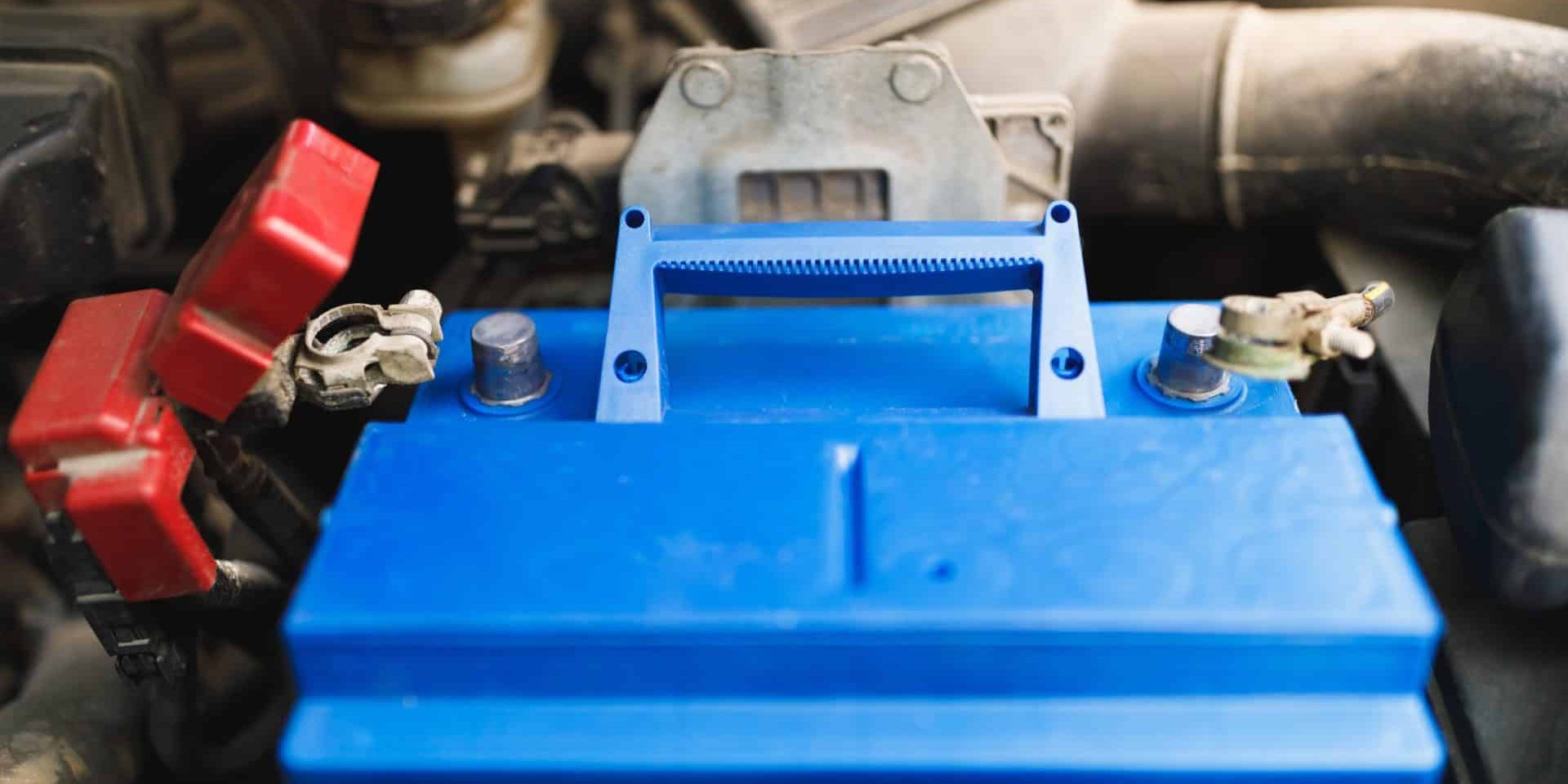
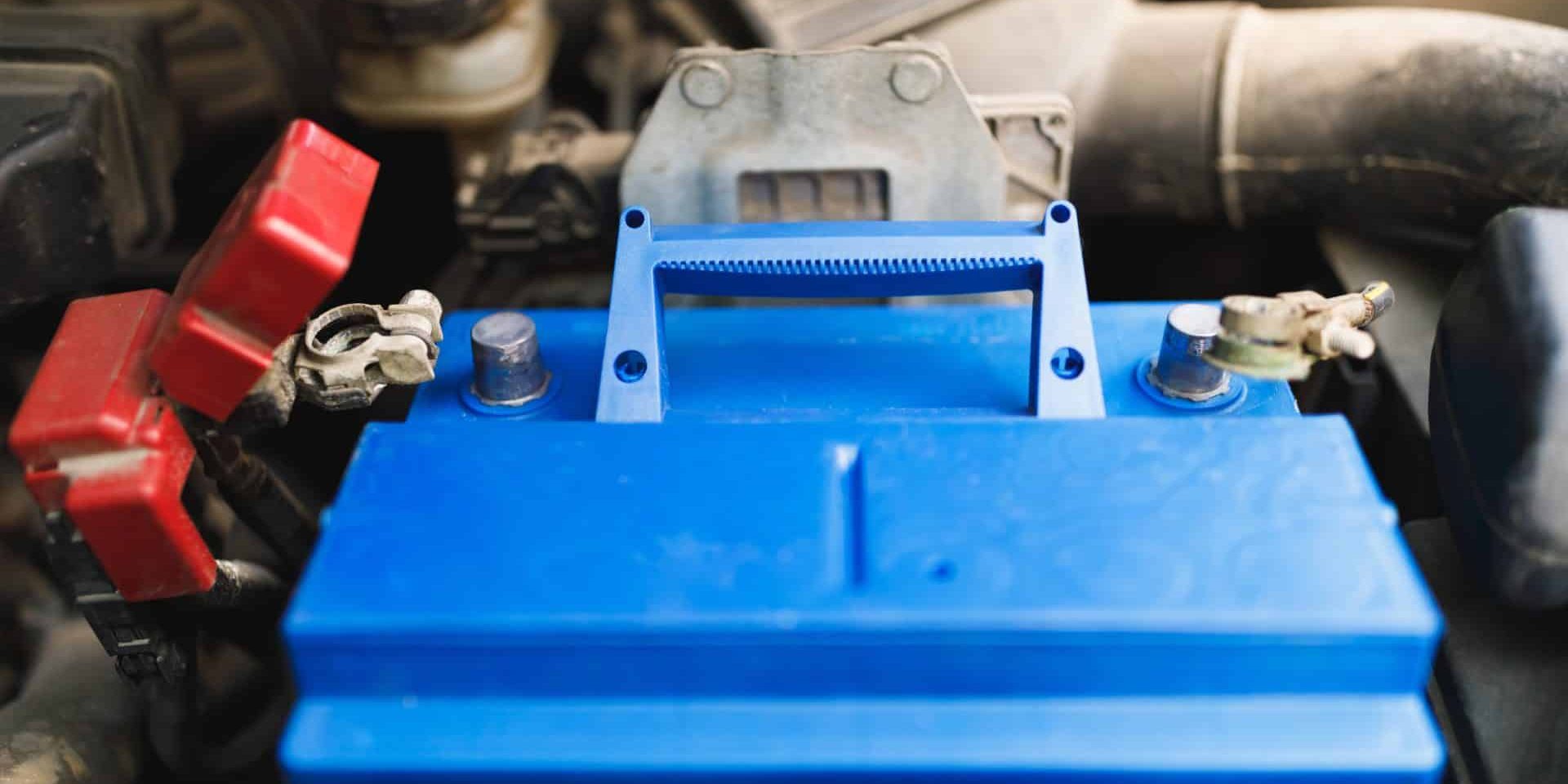
- A car that struggles to start on a cold morning is almost always down to one of four causes: a weak battery, thickened oil, condensation in the fuel or ignition system, or a fault the cold is simply exposing.
- Flat batteries are the single biggest cause of winter breakdowns, and RAC data shows they account for around a quarter of all callouts on the coldest days of the year.
- Most causes can be identified in under five minutes without a garage visit, and a genuine fault is far cheaper to fix in October than after it leaves someone stranded in January.
A Slow Start on a Cold Morning Is Rarely Random
The first cold mornings of autumn bring the first wave of cars that turn over slowly, splutter, or refuse to start at all. It feels random from the driver’s seat, but it almost never is. Cold weather does not create new problems in a car. It exposes ones that were already there, as starting an engine from cold demands more from every component involved, and a part that was coping in September can fail in the first proper cold snap of the year.
Four causes explain the overwhelming majority of cold-morning no-starts: a weakening battery, oil that has thickened in low temperatures, moisture in the fuel or ignition system, and pre-existing faults that cold weather simply brings to the surface sooner. Knowing which one is happening changes whether a driver needs a five-minute fix or a same-day trip to a garage.
The Battery Is the Most Likely Culprit
A car battery loses a meaningful share of its cranking power as the temperature drops, at the exact moment a cold engine needs more current to turn over than it would on a mild day. The RAC has said flat batteries have long been the single biggest cause of its breakdowns, with battery faults responsible for around a quarter of all callouts on the coldest days of the year. The AA sees the same pattern every winter, logging hundreds of thousands of battery-related callouts across January and February alone.
The warning signs usually appear before a battery fails outright. Headlights that look dimmer than usual at idle, an engine that cranks noticeably slower than it did a few weeks ago, dashboard lights flickering when the car is started, or electrical accessories behaving oddly are all signs a battery is on its way out. A battery is typically rated to last four to five years, and one already past that age is the most likely candidate for a cold-morning failure. Most auto parts retailers and garages will test a battery’s health free of charge in a few minutes, and doing that in October is far cheaper than a roadside callout in December.
Thickened Oil Makes the Engine Work Harder to Turn Over
Engine oil thickens as the temperature drops, and a colder, thicker oil resists movement through the engine more than a warm one does. That means the starter motor and battery have to work harder just to get the engine turning, on top of whatever load the battery is already carrying. A car running the correct grade of oil for its manufacturer’s specification handles this reasonably well even in a UK winter, but oil that is old, low, or the wrong grade for the vehicle makes a cold start noticeably harder. Checking the oil level and topping up with the correct grade, listed in the vehicle handbook, takes a few minutes and removes one variable before the temperature drops further.
Condensation and Moisture Cause Faults That Look Electrical
Overnight temperature drops create condensation inside components that are not fully sealed, and older spark plugs, ignition leads and distributor caps on petrol engines are especially prone to picking up moisture that disrupts the spark needed to start the engine. Diesel engines can suffer a related but different problem, as diesel fuel can develop wax crystals in extremely cold conditions that block filters, though this is far more common well into winter than in early autumn.
A car that turns over normally but will not fire, especially one that ran fine the previous evening and sat outside overnight, points toward moisture rather than a flat battery. Letting the car sit for a few minutes and trying again sometimes clears it, but a pattern of repeated damp starts is worth a garage visit before the ignition components fail completely.
When the Cold Is Just Exposing an Existing Fault
Sometimes a car that will not start in the cold has a fault that was always there but rarely mattered when temperatures were higher and the engine needed less from every component to start. A worn starter motor, a failing alternator no longer charging the battery properly, or a loose or corroded battery terminal can all sit unnoticed through summer and become obvious the moment the first cold morning demands more from the system. A battery that keeps going flat even after being replaced recently is a strong sign the alternator, not the battery, is the actual problem.
What to Check This Week, Before the Next Cold Snap
Check the battery terminals for a white or greenish crust, which indicates corrosion and a poor connection, and make sure both terminals are clamped tightly. Have the battery load-tested if it is more than four years old or has struggled to start the car even once already this autumn. Check the oil level and top up with the correct grade if it is low. Look at headlight brightness at idle with the engine running versus revved, as a noticeable dimming at idle can point to a charging fault. None of these checks require a lift or specialist tools, and all of them take less time than a single failed start on a morning with somewhere to be.
Drivers who have already noticed a battery warning sign can read the specific signs a car battery is about to die, and anyone whose dashboard has lit up with an unfamiliar symbol this autumn can check which warning light causes are serious enough to affect an MOT.
Diesel Drivers Face One Extra Risk as Temperatures Keep Falling
Diesel engines rely on fuel that can begin to thicken and form wax crystals once temperatures fall low enough, a process that clogs fuel filters and can stop an engine starting even when the battery and starter motor are working perfectly. This is far more of a concern in the depths of winter than in the first cold mornings of autumn, but diesel drivers who park outside overnight are worth flagging early, as supermarket and forecourt fuel in the UK is formulated to resist this down to typical winter temperatures rather than the more extreme cold snaps that occasionally arrive with an Arctic weather system. A diesel that starts fine on a mild morning but struggles noticeably once the temperature drops below freezing is showing a classic sign of fuel-related cold starting trouble, and running the tank down and refilling with fresh winter-grade diesel is usually enough to clear it.
What a Battery Replacement Actually Costs
A standard replacement battery for a typical family car costs in the region of £80 to £150 fitted at a garage or fast-fit centre, rising toward £250 or more for vehicles with larger batteries or those supporting stop-start systems and extensive onboard electronics. That is a modest outlay compared with the cost of a roadside recovery callout, a missed appointment, or a battery that fails somewhere less convenient than a driveway. Replacing a battery proactively once it shows two or more of the warning signs above, rather than waiting for it to fail completely, is one of the cheapest pieces of preventative maintenance available to any driver heading into the colder months.
Sources:

Leave a Comment
More in News
What Makes a Number Plate Illegal in the UK (and the £1,000 Fine)

Why Gas Prices Are Falling From Their October Record High
Mercedes Recalls 30,000 Maybach and S-Class Models Over Failing Brake Hoses

How to Clear a Musty Car AC Smell Before It Costs a £300 Repair

14 Percent of Keyless Car Owners Faced a Relay Theft Attempt, DVLA Data Shows
Trending on Motoring Chronicle

New Driving Test Booking System Piloted in Durham as Waits Stretch Past Five Months

How California’s New Car-Buying Law Ends Hidden Dealer Fees Starting in October
Renewing Car Insurance on the Day Cover Ends Costs Drivers £331 More, MoneySupermarket Shows
Councils Banked Over £80 Million in Bus Lane Fines as Camera Penalties Surge