Hyundai Recalls 5,360 Ioniq 9 SUVs After a Child’s Death in a Similar Seat
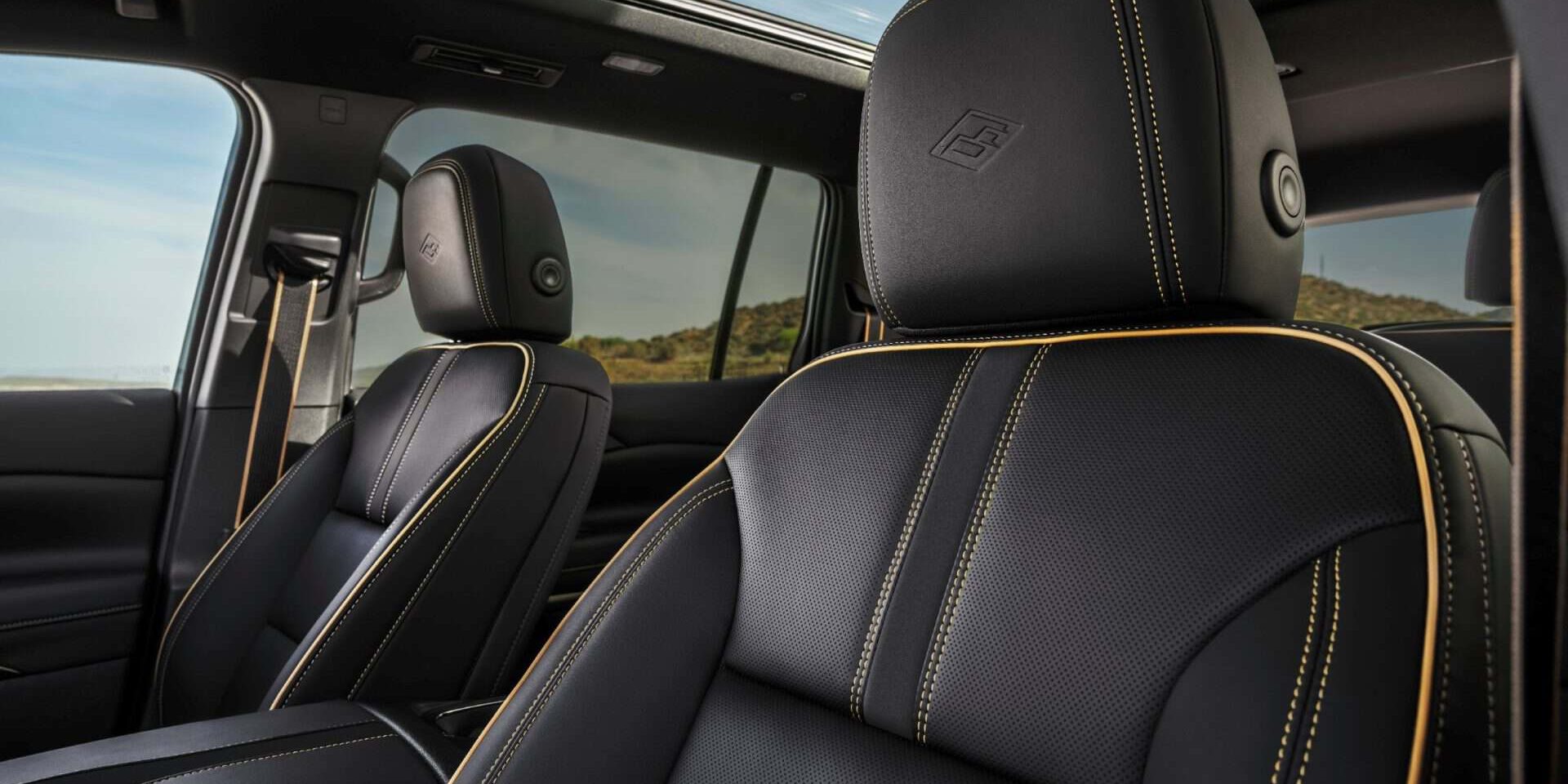
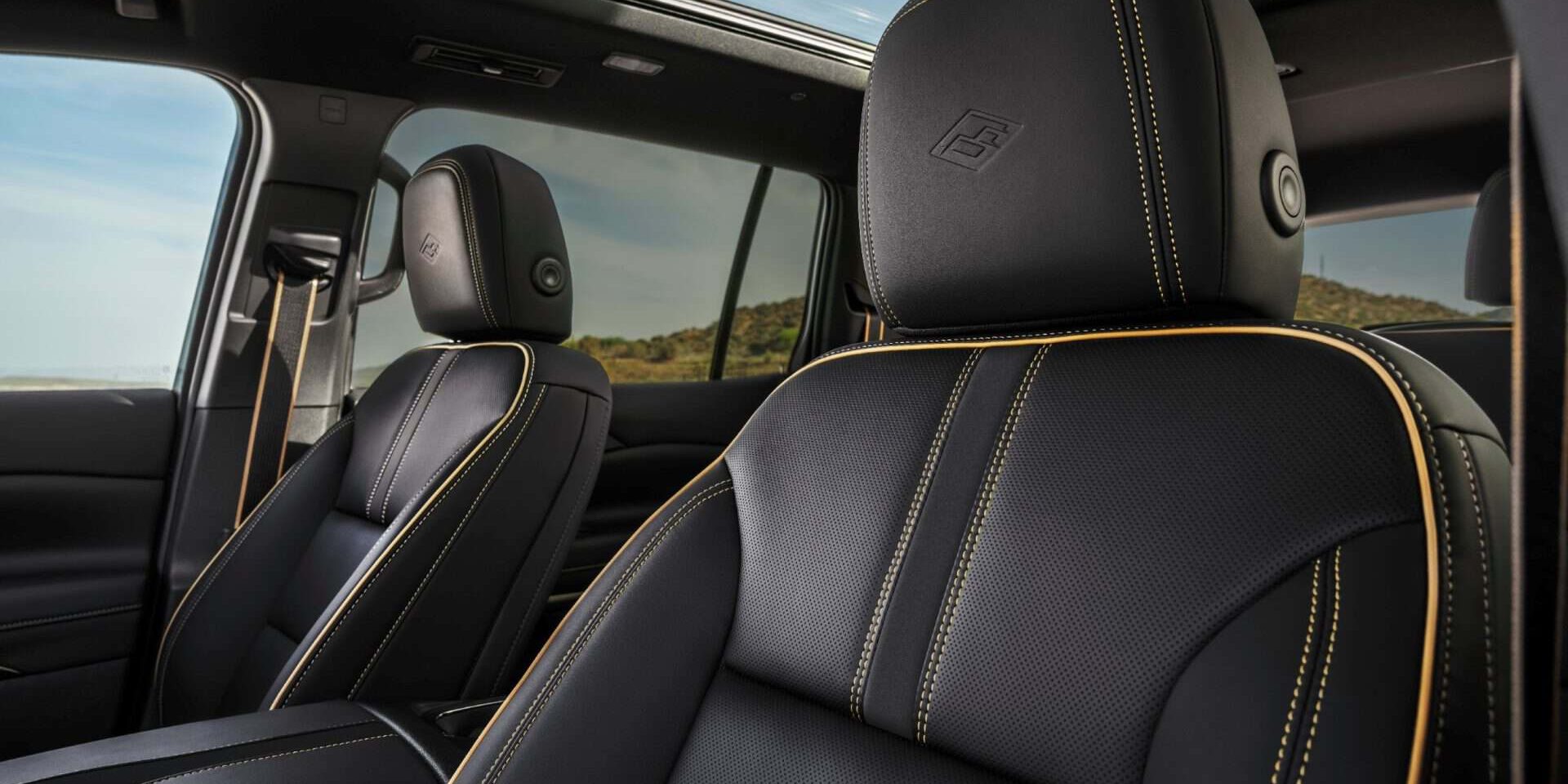
- Hyundai has recalled 5,360 2026 Ioniq 9 SUVs: the power-folding second-row seats can keep moving even when a person or a child is caught in the way.
- The recall follows a child’s death in a 2026 Hyundai Palisade with the same seat design, a case that already triggered a 61,000-vehicle Palisade recall and a related Kia Telluride recall.
- Owners should keep children away from the second-row power seat controls until Hyundai’s software fix arrives, and can check their VIN at nhtsa.gov/recalls right now.
A seat that doesn’t know a body is in its way
The power-folding second-row seats in the 2026 Hyundai Ioniq 9 will fold, slide, or recline on command, and they will keep doing it even when a hand, a leg, or a child’s torso is caught in the mechanism. Hyundai’s own safety filing puts the flaw plainly: the seat controller doesn’t reliably detect an occupant, so the seat “may continue to move” instead of stopping as it folds or reclines. NHTSA logged the recall as campaign number 26V588000 on September 16, 2026, and it covers 5,360 Ioniq 9 SUVs in Limited, Calligraphy, and Calligraphy Design trims from the 2026 model year.
This one didn’t come from a lab test. It came from a death. A two-year-old was killed earlier in 2026 in a 2026 Hyundai Palisade equipped with the same power-folding seat architecture, in a crash that had nothing to do with the seat until investigators traced the injury to it. Hyundai stopped sales of the Palisade on March 13, 2026, and recalled roughly 61,000 of those SUVs. Kia, which shares platform engineering with Hyundai under the same parent company, followed with a smaller recall of 568 2027 Telluride Hybrid SUVs carrying the Executive Package, filed under campaign SC366 with notification letters going out May 19, 2026. The Ioniq 9 recall is the third vehicle line pulled into the same defect pattern in six months.
What actually went wrong, and when Hyundai found out
Hyundai’s timeline, laid out in its NHTSA defect filing, shows the company knew about the seat issue well before it acted on the Ioniq 9. Hyundai became aware of the underlying problem on March 10, 2026, around the same time it pulled the Palisade from dealer lots. NHTSA’s Office of Defects Investigation met with Hyundai engineers on August 14, 2026, to review the automaker’s own testing data. The recall determination for the Ioniq 9 followed on September 2, and Hyundai filed the paperwork with the agency two weeks later.
The fix, when it arrives, will be software rather than a physical part swap. Hyundai’s remedy plan calls for dealers to inspect the seat controller’s software version and update the logic that governs the rear power seat functions. Some Ioniq 9 owners will get the update over the air; others will need a dealer visit. Until the fix is installed, Hyundai’s own language to owners is a warning, not a repair: “Exercise caution when operating the 2nd row power-folding seat functions, to ensure that occupants, especially children, are not in the seat or seat-folding area during operation.”
Why power seats need their own federal safety rule and mostly don’t have one
Federal vehicle safety standards regulate a long list of pinch and entrapment hazards. Power windows fall under FMVSS 118, which requires them to reverse when they meet resistance. Power seats have no equivalent standard written specifically for them. A folding or reclining seat is treated, for regulatory purposes, more like a general moving part than a window, which means the anti-pinch logic in any given seat is an engineering choice by the automaker rather than a federal mandate with a test procedure attached. That gap is exactly what NHTSA’s Office of Defects Investigation is now probing in the Hyundai-Kia case: whether the seat’s occupant-detection logic met a reasonable safety standard even without a specific rule requiring one.
Recalls tied to child safety draw extra scrutiny from regulators. NHTSA can and does order manufacturers to expand a recall’s scope after the first fix proves inadequate, and the agency has done this before with seatbelt buckles, power window switches, and trunk latches once real-world injury data contradicted a manufacturer’s original risk assessment. Three vehicle lines from two brands sharing one defect, discovered only after a fatality, is the kind of pattern that keeps a recall open for months while engineers refine the remedy and regulators watch for a fourth or fifth affected model.
What to do if you own one of these vehicles
Enter your VIN at nhtsa.gov/recalls or call the NHTSA Vehicle Safety Hotline at 1-888-327-4236 to confirm your Ioniq 9, Palisade, or Telluride is covered. Hyundai dealers will perform the software update at no cost once parts and calibration data are distributed to service departments; owners can also call Hyundai’s customer care line for a direct status check on their VIN. Kia Telluride owners with letters dated May 19, 2026, can reach Kia’s recall line at 800-333-4542.
Until the update lands, treat the second-row power controls the way you’d treat a running garage door: never operate them with a child, a pet, or your own limb anywhere near the seat back or the folding hinge. Fold and recline the seat only when you can see the entire mechanism clearly, and teach anyone else who drives the vehicle, whether a partner, a teenager, or a babysitter, the same rule. If your Ioniq 9 has third-row access that depends on folding the second row, plan for a manual workaround until the fix is installed rather than relying on the power function under time pressure.
This isn’t the first time power seats have hurt a child
Power seat entrapment is not a new hazard, and it is not unique to Hyundai. Consumer Reports and safety advocates have documented similar complaints for years involving minivan and SUV third-row access seats that fold or slide at the push of a button, often located on a side panel a child can reach from the back seat. Most of those complaints involved pinched fingers or bruised limbs rather than fatalities, which is part of why the hazard has stayed a manufacturer-level engineering decision instead of a federal standard. The Palisade death changes that calculus for Hyundai specifically, and it puts every automaker running a comparable power-fold design on notice that NHTSA is now looking closely at how these seats detect, or fail to detect, a person in their path.
What happens next
Hyundai has not published a firm date for when the software update will be available at dealers nationwide, which is typical for a recall filed within the past two weeks. Remedy rollout usually trails the initial filing by four to eight weeks while the automaker finalizes the calibration and trains service technicians. Owners will receive a first-class mail notification once their specific VIN is eligible for the repair. This is the third recall stemming from the same underlying defect, so it is worth watching whether NHTSA pushes Hyundai and Kia to review other models sharing the same seat supplier or control module, including any Kia or Genesis vehicles running comparable power-folding hardware not yet named in a filing.
The Ioniq 9 recall also lands as Hyundai works to rebuild trust in its three-row SUV lineup, which has carried the bulk of the automaker’s US sales growth over the past two years. A defect tied to a child’s death in a closely related model is the kind of story that follows a nameplate. How fast the software update actually reaches dealers, and how clearly Hyundai communicates with affected owners in the meantime, will shape how much of that reputational damage carries over to the newer, more expensive Ioniq 9.
Sources:

Leave a Comment
More in News

Dundee Council Issued 28,667 Parking Tickets and Lost 3,252 of the 6,205 Appeals

Edinburgh Council Issued 40,945 LEZ Fines and Cancelled 2,773 After Driver Challenges

Can a Car Fail Its MOT for an Oil Leak? Not the Leak You Are Worried About

2027 Nissan Pathfinder Special Edition Starts at $47,390 for 40th Anniversary

Mercedes-Benz Puts New CLA Through World-First Side-Impact Crash Test at 56km/h
Trending on Motoring Chronicle

HMRC’s Insurance Premium Tax Now Adds £68 to Every Driver’s Car Cover

Honda Recalls Nearly 4,000 New Pilots and Passports Over Loose Subframe Bolts

Renault 5 review: Retro electric star goes straight to the top of the class
Cabin air quality in cars: what helps and what doesn’t