
How to Spot a Flood-Damaged Car as Storm Season Sends Thousands to Used Lots

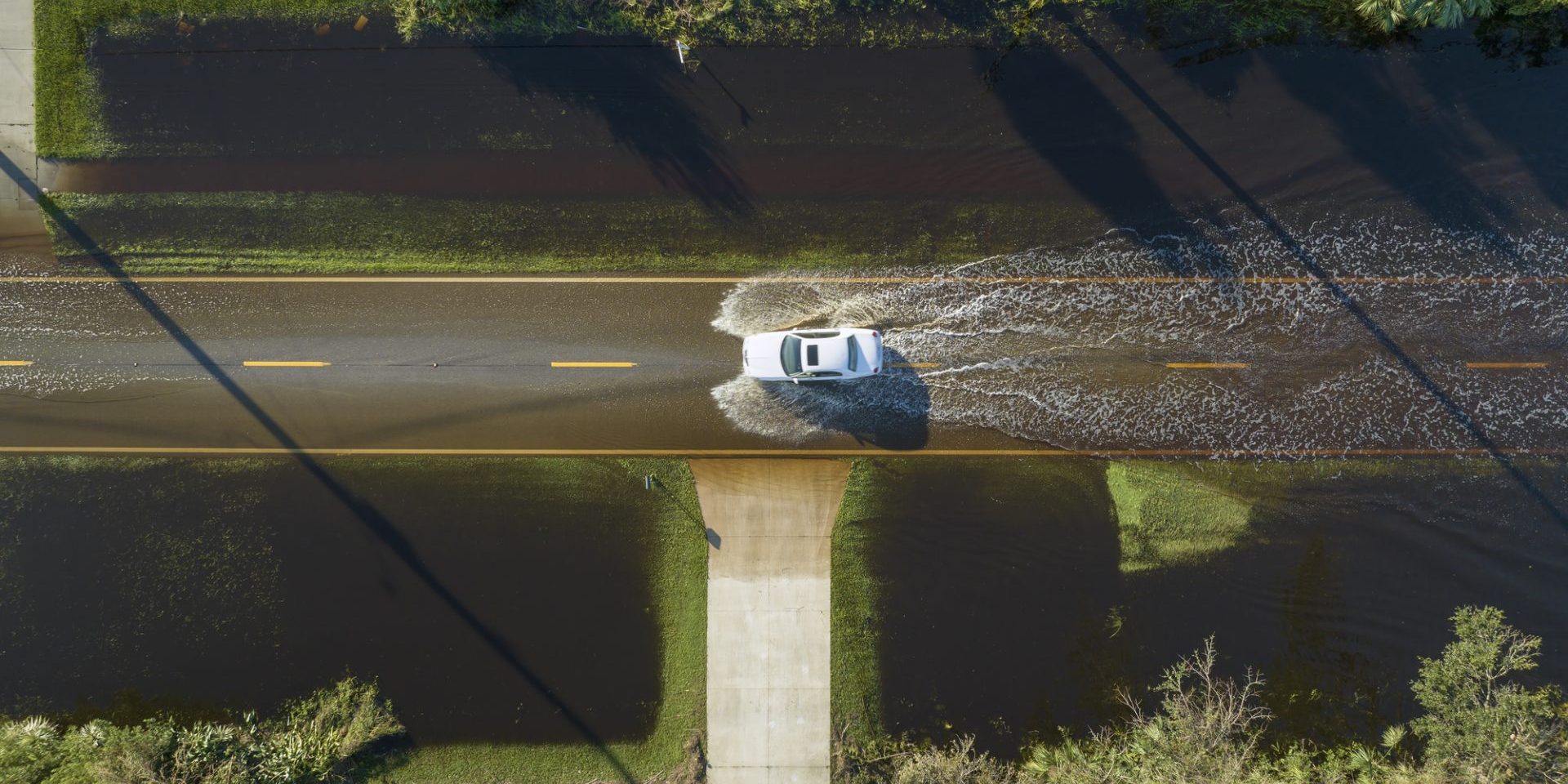
As hurricane season ramps up, tens of thousands of flood-damaged cars are heading for the used market, and many will arrive wearing clean-looking titles. CARFAX has estimated that storms can soak up to 45,000 vehicles in a single mid-year stretch, adding to the hundreds of thousands of water-damaged cars already circulating on US roads. The danger for buyers is that a flooded car often looks fine on the lot and only reveals its problems months later, when corroded wiring and failing electronics start costing real money.
These vehicles do not stay in storm zones. Sellers move them across state lines to wash away the damage history, so a car flooded in Texas can show up with a clean title in Pennsylvania, Illinois or anywhere else. If you are shopping used this summer, knowing how to spot the warning signs can save you from a purchase that drains your wallet long after the sale.
Why Flood Cars Are So Dangerous to Buyers
Water damage is uniquely destructive because it works slowly and out of sight. Flooding can corrode wiring harnesses, contaminate the brake system, and degrade the electronic control modules that run everything from the airbags to the transmission. None of that is visible during a quick test drive. The components may keep working for weeks or months, then fail unpredictably, sometimes all at once, leaving the owner with repair bills that can exceed what they paid for the car.
The scale of the problem is large. CARFAX has estimated that up to 45,000 vehicles were flood-damaged in a single run of mid-year storms, with heavy rain and flash flooding swamping cars in states such as Texas, Kentucky and West Virginia. That figure sits on top of an estimated stock of roughly 480,000 water-damaged vehicles the company says were already on US roads heading into recent years. Many of these cars are repaired cosmetically and resold to unsuspecting buyers.
The mechanism that hides the history is called title washing. When a car is declared a flood or salvage loss, that status is supposed to appear on its title. But by moving the vehicle to a state with different titling rules and re-registering it, a seller can sometimes obtain a fresh title that shows no flood brand. Louisiana, Oklahoma and Pennsylvania have historically been cited as common destinations for this practice. The car then re-enters the market, often far from the flood zone, where buyers have no reason to suspect water damage.
How to Spot a Flood-Damaged Car
Use your senses first. A musty, moldy or unusually strong air-freshener smell is a classic red flag, since sellers often try to mask odors. Look for water lines or discoloration on the interior panels, under the carpet and in the trunk. Pull back the carpet and check for dried mud, silt or grit in places water would settle, including under the seats, in the spare-tire well and inside the glovebox. Damp or mismatched carpeting, or carpet that looks newer than the rest of the interior, can signal a replacement after flooding.
Inspect the metal and electronics. Check for rust or corrosion in spots that should not normally rust, such as door hinges, seat tracks, screw heads under the dashboard and exposed metal under the hood. Look at the headlights and taillights for a water line or fogging inside the lens. Test every electrical feature methodically: power windows, seats, radio, climate control, interior lights, turn signals, dashboard warning lights and the infotainment screen. Electronics that behave erratically or fail intermittently are a serious warning.
Verify the history through more than one source. Run the vehicle identification number through an NMVTIS-approved provider, which draws on state title and insurance records, and use the free National Insurance Crime Bureau VINCheck tool to screen for salvage and theft records. Because title washing can defeat a single report, cross-checking sources improves your odds of catching a hidden brand. Open recalls can be checked at the same time at nhtsa.gov/recalls.
What To Do Before You Buy
Always pay for an independent pre-purchase inspection from a mechanic you choose, not one the seller recommends. A trained technician can lift the car, check connectors and modules, and find evidence of water intrusion that an untrained buyer would miss. The cost, usually $100 to $200, is small insurance against a five-figure mistake. If a seller refuses to allow an inspection, treat that as a reason to walk away.
Be extra cautious with deals that seem too good for the model and mileage, especially private sales and cars with very recent out-of-state titles. A late-model vehicle priced well below market, paired with a title freshly issued in another state, is a combination worth scrutinizing closely. Keep all documentation from the sale, and if you suspect fraud, you can report it to your state attorney general’s office and to the NICB. Buyers in flood-prone states should be especially alert in the weeks after major storms.
If you are weighing a used purchase more broadly this summer, it helps to understand the wider market pressures too. With used-car values and safety recalls both in the news, doing your homework on a specific vehicle has rarely paid off more. A flooded car can pass a glance and a short drive, so the checks that count are the ones that take time: the smell test, the carpet pull, the electronics sweep, the multi-source history check and the independent inspection.
The bottom line: flood cars are coming, they travel far from where they were soaked, and clean titles do not always mean clean histories. A careful inspection and a healthy dose of skepticism are your best defense.
Sources:
- https://www.prnewswire.com/news-releases/carfax-up-to-45-000-vehicles-flood-damaged-in-mid-year-storms-302523277.html
- https://www.nhtsa.gov/hurricane-and-flood-damaged-vehicles
- https://www.nicb.org/news/blog/damaged-vehicles-flooding-used-car-market
- https://www.kbb.com/car-advice/avoid-flood-damaged-cars/

Leave a Comment
More in News

Why a 13-Year-Old Car Is Nearly Three Times More Likely to Fail Its MOT

Private Parking Firms Issued a Record 16.9 Million Tickets Worth £4.6 Million a Day

DfT Could Make Learner Drivers Wait Before Their Test After 273 Deaths
Edinburgh Drivers Paid £46.6 Million in Parking Income, Up 46 Percent in Three Years
Drivers Claimed £10.2 Million for Pothole Damage but County Councils Paid 6%, Quotezone Shows
Trending on Motoring Chronicle

EV Sales Are Up 60% And More Than 40% Of New Cars Now Have A Plug. So Why Is Policy Pulling It Back?

£18.6 Billion in the Ground: Britain’s Pothole Crisis Is a National Disgrace. Here Is How to Claim For Damage

Average US Car Insurance Climbs to $2,276 a Year as Maryland Drivers Top $4,200

Red Bull Advanced Technologies joins forces with Singer
