What Happens When You Take An 1,800 HP Hypercar To Minus 30 On A Frozen Lake In Sweden?
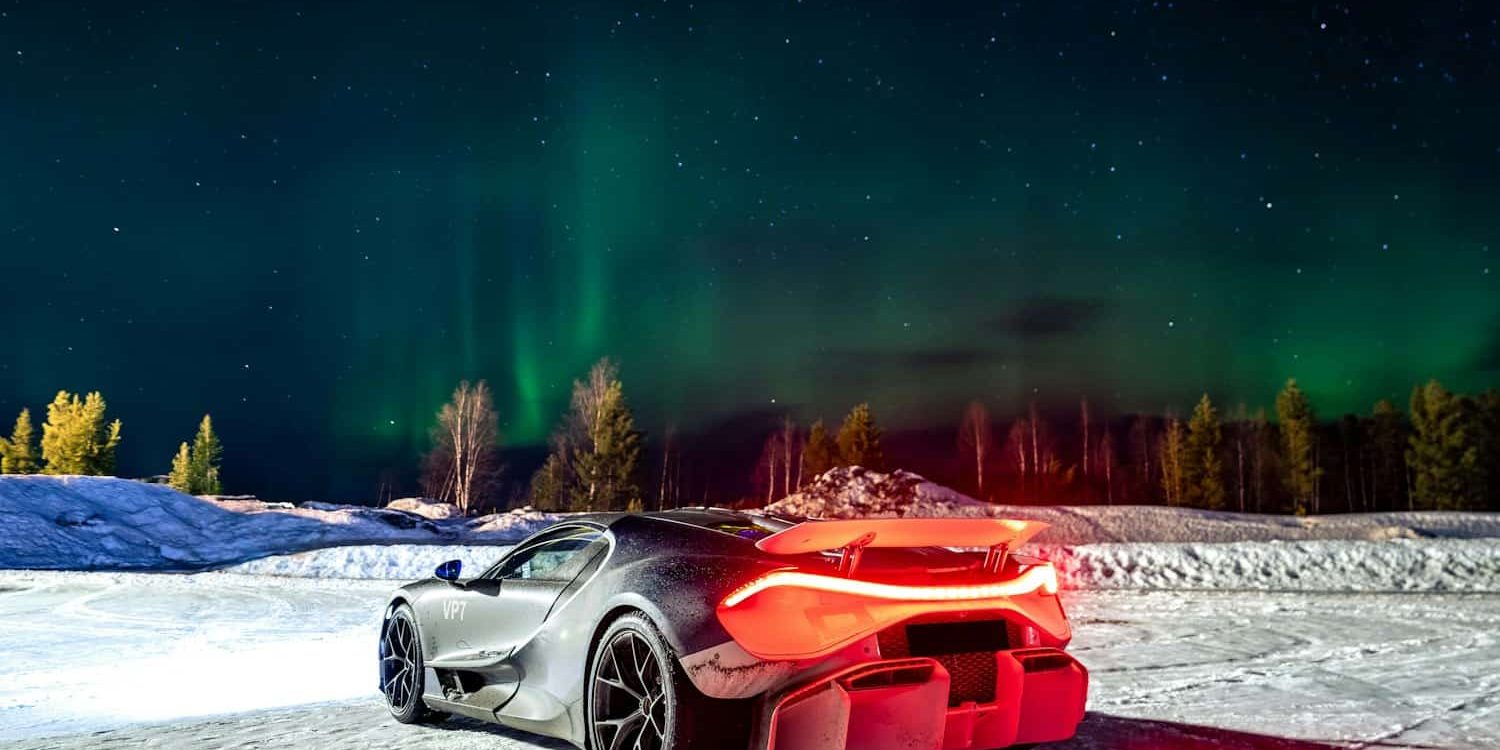
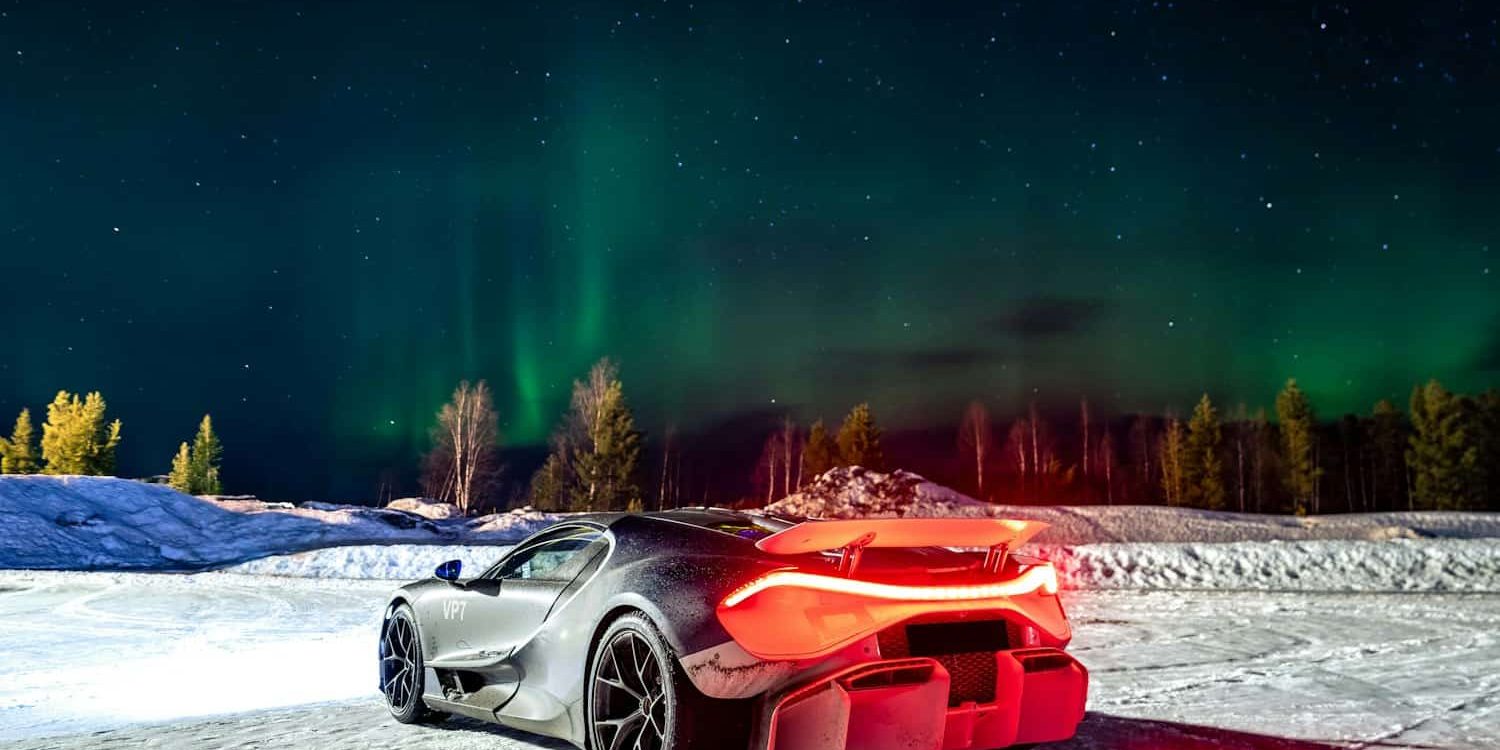
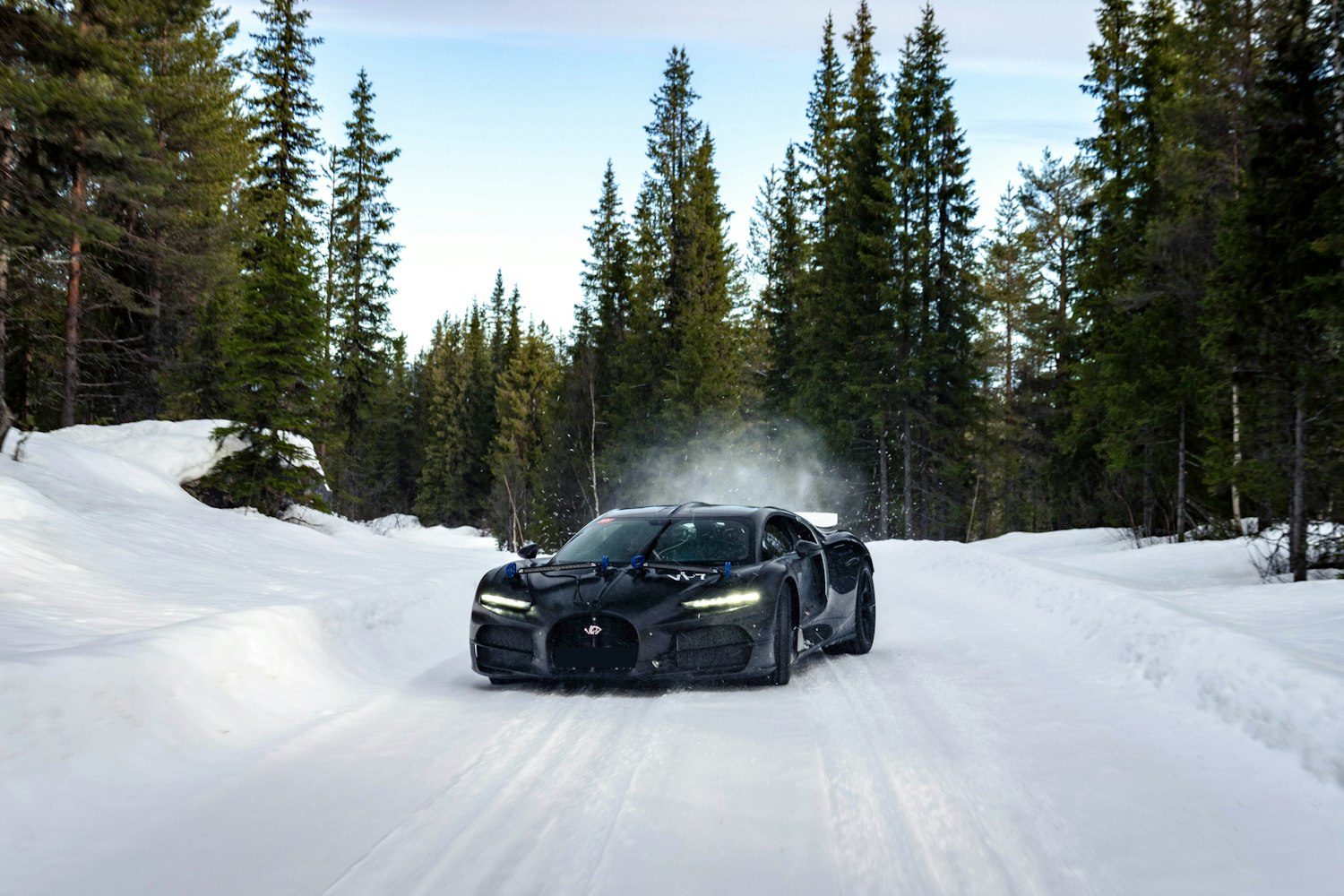
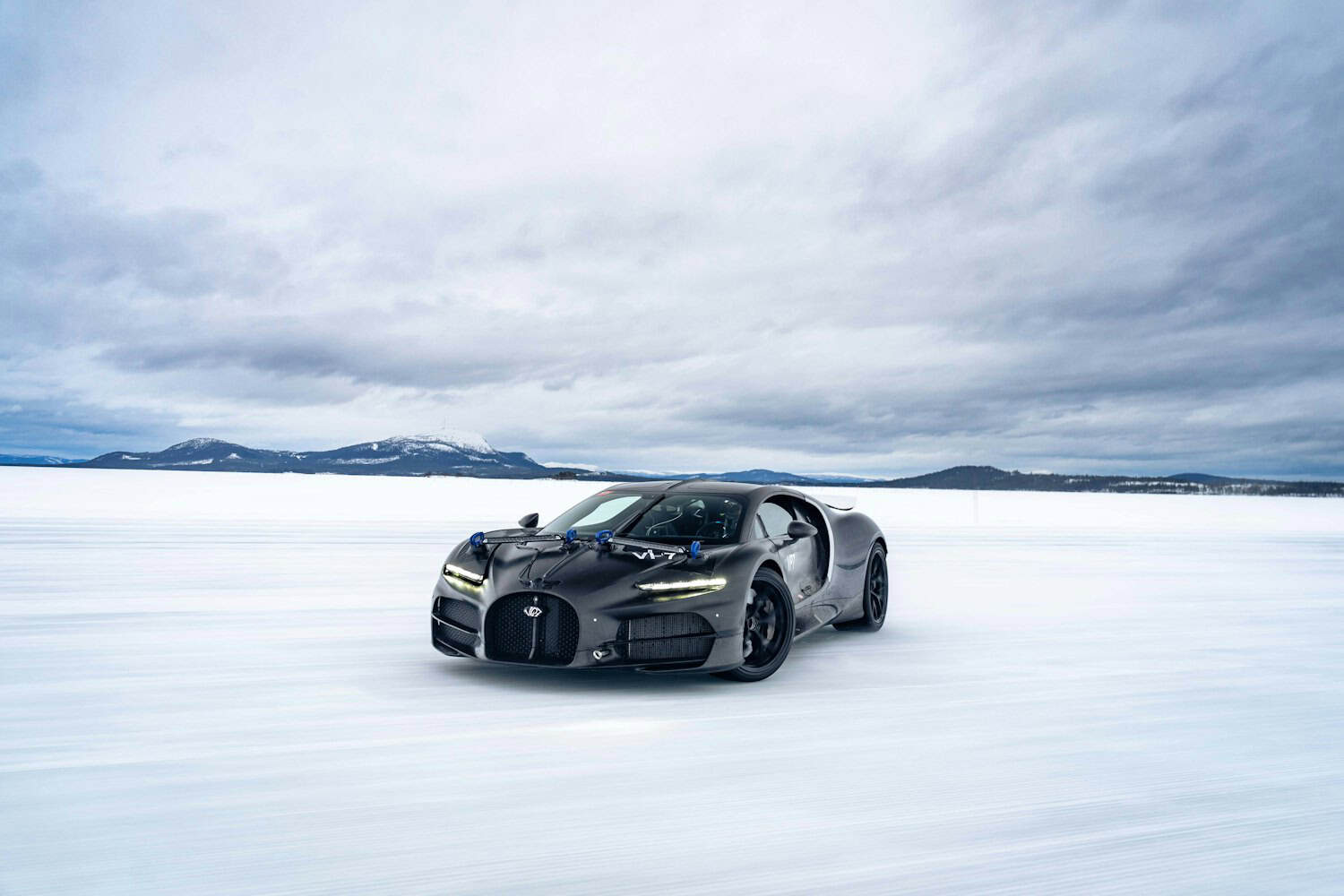
At the Colmis Proving Ground in Arjeplog, northern Sweden, the landscape is ice, snow and extreme cold. It is one of the most exacting test environments in automotive development, and it is where Bugatti has spent four weeks pushing the Tourbillon validation prototypes through conditions that no hypercar buyer will likely ever encounter. That is the point. If a car with 1,800 HP, a naturally aspirated V16 engine, three electric motors and a hybrid powertrain can be made to behave predictably on polished ice at minus 30, it can handle anything the real world puts in front of it.
The Tourbillon is Bugatti’s next-generation hypercar, built on an entirely new platform. The powertrain combines a naturally aspirated V16 with three electric motors for a combined output of 1,800 HP. Two electric motors sit on the front axle, providing precise all-wheel-drive control and torque vectoring. The V16 and a third electric motor send power to the rear. It is the most technically complex car Bugatti has ever built, and the winter testing programme in Sweden exists to make sure every one of those systems works in harmony when grip disappears.
Chasing Grip At The Edge Of Nothing
Miroslav Zrnčević, Chief Development Driver at Bugatti Rimac, led the testing programme. He described the purpose bluntly: “We are here to test and develop the Tourbillon in extreme conditions, to do various different tests on the HVAC system, on ABS, on ESC systems, traction control and vehicle dynamics in general.”
The work in Arjeplog focuses on what engineers call low-MU conditions, where the coefficient of grip between tyre and surface is dramatically reduced. Polished ice, packed snow, slush and cleared asphalt present constantly changing surfaces, each one revealing a different layer of the car’s behaviour. With 1,800 HP available, the task is to ensure that all of that performance remains accessible, intuitive and faithful to the driver’s inputs even when the tyres have almost nothing to hold on to.
Zrnčević acknowledged that hypercars are not built for snow, but said the testing was non-negotiable: “Of course, hypercars are not really intended to be driven on snow and ice, but we do cover this quite extensively. Simply because it’s of paramount importance, to both our customers and the teams developing the car, that the Tourbillon works extremely well in all weather conditions. After all, if its capabilities are comparable to other cars, it’s no longer a Bugatti.”
Braking On Ice With 1,800 HP Behind You
One of the most complex areas of the winter programme is the braking system. The Tourbillon uses a brake-by-wire setup that must balance regenerative braking from the electric motors with the hydraulic foundation brakes. Getting that relationship right on dry tarmac is hard enough. Doing it on polished ice, where the margin between controlled deceleration and a locked wheel is almost nothing, requires meticulous calibration.
The team tested ABS and electronic stability control across every surface available at the proving ground, including what are known as MU-jumps, where the car transitions from one level of grip to another in a single braking event. The prototype might begin stopping on dry, heated asphalt before continuing onto polished ice, forcing its systems to recognise and respond to the sudden change in adhesion within fractions of a second.
Zrnčević explained what the team looks for in those moments: “In this scenario, what we look for in the system is its ability to fight and master various kinds of conditions, so in essence different types of grip on the tire.”
Three Modes, Three Characters
The Tourbillon offers three driving modes, each of which required separate calibration in the winter conditions.
In Comfort mode, the car is set up for reassurance and stability. Even when the driver calls on significant power in low-grip conditions, the control systems keep the car composed and predictable. The electronic safety net is close, but the car still responds precisely to steering and throttle inputs.
Sport mode opens the character further. The balance becomes more neutral, the engine more present and the car more willing to rotate. The driver can begin to work with the surface rather than simply relying on the electronics to manage it.
Track mode extends the dynamic envelope again. Torque shifts further rearward, the car permits greater side slip and the response becomes more playful, while the all-wheel-drive system, traction control and ESC continue to operate underneath, providing a safety net that is wider but still present.
Zrnčević described the philosophy across all three settings: “We have different driving modes on the car and, of course, depending on what the customer wants, the car can be driven in a completely different way. So we are changing the balance of the car, the vehicle dynamics, but also the safety systems, opening or closing the envelope of the safety systems. The car is thus precise, connected without hitch to the throttle and steering system. So we can maintain stability, while simultaneously complemented beautifully by agility.”
Four Weeks, Two Shifts, Minus 30
The Sweden programme ran for four weeks, supported by a team of 20 people with a core crew of six who remained on site throughout. They worked in two shifts, through weekends and into night sessions, adapting constantly to the conditions.
During the first phase, temperatures dropped to minus 30. When warmer weather arrived and changed the surface profile, the team extended testing into the night to preserve the window of true winter conditions. Every hour and every surface was used to gather data.
Zrnčević said the team pushed hard to make the most of the limited window: “We are maximizing our potential and basically using the best out of what we can from what the weather allows us. You only have a certain amount of the winter sessions to capitalize on. We already did a winter session last year, but it’s essentially four weeks to develop the whole car.”
Beyond the braking and dynamics work, the programme covered climate control, windscreen defogging, cabin warmth and usability in extreme cold, all assessed through both measured data and the subjective experience of the people inside the car.
Zrnčević described the testing as demanding but rewarding: “This testing has been super challenging. It’s super important, and it’s very rewarding for the team.”
Reindeer And The Aurora
In between the calibration runs and data analysis, the team found themselves in one of the most striking landscapes in Europe. Reindeer moved close to the car on the proving ground. The aurora appeared over the test facility at night. The Tourbillon carved through ice and snow against a backdrop that is difficult to replicate anywhere else on earth.
Zrnčević reflected on what the programme meant to the people involved: “We love this job for all that it is. An exceptional privilege. We really enjoy it. We’ve captured some awe-inspiring pictures for our memories, all unforgettable anecdotes. This job is nothing but a dream for all those involved.”
The purpose of four weeks in the Swedish winter is to make the Tourbillon a complete car. Not just fast in a straight line or composed on a circuit, but predictable, precise and trustworthy in the conditions where control is hardest to maintain. The invisible decisions made by its electronics when a tyre loses grip on ice at minus 30 are as much a part of what defines a Bugatti as the V16 engine note or the hand-finished interior.

Leave a Comment
More in News

Garage Complaints to the Motor Ombudsman Jumped 22 Percent as Payouts Hit £4,308

How Cap HPI Data Shows Some Used Electric Cars Losing 29 Percent of Value
POPLA Cancelled Nearly Half of 107,000 Parking Fines UK Drivers Challenged

What a Flashing Oil Pressure Light Means for Your Engine and How to React
Every UK Driver Can Force Council Pothole Repairs Using a Free 1980s Law
Trending on Motoring Chronicle
What Euro 7 Emissions Rules Mean for Every Driver Buying a New Car from November

Audi delivers 1.6 million vehicles in 2025 as strong fourth quarter ends challenging year

Lamborghini few-offs: when a rarity turns into a passion

Nissan Recalls 2025 Sentras Over a Driveshaft That Can Cut Power While Driving