Why Petrol and Diesel Drivers in Seven English Cities Now Face Daily Charges of Up to £9

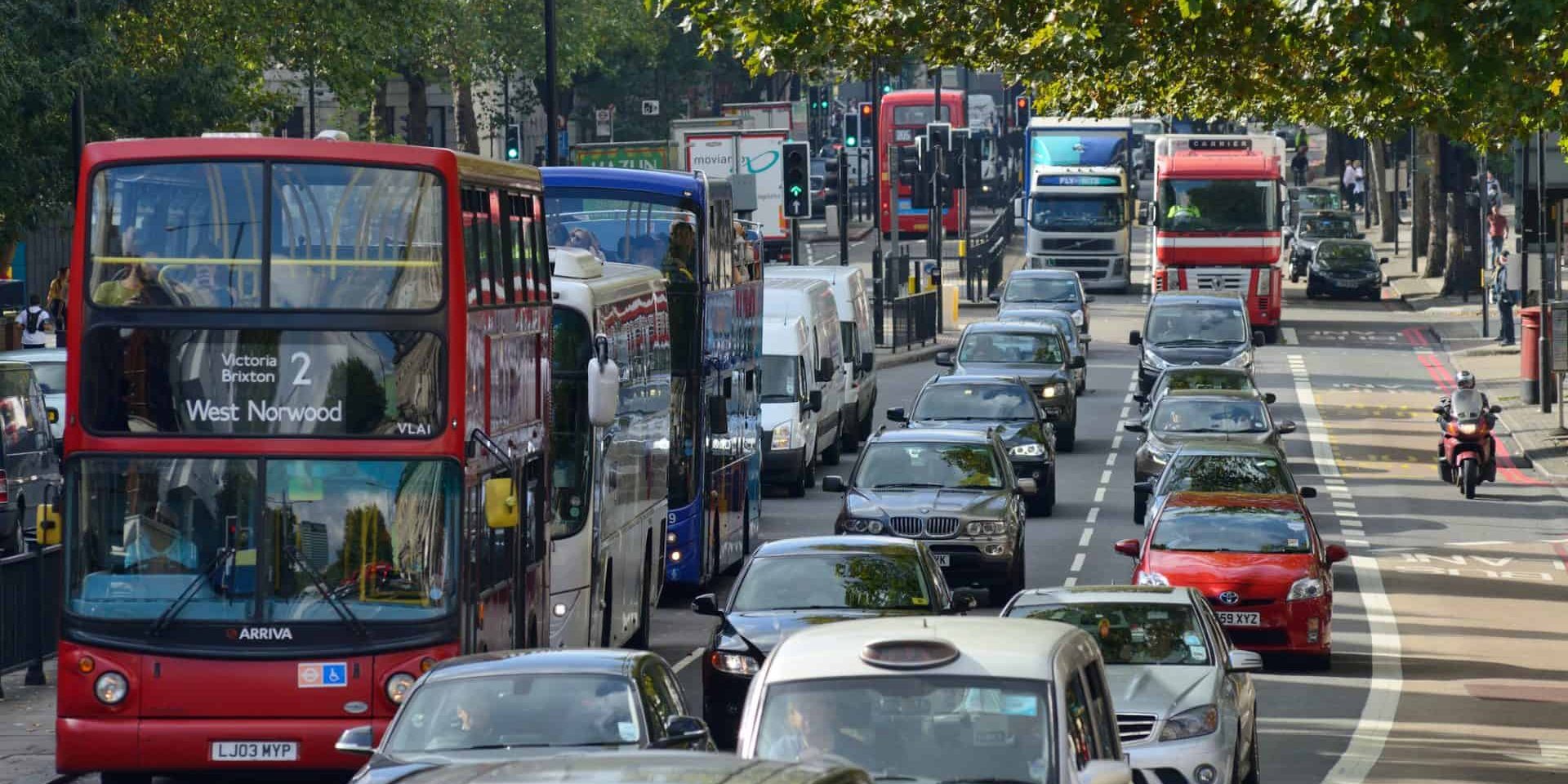
Most drivers know about the London Ultra Low Emission Zone, which charges non-compliant cars £12.50 a day and has generated extensive coverage since its expansion in 2023. Considerably fewer realise that seven other English cities have their own charging zones already in place, each with its own rules, compliant vehicle thresholds and daily penalty rates. If you drive into Birmingham, Bristol, Bath, Bradford, Portsmouth, Sheffield or Newcastle in a petrol car registered before January 2006 or a diesel car registered before September 2015, you may be liable for a daily charge or penalty notice without any advance warning beyond the signs at the zone boundary. Enforcement is automatic, via ANPR cameras, and there is no opportunity to pay before or at the point of entry.
Clean Air Zones are designated areas where local authorities charge or restrict vehicles that do not meet minimum exhaust emission standards, with the aim of improving local air quality. Entry is monitored using Automatic Number Plate Recognition cameras that read your registration and cross-reference it against the national Vehicle Checker database in real time. If your vehicle is non-compliant, a daily charge is generated automatically, and a payment demand follows in the post. Failure to pay within the specified window escalates to a penalty charge notice of considerably more than the daily rate. In Birmingham, the penalty for non-payment is £120, reduced to £60 if paid within 14 days.
Which Cities Have Charging Zones and What They Cost
The government classifies Clean Air Zones across four types, designated A to D, based on which vehicle categories are subject to the daily charge. Class D zones are the most comprehensive and include private cars alongside commercial vehicles and taxis. Class C zones cover taxis, vans, minibuses, coaches and heavy goods vehicles but currently exempt standard privately-owned passenger cars. Class B zones cover only heavy goods vehicles, buses and coaches.
Birmingham operates a Class D zone covering the city centre and inner ring road area. Non-compliant private cars face a daily charge of £8. The zone operates 24 hours a day, seven days a week, meaning there is no overnight window or weekend period when non-compliant vehicles can enter without charge. Birmingham was the first major UK city outside London to introduce a Class D zone charging private cars and remains the largest Class D zone outside the capital. Over 40 square miles of the city centre fall within the boundary, covering the main retail core, most office districts and the principal transport interchanges.
Bristol also operates a Class D zone, with a daily charge of £9 for non-compliant private cars in the city centre area. The Bristol zone is enforced 24 hours a day and covers the city centre within the inner loop road. Bath has a Class C zone, which means it currently charges taxis, vans, minibuses, coaches and heavy goods vehicles that do not meet the emissions standard, but does not charge standard private passenger cars. Bradford’s zone also operates as Class C, similarly not charging private cars at this stage. Portsmouth operates a Class B zone covering coaches, buses and heavy goods vehicles. Sheffield has a Class C zone covering taxis and commercial vehicles. The Tyneside zone, covering Newcastle and Gateshead, applies to taxis, private hire vehicles, buses and heavy goods vehicles but does not charge standard private cars.
Is Your Car Compliant and How to Check for Free in Under Two Minutes
The emission standards are the same across all English Clean Air Zones. Petrol cars must meet Euro 4, which broadly applies to petrol cars first registered from 1 January 2006 onwards. If your petrol car carries a 55 plate (registered September 2005 to February 2006) or earlier, it is likely non-compliant, though a small number of vehicles registered in early 2006 before the standard came into effect may also fall short. Cars on a 56 plate (registered September 2006 to February 2007) and later are almost universally Euro 4 compliant. If you are uncertain, the national vehicle checker will confirm your specific car’s status regardless of plate age.
Diesel cars face a considerably higher bar and this catches a large proportion of drivers off guard. Diesel vehicles must meet Euro 6 standards to avoid the daily charge. Euro 6 applies to diesel cars first registered from 1 September 2015. If your diesel carries a 65 plate (registered September 2015 to February 2016) or later, it is very likely compliant. Diesel cars on a 15 plate or earlier (registered before September 2015) are almost certainly non-compliant in Class D and Class C zones and will attract the daily charge in Birmingham and Bristol if driven within the zone boundaries.
The government’s national vehicle checker at vehiclecheck.drive-clean-air-zone.service.gov.uk is the fastest and most reliable way to confirm your vehicle’s status. Enter your registration number and the tool returns a clear compliant or non-compliant result for each of the UK’s active Clean Air Zones. The check is free and takes under two minutes. It uses the same database that the ANPR cameras consult when you enter a zone, so the result you see is the result the enforcement system would reach. Local authority websites also carry downloadable maps of zone boundaries if you want to plan a route around a zone rather than through it.
Scotland’s Low Emission Zones and How the Rules Differ
Scotland operates a separate system called Low Emission Zones rather than Clean Air Zones, and the enforcement mechanism works differently in a way that catches many English drivers visiting Scottish cities by surprise. Active LEZs are in place in Aberdeen, Dundee, Edinburgh and Glasgow, all fully enforced since the grace period ended in May 2024.
Unlike English CAZs, Scottish LEZs do not generate a daily charge. Instead, driving a non-compliant vehicle within a Scottish LEZ results in a penalty charge notice issued after the fact. The penalty starts at £60 for a first contravention, doubles to £120 on the second occasion, and continues to double on each subsequent visit, up to a maximum of £480. This escalating structure means a regular commuter in an older diesel who drives into central Edinburgh every working day will face rapidly increasing fines, not a predictable daily charge they can budget for. The emission standards are the same as in England: Euro 4 for petrol, Euro 6 for diesel.
Edinburgh’s LEZ covers the city centre including key sections of the Old Town and New Town. Glasgow’s LEZ covers a large portion of the city centre within the inner ring road. Both cities use ANPR enforcement and send penalty notices to the registered keeper’s address. Drivers who are planning visits to Scottish cities should check their vehicle’s status against the LEZ boundaries before travelling. The Transport Scotland vehicle checker at transport.gov.scot provides boundary maps and compliance guidance.
What to Do If Your Car Is Not Compliant
If your vehicle is non-compliant, the most immediate solution is to avoid the zone. Most city centre Clean Air Zones are not geographically vast, and a planned route around the zone boundary is practical for occasional visitors. Use the zone boundary maps available from the relevant local authority and route your journey via the outer ring roads. Sat-nav apps including Google Maps and Waze now incorporate CAZ boundary data in many UK cities and can be set to route you around them automatically.
For regular city centre commuters or workers, the daily charge accumulates into a substantial annual cost very quickly. Birmingham’s £8 daily charge over five working days costs £40 a week and over £2,000 a year for a full working year. At that rate of expenditure, the economics of upgrading to a compliant vehicle become relevant within one to three years depending on the cost of the upgrade. A petrol car registered from January 2006 or a diesel from September 2015 is compliant and avoids the charge entirely. A used diesel from 2016 or 2017, available in the current soft used car market for under £10,000 depending on model, would eliminate the ongoing charge and may represent a better financial outcome than continuing to pay it.
Several local authorities have operated scrappage or upgrade grant schemes to help non-compliant vehicle owners transition. Birmingham City Council has historically offered a Clean Air Zone scrappage grant for lower-income drivers and eligible small business operators. Check the current availability of such schemes directly with your local authority, as funding rounds open and close and the eligibility criteria vary significantly between councils. For anyone considering an electric car as the upgrade path, our piece on why right now is the best time in history to buy an electric car in Britain covers the grants, mandate-driven discounts and current deals in detail. Electric, hydrogen and compliant plug-in hybrid vehicles are exempt from all Clean Air Zone charges and all Scottish LEZ penalties regardless of registration year.
Sources:

Leave a Comment
More in News

Paris Motor Show 2026 highlights, with BYD and Denza leading the charge

How a Burning Smell From Your Clutch Could Signal a £600 Repair Bill

What a Tyre Pressure Warning Light Means as Cold Mornings Return This Autumn

What the Fog Light Rule Actually Means (and the £50 Fine)

How to Drive Through Flood Water (and What to Do If It Stalls)
Trending on Motoring Chronicle

Kia EV4 review: The family-friendly EV that dares to be different

How Santa Fe Speed and Noise Cameras Will Fine Drivers Starting in August
What Changes for US Drivers on July 1 as New State Laws Take Effect
Traffic Penalty Tribunal Data Shows Moving Traffic Appeals Jumped 131 Percent