Why One Drink Before Driving Could Soon Be Enough to Lose Your Licence
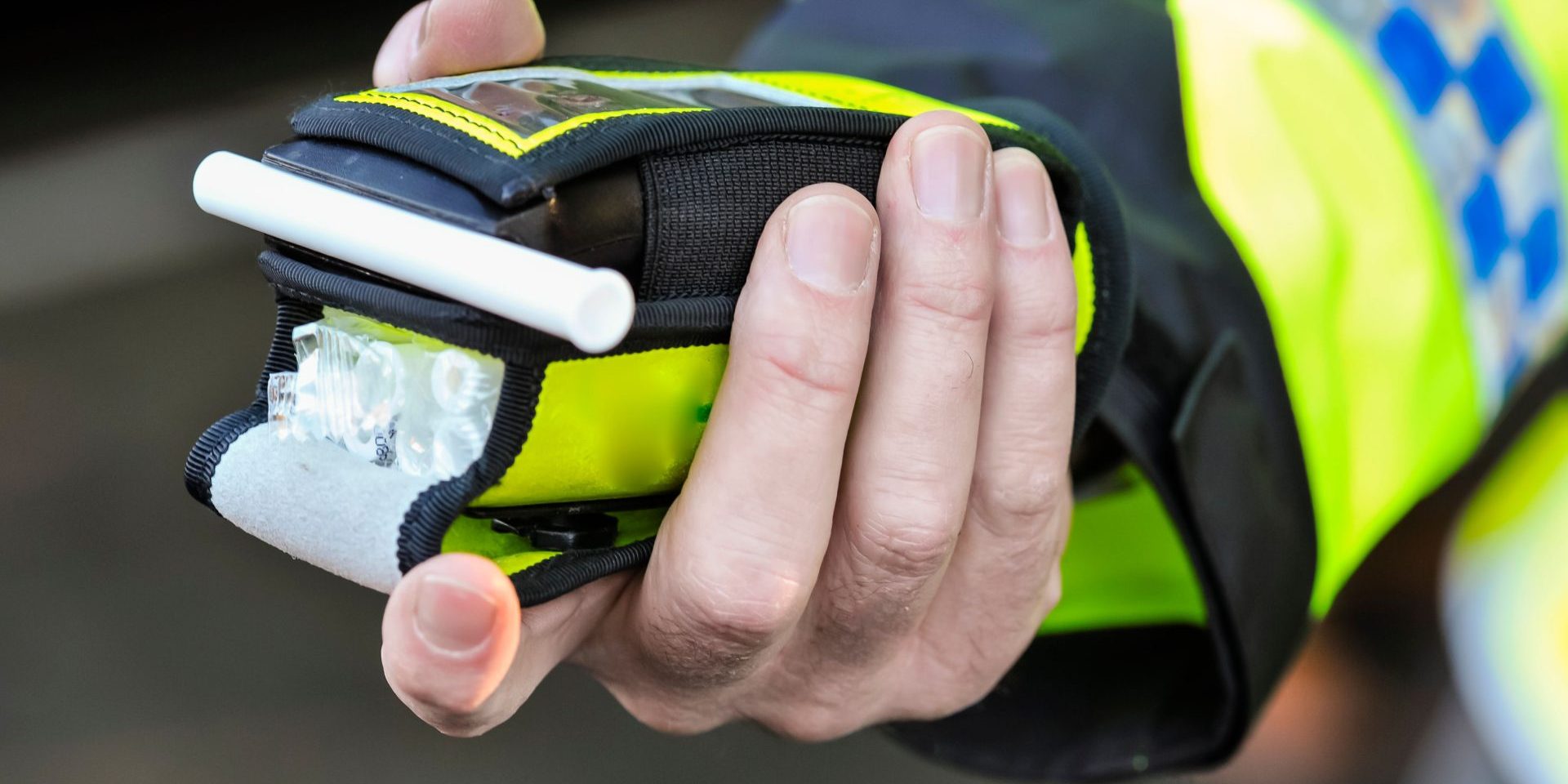
England and Wales have the highest legal drink-drive limit in Europe. A driver can sit behind the wheel with 80 milligrams of alcohol per 100 millilitres of blood — a threshold set in 1967 and unchanged ever since. That could be about to change. The government’s Road Safety Strategy, published in January 2026, proposes cutting the limit to 50 milligrams per 100 millilitres of blood, matching Scotland and most of the rest of Europe. The public consultation that closed in May 2026 showed overwhelming support. Here is what the proposed change would mean in practice, and what drivers need to know right now.
Why England and Wales Are an Outlier
Scotland lowered its limit from 80mg to 50mg per 100ml of blood in December 2014. Since then, England and Wales have remained the only parts of the UK operating at the higher threshold. Across Europe, the picture is even starker. Most EU member states operate at 50mg or lower. Poland, Sweden, Norway and several other countries operate at just 20mg. The United States uses 80mg in most states, making England and Wales aligned with a small global minority at the higher end.
The science behind the proposed change is not disputed. At the current English limit of 80mg, a driver is approximately 13 times more likely to be involved in a fatal crash than a sober driver. At the proposed new limit of 50mg — the Scottish threshold — the risk drops, but a driver is still around five times more likely to be in a fatal accident than someone with no alcohol in their system at all. Hunter Abbott, Managing Director of AlcoSense and a member of the Parliamentary Advisory Council for Transport Safety, has called the current law “dangerously out of step with modern science.”
The government’s own figures underline the urgency of reform. In 2023, 260 people were killed in drink-drive crashes in Great Britain. Total casualties — killed and seriously injured — reached 6,310. Progress has stalled. The annual death toll from drink-driving has hovered above 200 for nearly a decade, despite significant investment in enforcement and public education.
What the New Limit Would Mean for What You Can Drink
The honest answer to “how much can I drink and still drive?” has always been: you cannot reliably calculate it. Alcohol is processed by the body at different rates depending on your weight, sex, whether you have eaten, how quickly you drank, your metabolism, and a dozen other variables. Two people of different builds can drink identical quantities and end up with very different blood alcohol readings.
That said, the practical effect of dropping the limit from 80mg to 50mg is significant. A standard large glass of wine — 250ml at 13 per cent alcohol — contains 3.25 units. A single pint of 4 per cent lager contains 2.3 units. At the current 80mg limit, many people of average build can drink one or perhaps two units before their blood alcohol approaches the threshold, depending on how recently they ate and how slowly they consumed the drink. At 50mg, even a single drink becomes a genuine risk for many drivers.
Under the proposed 50mg limit, there is effectively no such thing as a safe amount of alcohol before driving for many people. Road safety organisations including the Royal Society for the Prevention of Accidents have consistently said that the only way to guarantee you stay under the limit is to not drink at all if you plan to drive. This message becomes even more pressing under the new threshold.
One element of the proposal that has received less attention is the suggestion of a lower limit specifically for newly qualified drivers. The consultation asked whether new drivers in England and Wales should be subject to a stricter threshold than the general 50mg limit — potentially as low as 20mg — reflecting their higher crash risk during the first two years of driving. This could mean that a newly qualified driver would be treated as over the limit after a single small drink.
What Scotland’s Experience Shows
Scotland’s 2014 reduction remains the most relevant real-world evidence for what England and Wales can expect. Critics argued at the time that lowering the limit would devastate rural pubs and that enforcement would be inconsistent. A decade on, the picture is more nuanced than either supporters or opponents predicted.
A 2024 AlcoSense survey marking the tenth anniversary of the Scottish law change found that 79 per cent of Scottish residents believe the lower limit has made roads safer. Seventy-seven per cent of Scots want England and Wales to adopt the same limit. Forty per cent of Scottish adults say they drink less overall since the law changed. The survey involved adults across Scotland and found that behavioural change — particularly the decision to simply not drink at all before driving — was far more widespread than predicted.
On road safety outcomes, the picture is mixed. The number of drink-drive casualties did not drop as dramatically as campaigners had hoped in the years immediately following the change. Road safety researchers have attributed this partly to broader trends including increased traffic volumes, more miles driven per vehicle, and the difficulty of isolating the effect of the limit change from other factors including enforcement activity and public campaigns.
Where the Consultation Stands and What Happens Next
The government launched five consultations alongside its Road Safety Strategy in January 2026. All five closed on 11 May 2026. The consultation on the drink-drive limit attracted strong support: 78 per cent of respondents favoured some form of reduction, while just 12 per cent said the current limit should remain unchanged.
The government must now review those responses and decide whether to proceed with legislation. The legal process of lowering the drink-drive limit in England and Wales would require primary legislation — a new Act of Parliament or an amendment to the Road Traffic Act 1988. Parliamentary time, the legislative calendar and political priorities will all influence the timeline. Industry estimates suggest the earliest implementation could be late 2026 or early 2027, but there is no guaranteed timetable.
One of the enforcement changes proposed alongside the limit reduction has attracted less attention but could have significant practical implications. The consultation asked about introducing random roadside breath testing, which is standard practice across most of Europe but does not currently exist in England and Wales. British police can only breathalyse a driver if they have reasonable suspicion of drink-driving, or following a road traffic incident. Random testing — where any driver can be stopped and tested at any time, without any trigger — would represent a fundamental shift in the relationship between drivers and police.
A related concern flagged by AlcoSense is the decline in post-crash testing. In England and Wales, only 37 per cent of drivers involved in serious crashes are now breathalysed. A decade ago that figure was 51 per cent. Without knowing whether alcohol was a factor in more collisions, the true scale of the drink-driving problem may be understated in official statistics.
The Morning-After Problem
One aspect of the drink-drive limit that the proposed change does not address is the “morning after” risk. A significant proportion of drink-drive convictions do not involve someone driving home from a pub at 11pm. They involve someone who drank heavily the previous evening, slept, and then drove to work the following morning still over the limit.
Alcohol is processed by the body at a rate of roughly one unit per hour, but this varies considerably between individuals and can be as slow as 0.7 units per hour for some people. If you drink four pints of beer between 9pm and 11pm, your blood alcohol level at 11pm may well be above the legal limit, and the alcohol may not be fully cleared until 11am or even noon the next day. Lowering the limit to 50mg makes this morning-after risk even more acute — if you were slightly above the new threshold when you went to bed, you may still be over it when your alarm goes off.
Personal breathalysers are one practical way to check before driving. Devices from manufacturers including AlcoSense and similar brands are widely available for between £30 and £200 and provide a breath reading that correlates to blood alcohol level. They do not produce courtroom-admissible results, but they provide a strong indication of whether it is safe to drive.
What to Do Now
The limit has not changed yet. Until legislation is passed and a commencement date set, the current limit of 35mg per 100ml of breath (80mg per 100ml of blood) remains in force in England and Wales. The existing limit in Scotland is 22mg per 100ml of breath (50mg per 100ml of blood).
If you drive regularly and drink socially, it is worth adjusting your habits now rather than waiting for the law to change. Road safety organisations including the RAC, AA, and Brake all recommend treating any alcohol before driving as a risk, regardless of the current legal threshold. The government’s intention is clear: the limit is expected to fall. Treating the proposed 50mg limit as the effective guideline now — rather than waiting for legislation — is the safest approach for both your safety and your licence.
Sources:

Leave a Comment
More in News

Leicestershire Council Took £900,127 in Parking Penalties as Notices Issued Rise 9.3 Percent

How the DVLA’s Digital Driving Licence Will Work for Every UK Driver in 2026

Autotrader Shows Used Petrol Cars Cost £14,625 as 17 Months of Price Rises End

Catalytic Converter Thefts Are Rising Again and Could Cost Every Van Owner over £1,000

How California’s New Robotaxi Law Could Fine Waymo and Tesla $10,000
Trending on Motoring Chronicle
Road Damage Caused 71 Breakdowns Every Day in 2025 and 2026 Is Already Looking Worse

VW Emergency Assist Plus Can Now Steer an Unresponsive Driver to the Shoulder

2027 Toyota Prius Adds Dual-Zone Climate Control, Priced From $28,755
Millions of Drivers Face a 6 Percent Car Insurance Jump This Quarter, Data Shows