Lincoln Recalls 11,623 Nautilus and Corsair Hybrids That Can Shift Into Neutral While Driving


- Ford is recalling 11,623 hybrid Lincolns, 11,560 Nautilus and 63 Corsair, after Ford found that corrosion on a park module circuit board can drop the SUV into Neutral at speed or leave it stuck in Park.
- Dealers will replace the module at no cost, interim owner letters go out Nov. 2 to Nov. 6, and a second letter follows when replacement parts reach dealerships.
- Owners can look up a VIN at nhtsa.gov/recalls, where the recall is searchable from Oct. 26, or call Ford at 1-866-436-7332 and quote campaign number 26S75.
A Supplier Changed Its Anti-Rust Oil Without Formally Notifying Ford and 11,623 Hybrids Carry the Result
Ford’s filing with the National Highway Traffic Safety Administration (NHTSA recall 26V688) states the risk in two sentences. If the rotary sensor inside the transmission’s park module loses voltage while the SUV is moving, the vehicle can shift into Neutral on its own, which raises the risk of a crash. If the voltage drops while the SUV is stopped, the driver can find the shifter will not leave Park.
Ford estimates that 100 percent of the 11,623 vehicles in the recall carry the defect. The repair costs the owner nothing. Ford planned to start mailing interim owner letters on Nov. 2 and finish by Nov. 6. Final replacement parts are still moving through the supply pipeline, so the first letter announces the hazard and a second letter follows once dealerships hold enough modules to do the work.
Owners do not have to wait for the mail. The VINs are searchable at nhtsa.gov/recalls from Oct. 26. Ford’s filing also names the warning to watch for: a service wrench light on the display, with a pop-up reading “Service Vehicle Soon” or “Shifting System Error,” depending on how the module fails.
What Goes Wrong Inside the Park Module
The part at the center of the recall works with the transmission’s park lock. Ford lists it under part number PZ18-7P236-MC and pairs it with the HF55 transmission. A printed circuit board sits inside, and a protective conformal coating covers that board.
Ford’s engineers traced the trouble to the anti-rust oil used inside the module assemblies. The oil degrades the coating, and corrosion spreads across the rotary sensor circuit and a related capacitor. As the corrosion develops, the voltage from the sensor drops progressively. Once the sensor’s output signal falls from its normal value, the driver can meet one of two outcomes: an unexpected shift into Neutral while driving, which Ford’s filing describes as a loss of motive power, or an inability to shift out of Park.
Dealerships that inspected affected vehicles found diagnostic trouble code P271A, defined in the filing as Park Pawl Position Sensor A Circuit Low. Field reports describe vehicles that showed the wrench light and the “Service Vehicle Soon” message while driving. In some reports the vehicle could not shift out of Park. In certain cases the condition came and went, and power returned after the driver cycled the key.
The chronology also names software. An update to the hybrid powertrain control module’s software strategy introduced the failure mode that can lead to a loss of motive power, the filing states. The replacement module arrives with the latest level of software. Software and lost power also meet in Volkswagen’s recall of Tiguans that can stall at highway speed.
Ford built its list from production records. Engineers traced every module made with the suspect oil as the only oil in the assembly, matched those modules to completed HF55 transmissions, then matched the transmissions to vehicles. The 100 percent estimate means a Nautilus that has never shown a warning light is still covered.
Which Lincolns Are Covered
Two models are on the list, both hybrids with HF55 transmissions. The 2026 and 2027 Lincoln Nautilus Hybrid accounts for 11,560 vehicles built from Sep. 9, 2025 to Aug. 6, 2026. The 2027 Lincoln Corsair Hybrid accounts for 63 vehicles built from Mar. 12 to Jul. 8, 2026. The Nautilus makes up 99.5 percent of the recall. Every affected SUV was built in the last 14 months.
Ford does not build these vehicles in VIN order, so no range of numbers tells an owner whether a car is included. Ford says the answer comes from its toll-free line, 1-866-436-7332, or from any local Ford or Lincoln dealer, who can pull the vehicle record from Ford’s OASIS database. The NHTSA lookup gives the same answer in seconds.
What Ford Knew and When
The first signal arrived in July 2026, when a regional Critical Concern Review Group forum outside North America opened a concern about an emerging field quality trend on hybrids with HF55 transmissions. Reports described the wrench light and the “Service Vehicle Soon” message, and dealerships were finding code P271A.
In August 2026 the concern moved up to Ford’s Global group after a review of two warranty claims that reported a loss of motive power on 2026 model year Ford Edge hybrids. Engineering work found the vehicle can shift into Neutral while driving. On Aug. 13 the investigation passed to the North American group.
Ford finished its physical failure testing in September. The conclusion: an unvalidated change in anti-rust oil degraded the circuit board’s coating. The filing names the module supplier, EFI Automotive Accessories Systems of Wuhan, China, a Tier 1 supplier, and states that it changed the oil without formally notifying Ford or running validation tests that confirm the oil and the coating are compatible.
As of Sept. 28, Ford counted 15 warranty claims in the United States and 106 worldwide, which leaves 91 outside the country. It also had one US field report, one US customer report and zero Vehicle Owner Questionnaires. Fifteen claims against 11,623 vehicles works out to 0.13 percent. Ford is not aware of any accidents, fires or injuries tied to the condition.
Ford’s Field Review Committee approved a field action on Oct. 13 and Ford filed the Part 573 report on Oct. 20. Ford scheduled dealer notification for Oct. 26, the day the VINs went live. The first owner letters, scheduled for Nov. 2 to Nov. 6, land 13 to 17 days after the filing. NHTSA says manufacturers must notify registered owners by first class mail within 60 days of telling the agency about a recall decision, so Ford is well inside that limit. From first concern to filing took under four months.
Power loss at speed has driven other hybrid recalls this fall, including Toyota’s RAV4 plug-in hybrid power loss recall.
What to Do Now
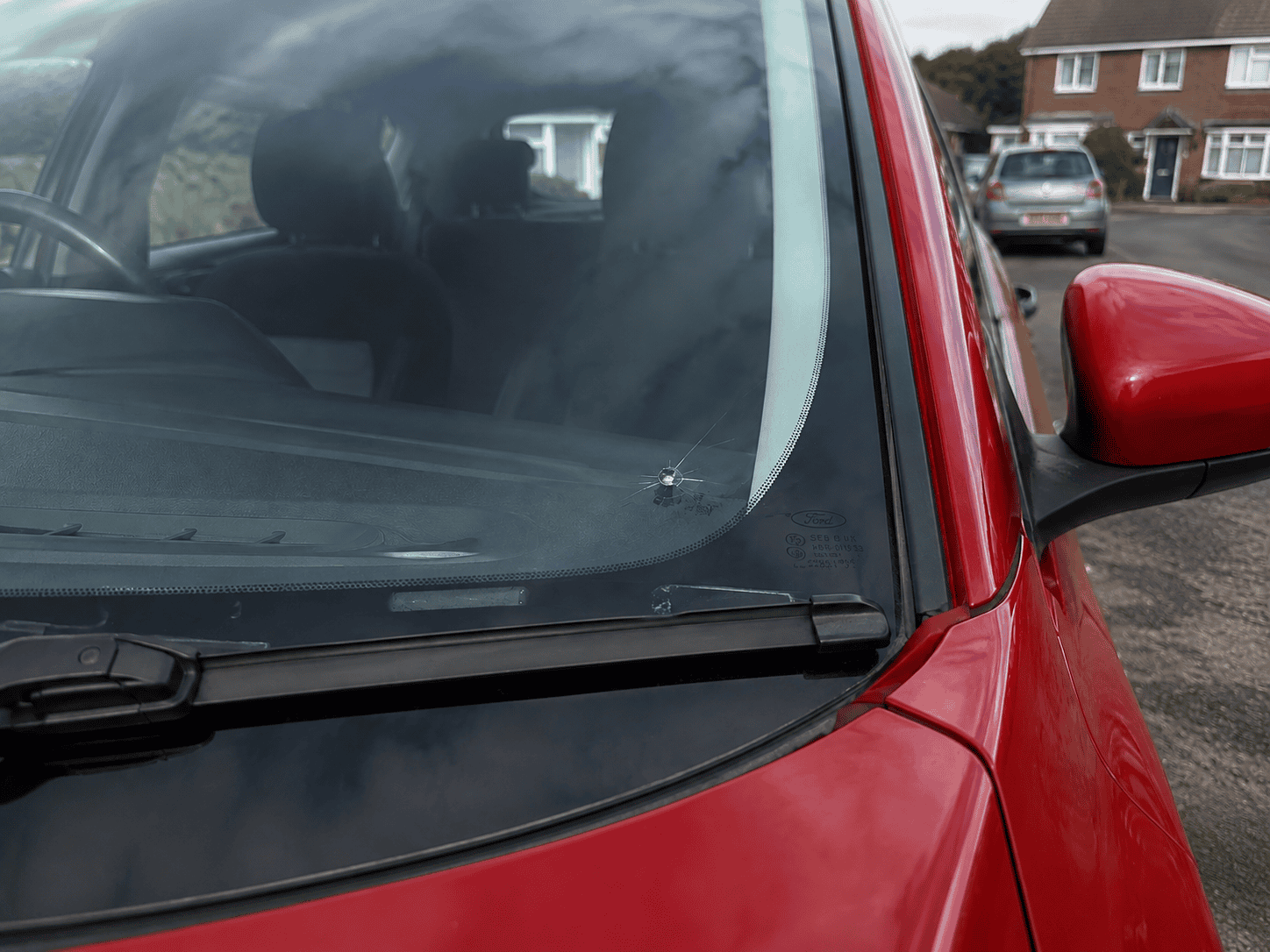
Start with the VIN. The 17 characters sit on the lower left of the windshield, on the registration card and often on the insurance card. Enter the number at nhtsa.gov/recalls, or search by license plate. The result lists an open recall for that vehicle, or shows “0 unrepaired recalls associated with this VIN.” The lookup leaves out recalls that are already repaired, and NHTSA adds VINs for newly announced recalls on a rolling basis, so a clean result on an older search deserves a second look. Ford planned for the VINs in this campaign to be searchable from Oct. 26.
A second route is Ford’s toll-free line, 1-866-436-7332. Quote recall number 26S75. A Ford or Lincoln dealer can also check the vehicle against OASIS.
Read the letter when it arrives. NHTSA tells owners to follow any interim safety guidance in a manufacturer’s notice and to call the local dealership to fix the recalled part for free. This recall runs in phases. The filing lists the remedy owner notification as a phased recall and sets no date for the second letter, so the repair appointment waits for that notice. The fix is a replacement park module without the damaging oil, loaded with the latest software, at no charge. The filing says Ford is using its general reimbursement plan on file, so an owner who already paid for a park module repair can ask Ford whether the plan applies.
Watch the display. A wrench light with “Service Vehicle Soon” or “Shifting System Error” belongs in a call to Ford and to a dealer. File a complaint with NHTSA at nhtsa.gov/report-a-safety-problem or through the agency’s main line, 888-327-4236. Complaints go into a public database with personal details removed, and similar reports from several owners can open a defect investigation.
Open recalls stay open until somebody books the repair. Carfax found 4.7 million US cars that still carry unrepaired Takata airbags. NHTSA suggests checking recalls twice a year and offers free SaferCar app alerts for iOS and Android, plus email alerts. A search can cover up to 100 VINs, which helps a household with several cars or a buyer shopping used.
Anyone shopping for a used 2026 or 2027 Nautilus Hybrid or a 2027 Corsair Hybrid should run the VIN before signing, as an unrepaired recall shows on the lookup. NHTSA monitors each recall to confirm owners get a safe, free and effective remedy, and it tracks the completion rate of every campaign.
Want more car content? Add us as a preferred source on Google to your favourites list for the best automotive news and analysis on the internet.
If you enjoyed this article, be sure to follow us on Microsoft Start.

Leave a Comment
More in News

2027 Mazda3 Prices Run $24,750 to $38,190, With AWD Hatchback at $29,990

What Speed Saves the Most Fuel (and What 70mph Costs You Over 50mph)

Judge Orders Tennessee to Accept Work Permits for Driver’s Licenses Again, Hearing Set Nov. 16

What Used Electric Car Values Up to 28 Percent Higher Mean for Every Buyer
East Sussex Cancelled 1,793 Telscombe Cliffs Bus Lane Fines After Drivers Challenged 76 Percent
Trending on Motoring Chronicle

18,260 Vehicles On UK Roads Have No Traceable Owner. Every Driver Is Paying The Price

California Toughens Smog Check Rules as Every OBD Monitor Must Now Pass

Used Cars Under £5,000 Lost 3.4% of Value in August, Cap HPI Data Shows
Aston Martin Valkyrie ready for its moment of destiny in the 24 Hours of Le Mans