Carfax Finds 4.7 Million US Cars Still Carry Unrepaired Takata Airbags


- Carfax data released this week shows roughly 4.7 million vehicles on US roads still carry an unrepaired Takata airbag inflator, the part tied to 28 confirmed deaths and more than 400 injuries nationwide.
- Honda, Chrysler, Jeep, Ram, Dodge, BMW, Toyota and Ford have all issued “do not drive” orders for specific models where the inflator’s failure rate is highest, meaning some owners should stop driving the car entirely until it is fixed.
- Owners can check their own car in under a minute by entering their VIN at NHTSA.gov/recalls or calling the agency’s Vehicle Safety Hotline at 1-888-327-4236, and the repair itself is always free.
A Part That Gets More Dangerous the Longer You Wait
Nearly five million drivers are sitting on a defect that gets worse with every passing summer, and most of them do not know it. New figures compiled by Carfax and published September 28 put the number of unrepaired Takata airbag inflators still on American roads at about 4.7 million, more than a decade after the recall began. The part at the center of it all is a small metal canister behind the steering wheel or in the passenger dashboard, and federal regulators say its failure has already killed 28 people in the United States and injured more than 400 others.
This is not a defect that stays the same year after year. The National Highway Traffic Safety Administration says in its official consumer alert that “the chance of an explosion grows as an airbag ages,” which is why cars built in the early 2010s that seemed fine for years are now among the highest-risk vehicles on the list. Stellantis, which owns Chrysler, Dodge, Jeep and Ram, puts it just as plainly on its own Mopar recall page: “the risk of airbag inflator explosion continues to increase over time.”
Why a 2014 Recall Is Still Front Page News
The Takata recall remains the largest in American automotive history. The company used ammonium nitrate as the propellant that inflates the airbag in a crash, a chemical compound that breaks down when it is repeatedly exposed to heat and moisture inside a car cabin. Over years of hot days and humid nights, the propellant can degrade to the point where, instead of inflating the airbag cleanly, it explodes with enough force to blow the inflator housing apart and send metal shrapnel into the driver or front passenger. Nineteen different automakers used the faulty inflators across tens of millions of vehicles sold in the US between roughly 2002 and 2015, which is why the fix has dragged on for more than ten years and why new waves of warnings keep surfacing brand by brand.
Drivers in hot, humid states carry the highest risk. Florida, Texas, Louisiana, Puerto Rico and Hawaii have consistently topped NHTSA’s priority lists: sustained heat and humidity speed up the chemical breakdown inside the inflator there faster than almost anywhere else in the country. A car that spent its life in Minnesota is not risk-free, but the same model parked for a decade in Houston or Honolulu is far more likely to be flagged for urgent replacement.
Which Brands Still Have the Most Unrepaired Cars
Honda and Acura carry the single largest share of the original recall, with roughly 12.9 million vehicles called in over the life of the program. Carfax’s completion tracking puts Honda’s repair rate at about 96.2 percent as of late August, which sounds high until you realize that the remaining fraction still represents hundreds of thousands of cars. Honda has confirmed 20 of the 28 known US deaths and more than 200 injuries tied specifically to its vehicles, by far the largest toll of any single automaker in the recall.
Stellantis has a smaller but still serious problem: about 225,000 Chrysler, Dodge, Jeep and Ram vehicles remain unrepaired and under an active “do not drive” warning, meaning the company is telling owners to park the car and arrange a loaner or tow rather than get behind the wheel. BMW has close to 395,000 recalled 3 Series sedans tied to the defect, a model that sold heavily in the mid-2000s and is now well past the age where the propellant risk is considered elevated. Toyota and Ford have also issued their own do-not-drive notices for specific model years, layering a second, more urgent warning on top of the standard recall for cars judged to be at the highest risk of inflator rupture.
Why So Many Cars Are Still Unfixed
Three things keep the unrepaired number stubbornly high. First, many of these vehicles have changed hands multiple times after the original recall letter went out, and a title transfer does not always come with a recall history check, so a current owner can go years without ever seeing a notice in the mail. Second, parts supply for some older, low-volume trims has lagged demand for more than a decade, leaving a backlog of owners who registered for the fix years ago and are still waiting on a dealership callback. Third, a large number of affected cars are older, lower-value vehicles that owners assume are not worth the hassle of a recall appointment, not realizing the repair is free regardless of the car’s age or condition.
There is also a simple awareness gap. A recall notice mailed in 2016 to a car’s then-owner is useless to the person who bought that same car secondhand in 2022. A vehicle’s recall status travels with the car itself, not with whoever happened to own it when the letter went out, which is exactly why Carfax and NHTSA both maintain free VIN lookup tools open to anyone.
What To Do Right Now
Checking your own car takes less time than reading this article. Go to NHTSA.gov/recalls and enter your 17-character vehicle identification number, which is printed on your registration, insurance card, or on a small plate visible through the driver’s side windshield corner. The search will tell you immediately whether your specific VIN has an open Takata recall and, if so, whether it carries a standard notice or an urgent do-not-drive warning. Owners without internet access can call the NHTSA Vehicle Safety Hotline at 1-888-327-4236, or call their vehicle’s manufacturer directly using the customer service number printed in the owner’s manual.
If your car comes back with an open recall, the dealer repair is always free, including the inflator part and the labor to install it, no matter how old the car is or who currently owns it. Ask the dealership directly whether your model falls under a standard recall or a do-not-drive order. If it is the latter, most manufacturers will arrange a loaner vehicle or a tow at no cost rather than have the owner drive the car to the appointment. If parts are backordered for your specific trim, ask to be placed on a priority waiting list and get a direct phone number or case reference: general customer service lines often cannot see regional parts allocation, but a service manager usually can.
What Happens Next
NHTSA has the legal authority to keep expanding do-not-drive orders as inflators already in the field continue to age, and the agency has shown no sign of closing out the Takata program early. Expect further brand-specific warnings over the next several years as vehicles built in the early-to-mid 2010s pass the age threshold where failure risk becomes a safety priority. State attorneys general in several of the hardest-hit states have also pressed automakers for faster outreach to secondhand owners, including direct mail campaigns tied to vehicle registration renewals rather than relying solely on the original point-of-sale contact information. For now, the fastest way to know where your own vehicle stands is the one step most owners still haven’t taken: look up the VIN.
Sources:

Leave a Comment
More in News

61% Back Extra Care by Drivers, Yet 62% Say Other People Are the Problem

What OZEV’s 20% Audit of Electric Car Grant Orders Means for Every Buyer
Councils Decide Whether Almost 4 Million English Homes Without Driveways Can Charge Across Pavements
How Drivers Who Moved House Can Challenge a Parking CCJ for £321
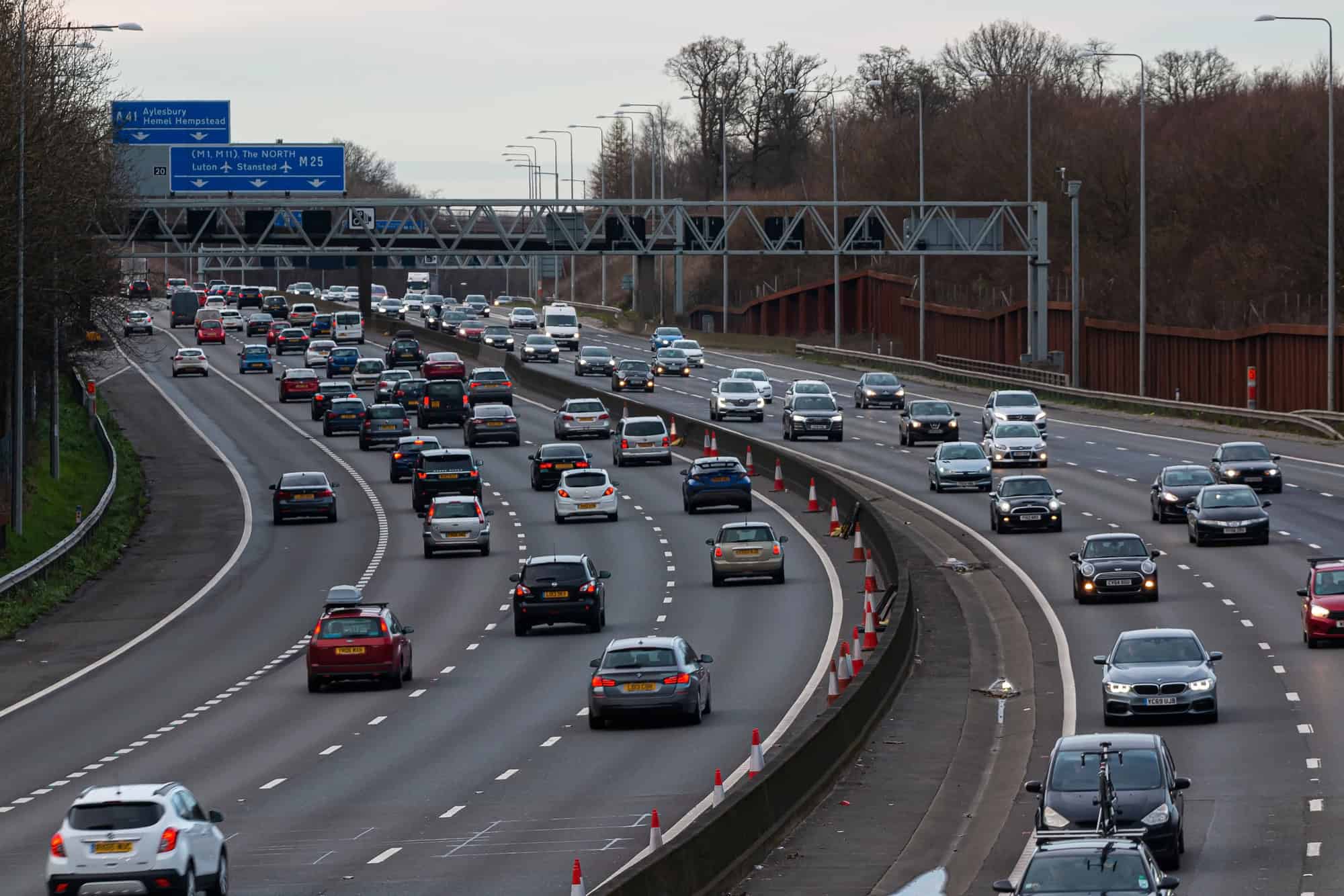
What Revoked Home Office Approval for 154 Motorway Speed Cameras Means for Every Driver
Trending on Motoring Chronicle

Why Subaru Is Telling Owners of Brand New Crosstreks and Foresters Not to Drive
UK Drivers Could Face New Points and a £500 Fine Under Government Plans

Which Side Is the Accelerator and Brake?

Late Night Car Meets Banned in Kensington as Court Grants Police Seizure Powers