
Every New Car Sold in Britain Now Has a Speed Limiter That Resets Itself Every Journey

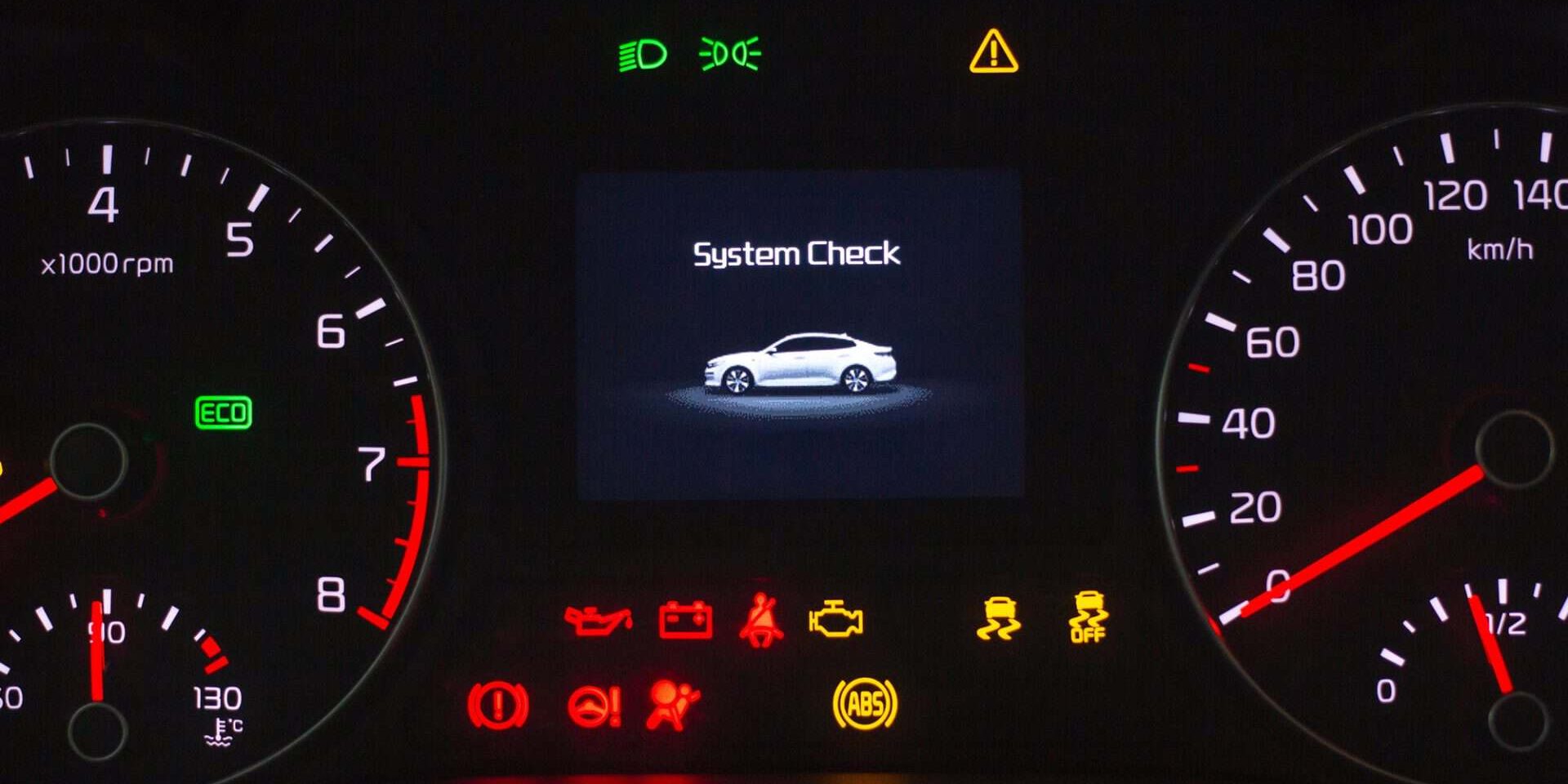
From 7 July 2026, every new car submitted for type approval in the United Kingdom must be fitted with Intelligent Speed Assistance. If you have bought or ordered a new car since that date, it will have the system installed. If you are planning to buy one in the coming months, it will be part of the package. This guide explains what the technology actually does, how much control you keep as a driver, and what buyers of both new and used cars need to know before they sign.
What Intelligent Speed Assistance Actually Does
ISA uses a combination of GPS satellite data and a forward-facing camera to identify the speed limit on the road you are driving. The GPS component matches your position against a database of mapped speed limits maintained by the manufacturer. The forward camera reads physical road signs in real time. Both sources work together, with the camera able to pick up temporary limits around roadworks that may not yet appear in the stored database.
Once your speed exceeds the limit the system has detected, it responds. The exact response depends on how the manufacturer has implemented ISA. Most new cars combine an audible warning, a flashing speed limit symbol on the dashboard, and active speed reduction by limiting engine acceleration. Some cars use a haptic response instead, making the accelerator pedal feel noticeably heavier or more resistant once you cross the detected limit. Others use a combination of all three.
The important distinction is that ISA is not the same as a speed camera. It does not record your speed, generate a fine, or communicate anything to the police or DVLA. It is a driver assistance system designed to reduce unintentional speeding, not an enforcement tool.
Can You Override or Disable It?
Yes, you can override it in the moment. The regulation governing ISA states that the system must work with the driver and must not restrict their ability to act at any moment during driving. Pressing firmly on the accelerator overrides it immediately. If you need to accelerate to complete an overtake, avoid a hazard, or merge onto a motorway at a safe speed, pressing through the resistance will allow you to do so without the system stopping you.
However, overriding ISA does not switch it off permanently. The moment you ease back on the accelerator, it re-engages at the detected limit. More significantly for drivers who find it intrusive, ISA resets at the start of every new journey. Some manufacturers allow drivers to switch the system off or reduce its sensitivity through a settings menu, but that preference is cancelled the next time the ignition is turned off. Start the car again the following morning and ISA is active again regardless of what you chose the day before.
This mandatory reset is written into the regulation deliberately. A driver cannot permanently disable ISA once and leave it off for the life of the car.
Which Cars Must Have It?
Any car submitted for a new type approval from 7 July 2026 must include ISA. New type approvals are required when a manufacturer launches a new model, a significantly updated version of an existing model, or a new powertrain variant. As manufacturers refresh their ranges, the requirement applies to each new submission.
Cars that already had type approval before 7 July can continue to be sold under that earlier approval during a transitional period. However, as each model works through its production run and requires a fresh approval, ISA becomes mandatory. In practical terms, if you buy a new car registered from approximately mid-2026 onwards, it will almost certainly have ISA installed as standard.
Many cars already had versions of ISA fitted before it became mandatory. Manufacturers including Volvo, Mercedes, Volkswagen Group brands and Ford had been installing the technology as part of their safety packs for several years. What changed on 7 July is that fitment is no longer optional for manufacturers seeking new type approval.
What Happens When the Database Gets It Wrong?
Speed limit mapping is not perfectly current at all times. A stretch of road may have had its limit changed after the database was last updated. Signs may be partially obscured by overhanging foliage, a parked vehicle, or adverse weather. Temporary limits around roadworks may not yet appear in the stored data. In these situations, ISA can react to a limit that does not match what the physical signs are showing, which may mean the system warns or restricts you when the road actually permits a higher speed.
The camera element helps by reading actual road signs, but even cameras can be confused by unusual sign placement, worn markings, or signs that are partially concealed. The practical guidance from road safety organisations is to treat ISA as a useful prompt rather than a definitive authority. If the speed limit shown on your dashboard conflicts with what the road signs are showing, you should trust the signs and override the system if necessary.
Manufacturers are required to keep their databases updated, typically through over-the-air downloads or updates applied at service intervals. If you buy a new car with ISA, check with the dealer how database updates are delivered and how often they happen. An outdated map leads to more frequent incorrect interventions, which in turn leads to drivers overriding the system more often than necessary.
The Case For and Against Mandatory ISA
Road safety organisations and some insurers support mandatory ISA on the basis that excess speed is a factor in a significant proportion of serious collisions on UK roads. Research from the Transport Research Laboratory suggests that advisory ISA reduces speed limit violations in controlled conditions. Active ISA, which limits acceleration rather than just warning, shows stronger results in studies, though real-world effects can differ from laboratory environments where drivers know they are being observed.
Critics, including some driver groups and motoring commentators, argue that mandatory ISA removes discretion from experienced drivers in situations where a brief period above the limit is the safer option. Examples include accelerating through a gap in traffic on a roundabout, or matching the speed of motorway traffic during a merge rather than creating a dangerous differential. The override function addresses this in theory, but it requires the driver to react quickly and confidently in situations where their attention is most needed elsewhere.
There is also the question of distraction. If a driver is monitoring and managing the ISA response rather than reading the road, the system may introduce a form of cognitive load it was designed to reduce. How significant this is in practice will become clearer as ISA-fitted cars accumulate real-world mileage and collision data over the coming years.
Practical Advice for New Car Buyers
Before taking delivery of any new car, ask the dealer to demonstrate specifically how ISA works on that model. Implementation varies across the market. Some cars produce a persistent audible warning that many drivers find irritating on familiar roads. Others use a lighter touch with a dashboard indicator and gentle haptic feedback. Knowing which type your car uses before your first drive prevents the system feeling like an unwelcome surprise.
If the car gives you options in the settings menu to adjust ISA sensitivity or response type, spend time familiarising yourself with them before a long journey. Some manufacturers allow drivers to choose between audio-only, haptic-only, or combined responses, and some let you set whether the speed display flashes or stays fixed. Selecting the least intrusive response for your driving style makes living with the system considerably more comfortable.
Check whether your car’s speed limit database receives over-the-air updates automatically or whether you need to request them. If updates require a trip to a dealer or a manual download via USB, put it in your calendar to check at each service interval. A database that is several months out of date will produce noticeably more incorrect interventions, particularly in areas where 20mph zones have been recently introduced or changed.
What Used Car Buyers Need to Know
The July 2026 type approval requirement does not apply to cars already on the road. No retrofit requirement exists, and there is no plan to introduce one. If you buy a used car, whether it has ISA depends entirely on whether the manufacturer chose to fit it before it became mandatory, or whether the vehicle was built to a type approval submitted after the deadline.
Many popular models sold from around 2022 onwards already included ISA or a similar system as part of a driver assistance or safety pack, sometimes as standard equipment and sometimes as an optional extra. If you are buying used and want to verify whether a specific car has the system, check the official specification sheet for that model year and trim level, or ask the seller to demonstrate the technology during a test drive.
If you would prefer a car without ISA, the used market remains the clearest route to avoid it. Vehicles already on the road are unaffected by the new requirement, and the supply of pre-July 2026 stock on forecourts will remain significant throughout the rest of this year and beyond.

Leave a Comment
More in News

Leicestershire Council Took £900,127 in Parking Penalties as Notices Issued Rise 9.3 Percent

How the DVLA’s Digital Driving Licence Will Work for Every UK Driver in 2026

Autotrader Shows Used Petrol Cars Cost £14,625 as 17 Months of Price Rises End

Catalytic Converter Thefts Are Rising Again and Could Cost Every Van Owner over £1,000

How California’s New Robotaxi Law Could Fine Waymo and Tesla $10,000
Trending on Motoring Chronicle

Honda UK Launches Eight-Year Warranty That Transfers to Used Buyers From 1 June

Aston Martin DBX GT Adds Ultra-Luxury Trim to 727PS Super-SUV Range

Mercedes-AMG CLE Coupé and Cabriolet gain exclusive special model [Photo Gallery]

Why Your Car Has No Spare Tyre (and What To Do About a Flat)
