Why a Quarter of UK Drivers Suffered Vehicle Crime Last Year and How to Protect Your Car


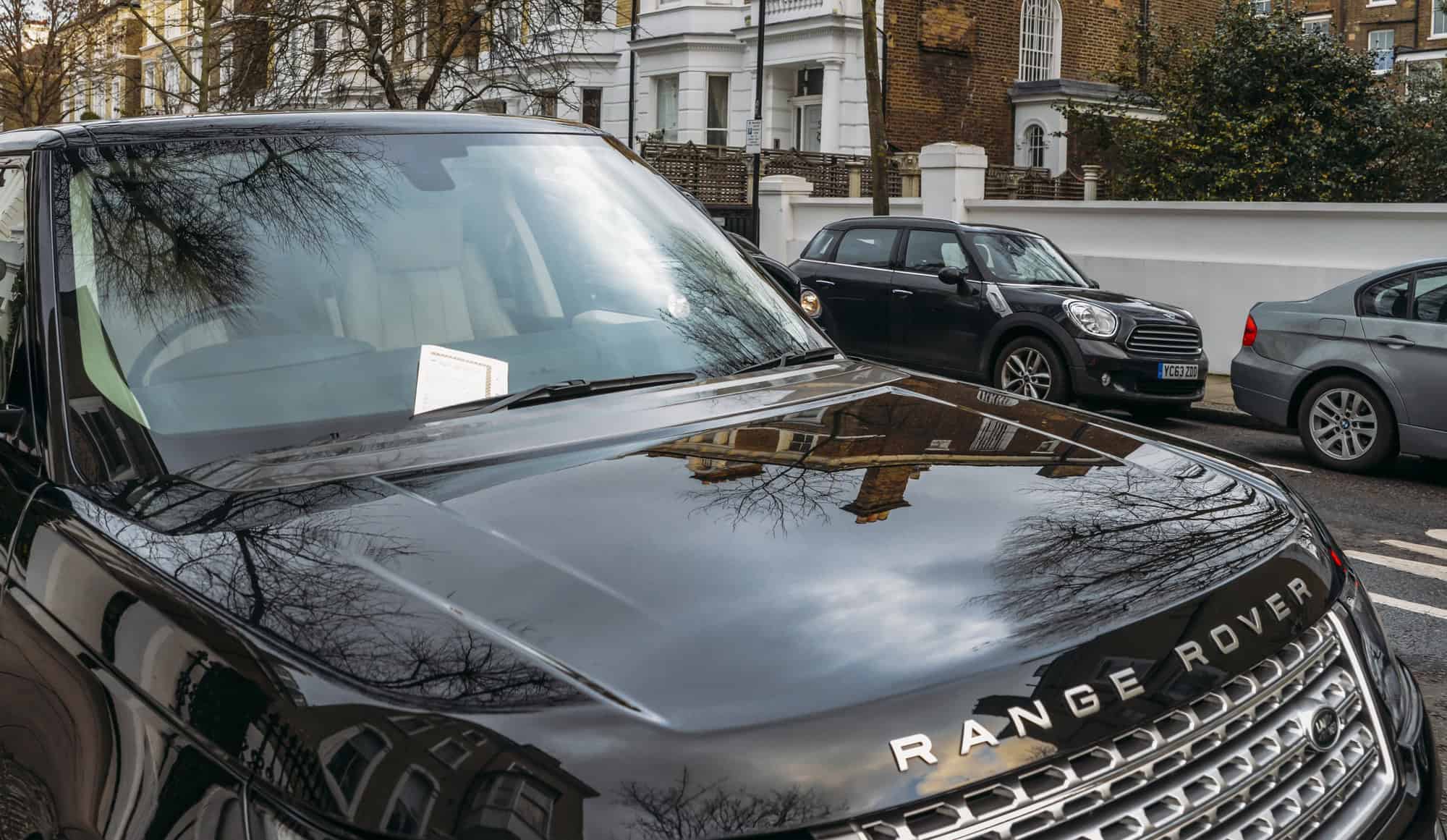
A quarter of UK drivers experienced vehicle crime in the past 12 months, according to new research from the RAC. That figure, drawn from a survey of more than 2,000 motorists, translates to millions of households dealing with theft, vandalism or break-ins each year. In urban areas the picture is worse still: 45% of city and town centre drivers say they have been targeted. With car thieves now operating more quickly, more quietly and with better technology than ever before, the advice on protecting a vehicle has changed significantly from the days of simply keeping it in a garage.
The overall vehicle theft picture has worsened sharply. ONS figures for the year to March 2025 recorded around 130,000 vehicle thefts in England and Wales, representing a 12% increase on the previous year. A car is stolen approximately every three minutes in the UK, and only around 40% of stolen vehicles are ever recovered. The financial and practical disruption of a stolen car goes well beyond the vehicle’s value: insurance excess payments, hire car costs, time off work and the difficulty of replacing like-for-like at current used car prices all add to the real cost of a theft.
What the Data Shows About Where and How Crimes Happen
The RAC’s research breaks down crime by location in ways that challenge common assumptions. Almost 38% of all vehicle thefts happen in semi-private areas: driveways, residential car parks, and streets immediately surrounding the owner’s home rather than in busy public car parks or shopping centres. The proximity factor matters because many keyless entry vehicles are stolen from driveways using relay attack equipment that can capture and amplify a key fob signal from inside the house.
Among the specific types of crime recorded, urban drivers reported deliberate vandalism including scratches and dents at 19%, theft from the vehicle interior at 13%, vehicle theft at 11%, and theft of vehicle parts including catalytic converters, wheels and steering wheels at 11%. In suburban and rural areas, all figures are significantly lower, with theft from vehicles affecting 7% and vehicle theft 4%.
Catalytic converter theft remains a significant problem despite a fall from peak 2021-22 levels. Converters on hybrid vehicles including the Toyota Prius, Toyota RAV4 and Honda Jazz remain high-value targets because their converters contain higher concentrations of platinum group metals. A converter replacement can cost between £1,000 and £3,000, and most standard comprehensive policies cover the theft but not the subsequent immobility costs. In 2026, the Scrap Metal Dealers Act was further tightened to require ID checks for converter sales, which has slowed the recycling pipeline for stolen parts but has not eliminated the problem.
The Relay Attack Explained and How to Stop It
The single biggest contributor to rising vehicle theft rates is the exploitation of keyless entry systems. A relay attack requires two people with two small electronic devices costing as little as £100 to buy online. One person stands near the owner’s front door or window, capturing the signal emitted by the key fob even through walls. A second person stands near the target vehicle with a second device that retransmits the captured signal. The car unlocks, the engine starts, and the vehicle is driven away within 60 seconds. Many victims describe waking to find the car gone from their driveway with no sign of forced entry and no alarm having triggered.
The most effective and cheapest defence against relay attack is a Faraday cage pouch or box for the key fob. These pouches use metal mesh lining to block all radio signals from the key, preventing it from being captured and retransmitted. Pouches cost between £10 and £20 on Amazon or at high street retailers. Test any pouch you buy by placing your key inside it and attempting to unlock your car at close range: if the car does not respond, the pouch is working. Placing the fob in a metal tin or a microwave oven (not turned on) achieves the same effect. Keys stored on a hook near the front door should always be in a Faraday pouch or moved away from external walls entirely.
A steering wheel lock provides a low-cost secondary deterrent that works regardless of whether a thief has successfully relayed the key signal. Even if a thief can start the engine, a robust steering wheel lock such as those made by Disklok or Stoplock prevents the car from being steered and driven away. Disklok models cost between £85 and £150 and have an independent insurance recognition that may qualify some drivers for a small premium reduction. The psychology of deterrence also matters: a visible physical lock on the steering wheel makes a target car significantly less attractive to a thief who knows there are easier vehicles nearby.
Trackers, Immobilisers and Data Marking
A GPS tracker increases the chance of recovery dramatically. The RAC’s own analysis suggests that vehicles fitted with a tracking device and reported stolen have a recovery rate several times higher than those without. Thatcham Research, the motor insurance research centre, categorises trackers by type. A Category S7 tracker monitors and alerts on battery drain and tow-away events. A Category S5 tracker provides active monitoring with a 24-hour control centre. Prices range from around £150 to £400 fitted for a reputable unit from suppliers such as Meta Trak, RAC Track and Smartrack. Some insurance providers offer a modest premium reduction for vehicles with a Thatcham-approved tracker fitted.
A Ghost immobiliser is a hidden secondary anti-start system that requires the driver to enter a PIN sequence using existing buttons in the car before the engine will start. It cannot be bypassed by relay attack because it is not triggered by the key signal but by the driver’s manual input. Ghost units from Autowatch cost around £400 to £600 fitted and are undetectable through OBD diagnostic ports. They have become one of the most recommended anti-theft solutions by insurance specialists working in the high-risk vehicle theft market.
Data marking systems including Datatag and Selectamark apply a unique microscopic identity code to vehicle parts, glass and bodywork that makes stolen components identifiable to police and reduces their value to thieves who sell to scrap dealers. Marking kits cost around £25 to £50 and can be self-applied. The presence of a data marking system is indicated by a window sticker that warns potential thieves the vehicle is registered. The deterrent effect is particularly useful for catalytic converters, alloy wheels and electronic control units that have a significant second-hand resale value.
How to Report Vehicle Crime and What to Expect
Vehicle theft or damage should be reported to the police by calling 101. For theft in progress or if you are at risk, call 999. The police will provide a crime reference number which you will need for any insurance claim. In England and Wales, you can also report vehicle crime online at report.police.uk, which generates the same crime reference.
When reporting, provide as much detail as possible: the make, model, colour, registration number and VIN (chassis number) of the vehicle, the exact time and location of the theft, and any CCTV cameras in the vicinity. If your vehicle has a GPS tracker, inform the police control room immediately, as some forces can receive live tracking data directly from tracker control centres to aid rapid recovery.
For theft from a vehicle rather than of the vehicle, the advice is to remove all valuables including sat navs, charging cables, bags and loose change, and to avoid leaving anything visible in the car that could attract attention. Even an empty bag left on a seat has been enough to trigger a smash-and-grab in high-crime urban areas. A dash cam installed to face the road also faces the car interior when the vehicle is parked, providing potential evidence if a break-in occurs.
Sources:
- RAC Drive: Quarter of drivers say they have suffered vehicle crime
- Motoring Research: A quarter of UK drivers suffered vehicle crime last year
- Bison Security Posts: Vehicle Theft Statistics UK 2026 Update
- Motoring Chronicle: Why The Toyota C-HR Has Just Overtaken The Ford Fiesta As Britain’s Most Stolen Car

Leave a Comment
More in News

America Is Investigating This Engine. Britain Has Not Recalled One Car

Why Connecticut Drivers Cruising in the Left Lane Now Face an $88 Fine

Hurricane Isaias Flooded Thousands of Cars That Could Reach Used Lots

Gas Prices Jump to $4.36 a Gallon as the National Average Rises 40 Percent in a Year

NHTSA Recalls Over 346,000 Vehicles From Ram, Ford, VW and Land Rover
Trending on Motoring Chronicle
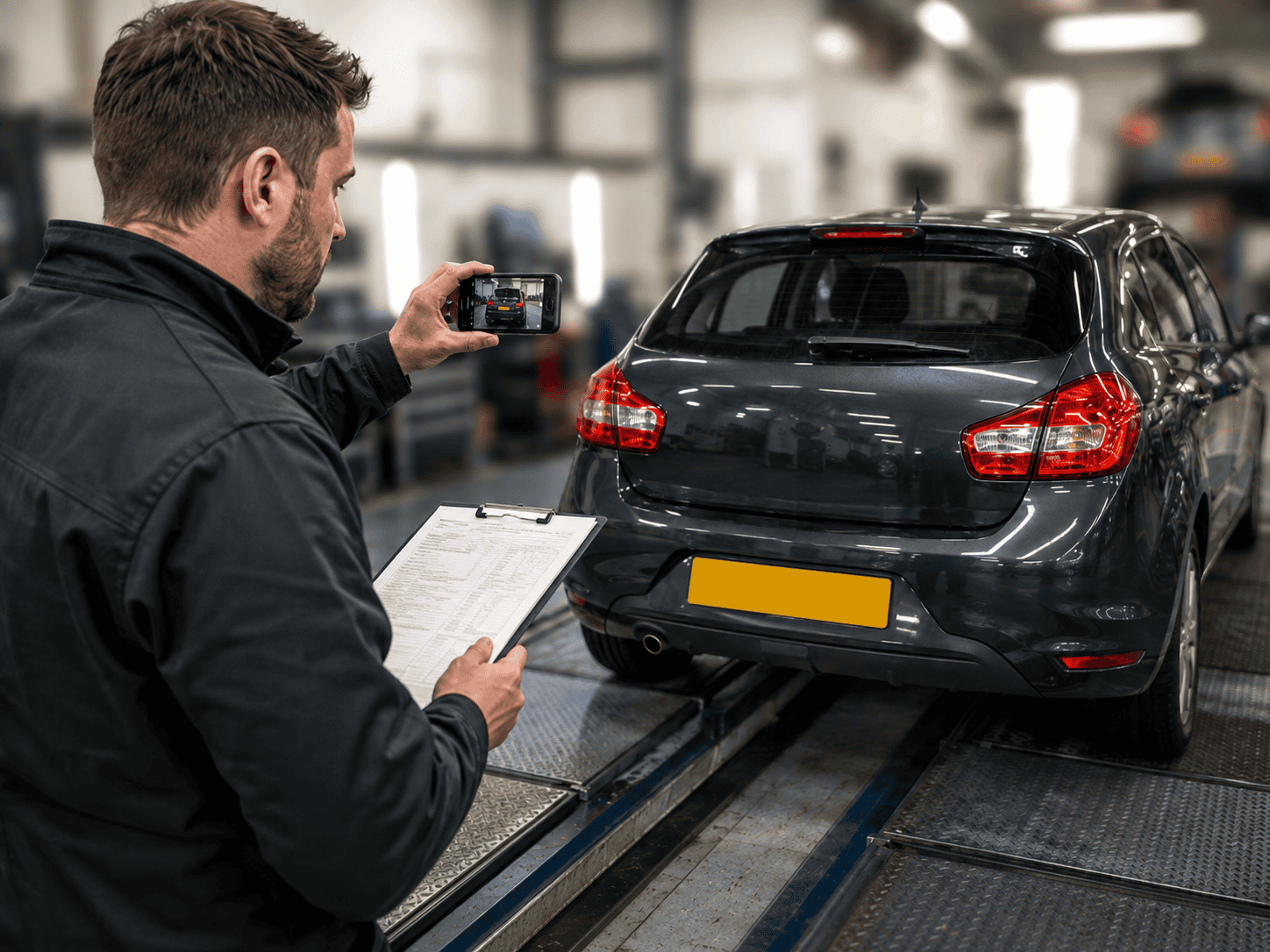
DVSA Rolls Out MOT Photos Nationwide After 1,809 Cases of Fraud

2027 Kia Carnival Priced From $37,490 With New Captain’s Chairs on EX and SX

DENZA Z9 GT Priced From £95,000 as Chinese Premium Brand Launches in the UK

Idaho Stops Issuing CDLs to Out of State Truck Drivers Starting July 1