How Three Penalty Points This Bank Holiday Could Add £108 to Your Annual Insurance Bill
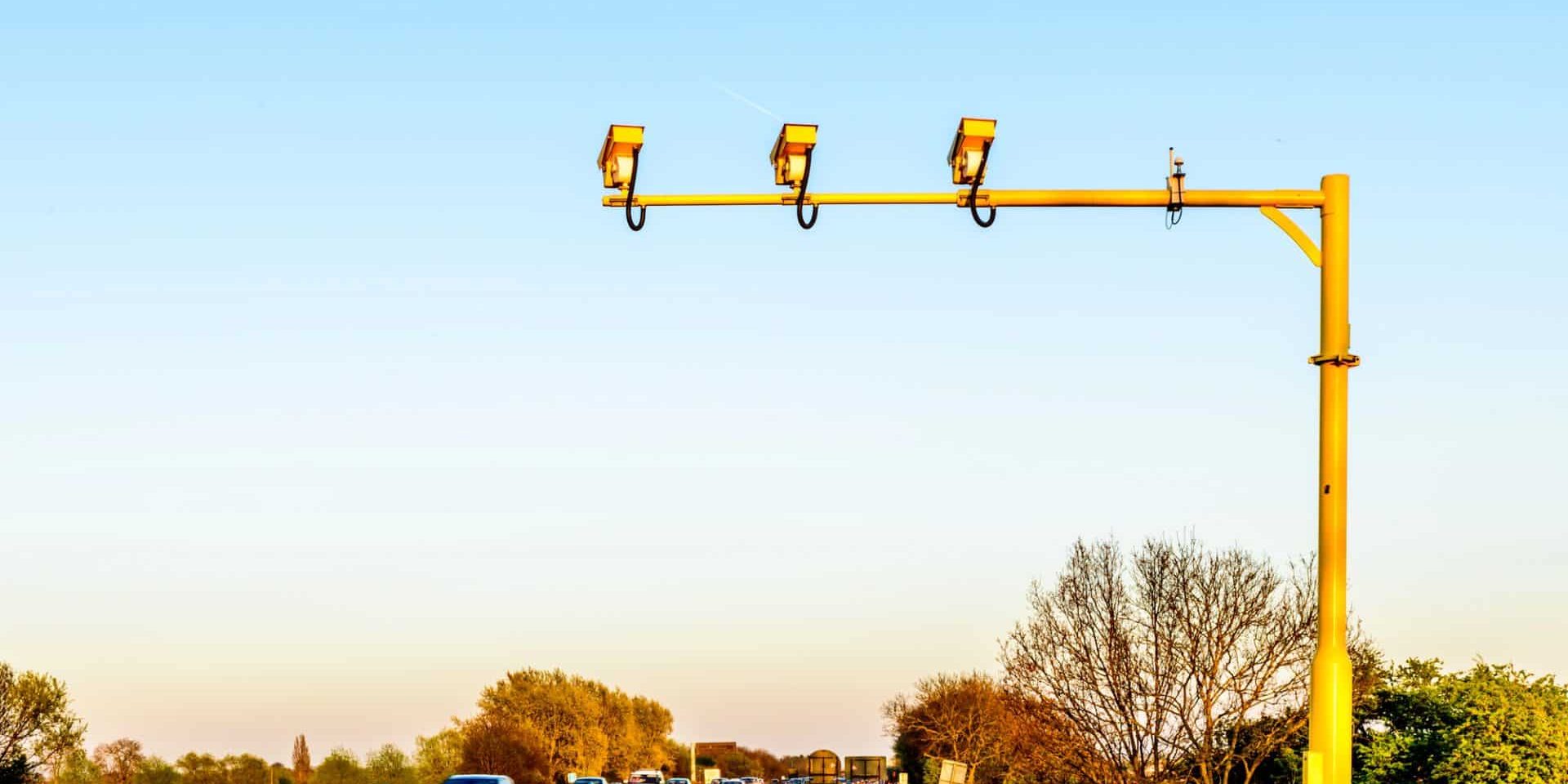
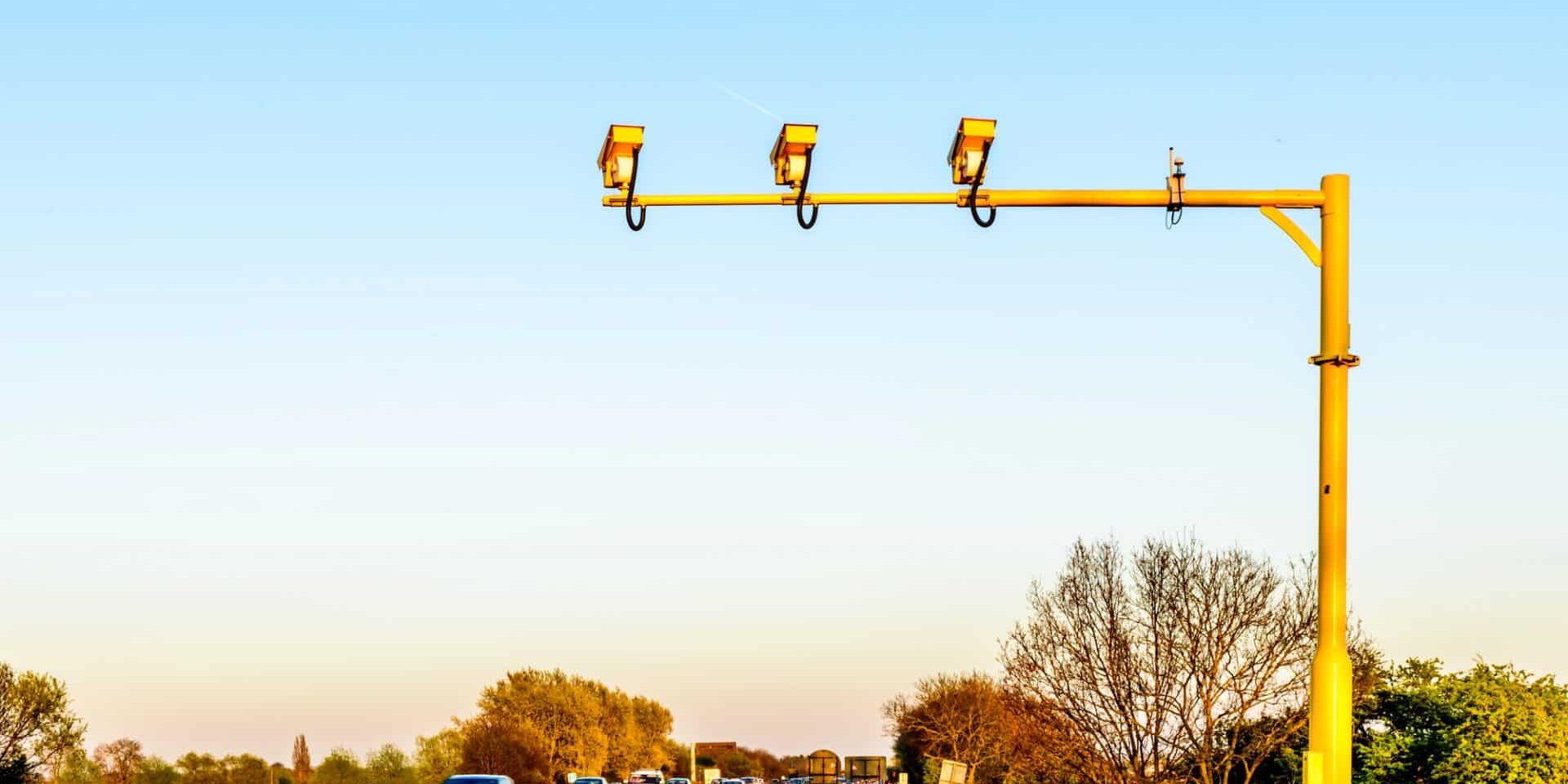
A single speeding ticket picked up during the bank holiday weekend this Friday could increase your annual car insurance premium by £108 or more, according to industry data on how penalty points affect insurance costs. With the late May bank holiday expected to see 19 million journeys on UK roads, enforcement is set to be at its most intensive of the year, and insurers are clear that any points earned over the weekend will be declared for the next five years every time a policy is renewed.
Research published by WTW (formerly Willis Towers Watson) found that the average UK comprehensive motor insurance premium stands at £726 per year, down around 13% from the peak reached in mid-2025 but still elevated by the claims inflation that followed the post-pandemic parts shortage. Three penalty points, which is the standard award for a fixed penalty speeding notice in the lowest offending band, add approximately 15% to that baseline premium. On a £726 policy, that is an extra £108 per year, and the points remain on your licence for four years. The cumulative cost over the points period reaches £432.
How Points Affect Different Types of Driver
The premium increase is not uniform across age groups. For drivers aged 45 to 64, three penalty points increase premiums by around 25%, according to the insurance-edge.net analysis of Q1 2026 data. Six penalty points push the increase to 29% for this group, taking a typical annual premium from around £555 to almost £900 per year. For young drivers who are already paying significantly more, the percentage increase is broadly similar but the starting premium is higher, making the cash impact proportionally worse.
Points are not just an immediate cost problem. Under the Rehabilitation of Offenders Act 1974 and the Road Traffic Offenders Act 1988, most fixed penalty points remain on your licence for four years from the date of the offence, but they must be declared to insurers for the full period during which they could affect your premium. Some serious offences, including dangerous driving convictions, remain on the licence for 11 years. Every time you renew your insurance within the declaration period, the points must be disclosed, and the premium surcharge applies afresh to each renewal.
Points also affect your licence independently of insurance costs. Under the totting-up provisions, accumulating 12 or more penalty points within three years results in an automatic driving disqualification. For new drivers who passed their test within the last two years, the threshold is just 6 points, after which the licence is revoked and the driver must retake both the theory and practical tests. The bank holiday weekend is one of the busiest enforcement periods of the year, and police forces in several regions have confirmed they will be running targeted operations on motorways and key trunk roads.
The Most Common Offences and Their Point Values
Speeding is by far the most commonly detected motoring offence in the UK, with more than 2.5 million fixed penalty notices issued per year. A standard speeding fixed penalty carries 3 points and a £100 fine. More serious speeding, including going significantly above the limit or speeding in a school zone or roadworks area, can result in a magistrates’ court summons where the fine is based on income and the points range from 4 to 6. At speeds above a threshold that varies by road type, a driving ban replaces points entirely.
Using a mobile phone while driving carries 6 penalty points and a £200 fine for a first offence. This applies to handheld use while stationary as well as while moving, and includes tapping the screen while holding the phone even if not actively calling. The offence was defined more broadly by the Road Traffic Act changes that came into force in March 2022. Six points for a phone offence takes a driver who was previously clean halfway to a ban, and for new drivers still within their two-year probationary period, it triggers immediate revocation.
Not wearing a seatbelt carries 3 points and a fine of up to £500. Failing to stop at a red light is 3 points and a £100 fine. Driving without due care and attention (careless driving) is 3 to 9 points depending on severity. Tailgating and lane discipline offences are being enforced more actively in 2026 following the Cambridgeshire close-pass operation earlier this year, which targeted drivers passing cyclists within 1.5 metres at speeds above 30mph.
Speed Awareness Courses: Eligibility Has Been Tightened
Until recently, a driver caught speeding at up to 10% above the limit plus 9mph could be offered a speed awareness course in place of fixed penalty points, provided they had not attended one in the past three years. In 2026, eligibility has been tightened. The National Police Chiefs’ Council guidance now limits course offers to the lowest tier of the offending range, broadly meaning drivers caught at no more than 10% plus 6mph above the limit. Drivers caught at higher speeds within the fixed penalty threshold no longer qualify for the course option and will receive points instead.
Speed awareness courses cost around £80 to £100 and take approximately four hours. They do not add points to a licence and do not increase insurance premiums, which is why drivers eligible for them are almost always better off accepting the course rather than the fixed penalty. However, the course must be completed within a set period, typically 16 weeks of the offer date, and cannot be taken more than once every three years. A driver who completed a course in the past three years and is caught speeding again must accept the fixed penalty.
What to Do This Bank Holiday Weekend to Stay Clean
The practical steps are straightforward. Check your speedometer regularly rather than relying on a general sense of road speed, particularly on motorways where a 70mph flow of traffic can make 80mph feel normal. Set a speed alert in a navigation app such as Waze or Google Maps; both will warn you when you approach the posted limit on any road in real time.
On mobile phones, use a cradle and Bluetooth or a car audio system that is connected before you start the engine. The law does not require you to pull over to use a hands-free system, but it does require that the phone is secured and that you are not holding it. Voice commands through Apple CarPlay or Android Auto allow you to send messages and make calls without touching the screen.
Leave more time than you think you need. The main cause of bank holiday speeding is the frustration of being behind schedule, particularly when drivers have flights to catch or family events to reach. INRIX forecasts the worst delays between 4pm and 7pm on Friday and between 11am and 2pm on Saturday. Leaving outside those windows, or building in a 30-minute contingency, removes most of the pressure that leads to the kind of driving that attracts enforcement attention.
Variable speed limits are in force on all motorway sections with overhead gantry signs, including the M25 Smart Motorway sections, the M6 between Birmingham and Preston, and the M1 north of Nottingham. These limits are legally enforceable, and HADECS 3 cameras, which operate without a flash, are active on these sections. A HADECS 3 camera can record vehicles in all lanes simultaneously without any visible indication to the driver that an offence has been captured.
Sources:
- WTW: UK car insurance premiums continue to slide with 13% annual fall
- Insurance Edge: Penalty points can really bump up those car insurance premiums
- GB News: Millions of drivers at risk of disqualification for common driving offence
- Motoring Chronicle: How Cambridgeshire’s Close Pass Crackdown Could Cost Drivers Six Points and a £100 Fine

Leave a Comment
More in News

Why Your Car Clicks But Won’t Start (and What to Do)
Diesel Drivers Pay £31 More Per Tank Than a Year Ago, DESNZ Data Shows

Dodge Extends Durango Taillamp Warranty to Five Years, Unlimited Miles

Edinburgh Council Issued 40,945 LEZ Fines and Cancelled 2,773 After Driver Challenges

What a Coolant Warning Light Means Before It Costs You a £1,000 Repair
Trending on Motoring Chronicle

RAC Warns of Britain’s Busiest Getaway Weekend in Four Years
Three…Two…One: Toyota Debuts Amazing All-New RAV4

Land Rover Recalls 15,535 Discoveries Over Cameras Ruined by Trapped Water

Polestar 4 Coupe Gains Retuned Chassis and New Trims, Now on Sale From £56,750