How Birmingham Council Racked Up £472,000 in Fines for Breaking Its Own Clean Air Zone Rules
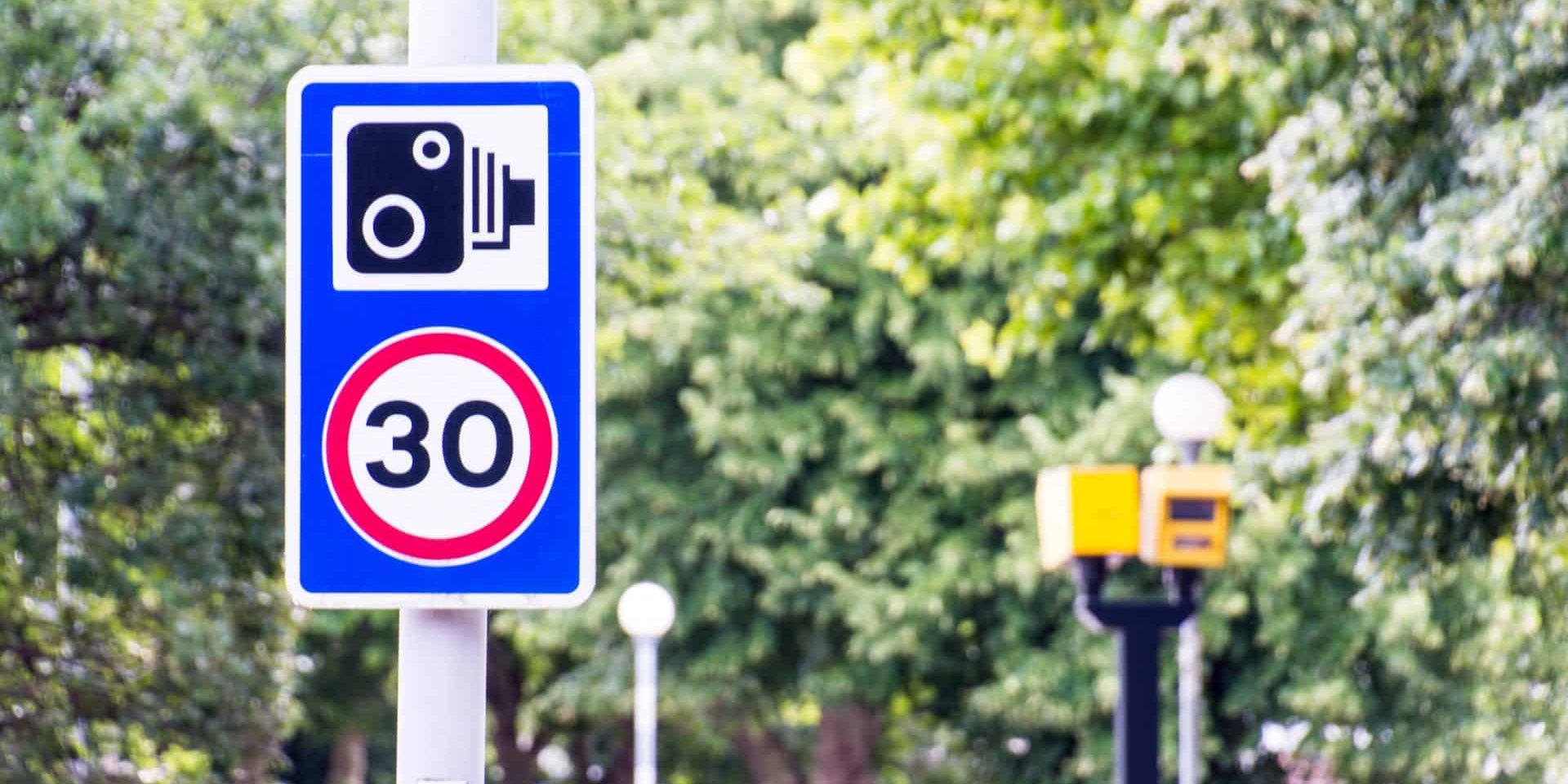
Birmingham City Council has accumulated £472,253 in charges from its own Clean Air Zone since the zone launched, according to figures covering 3,262 separate enforcement events recorded between 2021 and March 2026. The council, which operates the CAZ it built and enforces, became liable for those charges because a significant portion of its own vehicle fleet did not meet the emission standards the zone was designed to enforce. This is not a minor administrative embarrassment. It is a number that dwarfs what any other local authority in the country has racked up against itself, and it raises serious questions about how a council managing a Section 114 financial emergency can justify running one of the largest municipal fleets in the country while routinely breaching the clean air standards it imposes on everyone else.
The figures, reported in late May 2026, show that 142 of the council’s 1,170 vehicles remained non-compliant with CAZ emission standards as of March 31st. That is 12 per cent of the fleet. The daily charge for a non-compliant car, van, or taxi passing through the zone is £8. For HGVs and coaches, it is £50. Fail to pay within six days and a Penalty Charge Notice of £120 is issued, reduced to £60 if paid within 14 days. The council has been paying these charges to itself, which means the money cycles through internal budgets rather than being lost, but the operational cost of running a non-compliant fleet and the management failure it represents are real regardless of the accounting treatment.
How 3,262 Charges Built Up Over Four Years
Birmingham’s Clean Air Zone launched in June 2021, covering the city centre and targeting older, more polluting vehicles with daily charges for non-compliant drivers. The zone uses Automatic Number Plate Recognition cameras to identify non-compliant vehicles and trigger charges automatically. There is no exemption for the vehicles of the authority that operates the cameras.
From the moment the zone opened, council fleet vehicles that did not meet Euro 6 diesel or Euro 4 petrol standards began generating charges. The accumulation of those charges over four years to the £472,253 figure reflects both the size of the non-compliant portion of the fleet and the regularity with which those vehicles passed through the zone in the course of normal council operations. Refuse lorries, maintenance vans, and passenger vehicles connected to council services would all have been captured in the ANPR data and logged as chargeable journeys.
The council is not alone in facing this situation. Other UK cities with Clean Air Zones have also seen their own vehicles trigger charges. But the scale of Birmingham’s liability is, according to comparative analysis of council data, more than 20 times higher than any other local authority in the country. The combination of the size of the city, the size of the council fleet, and the pace at which the fleet was upgraded accounts for that gap.
Council finances provide important context. Birmingham declared a Section 114 notice in 2023, the local government equivalent of insolvency, following a financial crisis triggered in part by equal pay liabilities. Government commissioners were appointed to oversee the council’s finances and spending decisions. Every pound spent on CAZ charges against itself is a pound that must be accounted for within a budget under external oversight, making the fleet management failure harder to explain to the commissioners and to residents.
The Waste Department, the Bin Strike, and the Biggest Single Source of Charges
The waste department was identified as the single largest contributor to the council’s self-generated CAZ charges, and the timing of its highest-liability period corresponds with Birmingham’s bin strike, which ran for 12 months and became one of the most prominent industrial disputes in UK local government in recent years. During the strike, refuse collection operations were disrupted, but fleet movements continued as the council attempted to maintain services with a reduced workforce and, at points, additional non-standard vehicles brought in to cover gaps.
HGVs and large refuse vehicles attract the highest daily CAZ charge at £50 per non-compliant journey. A waste fleet making multiple runs per day, with older vehicles that had not yet been upgraded to meet emission standards, would generate charges rapidly. The combination of an extended industrial dispute, maintained fleet activity, and the presence of older vehicles in that part of the fleet created the conditions for a high concentration of charges in a short period.
The council has acknowledged the situation and indicated that fleet replacement is ongoing. As of March 31st, 142 non-compliant vehicles remain in service. The stated target is to bring that number down, but the pace of replacement depends on procurement budgets that are themselves subject to the restrictions imposed under the Section 114 framework. Fleet investment competes with every other spending priority in a council under financial supervision.
What the CAZ Rules Mean for Everyday Drivers in Birmingham
For private drivers and business owners operating in Birmingham, the Clean Air Zone operates without any of the latitude the council appears to have given its own fleet over time. ANPR cameras capture every non-compliant vehicle entering the zone, and charges are issued automatically. The daily £8 charge for a non-compliant car or van adds up quickly for anyone who uses the city centre regularly. Over five working days a week, that is £40. Over a month, it is approaching £175 for a single driver.
Failure to pay the daily charge within six days escalates to a £120 Penalty Charge Notice, or £60 if paid within 14 days of the PCN being issued. Contest the PCN and lose, and the original amount is reinstated. Ignore it, and debt recovery action follows. For small businesses running older vehicles in the city, the CAZ can represent a significant ongoing operational cost that was not built into any financial planning made before the zone launched.
Exemptions exist for some vehicle types, including certain emergency vehicles, military vehicles, and vehicles used by people with disabilities who hold a blue badge. Vehicles meeting the emission standards do not pay. For drivers of older petrol cars that meet Euro 4 standards or diesel cars meeting Euro 6 standards, there is no charge. The practical problem for many drivers is that older diesel vehicles, particularly those registered before 2015, frequently do not meet Euro 6 and attract the charge every time they enter the zone.
How Charities Serving Birmingham Residents Have Been Caught in the Middle
The human cost of the CAZ sits not just with private drivers but with the voluntary organisations that operate vehicles to serve vulnerable residents. Sharon Power, who runs Kings Heath Food Bank, has described how the zone has affected the charity’s ability to carry out its work. The food bank operates vehicles that travel into the zone to collect and distribute food, and without an exemption, those journeys generate charges.
One food bank volunteer accumulated approximately £800 in CAZ charges before the charity became aware of the scale of the problem. An application to the council for a charitable exemption was rejected. The food bank now has to absorb those costs from its operating budget, which directly reduces the amount it can spend on food and services. Power has estimated that the financial pressure caused by the zone means the charity is now able to help approximately half as many people as it could before the charges began.
Under the rules governing Clean Air Zone revenue, surplus income must be reinvested in transport and environmental initiatives rather than diverted to general council spending. This means the charges collected are ring-fenced. But for charities and small organisations operating on thin margins, that accounting distinction provides little comfort when the charges arrive regardless.
What the Council Has Said and What Comes Next
Birmingham City Council has confirmed that fleet replacement is underway and that the number of non-compliant vehicles is being reduced. The council has not disputed the £472,253 figure and has described the charges as an internal cost that will decrease as older vehicles are retired. The government commissioners overseeing the council’s finances are aware of the situation as part of their broader oversight of council expenditure.
For drivers and businesses in the city, the practical advice remains unchanged: check whether your vehicle is CAZ-compliant before driving into the zone, use the Birmingham CAZ checker on GOV.UK to confirm your vehicle’s status, and factor any applicable charges into your costs if you cannot avoid the zone. The charges are automated and there is no grace period for vehicles that are non-compliant. The ANPR system does not distinguish between a large council fleet and a single driver making one trip into the city centre.
The broader question raised by the figures is one of consistency. A council that built a zone to reduce vehicle emissions, and that has spent years telling drivers to upgrade their vehicles or pay to enter, now finds itself having generated almost half a million pounds in charges against its own fleet. The residents paying the daily charge to drive through Birmingham’s Clean Air Zone would be forgiven for thinking that the rules, as applied, have not always worked the same way for everyone.
Sources: GB News (28 May 2026); ITV Central (28 May 2026); Birmingham City Council fleet data; Clean Air Zone charge schedule, GOV.UK.

Leave a Comment
More in News

What to Do If Your Car Aquaplanes (and How Tyre Tread Affects Risk)

Motorpoint Finds Diesel Drivers Face £515 More a Year in Fuel, Doncaster Hit Hardest

Why Your Car’s Stop-Start System Stops Working (and What a New Battery Costs)
What a Red X Actually Means on the Motorway (and What to Do)

RAC Finds Car Repair Bills Near £700 as 25% of Young Drivers Delay Fixes
Trending on Motoring Chronicle
What Six Summer Motorway Closures Mean for West Midlands Drivers Between June and August
Every Insured Driver Pays £40 as MIB Seizes a Record 158,594 Uninsured Cars

Kia Recalls 6,264 Telluride SUVs Over a Driver Seat Belt That Can Lock Up

Why Gas Prices Are Climbing Back Toward $4 as the Hormuz Standoff Drags On