
Your $1,000 Home EV Charger Tax Credit Disappears on June 30
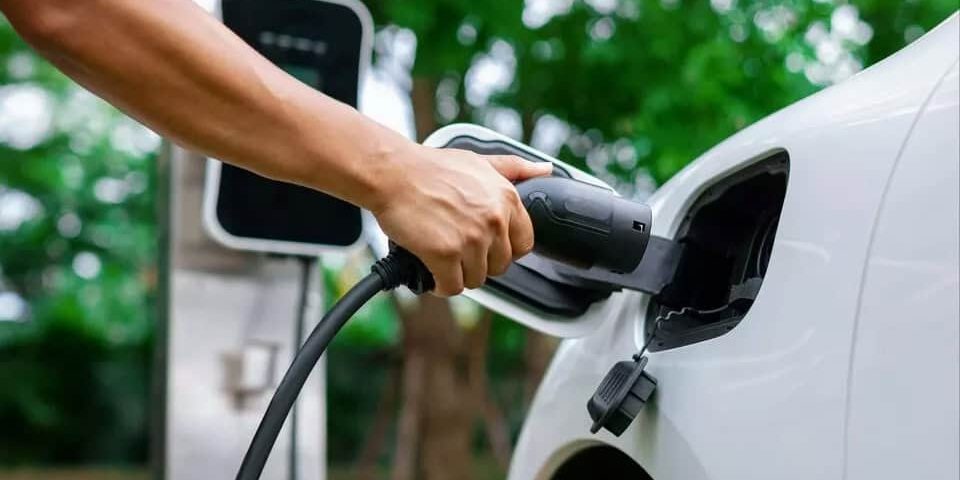
American drivers who have been thinking about installing a home charger for an electric vehicle have less than three weeks to claim the last federal EV incentive still on the books. The Section 30C Alternative Fuel Refueling Property credit, worth 30 percent of hardware and installation costs up to $1,000, expires on June 30, 2026. Equipment must be installed and in service by that date, not just purchased.
The deadline arrives because of the tax and spending package signed into law on July 4, 2025, which wound down the clean energy incentives created by the Inflation Reduction Act. The $7,500 credit for new EVs and the $4,000 credit for used EVs already ended on September 30, 2025. The charger credit is the final piece, and once it lapses there is no federal purchase incentive left for EV buyers or owners.
With a typical professionally installed Level 2 home charger running between $1,200 and $3,000 in 2026, a $1,000 credit can cover a third to most of the project. Miss the date and the same installation costs full price.
How the Credit Works and Who Qualifies
The credit covers 30 percent of what you spend on qualifying charging equipment and its installation, capped at $1,000 for home installations. That includes the charger itself, electrician labor, wiring, conduit, a new circuit breaker and permit fees. Since 2023 the credit has also covered bidirectional chargers, the two way units that can feed power from a vehicle battery back into a home.
There is one restriction many homeowners discover late: eligibility depends on where you live. The credit is limited to installations in low income communities or non urban census tracts as defined by the IRS. Roughly two thirds of Americans live in an eligible tract, but you should confirm before spending. The Department of Energy publishes a mapping tool that lets you check your address against the qualifying census tracts, and your installer or tax preparer can verify it as well.
The credit is non refundable, meaning it reduces the federal tax you owe but will not generate a refund beyond your liability. If you owe $600 in tax for 2026, a $1,000 credit saves you $600, not $1,000.
The June 30 Deadline Is About Installation, Not Purchase
The wording of the law is specific: the property must be placed in service by June 30, 2026. A charger sitting in a box in your garage on July 1 earns nothing. That makes the practical deadline tighter than it looks, because home charger projects involve an electrician visit, sometimes a permit from the local building department, and in older homes occasionally a panel upgrade that adds days or weeks to the schedule.
Electricians in busy markets are already reporting a rush of bookings ahead of the cutoff. If your home needs a simple installation, a short run of cable from a panel with spare capacity, the work itself takes a few hours and can usually be scheduled within a week or two. If your panel is full or your parking spot is far from the service entrance, start immediately. A 100 amp to 200 amp service upgrade can add $1,500 to $4,000 and requires utility coordination that does not move quickly.
Keep every receipt. To claim the credit you file IRS Form 8911 with your 2026 federal return next spring, supported by documentation of the purchase price and installation costs.
What This Means for the Cost of Owning an EV
Home charging remains the cheapest way to run an electric car by a wide margin, with or without the credit. AAA data from June 2026 puts the national average price at a public charging station at 42 cents per kilowatt hour, while residential electricity averages roughly a third of that in most states. An EV driver covering 12,000 miles a year typically saves several hundred dollars annually by charging at home instead of relying on public networks.
That math is why the charger credit has been one of the most claimed clean energy incentives. It lowers the up front barrier to the cheapest form of refueling in the country. Once it expires, the payback period for a home charger stretches out, though it still beats public charging over the life of the vehicle for almost every driver with off street parking.
Businesses face the same June 30 cutoff. Commercial installations qualify for up to 30 percent of project costs with a ceiling of $100,000 per charger for projects meeting labor and construction requirements, so workplaces and fleet depots that have been delaying decisions are confronting a far larger swing than homeowners.
What Help Remains After June 30
Federal support ends, but state, utility and manufacturer programs continue. Several states offer their own charger rebates, and many electric utilities pay customers between $250 and $1,000 toward a Level 2 charger, sometimes in exchange for joining an off peak charging program that also cuts the rate you pay per kilowatt hour. The Department of Energy maintains a searchable database of state and utility incentives at afdc.energy.gov.
Car makers periodically bundle a free home charger or installation credit with a new EV purchase, a practice that picked up after the federal vehicle credits ended last fall. If you are buying an EV later this year, ask the dealer what charging support comes with the car before paying for an installation yourself.
There is also a separate federal deduction worth knowing about. Buyers financing a qualifying new vehicle can deduct up to $10,000 per year in loan interest from 2025 through 2028, and EVs assembled in the United States are eligible. It does not replace the old purchase credit, but it softens the cost of borrowing at a time when the average new car loan rate remains high.
What To Do This Week
Check your census tract eligibility first, then get quotes from at least two licensed electricians and ask each one directly whether they can complete the work and any required inspection before June 30. Confirm the charger you order is in stock rather than on back order. If a permit is required in your area, ask the installer to file it immediately. The credit has survived multiple repeal attempts since 2025, but there is no indication of an extension this time, and the IRS guidance treats June 30 as final.
Sources:
- https://www.kiplinger.com/taxes/605201/federal-tax-credit-for-electric-vehicle-chargers
- https://www.irs.gov/forms-pubs/about-form-8911
- https://afdc.energy.gov/laws/ev-tax-credits
- https://newsroom.aaa.com/2026/06/pump-prices-fall-for-third-straight-week/

Leave a Comment
More in News
How New Speed Cameras With No Warning Could Catch Every UK Driver Out

Every Driver Owed Up to £830 in Car Finance Now Faces a 2027 Delay

What Nearly 670,000 Learner Drivers Face as DVSA Misses Its Seven-Week Test Target

How to Free a Frozen Handbrake (and What a New Cable Costs)

What Winter Tyres Actually Do for UK Drivers (and Whether You Need Them)
Trending on Motoring Chronicle

Paws-itive news for dog lovers: Research shows dogs prefer electric cars for stress-free journeys

How Nearly 70 Percent of Stolen Cars Are Never Returned to Their Owners

Louisiana Doubles Insurance Cancellation Notice to 60 Days [and What to Do if Dropped]

What September’s Record Electric Car Sales Mean for the £3,750 Grant Running Out Early
