What Euro 7 Emissions Rules Mean for Every Driver Buying a New Car from November

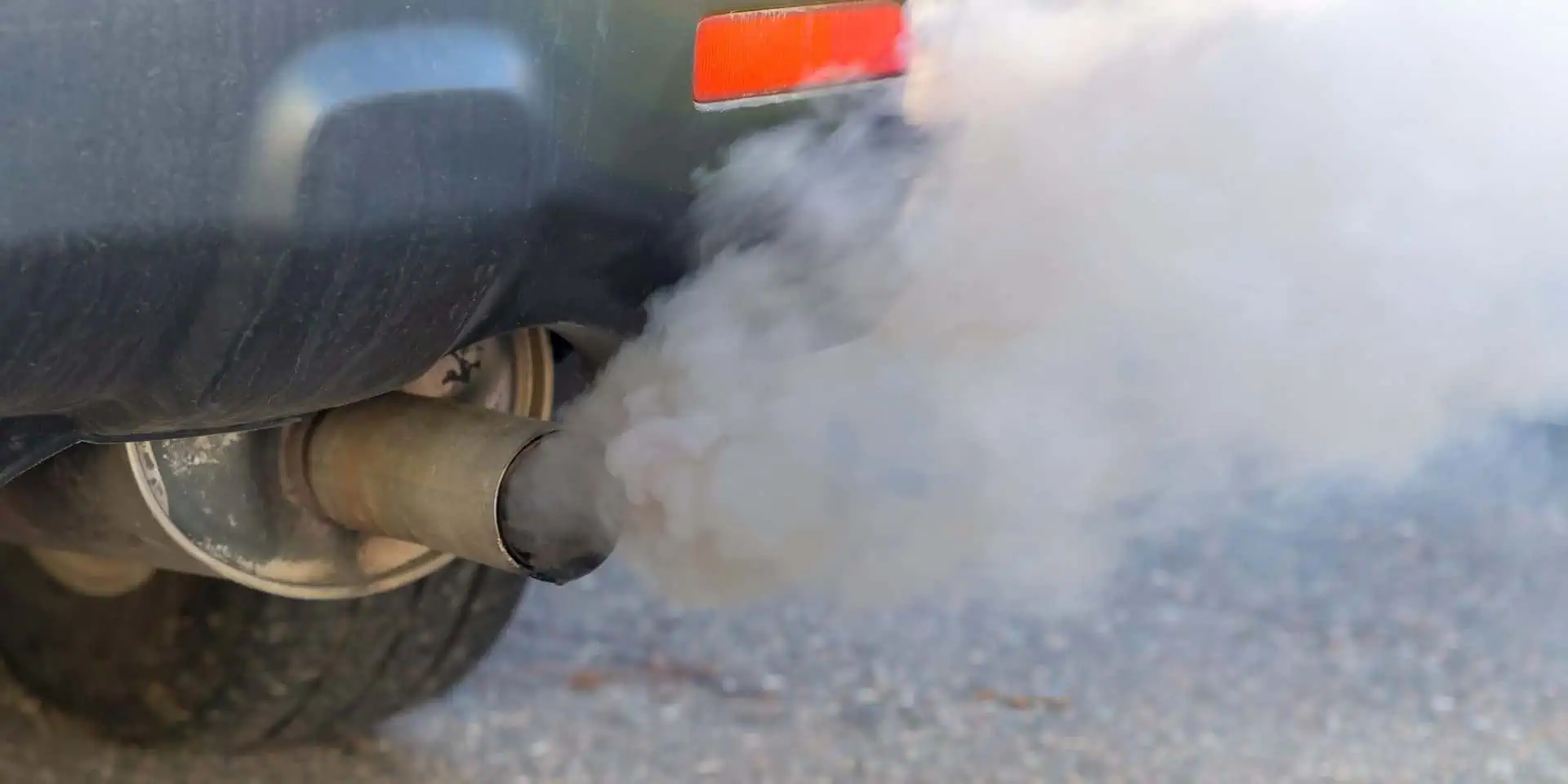
From 29 November 2026, any car or van seeking new type approval in the UK and EU must comply with Euro 7, the strictest vehicle emissions standard ever introduced. This is the seventh generation of regulations that have governed what comes out of a vehicle since 1992, and it represents a significant step beyond its predecessor. Euro 7 is the first standard to regulate particles from brakes and tyres, not just from the exhaust. It extends the period over which vehicles must stay within their limits. It introduces minimum battery performance requirements for electric and hybrid vehicles. And it arrives at a time when the UK government is actively consulting on whether to follow the EU timeline precisely, making this a live issue for anyone planning a new car purchase in the coming months.
What Euro 7 Changes Compared to Euro 6
The current Euro 6 emissions standard has been in place since September 2015. It set separate nitrogen oxide (NOx) limits for petrol and diesel engines and required vehicles to comply for five years or 100,000 kilometres. Euro 7 replaces that framework with a unified NOx limit of 60 milligrams per kilometre that applies equally to petrol and diesel engines, removing the differential treatment that allowed diesel vehicles to emit higher NOx levels under the previous rules.
Testing under Euro 7 is also conducted in more realistic conditions. The new standard requires compliance across a broader range of real-world scenarios, including short journeys, cold starts, and ambient temperatures up to 45 degrees Celsius. The laboratory tests that manufacturers historically optimised for have been replaced by procedures that are significantly harder to game with engineering tricks.
The compliance lifetime has doubled. Where Euro 6 required vehicles to stay within limits for five years or 100,000 kilometres, Euro 7 mandates compliance for ten years or 200,000 kilometres, whichever comes first. That change has substantial implications for how manufacturers design drivetrains, exhaust after-treatment systems, and engine management software, all of which now need to remain effective for much longer before a vehicle leaves the regulated zone.
Most significantly for the long-term direction of motoring, Euro 7 is the first standard to regulate non-exhaust emissions. Particulate matter from brake pad wear and from tyre abrasion against road surfaces has been unregulated under previous standards. Studies have shown that in modern low-emission vehicles, non-exhaust particles can account for the majority of particulate matter emitted. Euro 7 sets limits on brake particles for all vehicles, including electric ones, and establishes a framework for managing tyre particle emissions going forward.
What Euro 7 Means for Electric Vehicles and Batteries
Electric vehicles are not exempt from Euro 7, and the standard introduces the first mandatory battery durability requirements for battery-powered and plug-in hybrid vehicles. Under the new rules, an EV battery must retain at least 80% of its original capacity after five years or 60,000 miles, and at least 72% after eight years or 100,000 miles.
Those thresholds are more demanding than the warranty terms many manufacturers currently offer voluntarily, and they apply as a legal minimum. Manufacturers must demonstrate compliance when seeking type approval, meaning battery chemistry, management systems, and thermal regulation must be engineered to a documented minimum standard across the full range of vehicles they sell.
Each new vehicle registered under Euro 7 will also be issued a digital environmental passport, a document that records its emissions performance data at the point of registration. The passport is intended to create a verifiable record of compliance that persists through the ownership chain, potentially affecting resale values and future regulatory requirements.
The brake particle limits, which apply to all vehicles including EVs, may accelerate the adoption of regenerative braking systems. Electric and hybrid vehicles already use regenerative braking to recover energy, which reduces physical brake wear significantly. Under Euro 7, vehicles whose brake systems generate excessive particles will need engineering changes, which may provide an additional incentive to electrify drivetrains or improve brake designs across the industry.
When Euro 7 Takes Effect and What the UK Position Is
The two-phase implementation timeline is important for anyone making a purchase decision in the next 18 months. From 29 November 2026, new type approvals for passenger cars and vans (categories M1 and N1) must comply with Euro 7. This means any entirely new model launched from that date cannot be sold without meeting the standard. Existing models that received type approval before that date can continue on sale.
The second phase, from 29 November 2027, is more significant for consumers. From that date, all cars and vans on sale must comply with Euro 7, including models that were approved before the first deadline. Any manufacturer selling a model that does not meet Euro 7 from November 2027 onwards will be unable to do so legally.
The UK government is running an open consultation on aligning with the EU timeline. Given that most vehicles sold in the UK are manufactured or type-approved to EU standards, full alignment is widely expected. The RAC has noted that the last few emissions standards have been in place for between four and six years, suggesting Euro 7 will define the regulatory landscape for new cars until the early 2030s.
For motorists buying a car now, Euro 7 compliance is not yet required. But for anyone planning a purchase of a new model launching after November 2026, the car will need to meet the new standard. And for buyers of used cars, understanding how long Euro 6 vehicles need to remain compliant, and what the maintenance implications are over a ten-year compliance window, is becoming increasingly relevant.
What Euro 7 Means for Car Prices
Industry analysts have debated the cost impact of Euro 7 since the standard was first proposed. Early estimates suggested the cost of compliance could add £1,000 to £5,000 to the price of a new petrol or diesel vehicle, reflecting the engineering investment needed in after-treatment systems, sensors, and extended durability components. More recent assessments have settled on a lower range as manufacturers prepared for the standard, typically around £300 to £1,500 per vehicle depending on drivetrain type.
The impact is likely to be smaller for electric vehicles, where the exhaust emission requirements do not apply and the main compliance costs relate to battery durability and brake particle management. Some manufacturers have indicated that Euro 7 compliance for their EV ranges will require minimal additional investment beyond what was already planned for battery improvements.
For petrol and diesel vehicles, the extended compliance period is where the real cost pressure lies. A drivetrain that needs to stay within NOx limits for ten years and 200,000 kilometres requires a significantly more robust and expensive after-treatment system than one designed for the five-year Euro 6 window. Those costs will feed through into list prices for new petrol and diesel models, which may make them less competitive against EVs in the medium term.
A Brief History of Euro Emissions Standards
Emissions standards in Europe trace back to 1970, with the first EU-wide standard, Euro 1, introduced in 1992, requiring catalytic converters on new petrol cars. Euro 2 followed in 1996, Euro 3 in 2000, Euro 4 in 2005, Euro 5 in 2009, and Euro 6 in 2014 and 2015. Each successive standard has reduced permissible emission levels, changed testing methodologies, and extended the range of pollutants covered.
The progression from Euro 1 to Euro 7 represents a reduction of around 98% in permitted NOx emissions from petrol engines and around 93% from diesel engines. The introduction of real-world driving emission tests from Euro 6 onwards addressed a significant credibility gap that emerged after it became clear that many manufacturers had optimised their vehicles for laboratory conditions rather than actual road use. Euro 7 closes the remaining gaps in that testing regime while extending the coverage of the standard to non-exhaust pollution sources for the first time.
For drivers, the practical effect of the long history of emissions standards is visible in the used car market, where older vehicles are progressively excluded from clean air zones and low emission zones as city councils implement charges based on Euro classification. A vehicle registered under Euro 6 is currently exempt from most clean air zone charges. How Euro 7 compliance will interact with future urban air quality schemes is not yet defined, but the direction of travel is clear: the older the vehicle and the lower its Euro classification, the more likely it is to face restrictions or charges in coming years.
Sources:
- Yorkshire Live: Upcoming vehicle rule to impact all new cars and vans from November 2026
- RAC: Euro 7 emissions standard explained
- EU Regulation (EU) 2024/1257 on Euro 7 technical requirements

Leave a Comment
More in News

How to Free a Frozen Handbrake (and What a New Cable Costs)

What Winter Tyres Actually Do for UK Drivers (and Whether You Need Them)

Renewing Car Insurance on the Day Cover Ends Costs Drivers £331 More, MoneySupermarket Shows

Every Driver Faces £500 Seatbelt Fines as AI Cameras Flag 19,145 Possible Offences

How to Remove Moisture From Inside Your Headlight Before It Costs You £500
Trending on Motoring Chronicle

Mazda CX-6e Priced From £42,990 With Up to 300 Miles of Electric Range
What Police Access to Your DVLA Driving Data Could Look Like Under New Plans

How to Check If You Are Owed a Share of the £7.5 Billion Car Finance Payout

The Government Review That Could Cut What You Pay to Charge Your EV at a Public Charger