
What the UK’s First Graduated Driving Licence Means for Every Learner Driver From October


Northern Ireland is set to introduce the most significant reform to driver licensing in almost 70 years. From 1 October 2026, every learner driver in the province will be subject to a Graduated Driver Licensing scheme — the first of its kind anywhere in the United Kingdom. The scheme changes how people learn to drive, how long they must wait before sitting their practical test, and what restrictions apply once they have passed. Infrastructure Minister Liz Kimmins confirmed the October start date in January 2026, building on powers created by the Road Traffic (Amendment) Act (Northern Ireland) 2016, developed alongside the Emergency Services and road safety agencies as part of a Road Safety Strategy Action Plan running to 2030.
Why Northern Ireland Is Acting Now
The statistics behind this reform are striking. In 2024, there were 164 casualties — killed or seriously injured — in collisions where a Northern Ireland car driver aged between 17 and 23 was responsible. That age group accounts for 24 per cent of fatal or serious collisions in the province despite holding just 8 per cent of all driving licences. Newly qualified young drivers are roughly three times more likely to cause a serious crash than their proportion of the driving population would suggest.
Northern Ireland’s total road death toll fell to 56 in 2025, a 19 per cent reduction from 69 in 2024, and the government wants to go further. Graduated licensing has been adopted in Australia, New Zealand, Canada and most US states, and in each case produced measurable reductions in young driver casualties. New Zealand, which introduced GDL in 1987, recorded significant declines in the proportion of crashes caused by newly licensed drivers within the first five years. The same broad pattern has been repeated wherever the scheme has been properly implemented.
Minister Kimmins described the reform as targeting the moment when new drivers are statistically most at risk — the days and months immediately after gaining a full licence, before experience and judgment reduce crash likelihood. The scheme also addresses drivers who pass their test too quickly without enough varied real-world driving behind them, leaving them unprepared for motorway speeds, wet rural roads, or night driving encountered almost immediately after passing.
The Six Changes Every Northern Ireland Learner Driver Needs to Know
A mandatory six-month learning period. From October 2026, no learner in Northern Ireland can book or sit a practical test until they have held a provisional licence for at least six months. Currently there is no minimum — a learner can, in theory, pass a theory test in week one and arrange a practical test for the following month. That flexibility ends under GDL. The six-month period is designed to ensure learners encounter different road conditions, weather patterns and light levels before sitting in front of an examiner.
A structured Programme of Training and a Logbook. The six months cannot simply be filled with practice on familiar local roads. Learners must complete a formal programme covering specific driving environments — including nighttime driving, wet weather, higher-speed roads and busy town centre traffic — and record progress in a logbook that must be signed off before any practical test can be booked. This mirrors the logbook systems used in Australian states and New Zealand, where structured learning requirements are consistently associated with better post-test driving outcomes among newly qualified drivers.
R-plates for 24 months instead of 12. Once a learner passes their test, the current 12-month R-plate (restricted) period doubles to 24 months. During this time, the penalty point threshold is lower than for established drivers: accumulating six points means automatic licence revocation and a return to the provisional learner stage. A single speeding conviction combined with a mobile phone offence during the two-year period would be enough to lose the full licence entirely. Young drivers and their families should treat those first two years with the same seriousness as the learning period itself.
Night-time passenger restrictions for under-24s. For the first six months after passing their test, drivers under 24 will be restricted in how many young passengers they can carry between 11pm and 6am. During those hours, a newly qualified under-24 driver may carry a maximum of one passenger aged between 14 and 20. Immediate family members are exempt. A fully licensed driver aged 21 or over with at least three years of experience may also sit in the front passenger seat to lift the restriction for specific journeys. Night-time passenger limits have proven particularly effective in New Zealand at reducing the risk of distracted driving during the hours when young driver crashes peak.
Motorway access for L-plate drivers. In a positive development for learners, Northern Ireland will permit learner drivers to drive on motorways provided they are accompanied by an Approved Driving Instructor. Great Britain introduced this in June 2018, and data from the subsequent years showed that learners who had motorway experience before their test were better prepared for the high-speed environment. Northern Ireland learners will now have that same opportunity rather than encountering motorways for the first time entirely unsupervised after passing.
R-plate holders on motorways. Once a learner passes and displays the R plate, they are permitted to drive on motorways without additional restrictions beyond the standard posted speed limit. The previous situation — in which newly qualified drivers had to teach themselves motorway driving from scratch with no prior experience — is replaced by an expectation that the training programme will have covered it adequately before they drive solo.
What This Means for Instructors, Parents and Families
Approved Driving Instructors (ADIs) in Northern Ireland will need to adapt to a structured curriculum rather than working towards a test at whatever pace suits the individual pupil. The Driver and Vehicle Agency (DVA) has confirmed it will liaise with the instructor community before October and publish detailed guidance on the Programme of Training requirements. Instructors who are already familiar with the competency-based approach used in some European countries will have a head start.
For parents or other supervising drivers, the logbook requirement means accompanying a learner on a much wider range of journeys than many families currently plan. Nighttime driving, A-road and rural road experience, and urban peak-hour driving all need to be logged. Families who relied almost entirely on informal private practice on quiet local roads will need to supplement that with professional instruction to cover the required modules and environments.
The cost implications are real. A six-month minimum period combined with a structured programme requiring varied real-world experience will likely mean more professional lessons for the average learner than the current system requires. The average learner driver in Great Britain takes around 45 hours of professional instruction before passing their test. GDL is likely to push that figure upward for learners who might otherwise have tested quickly with minimal formal tuition. At current average lesson prices of around £35 per hour, additional lessons add up quickly.
Insurance costs during the extended 24-month R-plate period are also worth planning for. Young drivers face the highest insurance premiums of any age group, and a specialist new-driver policy comparison before passing — rather than scrambling for cover the day after — gives families the best chance of finding competitive rates. Several UK insurers offer policies specifically designed for newly qualified drivers carrying restricted-plate status.
What About England, Wales and Scotland?
Northern Ireland is moving first, but the rest of the UK is watching closely. The Department for Transport launched a public consultation on 7 January 2026 seeking views on introducing a mandatory minimum learning period for learner drivers in England, Wales and Scotland — the first step towards a graduated licensing system for Great Britain. The consultation closed on 11 May 2026, and the DfT is now reviewing responses before deciding whether to take the proposals forward into legislation.
The DfT consulted on two options: a three-month minimum between passing the theory test and taking the practical test, or a six-month minimum matching Northern Ireland’s approach. It also sought views on whether learners should be required to complete a minimum number of supervised driving hours, and whether a formal logbook system should be introduced. The government has described the minimum learning period as potentially the biggest change to learning to drive in Great Britain in almost 90 years.
The government has set a target of reducing the number of people killed or seriously injured on Great Britain’s roads by 65 per cent by 2035. Young and new drivers are identified as the single highest-priority group because drivers aged 17 to 24 are disproportionately involved in fatal and serious collisions relative to their share of licence holders — the same pattern that prompted action in Northern Ireland. If the DfT decides to legislate following the consultation, Great Britain could be looking at GDL-style rules within the next two to three years.
What to Do If You Are a Learner Driver in Northern Ireland
If you are already learning to drive in Northern Ireland and are still a learner when October 2026 arrives, GDL will apply to you. The DVA has committed to publishing transitional arrangements well ahead of the launch date. Check nidirect.gov.uk/graduated-driver-licensing for updates as they are published, and sign up for DVA alerts if the agency offers them.
If you are planning to start learning, begin as early as possible. A six-month minimum means that starting in May rather than September, for example, gives you a much wider window to complete the Programme of Training and arrange your test at a pace that suits you. Choose an Approved Driving Instructor who has read the DVA’s updated guidance on the GDL curriculum — ask before booking your first lesson.
For parents and supervising drivers: build variety into private practice sessions from the start rather than concentrating on the same familiar routes. The logbook requires evidence of nighttime driving, higher-speed road experience, and varying road conditions. Start building that variety early, and budget for the full 24-month R-plate insurance costs. Set a reminder to compare insurance quotes from specialist new driver providers before your learner passes their test rather than after, when time pressure makes comparison harder.
Sources:

Leave a Comment
More in News

What to Do if Your Car Overheats on the Motorway Before the Engine Fails
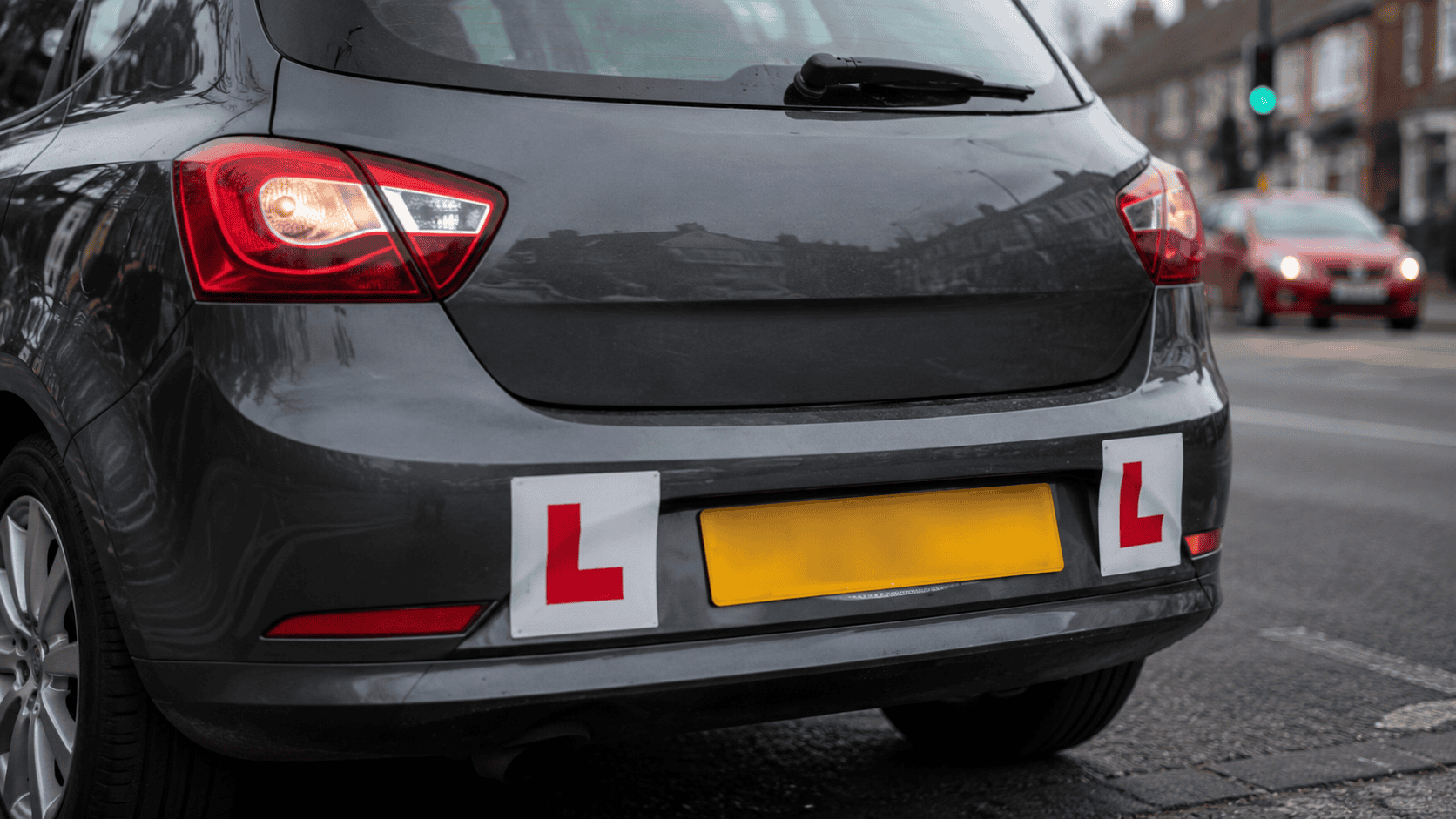
DVSA’s New Waiting Time Measure Shows 9.7 Weeks, Not the 21.8 Learners Were Told
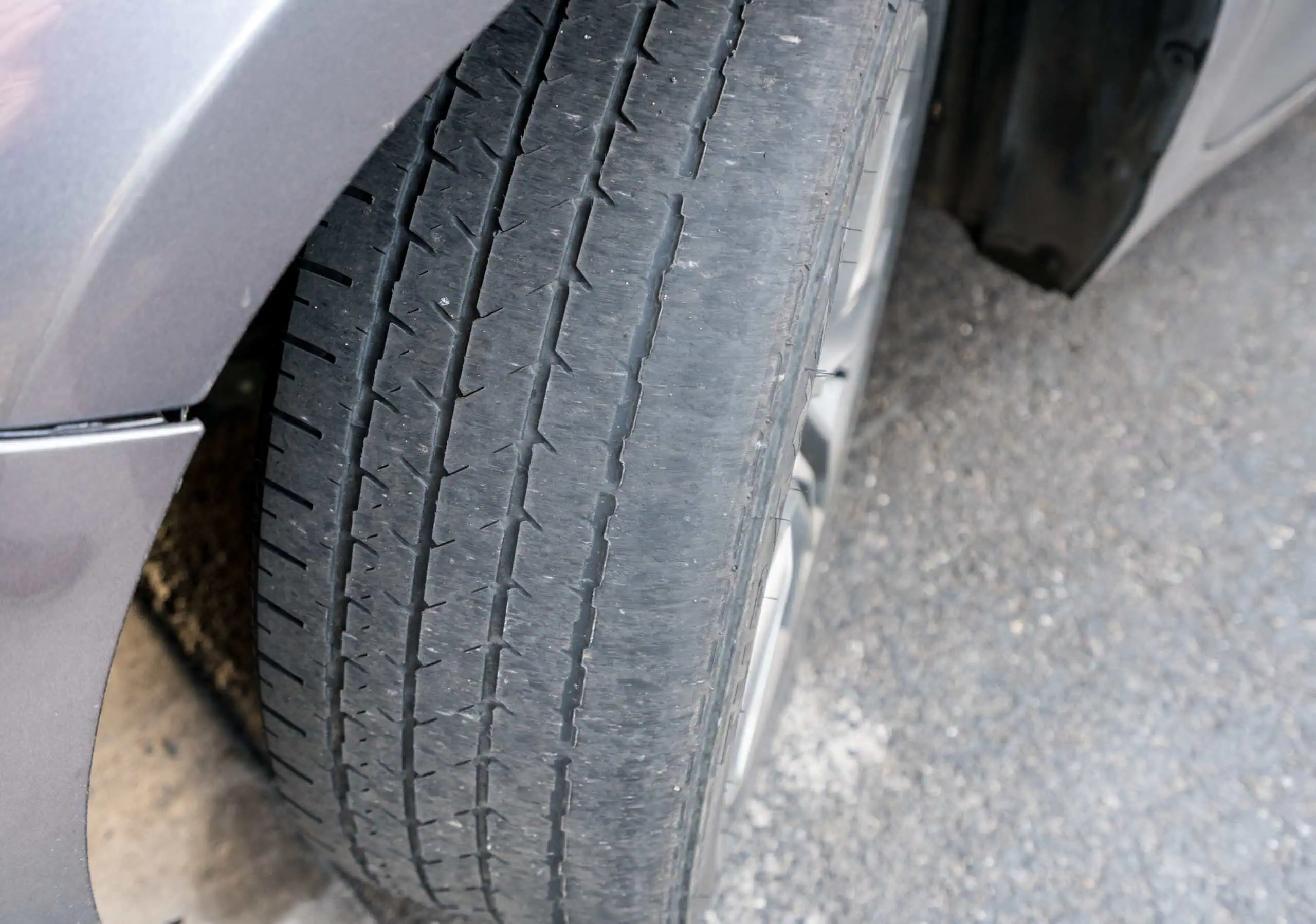
Every Illegal Tyre Now Risks Drivers a £2,500 Fine and Three Penalty Points

Every Driver Ignores This Dashboard Light and It Costs Them Their MOT

What the New GOV.UK Wallet Means for Every UK Driver This Year
Trending on Motoring Chronicle

Why UK Driving Test Cheating Has Surged 47% and What It Means for Every Learner

What Limp Mode Actually Means (and What to Do When It Happens)

Is There Such a Thing as a Best Time to Buy a New Car? 3 Points to Consider

The new Elroq vRS: The sportiest version of Škoda’s electric compact SUV [Photo Gallery]
