
Why the Fuel Duty U-Turn Means You Will Not Pay 5p More Per Litre This September
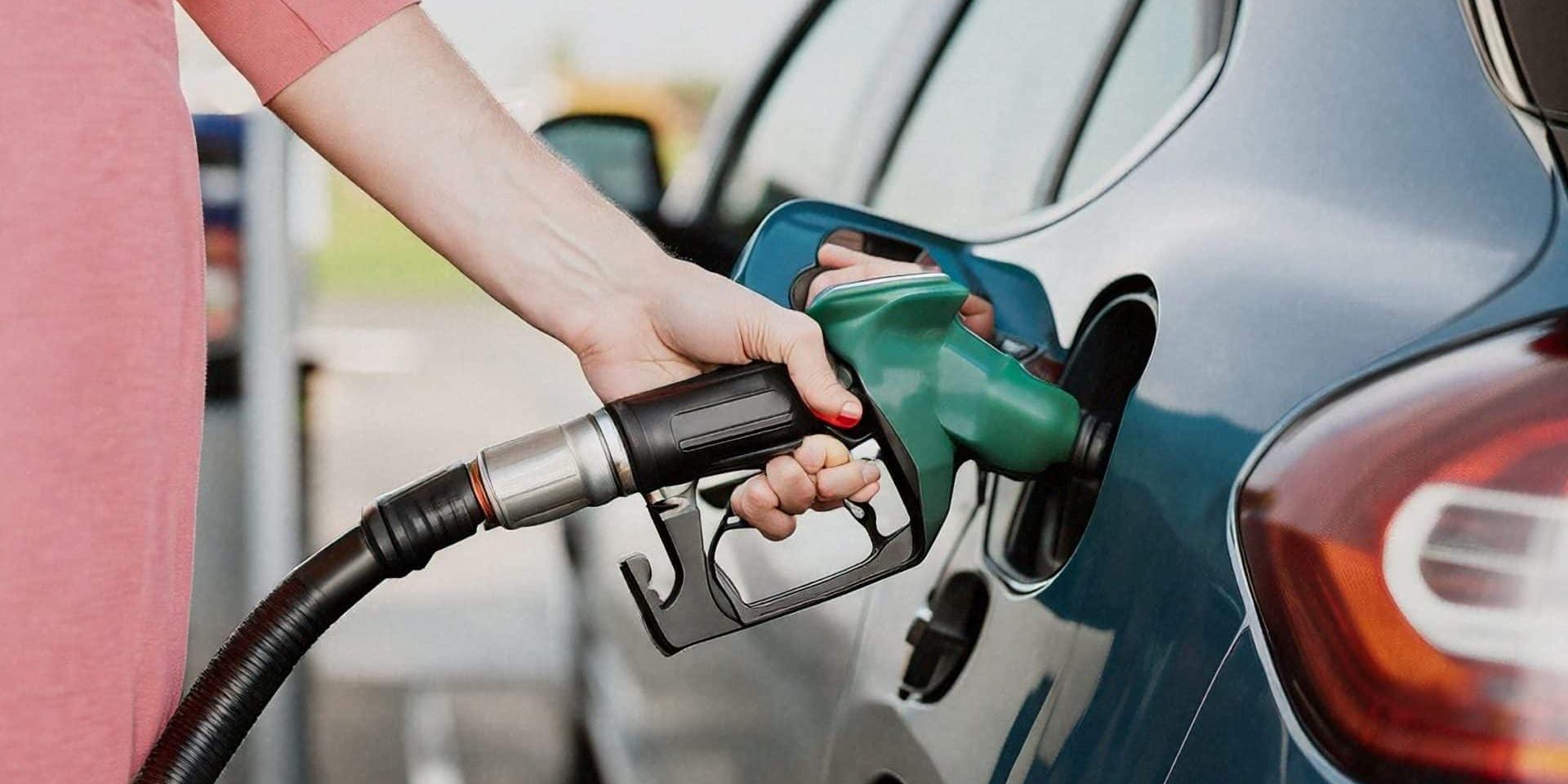
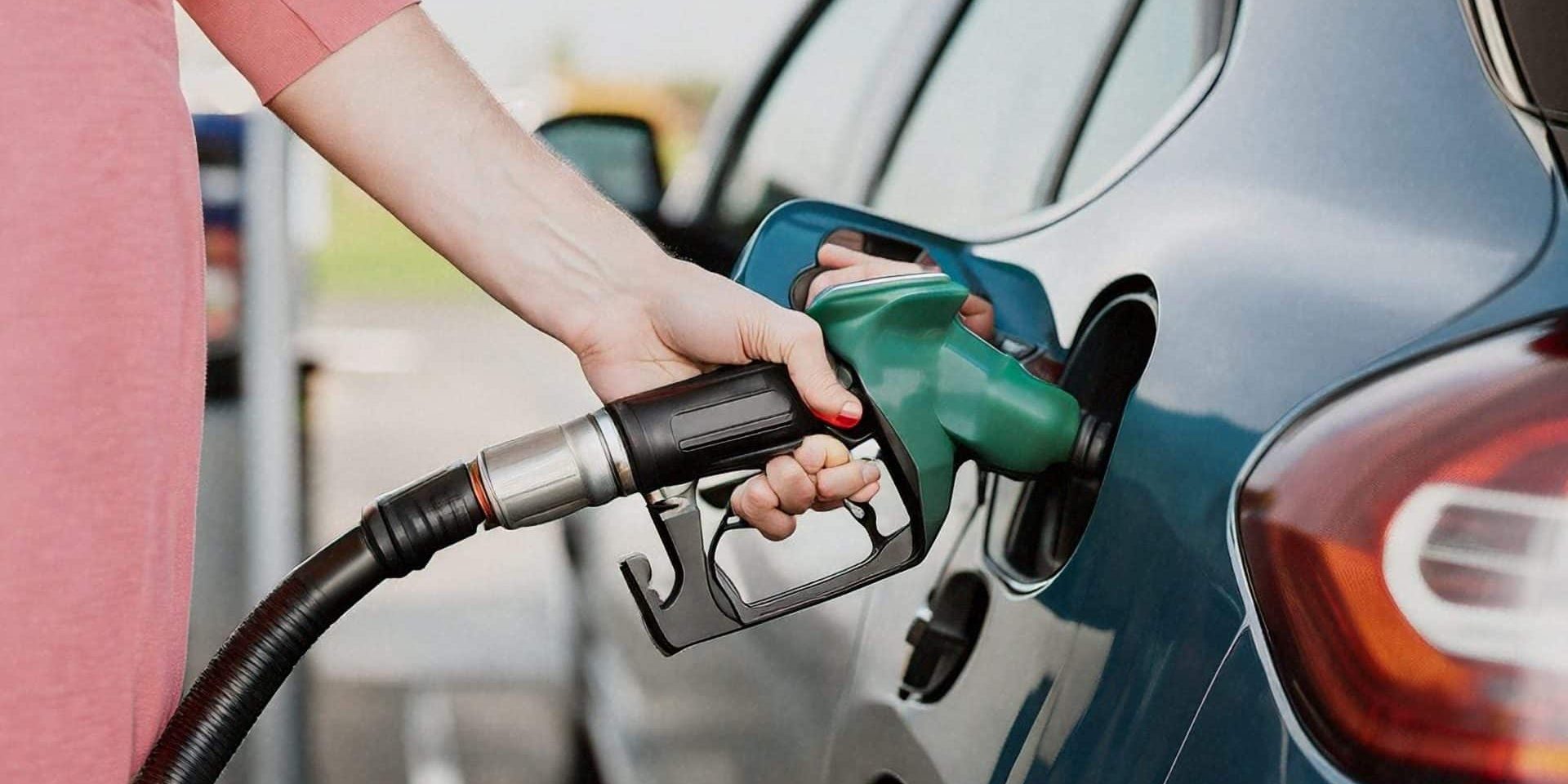
Chancellor Rachel Reeves is set to confirm that the temporary 5p per litre cut to fuel duty will remain in place and will not be unwound in September 2026 as originally planned. The announcement, which is expected this week, ends months of uncertainty for the UK’s 38 million registered drivers and spares them from a phased series of price rises that would have added up to 5p per litre to the cost of petrol and diesel by March 2027. For a driver filling a 55-litre tank, the full rise would have added around £2.75 per fill-up, or roughly £44 per year at average mileage. That may not sound enormous, but against a backdrop of petrol already sitting at 157.99p per litre and diesel at 186.64p per litre, according to RAC Fuel Watch data, the timing of any further rise would have been deeply damaging for family budgets already stretched by the cost of living.
The U-turn costs the Treasury an estimated £2.4 billion, but the government has framed the decision as unavoidable relief for motorists in the face of persistently high pump prices driven by the ongoing conflict in the Middle East. This is not a permanent fix. Reeves is expected to revisit the question of unwinding the 5p cut at the March 2027 Spring Statement, and a separate inflationary rise of 2p per litre is still planned for April 2027 under existing legislation. Drivers have been spared one blow, but the pressure on household fuel costs is unlikely to ease entirely for some time.
What Was Originally Planned and Why It Has Been Scrapped
The 5p per litre cut to fuel duty was first introduced in March 2022 by then-Chancellor Rishi Sunak, during the surge in pump prices that followed Russia’s invasion of Ukraine. Fuel duty at the time stood at 57.95p per litre; the cut brought it to 52.95p. At the time, it was described as a temporary measure. What nobody anticipated was that it would survive four Chancellors, two general elections, and four years of political turbulence to become the longest sustained fuel duty freeze in modern British history.
When Rachel Reeves delivered her October 2024 Budget, she announced her intention to gradually reverse the cut. The plan was a phased unwind: from September 2026, the discount would reduce from 5p to 4p per litre, adding 1p to every litre sold. From December 2026, it would reduce further to 2p, adding another 2p. From March 2027, the full cut would be removed, adding the final 2p. In total, fuel duty would rise from 52.95p to 57.95p per litre over a six-month period, returning to its pre-2022 level.
That plan has now been shelved, at least for the September instalment. The trigger is the Strait of Hormuz crisis. In late February 2026, Iran announced restrictions on shipping through the strait, a chokepoint through which roughly 20 per cent of global oil supply passes. Brent crude has traded above $85 per barrel since then, pushing wholesale fuel costs up and keeping pump prices elevated despite periodic dips. The Office for National Statistics confirmed last week that the inflationary impact of higher fuel prices is feeding through to the broader economy, prompting Reeves to signal that further relief was coming.
What You Are Paying Now and Why Prices Remain So High
As of mid-May 2026, the average price of unleaded E10 petrol across UK forecourts stands at 157.99p per litre, with diesel (B7) at 186.64p per litre, according to RAC Fuel Watch. These are the highest sustained pump prices since mid-2022. The wholesale cost of crude oil feeds directly into what you pay at the pump, though the relationship is not always immediate or proportional. Fuel duty accounts for 52.95p of every litre you buy, and VAT at 20 per cent is applied on top of both the fuel cost and the duty, which means VAT alone adds around 26p per litre at current prices. Tax therefore represents more than half the total price of a litre of unleaded petrol.
Retail margins have also drawn scrutiny. The Competition and Markets Authority began enforcing its Fuel Finder price transparency rules from 1 May 2026, requiring every petrol station to report any price change to a central database within 30 minutes. The CMA has found that while there is no evidence of widespread overcharging, some individual forecourt margins have crept upward in recent months. The Fuel Finder data allows drivers to compare prices in real time via motoringchronicle.com and other comparison tools. Motorway service stations remain significantly more expensive than supermarket forecourts; the gap between Welcome Break sites on the M1 and Tesco or Asda forecourts in the same region has been running at around 15p to 20p per litre through spring 2026.
Supermarket forecourts continue to offer the most competitive prices. Tesco, Sainsbury’s, Morrisons and Asda have broadly tracked the national average, while independent stations show wide variation. If you are planning a long journey this summer and cannot avoid motorway fill-ups, topping up before you join the motorway rather than waiting for service station signs will typically save you between £8 and £11 per tank at current prices.
What Happens Next With Fuel Duty
It is critical to understand what this week’s announcement does and does not mean. The government is not making the 5p cut permanent. Treasury sources have been careful to describe this as a pause rather than a cancellation. The process of unwinding the cut is expected to resume in March 2027, when the Spring Statement will set out new timelines for phasing it out.
Separately, and regardless of the unwind question, fuel duty is subject to an automatic inflationary rise under the Finance Act 2024 schedule. From April 2027, duty is set to increase by approximately 2p per litre in line with the retail price index. That rise is not affected by today’s announcement. So while drivers avoid the September, December and March staged rises totalling 5p, they face a 2p inflationary rise in April 2027 regardless.
Shadow Chancellor Mel Stride MP told Auto Express: “Labour’s fuel tax hike would hurt businesses and hammer hardworking families already stretched to breaking point. After Conservative pressure, it looks like Reeves may finally be forced into a U-turn.” The TaxPayers’ Alliance has welcomed the pause, calling it a necessary reprieve for drivers who have already seen pump prices spike by around 20p per litre since the start of 2026.
The FairFuelUK campaign, which lobbied heavily for the reversal, has urged the Chancellor to use the breathing space to announce a longer-term review of fuel duty structure. The campaign argues that the current system, which applies a flat rate per litre regardless of the type of vehicle or journey, disproportionately affects rural drivers who have no viable alternative to a private car. Around 5.5 million UK households live in areas classified as rural by the Department for Transport, and surveys consistently show that these drivers travel significantly more miles per year than urban counterparts.
How to Cut Your Fuel Costs Right Now
While the fuel duty pause is good news, pump prices are still at a two-year high and likely to remain so until the Strait of Hormuz situation stabilises. There are practical steps every driver can take to reduce the impact.
Use the Fuel Finder tool, which went live in February 2026 and is now updated in real time. Every petrol station in the UK is legally required to report its prices within 30 minutes of any change, and the data feeds into PetrolPrices, RAC Fuel Watch, and the government’s own fuel price checker. A five-minute check before you head out can identify the cheapest forecourt within a reasonable diversion from your route.
Check your tyre pressures monthly. Under-inflated tyres increase rolling resistance and raise fuel consumption by up to eight per cent, according to TyreSafe data. At current petrol prices, that translates to an extra 12p per litre equivalent. A five-minute pressure check at a free air machine costs nothing and can save a meaningful amount over a year. The correct pressures for your vehicle are in the driver’s door sill sticker and the owner’s manual.
Drive smoothly and anticipate traffic. Harsh acceleration and late braking are the single biggest controllable contributors to poor fuel economy. Keeping a larger following distance gives you time to coast rather than brake, and maintaining a steady speed at 60mph rather than 70mph on motorways typically improves fuel consumption by around 15 per cent on a petrol or diesel car.
If you drive a petrol or diesel car and are considering the switch to electric, the timing question is worth revisiting in light of current public charging prices. As of May 2026, public rapid chargers are averaging around 30p per kWh in real-world conditions, giving an equivalent fuel cost of approximately 4.5p per mile for a typical EV, compared with around 16p per mile for a petrol car at current pump prices. The gap has widened sharply since the Hormuz crisis began.
Sources:

Leave a Comment
More in News

How to Clear a Musty Car AC Smell Before It Costs a £300 Repair

14 Percent of Keyless Car Owners Faced a Relay Theft Attempt, DVLA Data Shows

I travelled down the Champs-Élysées and around the Arc de Triomphe in a self-driving car

Every New Car Buyer Could Lose EV Discounts as Manufacturer Fines Drop by £3,000

What the Government’s Zero VAT Cut on Home Power Means for Every Electric Driver
Trending on Motoring Chronicle

How to Claim Your Share of BMW’s Shark-Fin Antenna Settlement Before August 27

Legends Reborn: Iconic Liveries Dazzle at Salon Privé Blenheim Palace 2024 [Photo Gallery]

Introducing the all-new 2027 Kia Telluride: first-ever hybrid, increased X-Pro capability elevate the three-row SUV

Senators Demand NHTSA Investigate Tesla Self-Driving Safety Claims by July 7
