What the New Minimum Learning Period Could Mean for Every Learner Driver in Britain
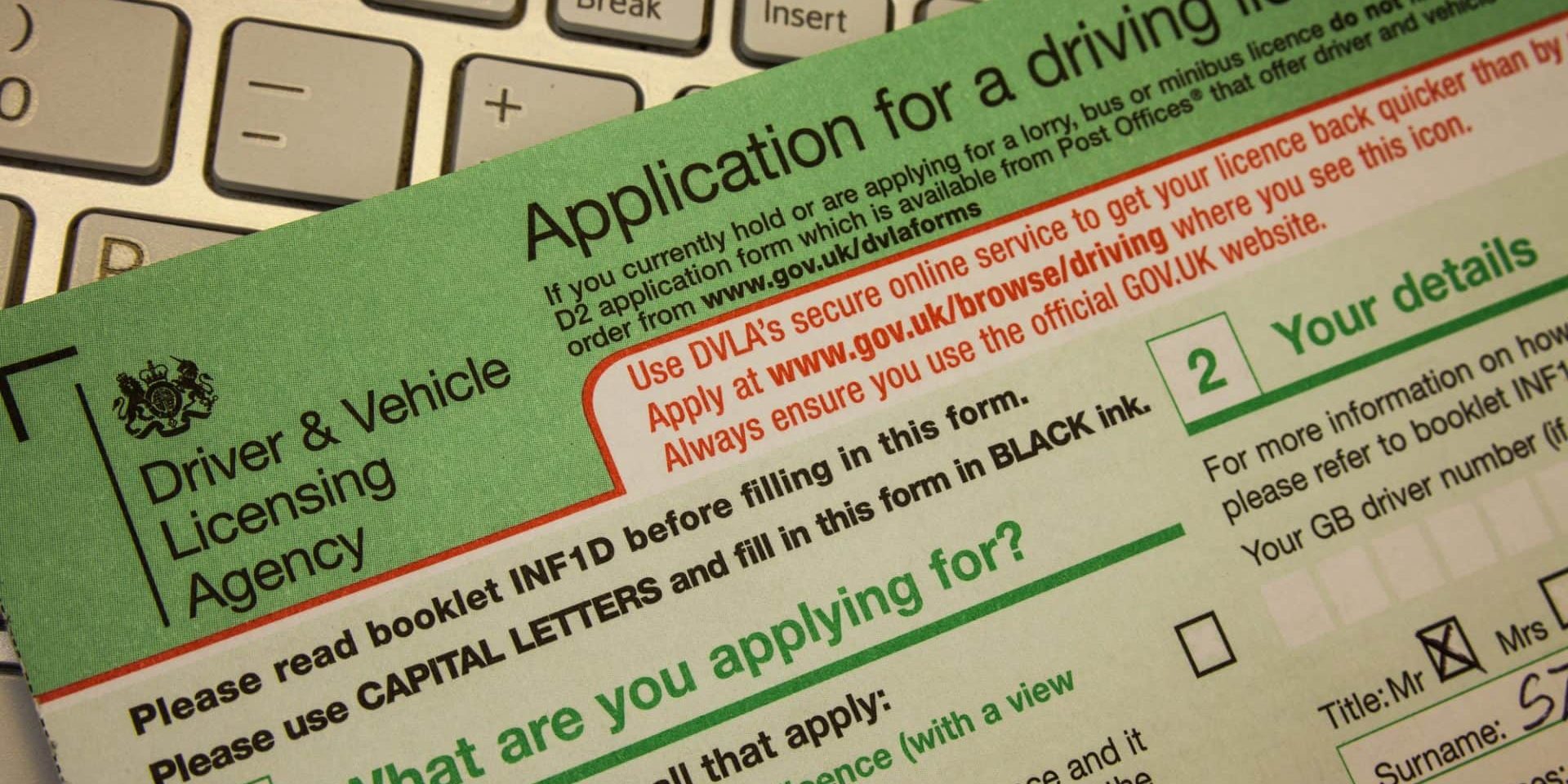
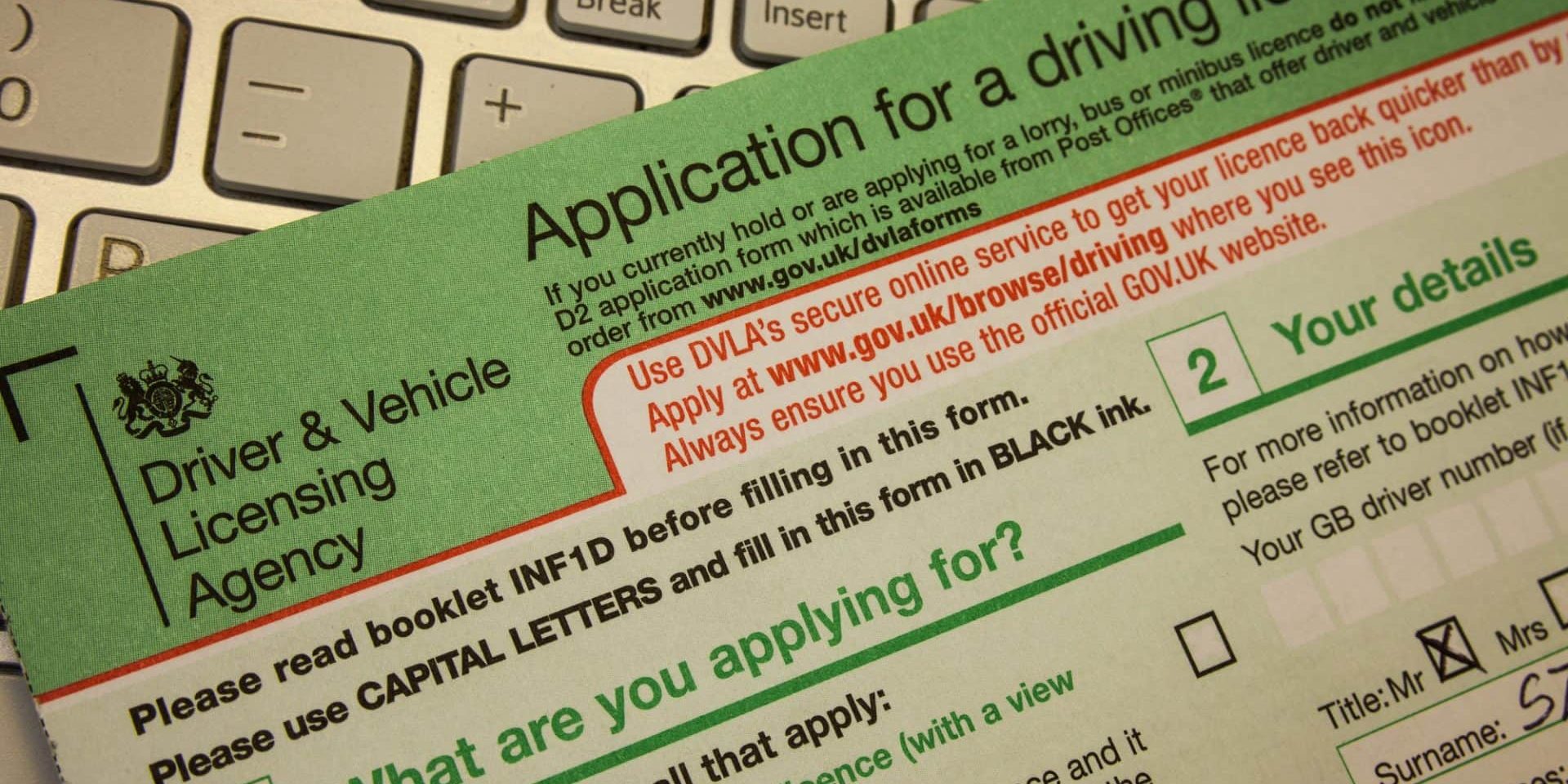
If you are currently learning to drive in England, Wales or Scotland, a significant change to the system could add months to your journey before you are allowed to sit the practical test. The government is examining proposals that would make passing your theory test the start of a mandatory waiting period, rather than the green light to book your practical exam straight away.
The Department for Transport ran a public consultation between January and May 2026, gathering views on whether a formal minimum learning period should be introduced for the first time in Great Britain. The outcome of that process could reshape how millions of learners plan their path to a full licence.
Here is what is on the table, why it is being considered, and what it could mean for anyone currently working towards their driving licence.
What Is the Minimum Learning Period?
At the moment, there is no fixed gap required between passing your theory test and sitting the practical. Once you hold a valid theory certificate, you can book and take the practical exam as quickly as your instructor and the test centre diary will allow. For some learners, that means sitting both parts within a matter of weeks.
The government wants to change that. Its consultation proposed introducing a mandatory waiting period after passing the theory test, during which learners could not sit the practical. The aim is to ensure that new drivers have had enough time behind the wheel to be genuinely prepared, rather than simply having crammed for both tests in a short burst.
How Long Would You Have to Wait?
Two options were put forward in the consultation: a three-month minimum or a six-month minimum between the theory pass date and the date of the practical test.
Both would represent a substantial shift from the current system. Under the six-month proposal, a learner who passed their theory test in January could not sit their practical until at least July, regardless of how many lessons they had taken or how ready their instructor considered them to be.
The government confirmed that the minimum period would run from the theory pass date, not from the date the learner first applied for a provisional licence or started lessons. That distinction is significant because many learners sit their theory early and then take lessons over a longer period before booking the practical.
Why Are Young Drivers in the Spotlight?
The consultation is part of a broader government road safety strategy that has set a target of reducing people killed or seriously injured on UK roads by 65 per cent by 2035.
Young drivers are a particular focus. Drivers aged 17 to 24 account for a disproportionate share of road casualties relative to their share of total licence holders. Department for Transport data consistently shows that newly-qualified drivers face significantly higher collision risk in the months immediately after passing their test than more experienced drivers of the same age.
International evidence supports the case for structured learning. Countries that have introduced graduated licensing systems, which control the road privileges available to new drivers, have recorded measurable reductions in young driver casualties. The government cited this evidence in framing its proposals.
England, Wales and Scotland do not currently have a graduated licensing system for car drivers. Northern Ireland is moving ahead with its own graduated driving licence from October 2026, but that scheme is a separate process from the GB consultation.
What Else Is Being Proposed?
The minimum learning period is not the only measure under consideration. The consultation also asked for views on introducing a minimum number of supervised hours that a learner must complete before sitting the practical test.
At present, there is no legal minimum for the number of lessons or hours a learner must take. The DVSA recommends 45 hours of professional instruction combined with 22 hours of private practice, but these are guidelines rather than requirements. A learner can sit the practical test having taken far fewer hours, provided they can demonstrate competence on the day.
A minimum supervised hours requirement would formalise the preparation process and could reduce the risk of learners booking the test before they are genuinely ready.
What Would a Driving Logbook Involve?
The consultation also raised the possibility of a structured logbook system, similar to those used in several countries with formal graduated licensing frameworks.
A logbook would require learners and their accompanying drivers to record each supervised practice session, noting the route taken, conditions, and duration. That record would form part of the evidence submitted during the licensing process, providing assurance that the learner had covered a range of driving experiences rather than practising only on familiar routes in ideal conditions.
Logbooks are already used in Australia, New Zealand, and several Canadian provinces, where they form part of the formal evidence required before a learner can progress to the next stage. Supporters argue they push learners to practise in varied conditions including at night, in rain, and on faster roads. Critics point to the administrative burden on families and raise questions about how self-reported sessions would be verified.
When Could These Changes Take Effect?
The consultation closed on 11 May 2026. The government will now review the responses before publishing its conclusions. No firm implementation date has been set.
Given the scale of what is being proposed, any new system would need a substantial lead-in period to allow learners, instructors, and test centre capacity to adjust. Industry bodies including the Driving Instructors Association have called for clarity on timelines so that learners currently mid-way through their training can understand whether the rules may change before they are ready to test.
Around 1.7 million driving tests are taken each year in England, Wales and Scotland. Even modest changes to the process create significant knock-on effects for waiting times, test centre capacity, and the driving instruction industry as a whole.
What Should Learner Drivers Do Now?
No changes have been confirmed yet. The consultation has closed but its results have not been published, and the government retains the option of implementing a shorter minimum period, a longer one, or none at all.
The most practical approach is to continue your training at whatever pace works for you, take your theory test when your instructor believes you are ready, and keep an eye on announcements from the DVSA and the Department for Transport. If a minimum period is introduced, whether learners who have already passed their theory test will face any transitional arrangements is a detail that will only emerge once the government publishes its response.
What the consultation does make clear is that the direction of travel points toward a more structured approach to learning to drive in Great Britain. Whether the outcome is a three-month wait, a six-month wait, or a broader package of measures, the current arrangement where both tests can be passed in a matter of weeks looks increasingly unlikely to survive unchanged.

Leave a Comment
More in News
DfT Proposes Unlimited Fines for Removing Emissions Filters on Vehicles From 2001 Onwards

Windscreen Repairs Now Cost £283 on Average as ABI Reports Record £3.2bn Motor Payouts

What a Dangerous MOT Fail Means (and Whether You Can Drive Home)

2027 Jeep Gladiator Adds Sport S Trim and Factory 35-Inch Tire Package

Used Cars Under £5,000 Lost 3.4% of Value in August, Cap HPI Data Shows
Trending on Motoring Chronicle

Only 4 in 100 EV Charging Networks Meet Britain’s Reliability Law

Some Councils Now Charge Residents Over £1,000 a Year to Park Outside Their Own Home

Disabled Drivers on New Motability Leases Face VAT Charges and Lower Mileage Caps

Millions of Drivers Owe More Than Their Car Is Worth as Used Values Tumble