
Why That Polite Headlight Flash Now Carries A £200 Fine And Three Penalty Points
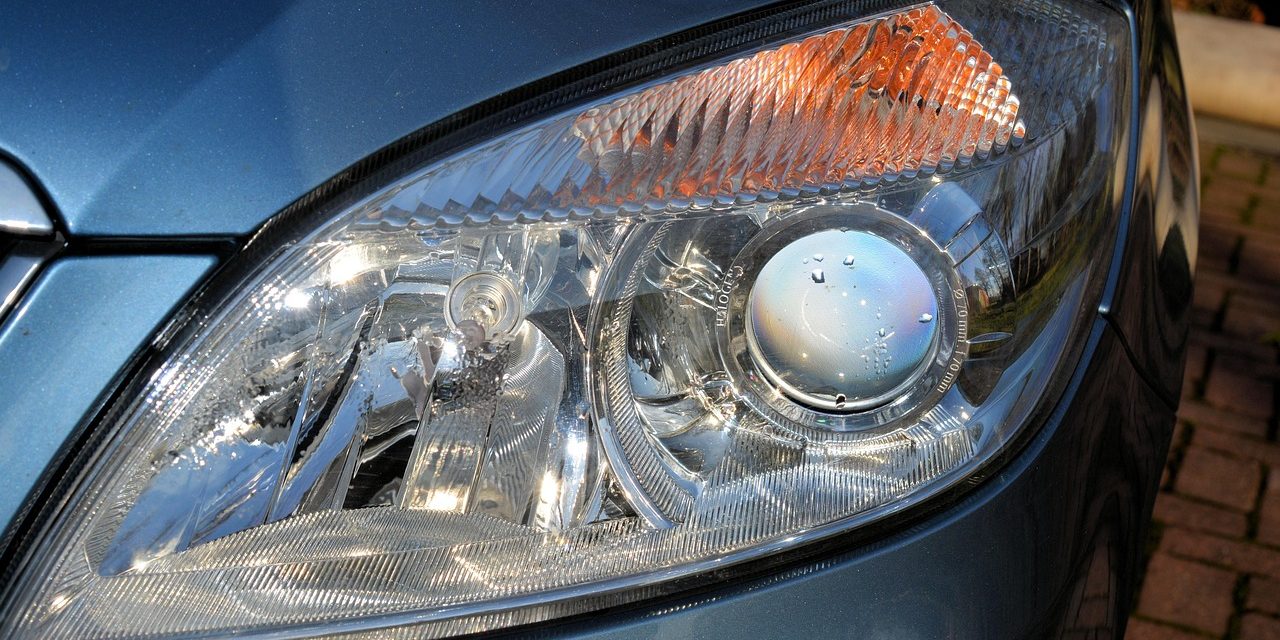
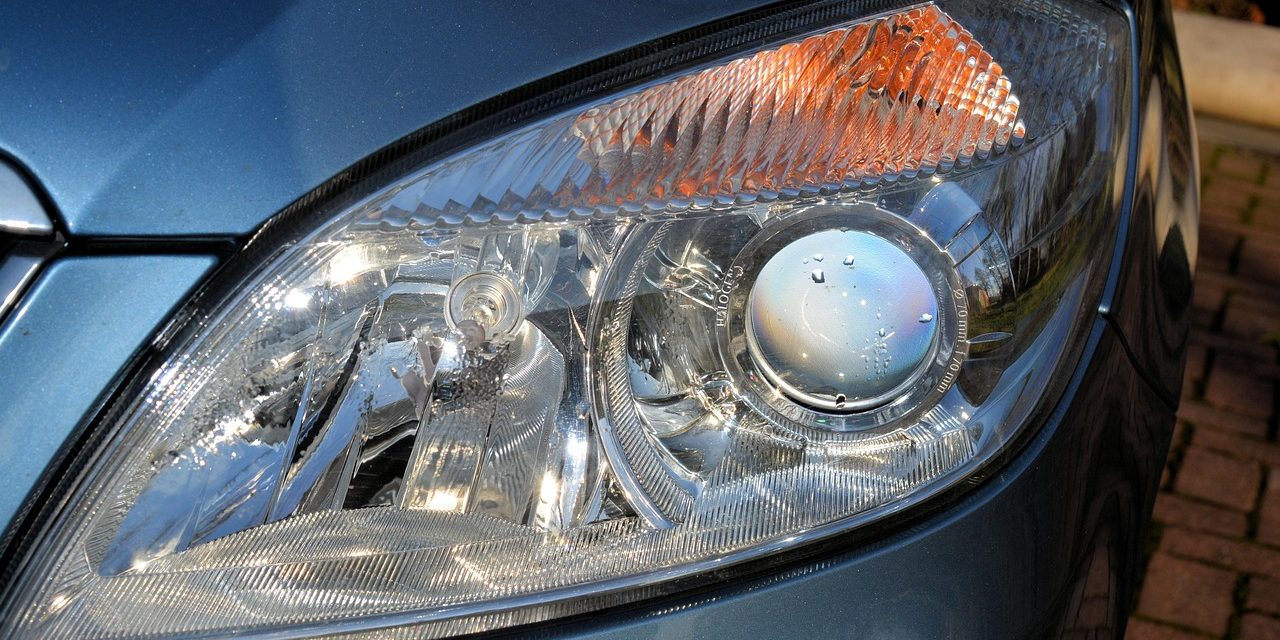
Flashing your headlights to wave another driver out of a side road is one of the most common acts of courtesy on British roads. It is also one of the easiest ways to pick up a £200 fine, three penalty points and, in the worst case, a £1,000 court order for obstructing a police officer. The Highway Code rule that covers headlight signals has barely changed in 40 years, but enforcement has, and the polite flash that you grew up doing now carries real legal risk.
The rule sits at Highway Code paragraph 110 and the Road Vehicles Lighting Regulations 1989 underneath it. The line in the code is short: headlights may be flashed only to warn other road users of your presence. That is the entire legal use case. Every other reason drivers actually flash, including thanking another driver, beckoning someone out of a junction, signalling that a speed camera is ahead, or letting a pedestrian know it is safe to cross, sits outside the law.
What The Penalties Actually Look Like
For general misuse, a fixed penalty notice runs to £100 with three penalty points. Where the police judge the flashing to amount to careless driving, the penalty rises to a £200 on-the-spot fine with three to six points. If you contest the ticket and lose at court, careless driving can attract a fine up to £5,000 and a discretionary disqualification.
The most serious bracket applies if you flash to warn other drivers about a police presence, a speed trap or a check site. The Police Act 1996, section 89(2), makes it an offence to wilfully obstruct a constable in the execution of duty. The conviction does not require a stop or a chase. It is enough that the flash was intended to alert other drivers and that the alert undermined the police operation. The maximum penalty on conviction is a £1,000 fine and, in rare aggravated cases, up to a month’s imprisonment.
Insurers treat the resulting careless driving CD10 endorsement as a serious risk indicator. A single CD10 typically pushes an annual fully-comp premium up by 18 to 30 per cent, and several mainstream insurers refuse to renew at all where a driver has both a CD10 and a recent speeding endorsement. Some load specialist convicted-driver schemes by £400 to £600 a year for five years.
The Reason The Rule Is Written As It Is
Headlight flashing predates indicators and was originally intended as a sound-free way to make your presence known on dark, narrow roads. The Royal Society for the Prevention of Accidents argued for the modern wording on the grounds that a flash carries no fixed meaning. The driver receiving it may read it as “go” when the sender meant “stop”, or as “thank you” when the sender meant “watch out”. A study by the Transport Research Laboratory in the early 2000s found that flashes preceded a collision in nearly one in every 30 accidents at unsignalised junctions, almost always because of crossed signals between drivers.
The “go ahead” flash is the most dangerous because it puts an unrelated driver in motion based on an assumption about the sender’s view of the road. If you flash a driver waiting at a T-junction to pull out, you become legally entangled in any collision that follows, particularly with a motorcyclist coming up the inside that the emerging driver could not see. Civil case law since the 1970s has consistently apportioned a share of liability to the driver who flashed, even where the emerging driver was the proximate cause of the crash.
The Risk Drivers Underestimate
Around 22 per cent of drivers in a 2024 RAC poll said they flash other drivers as a thank you several times a week. A further 41 per cent said they had used a flash to beckon another driver out of a junction at some point in the past month. About one in seven admitted to flashing other drivers to warn about a speed trap on the same road. None of these uses is lawful under Rule 110.
The misuse is rarely enforced for the courtesy flash. Most police forces concentrate their resources on more serious offences. But the headline numbers mask a creep in enforcement. The Surrey, Sussex and Thames Valley forces all reported a year-on-year rise in careless driving fixed penalty notices issued for headlight misuse during 2025, and the City of London force has confirmed it is using dashboard-camera evidence submitted via the public dashcam portal to pursue cases where another driver complains.
The wave warning flash, used to alert oncoming traffic to a police speed gun, is a different animal. Officers who notice the warning being passed back along a queue of vehicles will routinely pull the flashing driver and issue a Section 89 obstruction caution. The volume of these prosecutions is small but rising as police forces use unmarked motorcycles and mobile speed vans more aggressively on rural A-roads.
How To Read Other Drivers Flashes Safely
The legal default is that a flash means only “I am here”. You should not act on the assumption that the sender means anything else. If you are waiting at a junction and another driver flashes, look for yourself, confirm the road is clear in both directions and check your mirrors for a vehicle the flasher could not see. A few seconds of independent observation will save you from years of regret.
If the road is clear in both directions, the safer signal to receive is a hand wave from inside the cab. Hand signals are explicitly approved by Highway Code rule 105 and are unambiguous about who is doing what. Most experienced drivers in the UK now combine the two by flashing only in marginal conditions where the other driver may not have seen them, and waving when the courtesy meaning is clear.
Other Ways You Can Be Fined For Headlight Use
The same regulations also catch full-beam use that dazzles oncoming drivers, which is a £100 on-the-spot fine with three points under the careless driving framework. You must dip your headlights at any point when they could affect another driver’s vision, including on residential streets where parked vehicles reflect the beam back at oncoming traffic. The Road Vehicles Lighting Regulations 1989 also prohibit fitting after-market lamps that are brighter than the original equipment, even if you only use them on private land before public-road journeys.
Driving with one headlight out is a £100 fine and three points, and it can also produce an automatic MOT advisory failure at your next test. The DVSA inspection items include a verification that both dipped beams illuminate, that the beam pattern aligns to the regulations and that no after-market film or tint is blocking the lens. The new MOT photo evidence regime, which forces a tester to upload an in-bay photograph before a pass can be issued, will make it easier for the DVSA to catch garages that pass cars with non-compliant lights.
The Other Lighting Misunderstandings
Two further lighting habits attract fines regularly. The first is using rear fog lights in light rain or just at night. Rear fog lights are intended only for use when visibility is below 100 metres, and using them in clear conditions dazzles drivers behind you and amounts to a Highway Code rule 226 breach. The penalty is the same £100 on-the-spot fine with up to three points where the police categorise it as careless driving.
The second is driving on sidelights or parking lights alone after dark. The Road Vehicles Lighting Regulations require dipped headlights between sunset and sunrise. Sidelights alone are not enough on any unlit road, and the £100 fixed penalty is enforced especially in rural counties where car-versus-pedestrian or car-versus-cyclist collisions are more common.
What To Do If You Think You Were Wrongly Ticketed
The right of appeal against a fixed penalty notice runs to 28 days. The notice will list a court address and the option to contest the matter at a hearing. Where the issue turns on what your headlights did, dashcam footage from your own car or from another driver’s recording is usually the deciding factor. The Sussex and Hampshire police forces both accept third-party dashcam submissions for review, and many cases collapse when the footage shows the sender intended a perfectly legal “I am here” flash.
Drivers who pay the fixed penalty within the 28-day window pay £100 and get three points without going to court. Refusing the fixed penalty and losing at trial typically results in £200 to £500 in fines plus court costs and a higher number of points, so the decision to contest should rest on solid evidence rather than principle. Solicitors specialising in road traffic offences will give a free initial view of a case in most instances.
The blunt advice is to stop flashing as a courtesy. The £15 dashcam you may have fitted last summer to defend yourself from a fraudulent insurance claim is also the device that can be used against you if a careless flash leads to a collision. A wave, a slight hand raise, or simply waiting your turn at a junction is safer, cheaper and lawful.
For more on Highway Code enforcement, see our recent reports on the Cambridgeshire close pass crackdown and the AI roadside cameras now spotting phone use.
Sources:

Leave a Comment
More in News

EV Owners Face £6,830 Bills in a Battery Gap Warranty and Insurance Both Reject
Why Driving Test Waits Rose Even as DVSA Ran a Record Number of Tests
Nearly a Third of Car Finance Trade-Ins Are Now Underwater, Data Shows

How to Have Your Say Before Self-Driving Car Safety Rules Are Set This Week
300,000 Uninsured Cars Are Driven in Britain Every Day and Honest Drivers Pick Up the Bill
Trending on Motoring Chronicle

Two-Thirds of Drivers Oppose Spreading 20mph Limits to More UK Roads

INFINITI QX80 Reimagined: QX80 Track Spec and QX80 Terrain Spec showcase SUV’s potential [Photo Gallery]

What Euro 7 Means for Every New Car Buyer From November and Why It Could Cost You More
Virginia County Launches School Zone Speed Cameras With $100 Fines Starting in August
