
What the New £500 EV Charger Grant Means for the 8 Million UK Drivers Without a Driveway
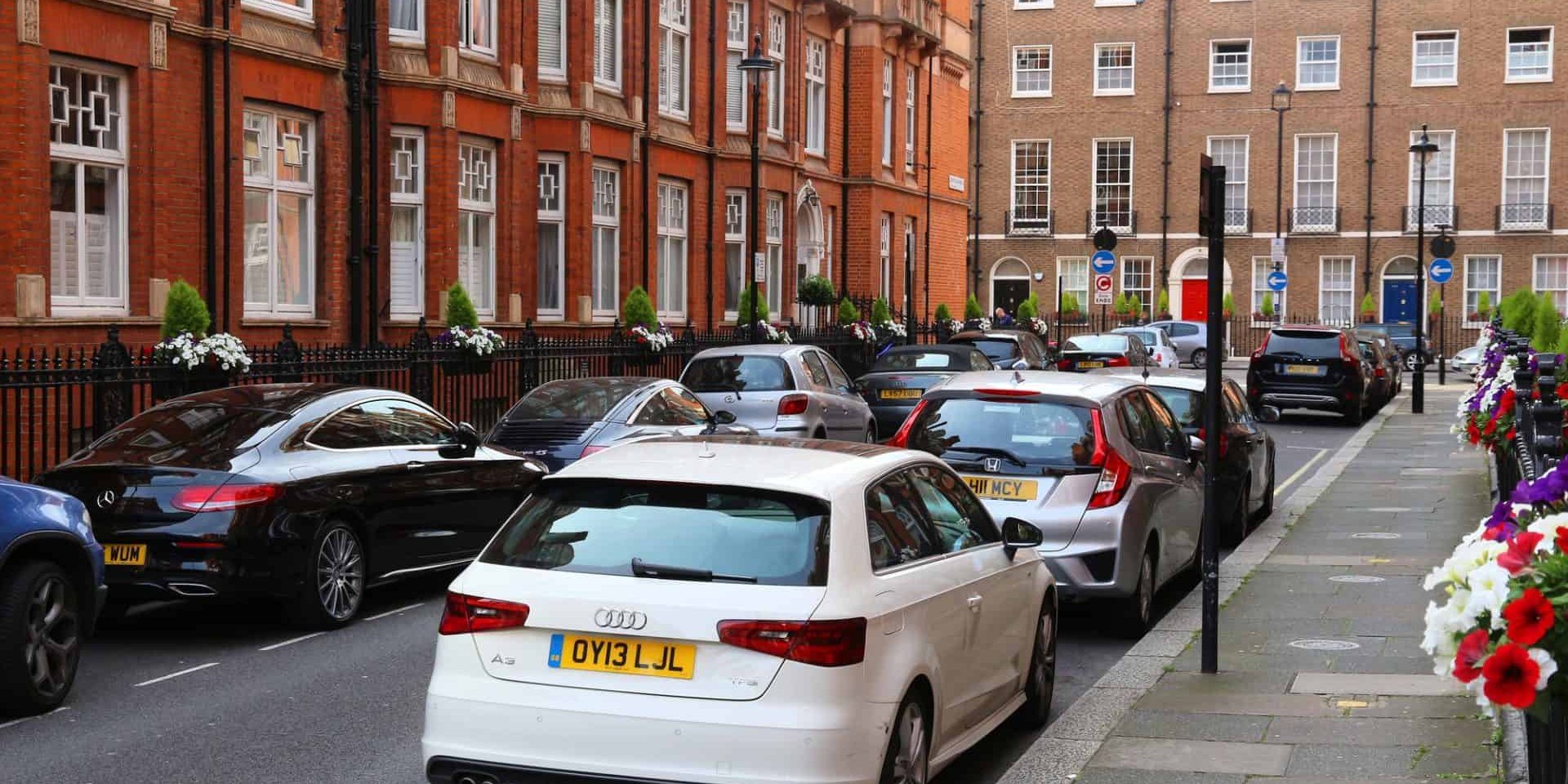

Drivers who rent their home, live in a flat, or own a house without off-street parking will be able to claim up to £500 towards the cost of installing a home electric vehicle charger from 1 April 2026, with the wider scheme now running until 31 March 2027. The Department for Transport announced the extension and the increase, up from the previous £350 cap, as part of its push to close the gap between EV-owning drivers with a driveway and the eight million UK households without one.
The maths is straightforward. Charging an electric car at home on an off-peak EV tariff costs around 7p per kilowatt hour. Charging at a public rapid charger costs between 70p and 89p per kilowatt hour. For an average UK driver doing 7,400 miles a year in an EV with a real-world efficiency of 3.5 miles per kWh, that is the difference between roughly £150 a year on home charging and roughly £1,500 a year on rapid charging. The £500 grant pays back inside the first few months of ownership for anyone who can install a unit and switch off the rapid network.
What Has Changed and What Has Not
The Electric Vehicle Chargepoint Grant for Renters and Flat Owners is not a new scheme. It has been running in its current form since 2022, when the Department for Transport closed the original EV Homecharge Scheme to homeowners with off-street parking and redirected the remaining funding towards drivers who had been left out of that scheme. The original cap was £350, which covered most installations on private land but became inadequate once the supplementary work required to bring power to a flat, a shared driveway, or an on-street parking bay was factored in.
Three things have now changed. First, the grant cap has risen from £350 to £500 for applications submitted on or after 1 April 2026. The percentage of the installation cost that the grant covers remains 75 per cent, which means the grant will pay 75 per cent of the eligible cost up to the new £500 ceiling. An installation costing £666 in total will now attract the full £500, with the householder paying the remaining £166.
Second, the scheme has been formally extended until 31 March 2027, giving anyone eligible nearly a full year to take advantage of the new £500 cap. The DfT has said this is the final extension and that the grant will close on that date, with future EV charging support to be channelled through targeted local authority programmes rather than a national grant scheme.
Third, the eligible cost categories have been expanded. Where the local council approves, the grant can now also cover the installation of cross-pavement gullies, the recessed channels that let a household run a charging cable from a house to a car parked on the street without leaving a trip hazard across the pavement. Cross-pavement gullies have been the missing piece for drivers who park on the street directly outside their own home and want to charge from their own electricity supply rather than from a public charger.
Who Qualifies
The eligibility rules are tighter than many drivers assume. The scheme is open to four groups: people who rent their home from a private landlord or social landlord, leasehold or freehold flat owners, owner-occupiers in houses without off-street parking, and small businesses. Owner-occupiers who have a driveway, a garage, or any other form of off-street parking on their own land are not eligible, on the basis that they were the original beneficiaries of the now-closed EV Homecharge Scheme.
Renters need their landlord’s written permission before they can install. The grant application includes a landlord consent form for this purpose. For social tenants, this typically goes through the local authority’s housing department or the relevant housing association. For private tenants, it goes through the landlord directly. The DfT does not specify a minimum length of tenancy, but most installers will not proceed unless the tenant has at least 12 months remaining on the lease, because the charger is fixed to the property.
Flat owners need the consent of the freeholder or management company. This is where the scheme falls down most often in practice. Freeholders frequently refuse consent because installing a charger involves drilling through the building envelope, running a cable across communal areas, or upgrading the building’s electrical infrastructure. The DfT’s grant guidance recommends that flat owners raise the question at the next residents’ meeting and treat the grant as one component of a wider building-level decision, rather than as a purely personal application.
Owner-occupiers without driveways are the group that benefits most clearly from the cross-pavement gully addition. A driver in a Victorian terrace who parks on the street outside their own home can apply for the grant, install a charger on the front wall of the house, and combine that with an approved gully to run a cable safely to the kerb. The council’s permission is required for the gully because the pavement is highway land, but most councils now run an expedited approval process for this specific use case.
The Numbers Behind the Decision
The government has been under pressure to address the home charging gap for years. The 2025 New Vehicle Registration data showed that 19.6 per cent of all new car sales in 2025 were fully electric, but the same data showed that uptake is concentrated among drivers in detached or semi-detached homes with off-street parking. Households in flats and terraces account for around 35 per cent of UK car owners but only around 8 per cent of EV owners. The cost of charging without a home unit is the single biggest reason cited in DfT and Transport Scotland surveys for the gap.
The Society of Motor Manufacturers and Traders, which has lobbied the Treasury for a higher home charger grant since 2023, welcomed the £500 cap as a meaningful step but not a complete fix. The SMMT’s own modelling suggests the average installation cost for a household in a flat or a terrace runs between £750 and £1,400 once cabling, electrical board upgrades, and any gully work is included. The £500 grant covers the lower end of that range fully, the middle of that range substantially, and the upper end only partially.
For drivers, the practical question is whether the grant unlocks the economics. The breakeven calculation depends on annual mileage, the electricity tariff used at home, and the price of public rapid charging. At 7,400 miles a year, an EV driver charging at home on a 7p per kWh off-peak tariff spends around £150 on electricity. The same driver relying entirely on rapid public charging at 78p per kWh would spend around £1,650. The £500 grant towards a charger therefore typically pays back in three to four months for an average mileage driver who can shift their charging from public to home.
How to Apply
The grant is claimed by the installer, not by the householder. The driver chooses an OZEV-authorised chargepoint installer, agrees a quote for the work, and the installer deducts the grant amount from the bill before submitting the claim to the Driver and Vehicle Standards Agency on the driver’s behalf. The price quoted to the householder should therefore be the price after the grant has been applied.
The practical steps are to confirm eligibility against the four categories above, secure landlord or freeholder consent where required, approach the local council for cross-pavement gully approval if relevant, get quotes from at least two OZEV-authorised installers, and check that any chosen charger is on the OZEV approved chargepoint model list. The full list of authorised installers is available at gov.uk/electric-vehicle-chargepoint-grant-flats. The DfT’s general guidance line is reachable on 0300 330 9988.
The DfT recommends installing a smart charger rather than an untethered unit, on the basis that smart chargers can communicate with the household’s electricity tariff and shift charging to overnight off-peak periods automatically. All chargers covered by the grant must meet the Smart Charge Point Regulations 2021, which require pre-programmed default charging hours outside peak demand and the ability to randomise charging start times to protect the grid.
What This Means in the Wider EV Picture
The £500 grant for drivers without driveways sits alongside a wider package of EV measures. The Plug-in Van Grant is still running. The 100 per cent first year capital allowance for businesses buying zero emission cars and vans is still in place. The London Congestion Charge electric vehicle exemption ended on 2 January 2026 and was replaced with a 25 per cent Auto Pay discount for EVs and a 50 per cent Auto Pay discount for electric vans. The Vehicle Excise Duty exemption for EVs ended on 1 April 2025, with EVs now paying the standard rate of £200 per year from year two.
The trend is towards normalising EVs into the same tax and pricing structure that applies to petrol and diesel cars, while continuing to subsidise the parts of the transition where the market would otherwise stall. Home charging for households without driveways is one of those parts. The £500 grant will not make every flat owner an EV driver, but it materially changes the running cost calculation for the roughly eight million UK car owners who currently rely on public charging because they have no realistic alternative.
For anyone in that group considering a switch, the practical advice is to apply before 31 March 2027. After that date the scheme closes for new applications. Drivers already part way through an installation process should ensure their installer submits the grant claim before the deadline, since claims must be filed by the installer rather than the driver, and late or post-deadline claims will not be paid.
Sources:

Leave a Comment
More in News

Edinburgh Council Issued 40,945 LEZ Fines and Cancelled 2,773 After Driver Challenges

What a Coolant Warning Light Means Before It Costs You a £1,000 Repair
Progressive’s Profit Fell 3 Percent Even as It Added 1.4 Million Car Insurance Policies

NHTSA Picks 23 Vehicles for 2027 Crash Tests and Adds a New Pedestrian Safety Score

GAP Insurance Paid Back Just 6 Percent of What Drivers Paid, FCA Figures Show
Trending on Motoring Chronicle

The EU Wants To Shut UK Cars Out Of Its Market. Here Is What That Could Mean for Prices

Genesis and Genesis Inspiration Foundation support steam education in Las Vegas

The all-new Mercedes-Benz CLA delivers an electrifying performance at its star-studded world premiere in Rome [Photo Gallery]

McLaren 788HS Caps 720S Bloodline With 788PS and Just 200 Cars Built
