
Why Monthly Car Insurance Payments Cost Drivers Up to £368 More, Which? Finds
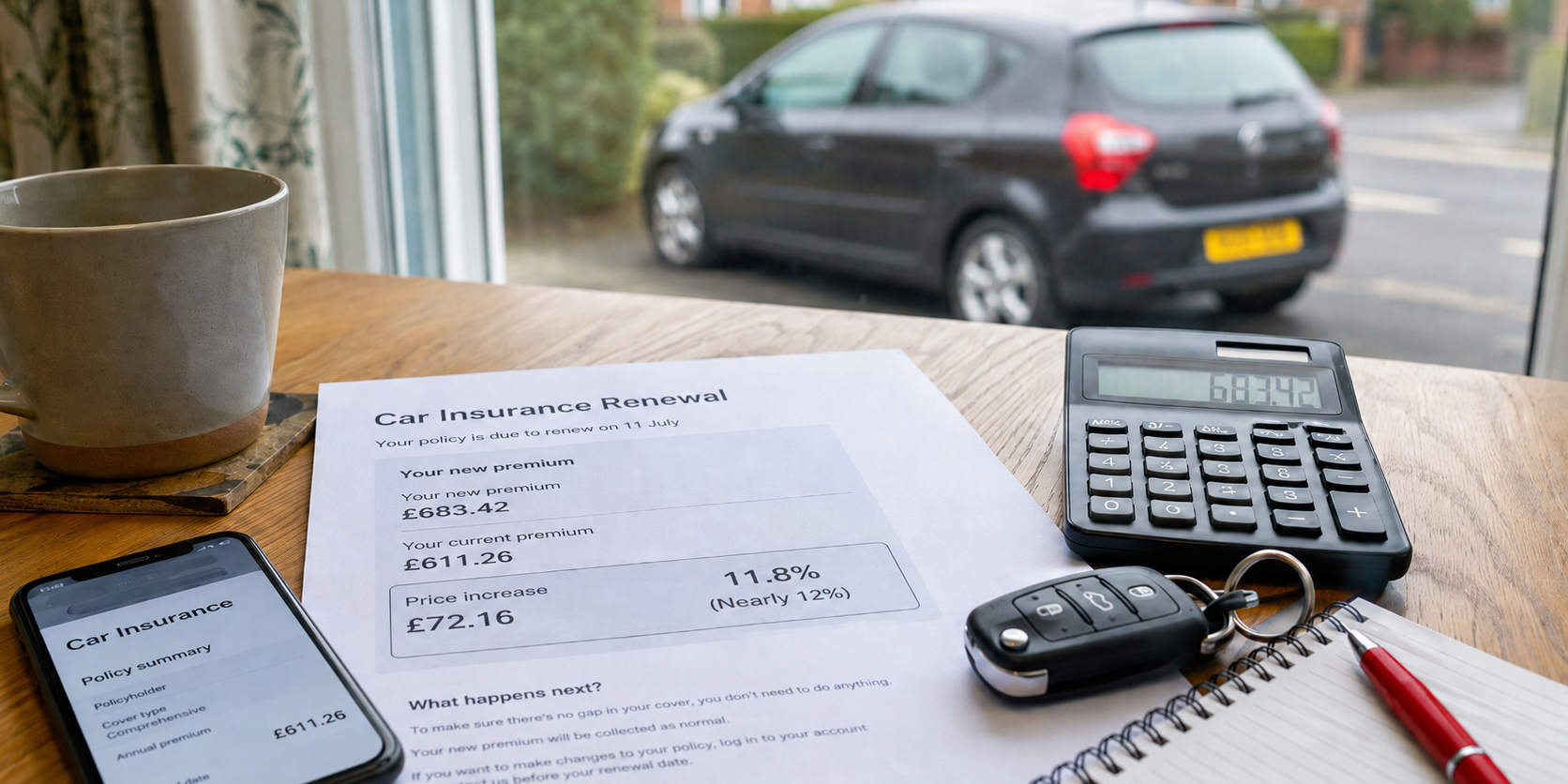
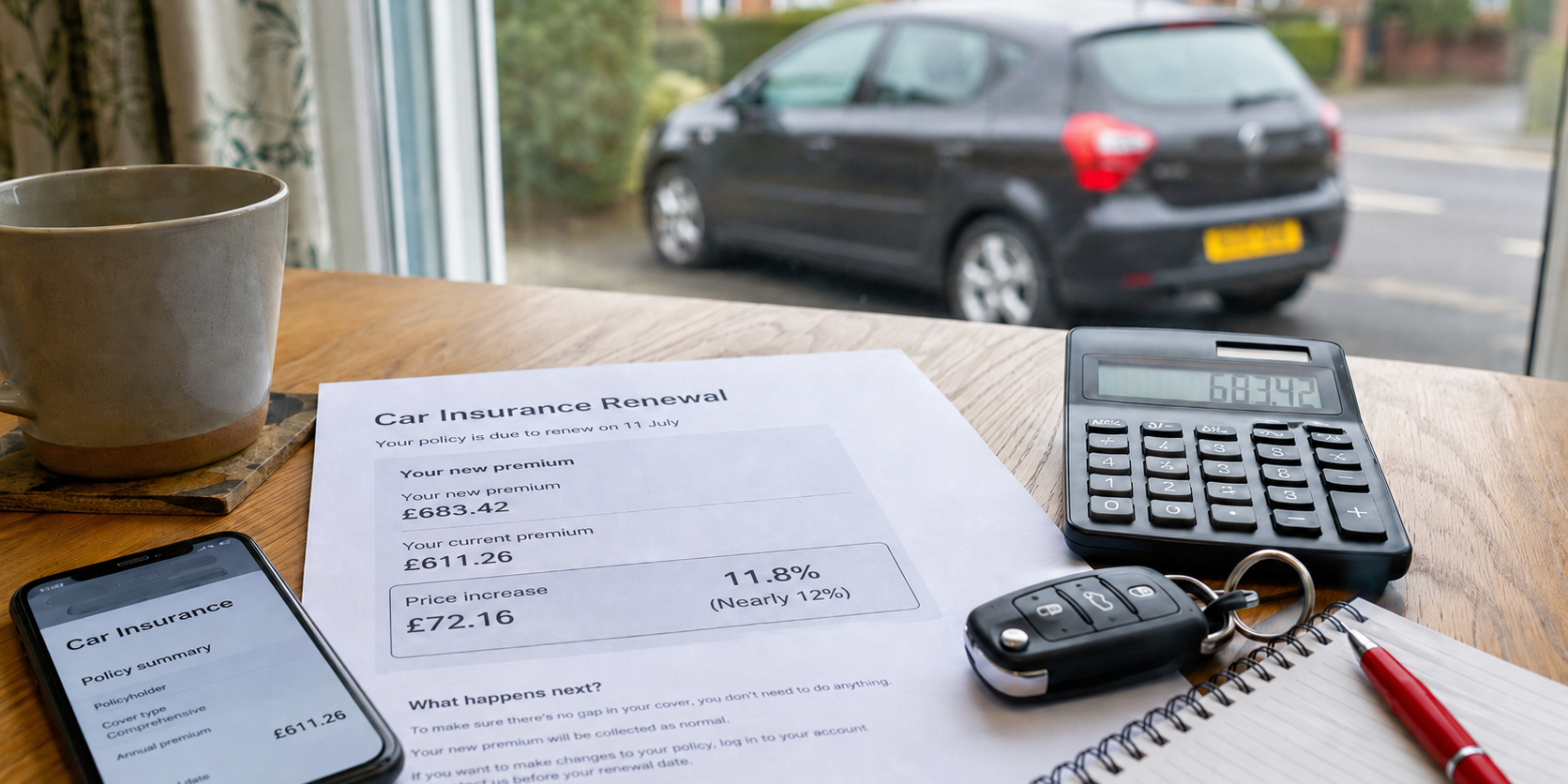
- Which? found some insurers charging interest rates as high as 53% APR to spread car insurance over monthly instalments, with one policy rising by £367.75 a year.
- Roughly 15 million motor insurance customers use premium finance, and the median rate across 36 quotes was 26.2%, just above the median credit card rate of 25.9%.
- The consumer group wants the government to ban extra charges for paying monthly, while the Financial Conduct Authority has ruled out a price cap.
The Extra Cost of Not Having £2,500 Spare in One Go
What Which? Found When It Priced 30 Providers
Paying for car insurance in twelve instalments sounds like a convenience. Which? says it is often a loan with a price tag attached, and in some cases a steep one.
The consumer group gathered 36 quotes from 30 providers between 26 and 31 August. Every quote used the same driver: a 42-year-old in Sheffield with a Ford Puma, ten years behind the wheel, no recent claims and 7,000 miles a year. The providers were a mix of firms that had not answered a June Which? survey, the ten most expensive quotes on MoneySupermarket, and others chosen at random.
The worst rates were City Insurance at 53% APR, UDrive Cover at 50%, Sterling Insurance at 38%, Rightsure at 34% and Acorn at 33%. The median across all 36 quotes was 26.2%. The median credit card rate in October 2026 is 25.9%, so the typical insurer is charging slightly more than a credit card company for the privilege of splitting the bill.
The biggest cash gap came from a Rightsure policy. Paid annually it cost £2,583.23. Paid monthly it cost £2,950.98. That is £367.75 extra, or about 14% on top of the headline price, for the same cover. Quote Detective had the largest proportional jump at 16.20%, which worked out at £244.76. Santander and the Post Office both charged 26.5% APR, adding £70.51 and £92.07 respectively.
Not everyone priced monthly payments like a lender. Fourteen of the providers charged under 25% APR and nine charged between 25% and 30%. Only Marshmallow and Motorcade charged 0%. Two providers offered premium finance but gave no APR figure at all, which makes comparing them almost impossible.
How Many Drivers Are Affected and Why Profit Margins Draw Fire
Which? estimates about 15 million motor insurance customers use premium finance. The Financial Conduct Authority found that in 2023 nearly half of motor and home policies, about 23 million, were paid monthly. Drivers on tight budgets, those who cannot lay hands on £2,500 in one go and those who struggle to get new credit have little choice.
The campaign group points to the regulator’s own data on profits. According to FCA figures cited by Which?, the average profit margin on insurers’ premium finance is 31%, against 3% on motor insurance policies themselves. That is roughly ten times the margin on the product the driver actually needs.
Which? cites a former FCA head of insurance who described the practice as a “tax on being poor”. Rocio Concha, director of policy and advocacy at Which?, put the human cost this way: “Too many consumers have already been pushed out of driving or into financial peril.”
The group wants three things from the government. First, a ban on insurers charging extra for monthly payment. Second, a rule requiring motor insurers to keep a pay-monthly option available, so that customers do not lose the choice altogether. Third, action in the upcoming Budget, as part of the Prime Minister’s stated agenda of giving households breathing space.
The Regulator Has Already Looked and Said No to a Cap
This is not a new fight. The FCA launched its Premium Finance Market Study in October 2024, alongside the government’s Motor Insurance Taskforce. It published its final report in February 2026.
The regulator found that prices were falling. In a press release on 3 February 2026, the FCA said premium finance interest rates had dropped by an average of 4.1 percentage points from 2022, saving customers around £157m a year. On a typical motor policy the saving was £8 a year, with the average cost of premium finance on a £400 representative premium falling from £49 to £41. Firms the FCA had flagged as highest risk of failing to deliver fair value cut their APRs by 7 percentage points on average, saving £14 a year on a typical motor policy. Which? notes that firms the regulator challenged brought their average rate down from 37.6% to 30.5%.
Graeme Reynolds, the FCA’s director of competition and interim director of insurance, acknowledged the reality for many households: “For millions, paying for insurance monthly is not a choice: it’s a necessity.” He also warned that the regulator would act against firms that fall short.
Even so, the FCA ruled out a price cap and ruled out requiring interest-free instalments. Its reasoning was that a cap could restrict access to cover for people who can only pay monthly. It expects every firm to review whether its premium finance meets fair value rules, and it will keep monitoring. Which? argues that is not enough, pointing to the 53% rate it found on a quote this autumn.
MoneySavingExpert has chased the same issue for years. Its October 2024 research found some insurers charging nearly 50% APR for monthly payments, and an MSE poll found one in three people pay their insurance monthly by Direct Debit.
What the Insurers Said
The firms named by Which? did not all accept the criticism. City Insurance said it is reducing its representative APR to about 36%. Ageas said the finance arrangement is a separate product provided by Rightsure. Rightsure said its net profit from premium finance is about 0.4% and that APR alone does not show the value a customer gets. Sterling Insurance said its higher rates reflect higher credit risk in the non-standard market, where drivers with poor records or complicated histories are often placed.
Those answers point to a genuine split. A cap that suits a driver with a clean record could push specialist insurers to withdraw monthly options from riskier customers. That is the trade-off the FCA has cited. Which? counters that a ban on extra charges, coupled with a duty to offer monthly payment, would protect both sides of the argument.
What Drivers Can Do Before Renewal
Nothing changes by law yet, so the choices sit with the driver. MoneySavingExpert’s advice is to pay upfront if you can. If you need to spread the cost, a 0% purchases credit card can be cheaper than the insurer’s instalment plan, provided you clear the balance before the 0% period ends. A standard credit card can still beat an insurer’s monthly rate when the insurer charges more than about 26%, but compare the APRs and check you can afford the repayments.
When comparing quotes, look for the total cost payable on monthly terms, not just the monthly figure. A £2,583.23 policy that costs £2,950.98 over twelve months is a different deal from the one on the headline. Ask for the APR in writing and compare it against any 0% card you hold. Where credit is not an option, monthly Direct Debit can be the only route, and a comparison tool can at least find the cheapest monthly total.
The Which? sample shows that two providers, Marshmallow and Motorcade, charged no interest on instalments. That does not make them the cheapest overall, as the base premium can be higher, but it proves a 0% monthly policy exists in the market.
What Happens Next
The government has not said it will ban anything. The FCA’s position is that it will monitor and step in against individual firms, while Which? has put its demand on the table ahead of the Budget. For drivers, the practical date is the next renewal letter. The cost of monthly instalments is visible on the quote if you look for the APR, and it is the one number that separates a fair plan from a pricey one.
Readers following the wider cost of cover can read our earlier reports on the rise in Ombudsman car insurance complaints and on why drivers over 70 pay £480 for cover.
Sources:

Leave a Comment
More in News

What NHTSA’s Tesla Robotaxi Petition Over School Zone Speeding Means for You

Why Hyundai Is Telling 94,622 Genesis Owners to Park Outside

BMW Owners Have One Day Left to Claim This Shark Fin Antenna Payout
Car Insurance Prices Are Falling for the First Time in Years, Federal Data Shows

Honda Civic Hybrid Gains S+ Shift Tech and New Sport Grade from £34,325
Trending on Motoring Chronicle

2027 Jeep Wrangler JL-2A Special Edition Adds Retro Style for Just $115 More

The AA Was Fined £4.2 Million for Hiding a Booking Fee From 80,000 Learners
Millions of Car Finance Drivers Told to Wait Until 2027 for Compensation

GM directs major investment in local workforce to launch three new vehicles
