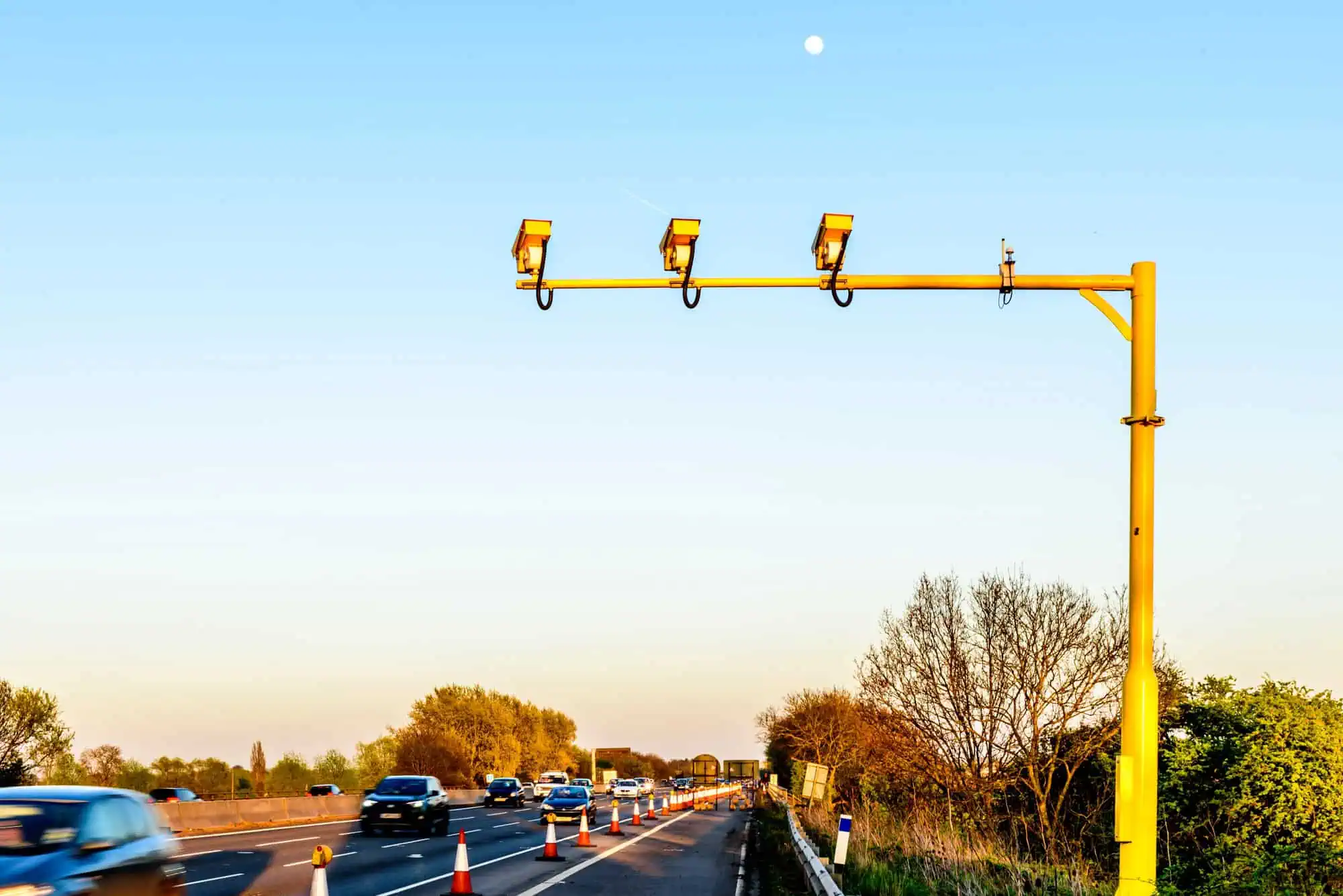
Why Government Delayed a 2p Fuel Duty Rise That Still Hits Drivers in December


- The government has postponed a planned 1p rise in fuel duty due on 1 September, with the Prime Minister confirming the rate will hold at 52.95p a litre until the end of the year.
- A further 2p rise is still pencilled in for 1 December and another 2p for 1 March 2027, under the staged plan set out in the November 2025 Budget, unless ministers step in again.
- RAC Foundation analysis puts the extra pump price premium drivers have paid over the course of the Iran conflict at £3 billion, with £500 million of that going straight to the Treasury in VAT.
The Rise That Didn’t Happen, and the One That Still Might
Fuel duty was scheduled to rise by a penny a litre on 1 September, the first of three staged increases the government announced in the November 2025 Budget. Speaking at Prime Minister’s Questions, Keir Starmer told MPs the rise would not go ahead as planned, and that the current rate of 52.95p per litre would hold until the end of the year. For a driver filling a 55 litre family car, that single decision is worth roughly 55p a tank on its own, but it lands on top of a far larger jump in pump prices that has nothing to do with tax.
How We Got to 52.95p a Litre
The Chancellor at the time cut fuel duty by 5p per litre, from 57.95p to 52.95p, in March 2022, responding to the surge in oil prices that followed Russia’s invasion of Ukraine. Governments froze fuel duty in cash terms every year between 2011 and 2022, then cut it rather than raised it, making it one of the most consistently protected taxes at Budget time regardless of which party has been in office.
The November 2025 Budget set out a plan to unwind the 2022 cut in three stages: 1p on 1 September 2026, 2p on 1 December 2026, and a final 2p on 1 March 2027, which would have returned the rate to its pre-2022 level of 57.95p. The government also said fuel duty would rise in line with the Retail Prices Index from April 2027 onward. The September stage is the one that has now been postponed. The December and March stages, as things stand, remain on the calendar.
What’s Really Driving Prices at the Pump
The postponement comes as pump prices climb for a separate reason entirely. RAC Foundation analysis shows drivers have paid an extra £3 billion collectively at the pumps over the course of the Persian Gulf conflict, which escalated in late February, a premium driven by oil markets rather than tax policy. Roughly £500 million of that £3 billion has gone straight to the Treasury as VAT. VAT is charged on the pump price including duty, meaning the government collects more automatically whenever the underlying cost of fuel rises, regardless of whether duty itself moves at all.
Steve Gooding, director of the RAC Foundation, said the fuel duty postponement is a response to that pressure rather than a solution to it. The decision “shows that ministers have registered the financial pain caused by rampant pump prices for individuals and for business,” he said, while cautioning it “won’t have the immediate effect of bringing forecourt prices down.” Gooding added that the burden has fallen hardest on diesel drivers, including the operators of 4.6 million vans on UK roads, with diesel still running around 27p a litre more expensive than petrol on average, though the gap has eased slightly in recent weeks.
The Businesses Getting Extra Help
Alongside the fuel duty postponement, the government announced a 12 month road tax holiday for hauliers, worth up to £912 per vehicle, and a cut to the rate of duty charged on red diesel, the rebated fuel used in agriculture, construction and other off road machinery. Both measures target the freight and logistics sector specifically, which has argued that sustained high diesel costs are being passed through the supply chain into the price of almost everything transported by road, from groceries to building materials.
What the Full 5p Reversal Would Actually Cost You
The three planned stages add up to a 5p per litre rise altogether, taking duty from 52.95p back to the pre-2022 level of 57.95p if all three go ahead on schedule. For a driver who fills a 55 litre tank roughly once a month, that works out at an extra £2.75 a tank, or about £33 a year, once every stage lands. A driver covering higher mileage, filling up weekly rather than monthly, would see the same rise add up to closer to £140 a year. None of these figures include VAT, which is charged on top of the pump price including duty, so the real world cost to a household runs slightly higher than the duty change alone suggests.
The Political Backdrop
Fuel duty has been one of the most politically sensitive taxes in Britain for well over a decade, and both Labour and Conservative chancellors have repeatedly delayed or cancelled planned rises rather than risk the backlash that follows a jump in pump prices. The pattern playing out this autumn, a scheduled rise announced at one Budget and then quietly shelved months later as prices climb for unrelated reasons, has repeated multiple times in the years that followed the original 2011 freeze. Campaign group FairFuelUK has argued for years that fuel duty acts as a stealth tax on everyone who drives to work, and every postponement announcement tends to draw the same response from motoring groups: relief that a rise has been avoided for now, paired with a warning that the underlying rate remains high by historic standards even without the cancelled increase.
What This Means for Your Next Fill-Up
For an ordinary driver, the immediate effect of the postponement is that pump prices will not rise by the tax portion alone this autumn, though they can still move with the underlying cost of oil regardless of what duty does. The more important date for household budgets is 1 December, when the second stage of the original plan, a 2p per litre rise, is still scheduled to take effect unless the government intervenes again before then. A further 2p rise remains scheduled for 1 March 2027.
Drivers who want to track whether these increases go ahead should watch for Treasury and Budget announcements in the run up to both dates. Fuel duty policy has changed direction more than once in the past year alone, and the September reversal shows the government is willing to step back from its own timetable when pump prices are already under pressure from elsewhere.
Filling up before a confirmed rise, where storage allows, has historically saved regular drivers a modest amount, though the saving on a single tank rarely exceeds a few pounds and is easily outweighed by any rise in the underlying oil price in the meantime. A more reliable approach for most drivers is comparing prices between supermarket forecourts and branded stations on a regular commute, where gaps of ten pence a litre or more between filling stations just a few miles apart are common and add up to far more over a year than the timing of any single duty rise.
Businesses that rely on diesel, from delivery firms to tradespeople driving vans daily, stand to save the most from the road tax holiday and the red diesel cut, and should check with their accountant or fleet provider whether they are automatically enrolled or need to claim the relief directly.
Drivers who want to see how their own spending compares can check their last few months of fuel receipts against the current 52.95p duty rate and the prevailing pump price, then work out roughly how many litres they buy in an average month. Multiplying that figure by 5p gives a rough personal estimate of what the full staged rise would eventually cost, a more useful number for household budgeting than the national averages quoted by the Treasury or motoring groups. Individual mileage and vehicle efficiency vary so widely from one driver to the next that a national average can understate or overstate any single household’s real exposure to the change. A high mileage diesel commuter and a low mileage second car sitting on the drive most of the week face very different bills from the same headline duty rate, even though both pay the same price at the pump.
Sources:

Leave a Comment
More in News

Why Connecticut Drivers Cruising in the Left Lane Now Face an $88 Fine
Hurricane Isaias Flooded Thousands of Cars That Could Reach Used Lots

Gas Prices Jump to $4.36 a Gallon as the National Average Rises 40 Percent in a Year

NHTSA Recalls Over 346,000 Vehicles From Ram, Ford, VW and Land Rover

Why Every Used Car Buyer Should Check Which Models Cost £44,401 to Repair
Trending on Motoring Chronicle

Learning to Drive Now Costs £2,600 as Lesson Prices Reach £40 an Hour

Dacia Duster and Bigster Hybrid 155 Prices Cut by Up to £1,750

63 Cars For 63 Years. The Lamborghini Revuelto NA63 Is A V12 Hybrid Love Letter To North America That Nobody Else Can Buy

What UK Child Car Seat Law Actually Requires (and How to Stay Legal)