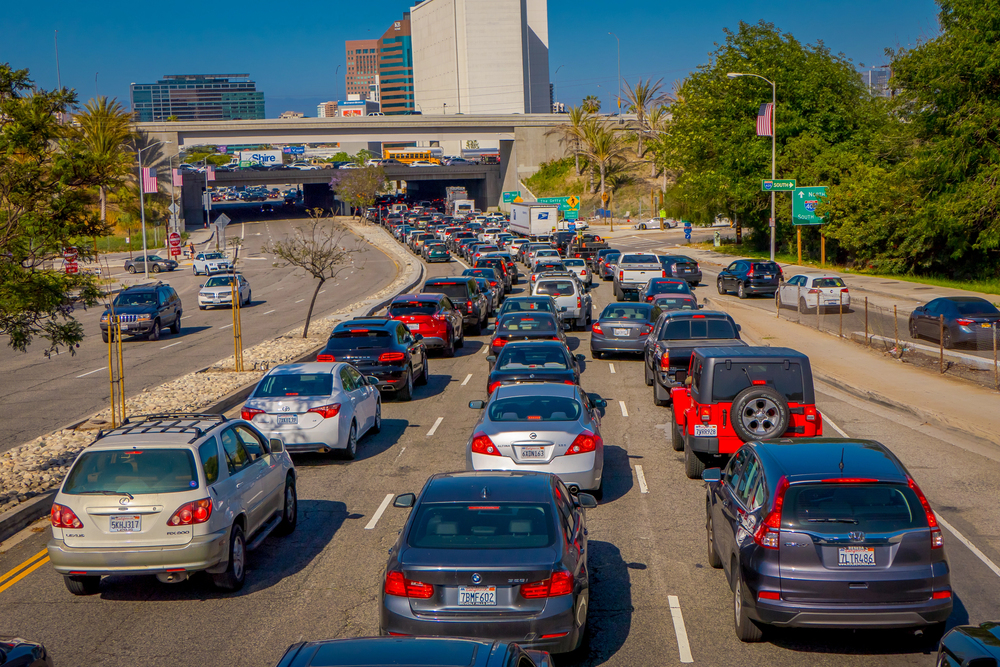
Hurricane Isaias Flooded Thousands of Cars That Could Reach Used Lots

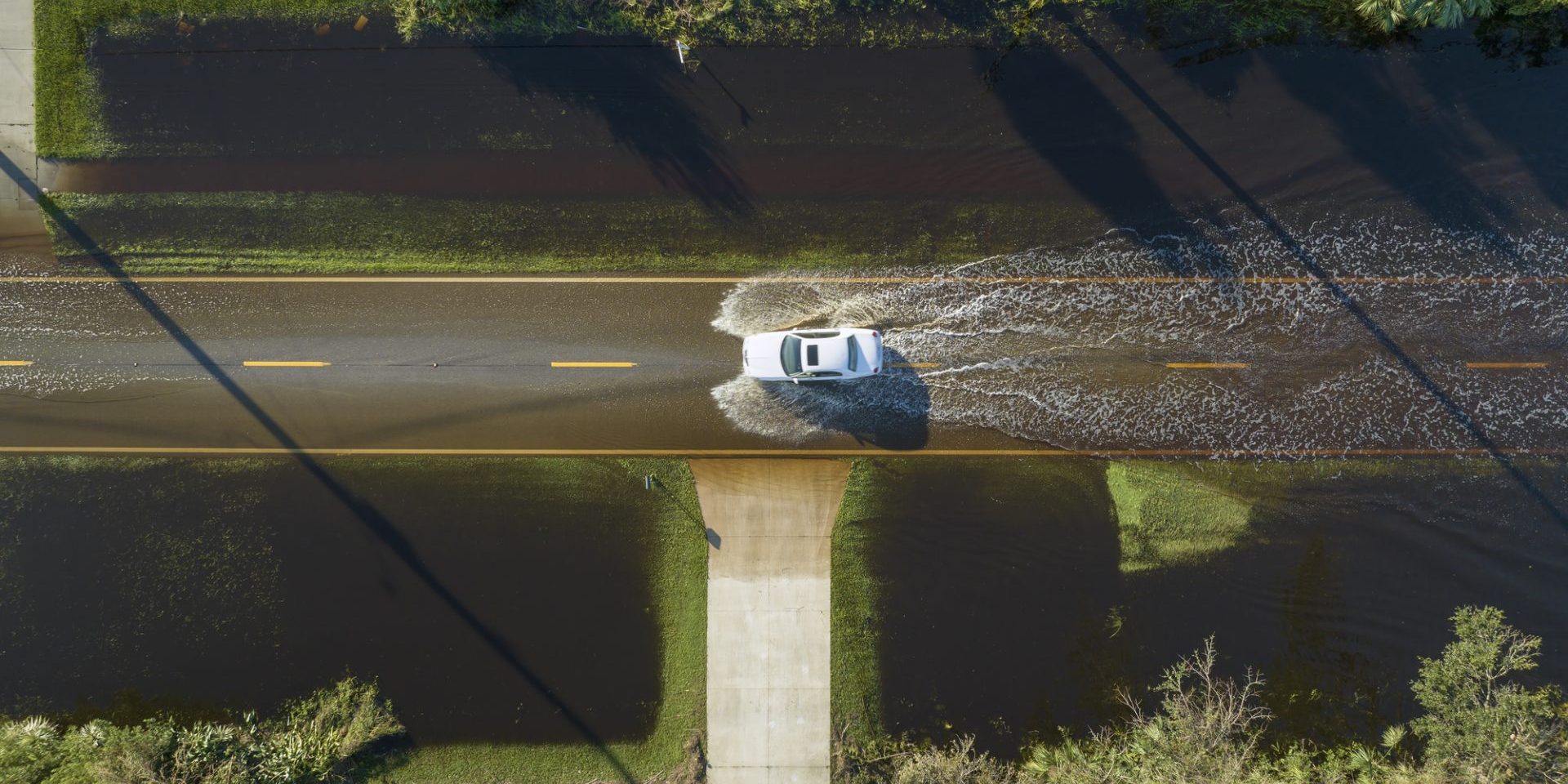
- Hurricane Isaias slammed into the Florida Panhandle near Destin on October 9 as a Category 2 storm, dumping up to 15 inches of rain and cutting power to nearly 900,000 customers across Florida, Alabama and Georgia.
- CARFAX had already tracked an estimated 45,000 vehicles damaged by flooding from storms earlier this year, and Isaias adds a fresh batch of water-logged cars that scammers can clean up and resell as if nothing happened.
- A free VIN check at carfax.com/flood takes under a minute and will flag any flood damage on a vehicle’s title history before you hand over a deposit.
Thousands of Flooded Cars Are About to Reach Buyers Who Have No Idea
Every hurricane that floods a neighborhood also floods driveways, parking lots and dealer lots, and Isaias was no exception. The storm made landfall near Destin, Florida, around 8:30 p.m. local time on October 9 with 105 mph winds, bringing a storm surge of about five feet and rainfall between four and eight inches across Alabama, Florida and Georgia, with isolated totals as high as 15 inches. Nearly 900,000 customers lost power across the three states, and Alabama’s governor declared a state of emergency for 40 counties while Florida’s covered 25.
Every car left parked low or caught on a flooded road when that storm hit is now a candidate for the used-car market, often sold by someone with no idea the car has hidden water damage, or in some cases by someone who knows exactly what they are doing.
How a Flooded Car Ends Up for Sale With a Clean Story
When a flooded car is declared a total loss, the insurer typically issues a salvage or flood title, a permanent mark meant to warn any future buyer. Dishonest sellers get around that mark through a practice known as title washing, moving the car through one or more states with weaker salvage-title laws until the paperwork comes out clean on the other end. The car itself never stops being flood-damaged. Only the title does.
CARFAX vice president of data acquisition Faisal Hasan put it plainly: these cars “show up all over the country, putting unsuspecting buyers at serious risk.” He added that a rehabbed flood car “may look showroom fresh, but they’re literally rotting from the inside out.” Water damage to wiring, airbag sensors and structural components tends to surface gradually, long after the thirty-day return window most private sales never offer in the first place.
CARFAX Already Tracked 45,000 Flood Cars Before Isaias Hit
Even before this storm, CARFAX estimated that flash flooding between April and July left as many as 45,000 vehicles with water damage, concentrated heavily in Florida, Texas, Kentucky and Pennsylvania. The National Oceanic and Atmospheric Administration had already predicted an above-normal Atlantic hurricane season well before Isaias formed, and this storm is unlikely to be the last one to add cars to that total before the season ends in late November.
Flood cars do not stay in the state where the storm hit. Dealers and private resellers routinely transport damaged vehicles hundreds or thousands of miles from the coast, knowing buyers inland are far less likely to be thinking about hurricane damage when they shop. A driver browsing a listing in Ohio or Illinois has just as much reason to check a car’s flood history as someone shopping two towns over from where Isaias made landfall.
Insurance Rarely Covers the Full Loss
A car owner whose vehicle actually floods in a storm like Isaias faces a separate problem from the one facing buyers: standard auto insurance does not cover flood damage at all. Only comp coverage, an optional add-on that roughly one in four US drivers skips to save money, pays out for water damage. A driver carrying only liability and collision coverage, which satisfies most state minimum requirements, is left covering the entire repair or replacement cost out of pocket if their own car floods.
That gap is part of why flood-damaged cars end up resold rather than scrapped. An owner without comp coverage has a strong financial incentive to patch a car up and sell it rather than absorb a total loss, even when the car has taken on enough water to cause problems down the road. Checking your own policy for comp coverage before hurricane season peaks each year is a cheap way to avoid becoming part of that cycle yourself.
Where Flood Cars Tend to Resurface
Online marketplaces and small independent lots see a disproportionate share of washed-title flood cars compared with franchised new-car dealers. Big dealers tend to run their own VIN checks as a matter of policy before taking a trade-in. A private seller advertising a car “as-is” with a story about a recent move from a Gulf Coast state is not automatically suspicious, but it is exactly the kind of listing where a flood check costs nothing and tells you something concrete before you drive two hours to look at the car in person.
Auction houses that specialize in salvage and rebuilt titles are a legitimate part of the used-car economy, and plenty of buyers knowingly purchase a flood car at a steep discount to fix up themselves. The problem is not that flood cars exist. It is that a share of them get resold to buyers who have no idea what they are getting and pay full market price for a car that should have sold at a fraction of it.
What to Check Before You Buy
Start with a free Flood Check at carfax.com/flood, which flags any water-damage record attached to a vehicle’s title history using its VIN. Follow that with a full vehicle history report, which can surface flood-related insurance claims that never resulted in a formal title change. Neither check costs more than a few minutes, and both should happen before you put down a deposit, not after.
Then inspect the car itself. Damp or loose carpeting, or carpeting that does not match the rest of the interior, is one of the clearest signs of a cheap post-flood cleanup. Check under the dashboard, around door seals, and inside the hood and trunk latches for rust that has no business being there on a car of that age. A musty smell that air fresheners cannot fully mask often points to mold that has set into the padding under the carpet. Mud or silt turning up somewhere unusual, like inside the glove box or wedged up under the seats, is as close to a confession as a used car gets. Finally, look for fog or moisture trapped inside the headlights, taillights or instrument cluster, a sign water reached electrical components that a quick detail job never touches.
A mechanic’s pre-purchase inspection, typically costing well under $200, catches most flood damage a seller might have missed or chosen not to mention. A trained eye checking under the car and inside the electrical connectors spots corrosion patterns a casual look-over never would. Pairing that inspection with a free VIN check gives a buyer two independent checks on the same question, the kind of extra step worth taking on a private sale where no dealer warranty or return policy offers a safety net if something surfaces later.
Buyers working with a budget that forces a trade-off between a slightly newer car with no history report and an older one with a clean report should lean toward the clean report every time. A flood-damaged electrical system can fail months or years after the sale, well past any point where a buyer could reasonably trace the problem back to water damage, leaving the full repair bill with whoever owns the car when it finally gives out.
Sources:

Leave a Comment
More in News

Why Connecticut Drivers Cruising in the Left Lane Now Face an $88 Fine

Gas Prices Jump to $4.36 a Gallon as the National Average Rises 40 Percent in a Year

NHTSA Recalls Over 346,000 Vehicles From Ram, Ford, VW and Land Rover

How DVSA Data Reveals Which Driving Test Centres Give You the Best Odds
Every UK Driver Faces Two More Fuel Duty Rises Worth 4p by March 2027
Trending on Motoring Chronicle

Cars Could Be Seized at the Roadside and Points Added for Driving Without an MOT

Impressions of the Mercedes-Benz S-Class world premiere [Photo Gallery]
Govan Goes Slow: Glasgow’s First 200 Streets Drop To 20mph On 4 June
Chrysler Goes All In on Van Life With New Chrysler Pacifica Grizzly Peak Concept [Photo Gallery]