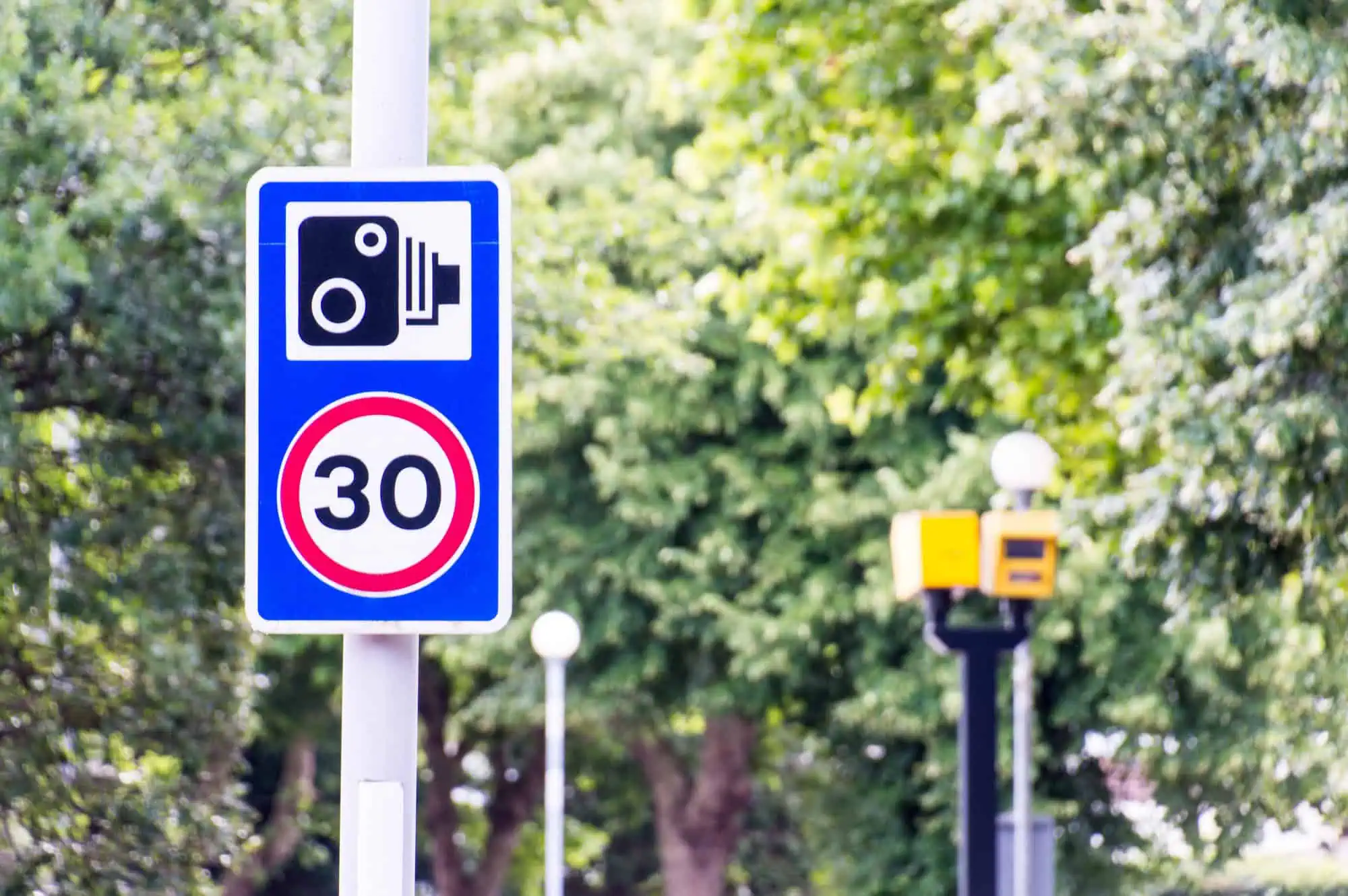
TfL and the Met Are Testing Speed Cameras Drivers Will Never See Coming
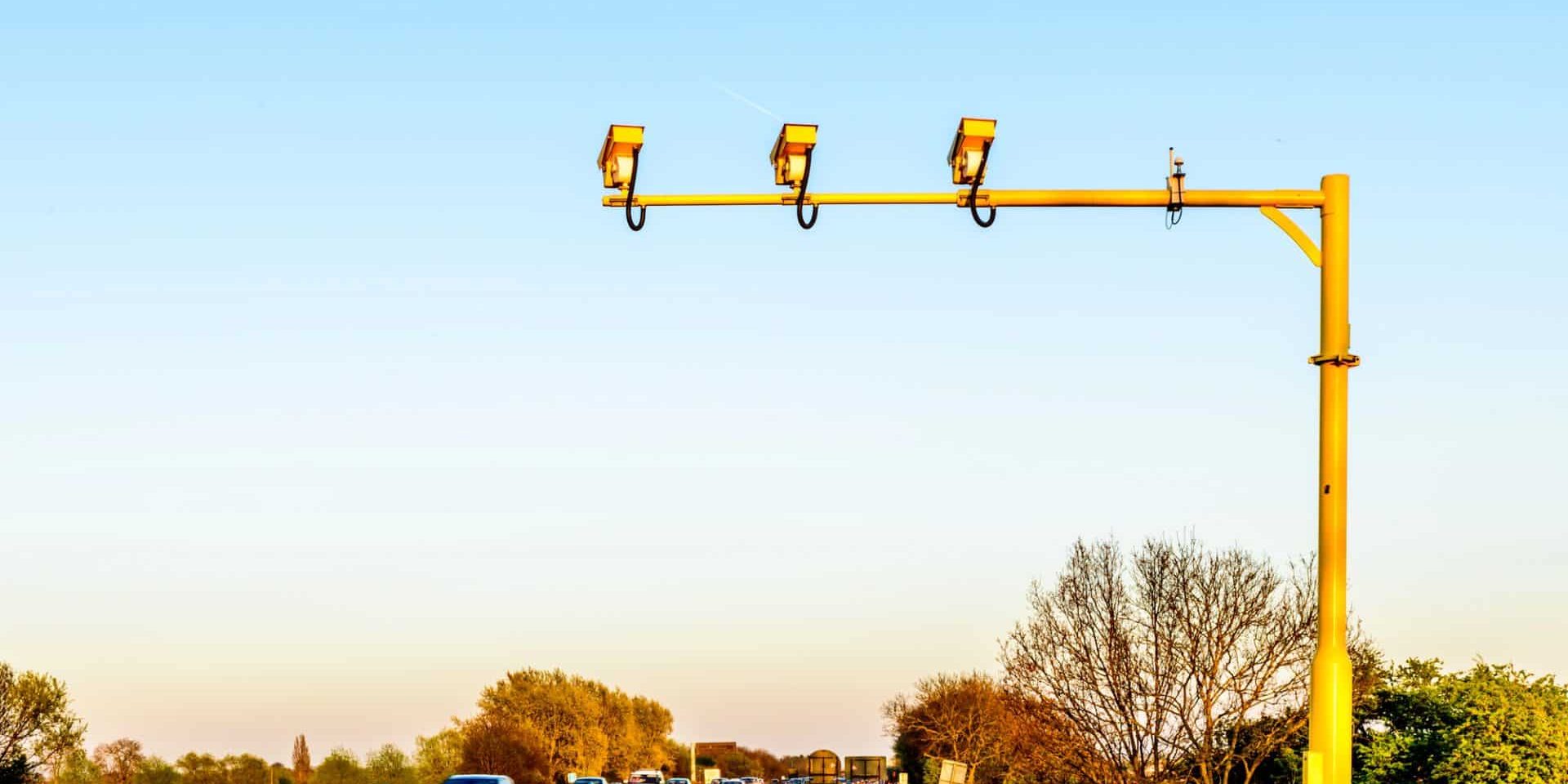
- Transport for London and the Metropolitan Police have started trialling a new generation of speed camera across nine London boroughs that fires no flash and needs no painted road markings.
- The 4D radar system, paired with a 4K colour camera, can cover up to five lanes of traffic moving in both directions, compared with three lanes in one direction for existing cameras.
- Drivers caught speeding still face the same £100 fixed penalty and three points, or a court summons for the worst offences, whether or not they ever see the camera that caught them.
A Speed Camera With No Flash and No Warning
Nine London boroughs are now hosting a trial of speed cameras that work nothing like the yellow Gatso boxes drivers have grown used to spotting from a distance. Transport for London has partnered with the Metropolitan Police Service to test radar-based cameras that fire no visible flash, need no in-ground sensors or painted road markings, and can monitor up to five lanes of bi-directional traffic in a single unit, against three lanes in one direction for the cameras currently in use across the capital.
The trial covers roads with 20mph or 30mph limits in Haringey, Tower Hamlets, Havering, Croydon, Hammersmith and Fulham, Brent, Hackney, Ealing and Sutton. TfL says the locations were chosen for their suitability and collision risk rather than any single common feature, and the boroughs span outer and inner London, busy high streets and quieter residential roads alike.
Why the Technology Changes the Game for Detection
Traditional speed cameras rely on a visible flash, a painted grid on the road, or in-ground sensors that a driver, or a detector app relying on known camera locations, can spot in advance. The new cameras use 4D radar combined with a 4K colour camera instead, and TfL’s own description of the technology confirms that it needs neither a flash nor road markings to work.
Millions of UK drivers rely on smartphone apps and satnav warnings that flag fixed camera locations pulled from public databases, or that watch for a flash on a previous pass to warn other users. A camera that gives off no visible signal and requires no ground infrastructure is far harder for any of those systems to detect in the way drivers have come to expect, whatever a driver’s speed on approach.
Drivers who have grown used to a warning tone or an on-screen alert seconds before a known camera location should not expect the same reassurance on these nine boroughs’ 20mph and 30mph roads. The whole point of a system with no flash and no ground sensor is that it gives nothing away to a passing driver, an app, or a fellow motorist flashing headlights as a warning further down the road.
What TfL and the Met Say They Are Trying to Achieve
A TfL director explained that speeding remains a major cause of the most serious collisions on London’s roads, and that the trial exists to test whether radar-based technology meets the city’s future enforcement needs. The Metropolitan Police has separately said the new units should improve reliability and produce clearer images, helping officers pursue prosecutions with stronger evidence.
Both organisations have kept the trial’s exact camera count and timeline for a wider rollout under wraps, and neither has said what happens to the results once the pilot concludes. Past pilots of new enforcement technology in London, including bus lane and box junction cameras, have historically expanded from a small trial area to boroughs and roads across the capital once the results supported it.
The Fine and Points Are Exactly the Same as Ever
Nothing about the penalty structure changes with the new camera hardware. A driver caught marginally over the limit typically receives a conditional offer of a fixed penalty of £100 and three penalty points, or, for a first offence within certain speed bands, the option of a speed awareness course instead of points. Drivers caught at higher speeds face a court summons, a fine that can reach 175 percent of weekly income depending on the offence band, and a higher points total or a driving ban for the most serious cases.
England and Wales recorded well over two million speeding fixed penalty notices in a typical recent year, and London’s boroughs already account for a disproportionate share of those tickets given the sheer density of camera-enforced roads across the capital. A change in how those cameras are detected, rather than how they are punished, could still shift that share further toward whichever boroughs adopt the new radar units first.
The only change is how the evidence gets captured. A radar unit that logs a vehicle’s speed and produces a clear image without a flash removes one of the few visual cues drivers previously had that a camera had triggered, though the underlying legal process for a penalty notice remains unaltered.
What Drivers Can Actually Do About It
The practical answer is unglamorous: the only reliable defence against a camera that gives no warning is not speeding on the roads where it operates. Detector apps built around flash-spotting or fixed camera databases lose much of their usefulness against a system with neither feature, and drivers who have relied on those warnings in 20mph and 30mph zones should assume they will not get one on these roads.
Drivers who receive a notice of intended prosecution should check it carefully against their own journey and vehicle before responding. Notices must arrive within 14 days of the alleged offence in most circumstances or they can be challenged on procedural grounds. Anyone unsure whether a fixed penalty or a court summons applies to their case should read the notice in full and contact the issuing police force directly with questions rather than ignore it. Failing to respond to a notice of intended prosecution is itself an offence, whatever a driver’s view of the underlying speeding allegation.
Could This Spread Beyond London?
Nothing has been confirmed about a national rollout, and TfL and the Met have both described this as a trial rather than a settled policy. Councils and police forces elsewhere in the country have watched London’s enforcement technology pilots closely in the past, and a successful outcome here, above all around image quality and lane coverage, would give other areas a template to follow without running their own trial from scratch.
Highways authorities in Scotland and Wales have adopted average speed camera technology piloted first on English motorways within a few years of each successful trial, and there is no obvious reason a radar system proven in nine London boroughs would follow a different path if it delivers on TfL’s aims.
For now, the nine boroughs involved offer the clearest sign of where this technology sits: not yet a settled national standard, but far enough along that speeding drivers in those areas should treat every 20mph and 30mph road as monitored, warning or no warning.
How This Fits Into London’s Wider Camera Network
London already runs one of the densest camera enforcement networks in Europe, combining fixed speed cameras, average speed zones through roadworks and 20mph areas, bus lane cameras, box junction cameras and the ULEZ and congestion charge camera network that reads number plates across the entire zone. The new radar units add a further layer to a system already built around continuous, largely automated enforcement rather than officers on the roadside.
For most London drivers, the practical difference is small: a speed limit is a speed limit whether a Gatso, an average speed zone or an unmarked radar unit is watching. What changes is the level of certainty a driver can have about whether any given stretch of road is being monitored at that moment, and the new cameras remove one more of the visual and digital cues drivers have used for years to answer that question.
Sources:

Leave a Comment
More in News

2027 Nissan Pathfinder Special Edition Starts at $47,390 for 40th Anniversary

Mercedes-Benz Puts New CLA Through World-First Side-Impact Crash Test at 56km/h
What a Spongy Brake Pedal Means for Your Car and Your £300 Repair Bill

What Car Tax Bands Actually Mean in 2026 (and How to Find Yours)

Why Fake Number Plates Could Leave Any UK Driver With Someone Else’s Fine
Trending on Motoring Chronicle

Private Parking Firms Made a Record 12.8 Million DVLA Requests Last Year

GM Duramax 8.3L V8 Brings 555 Horsepower to 2027 HD Trucks
Honest Drivers Are Paying for a Billion Pound Insurance Fraud Bill

Optimized Porsche 911 GT3 R to launch in 2026 season [Photo Gallery]