
Half of Drivers Back £100 Fines for Misusing Parent and Child Parking Bays
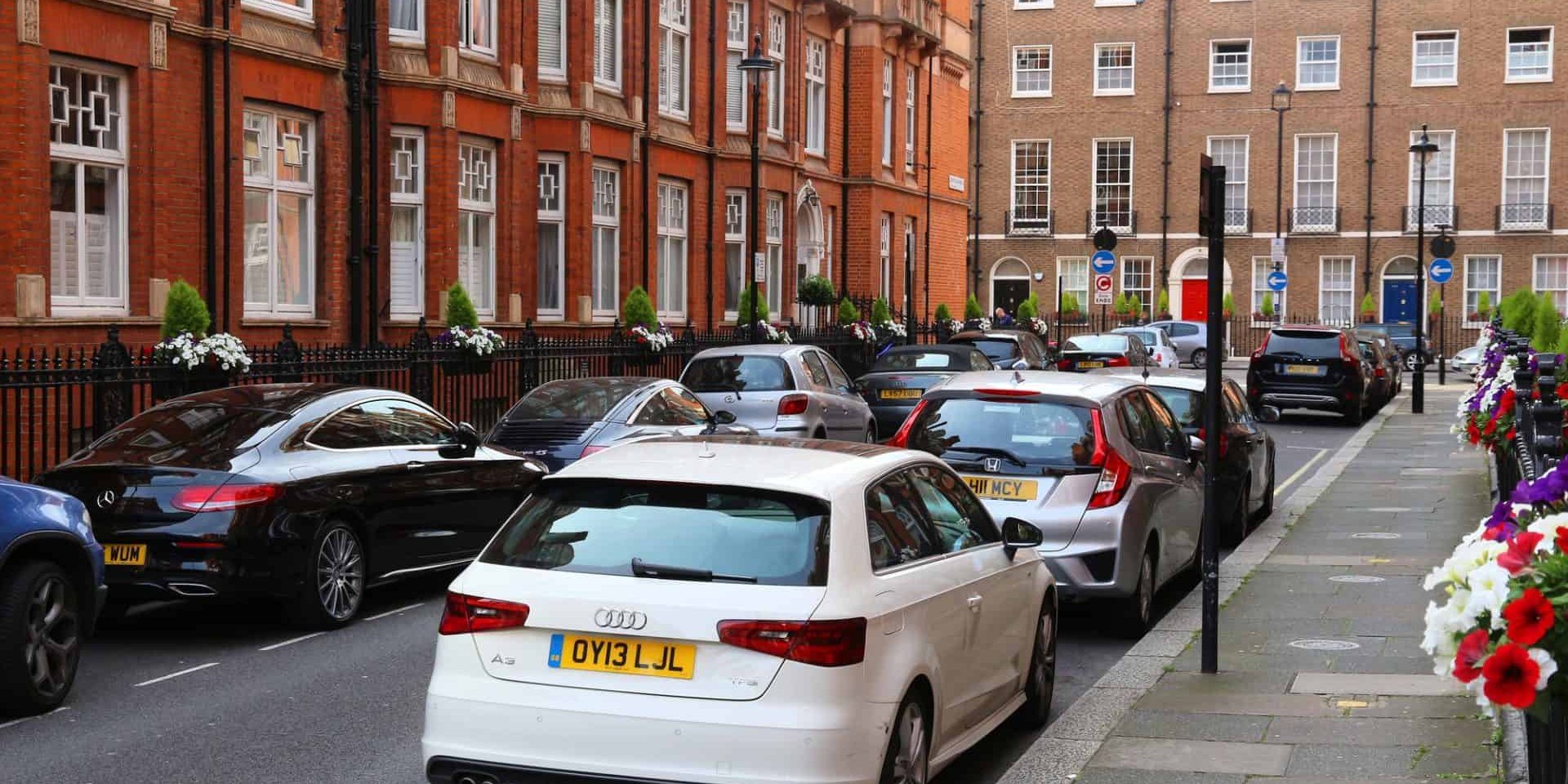

Parking without a child in a parent and child bay has long been one of the quiet flashpoints of the supermarket car park, and new research suggests most drivers now want it punished. A survey published in June 2026 found that more than half of motorists support fines for people who misuse the wider family bays, and Tesco has begun handing out penalties of up to £100 to drivers caught using them without a child. With the summer holidays about to fill car parks to bursting, here is what the rules actually are, why they vary so much from one car park to the next, and how to avoid an unexpected charge.
What the survey found
The research was carried out by comparison site Tiger.co.uk, which asked 1,000 UK motorists for their views. It found that 51 percent support penalties being issued to drivers who wrongly use the designated parent and child bays. The frustration is widespread. Almost two thirds of those surveyed, 63 percent, said they had seen a driver without a child using the spaces, yet only 18 percent said they would feel comfortable confronting someone about it.
That reluctance to say anything is part of the problem. Parent and child bays exist because they are wider than a standard space, giving a parent enough room to open a door fully and lift a child or a bulky car seat in and out safely. When the bays are taken by drivers without children, parents are forced into standard spaces where there is far less room to manoeuvre. Analysis of insurance claims from last year suggested that up to 20 percent involved some kind of car park altercation or damage, much of it caused by doors being opened into neighbouring vehicles in cramped bays.
Ian Wilson, managing director at Tiger.co.uk, said the issue was about safety as much as courtesy. “Parent and child parking spaces exist to help families get young children in and out of vehicles safely,” he said. “When other drivers misuse these spaces, it inconveniences the parents who need them by forcing them into narrower bays, and it can also lead to unintentional and unnecessary damage to vehicles. Parents could damage their own vehicles trying to remove a car seat, or accidentally scratch or dent a neighbouring car, leading to costly repairs.”
Why the rules are so confusing
Here is the part that catches drivers out. Unlike disabled parking bays, there is no national law governing parent and child spaces. The bays are almost always on private land owned by the supermarket or retail park, which means the rules are set entirely by whoever operates the car park. That creates real inconsistency from one site to the next.
Some operators say anyone travelling with a child up to the age of 12 may use the bays. Others restrict them to babies and toddlers only. Some, including Tesco, allow heavily pregnant women to use the spaces, while others make no such allowance. Because none of this is set in law, the only reliable guide is the signage at the specific car park you are using. A practice that is perfectly acceptable at one supermarket can earn you a charge at another a mile down the road, so it is worth reading the terms on the entrance sign rather than assuming they are the same everywhere.
This patchwork is part of a much bigger debate about how private parking is policed in Britain. We have looked at the attempt to bring order to the sector in our report on what the new private parking code means for every driver who gets a ticket, and at the sheer scale of enforcement in our coverage of private parking tickets set to hit a record 17 million.
How the £100 charge actually works
Tesco has begun more active monitoring of its car parks, using warning signs and enforcement teams to issue charges of up to £100 to drivers who misuse the family bays. It is important to understand exactly what this charge is. Because parent and child bays sit on private land, the penalty is not a council fine and not a criminal matter. It is a parking charge notice issued by a private operator, which is a contractual charge for breaking the terms displayed on the signs when you entered the car park.
That distinction changes how you should respond. A private parking charge cannot put points on your licence and is not enforced by the police. It can, however, be pursued through the courts as a civil debt if it is ignored, and the operator can use the DVLA to obtain the registered keeper’s details. Private charges are capped by the industry codes of practice, which is why the figure is usually £100 rather than more, and most offer a reduced rate, often around £60, if you pay within 14 days.
If you believe a charge is unfair, you have the right to appeal. You appeal first to the parking operator, and if that fails you can escalate to the independent appeals service that the operator belongs to, either POPLA or the Independent Appeals Service, depending on which trade body runs the car park. Keep any evidence that you had a child with you, such as a timed receipt or a photograph, because the burden is on you to show the bay was used correctly.
What to do this summer
The simplest protection is to use the bays only when you actually have a child with you, and to check the entrance signage for the age limit and any conditions before you park. Parking issues tend to get worse over the summer, when car parks are busier and tempers shorter, so the chance of being monitored or challenged rises just as the temptation to grab a wider space does.
If you are a parent who relies on the bays, the research suggests confronting a misuser in person is rarely worth it, given how few drivers feel comfortable doing so and how often car park disputes end in damage or worse. Reporting the issue to a member of staff is a safer route. There is also a growing campaign for a national system. A parliamentary petition calling for a permit-style scheme for parent and child bays, similar to the Blue Badge scheme for disabled drivers, has gathered several thousand signatures, although no government has committed to introducing one.
For now, the position is unchanged. Parent and child bays are governed by the car park operator rather than the law, the penalty for misuse is a private charge of up to £100, and the only sure way to avoid one is to read the signs and use the spaces as intended. With more retailers following Tesco in stepping up enforcement, the days of treating a family bay as a convenient extra-wide space are coming to an end. For more on the hidden costs of parking, see our guide to how parking apps are charging drivers up to 50 percent extra in hidden fees.
It helps to understand how parent and child bays differ from disabled spaces, because the two are often confused. A disabled bay marked out by a council on a public road or in a council car park is backed by law. Parking in one without displaying a valid Blue Badge can bring a £70 penalty charge notice, and fraudulently using someone else’s badge can lead to a fine of up to £1,000 and the badge being seized. Parent and child bays carry none of that legal backing, which is exactly why operators such as Tesco have had to introduce their own monitoring and charges to make them stick. For drivers, the practical lesson is that the sign at the entrance, not your assumption, sets the rules, and the cheapest approach is always to read it before you park.
Sources:
- https://www.honestjohn.co.uk/news/driving/2026-06/half-of-brits-support-stiff-fines-for-drivers-abusing-parent-and-child-parking-bays/
- https://www.gov.uk/government/news/government-cracks-down-on-rogue-private-parking-firms
- https://petition.parliament.uk/petitions/739884

Leave a Comment
More in News

What an AdBlue Warning Light Really Means Before Your Diesel Refuses to Restart

How Bus Lane Cameras Earned Councils £37.7 Million by Fining UK Drivers This Year
Every New Car Buyer Could Get Bigger Discounts as Britain Misses Its EV Target

Drivers Using Rapid EV Chargers Pay 79p a kWh, Up 4 Percent, Zapmap Shows
How to Tell DVLA You Sold Your Car (and Avoid the Buyer’s Fines)
Trending on Motoring Chronicle

Why Tyre Pressure Drops Overnight in Winter

Lamborghini: records from the past that you might not know about

VW Transporter eHybrid Arrives From £38,155 With 35-Mile Electric Range

Louisiana Doubles Insurance Cancellation Notice to 60 Days [and What to Do if Dropped]
