Private Parking Tickets Set to Hit a Record 17 Million as Drivers Confuse the Charges
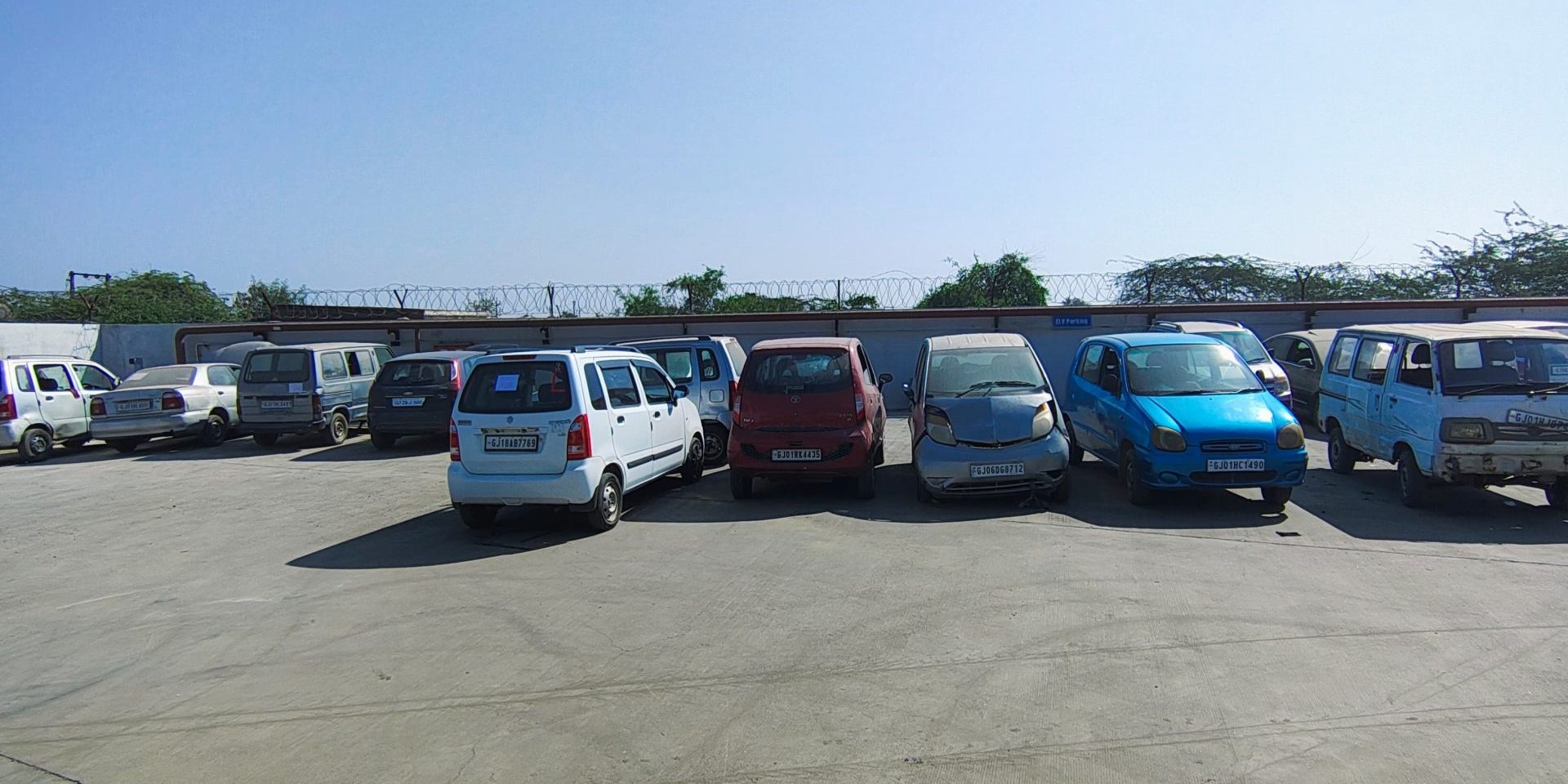
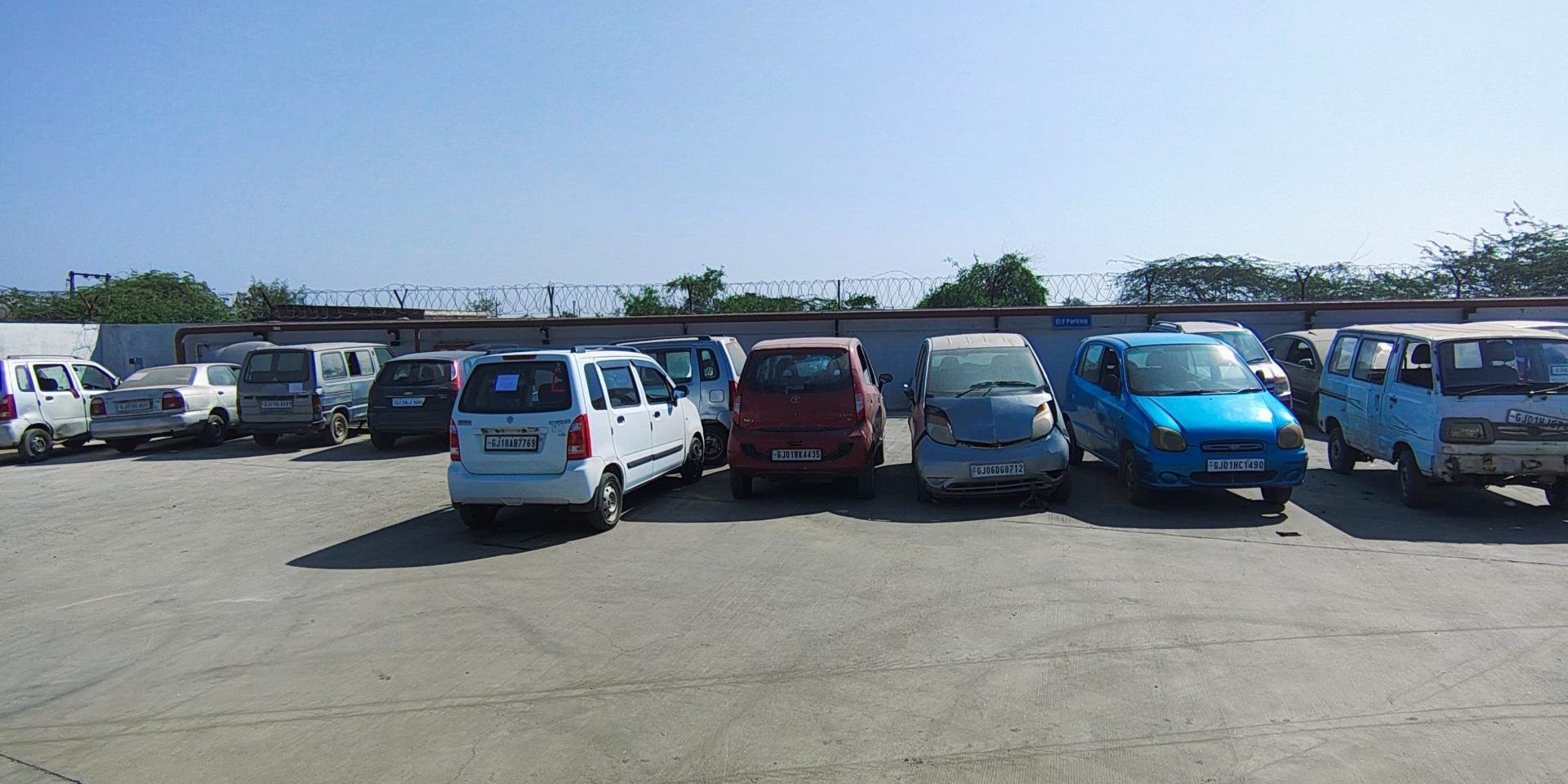
A record number of parking tickets are heading for British windscreens over the coming year, and a large share of the drivers who find one tucked under a wiper will pay up without realising they may have had grounds to challenge it. New analysis from the RAC predicts that private car park operators will issue around 17 million Parking Charge Notices across 2025-2026, almost three million more than the 14.4 million handed out the year before.
That works out at roughly 4.3 million tickets every three months, and the figure is expected to be confirmed when the latest government data is published. For the average motorist, the practical question is simple: if one of these lands on your car, do you actually have to pay it, and how do you tell the difference between a genuine fine and a private invoice dressed up to look like one?
A Record Number of Tickets on the Way
The projected 17 million total applies only to Parking Charge Notices issued by private parking management companies. These are the firms that run supermarket car parks, retail parks, hospital sites, leisure centres and many residential developments. They are not the same as the Penalty Charge Notices issued by councils and Transport for London, even though both are routinely shortened to the same three letters: PCN.
The scale of the increase is striking. A jump from 14.4 million to a forecast 17 million in a single year continues a long upward climb that has been driven by the spread of automatic number plate recognition cameras at car park entrances and exits. These cameras log every vehicle, time-stamp its stay and generate a charge automatically if the driver overstays, fails to pay, mistypes a registration into a payment app, or breaches any of the conditions printed on the signs.
Operators are able to request keeper details from the DVLA to chase payment, which is what allows a charge to arrive in the post weeks after a visit. With more sites switching to camera enforcement every month, the volume of tickets has risen steadily, and the RAC expects that trend to push the annual total to its highest level yet.
Why the Two Tickets Are Not the Same
The RAC research found that almost half of drivers cannot tell the two types of ticket apart. While 44 per cent of those questioned recognised that a difference existed, 50 per cent said they were confused by the fact that both are commonly called PCNs. A separate finding showed that 91 per cent of drivers think the private Parking Charge Notice label is confusing because it shares the same acronym as a council penalty.
The distinction carries real consequences. A Penalty Charge Notice issued by a council or TfL is a genuine fine, backed by law, and it must be paid unless you successfully appeal it through an independent tribunal. A Parking Charge Notice from a private company is not a fine at all. Technically it is an invoice for an alleged breach of contract, the contract being the terms and conditions displayed on the signage at the site.
RAC head of policy Simon Williams said: “Drivers are clearly confused by the PCN acronym, which is concerning as they are very different in terms of consequences. A PCN sent by the council is a fine and must be paid, whereas a Parking Charge Notice, issued by a private car park operator, is an invoice for alleged breach of contract.”
Williams added that the resemblance may be deliberate: “The fact both can be put on drivers’ windscreens in identical bright yellow colour doesn’t help. We suspect they are deliberately designed to look very similar to a council penalty charge notice.” The RAC has suggested that private charges be renamed to remove the confusion, with 31 per cent of drivers backing the term Private Parking Charge and 19 per cent preferring Private Car Park Charge.
How to Challenge a Private Parking Charge
Because a private charge is a contractual claim rather than a fine, it can be appealed, and a significant share of challenges succeed. The first step is to appeal directly to the operator, usually within 28 days, using the reference on the notice. If that appeal is rejected, the case can go to an independent adjudicator. The route depends on which trade body the operator belongs to: companies signed up to the British Parking Association use POPLA, while those under the International Parking Community use the Independent Appeals Service.
Strong grounds for appeal include unclear or hidden signage, a genuine payment that was made but linked to a mistyped registration, a fault with the payment machine or app, a stay that fell within a permitted grace period, or a charge that is disproportionate to any loss the operator suffered. Photographs of the signs, the bays and any payment receipts or bank records are worth gathering immediately, because they are far easier to capture on the day than weeks later.
It is worth knowing that a new single Code of Practice for the private parking industry is being introduced to standardise signage, cap charges and guarantee mandatory grace periods. We covered what that means for every driver who receives a ticket in our guide to the new private parking code. Until it is fully in force, the existing appeals routes remain the main protection against an unfair charge.
Drivers should be wary of the 14-day discount trap. Most operators offer a reduced rate, often half the full charge, if payment is made within 14 days. That deadline pressures people into paying quickly rather than checking whether the charge is valid, and once paid, the money is almost impossible to recover. Paying the discounted rate is a calculated choice, not a requirement, and it should never be the automatic response to a ticket that may be flawed.
What To Do If a Ticket Lands on Your Windscreen
Start by reading the notice carefully to identify who issued it. A council Penalty Charge Notice will name the local authority or TfL and will reference the relevant traffic order. A private Parking Charge Notice will carry a company name and, usually, the logo of the BPA or IPC. That single detail tells you whether you are dealing with a legal fine or a contractual invoice.
If it is a council ticket and you believe it was wrongly issued, make formal representations to the authority and, if rejected, appeal to the relevant tribunal. If it is a private charge, do not ignore it, because operators can pursue payment through the county court, but do appeal promptly if you have grounds. Keep every piece of evidence, meet the appeal deadlines, and never assume that a yellow envelope on your windscreen is automatically enforceable.
Finally, the same surge in camera enforcement that is driving ticket numbers up has also fuelled a rise in hidden fees on the apps drivers use to pay, an issue we examined in our report on how parking apps are charging drivers up to 50 per cent extra. Between the apps at the start of a stay and the charges at the end of it, parking has quietly become one of the most error-prone costs of motoring, which is all the more reason to check every charge before reaching for your card.
Timing also gives drivers a route to challenge. Under the rules that allow an operator to pursue the registered keeper rather than the named driver, a Notice to Keeper must be served within a set window after the alleged breach. If that paperwork arrives late, or omits information the rules require, the keeper-liability claim can fail, which is one of the technical grounds adjudicators regularly uphold in the driver’s favour.
Residential developments have become a particular flashpoint. Many housing estates and apartment blocks are now managed by private parking firms, and residents and their visitors can be ticketed for parking just outside a marked bay, displaying an out-of-date permit, or stopping briefly to unload. If you live on a managed site, keep your permit current and photograph the signage and bay markings, so you have evidence ready the moment a charge is disputed.
Sources:

Leave a Comment
More in News
Toyota Recalls 20,991 EVs That Can Suddenly Lose Power While Driving

How Long Beach’s New Speed Cameras Will Fine Drivers Starting This Fall

Ohio Bill Would Force Uber and Lyft to Recheck Drivers Every 6 Months

2027 Toyota C-HR EV Arrives From $37,080 With Standard AWD and 338 Horsepower

Small Cars and Sports Cars Have the Highest Driver Death Rates, IIHS Finds
Trending on Motoring Chronicle
Bugatti Bolide: a customer’s first track experience at the iconic circuit of the Americas [Photo Gallery]
What Drivers With a Current MOT Need to Know About Outstanding Safety Recalls

Piloti Ferrari 296 Speciale: an exclusive configuration reserved for Ferrari client-racing drivers [Photo Gallery]
Drivers Were Wrongly Fined by a Speed Camera Fault for Four Years