
Why Flood-Damaged Cars From the Northeast Floods Are Headed to a Used Lot Near You

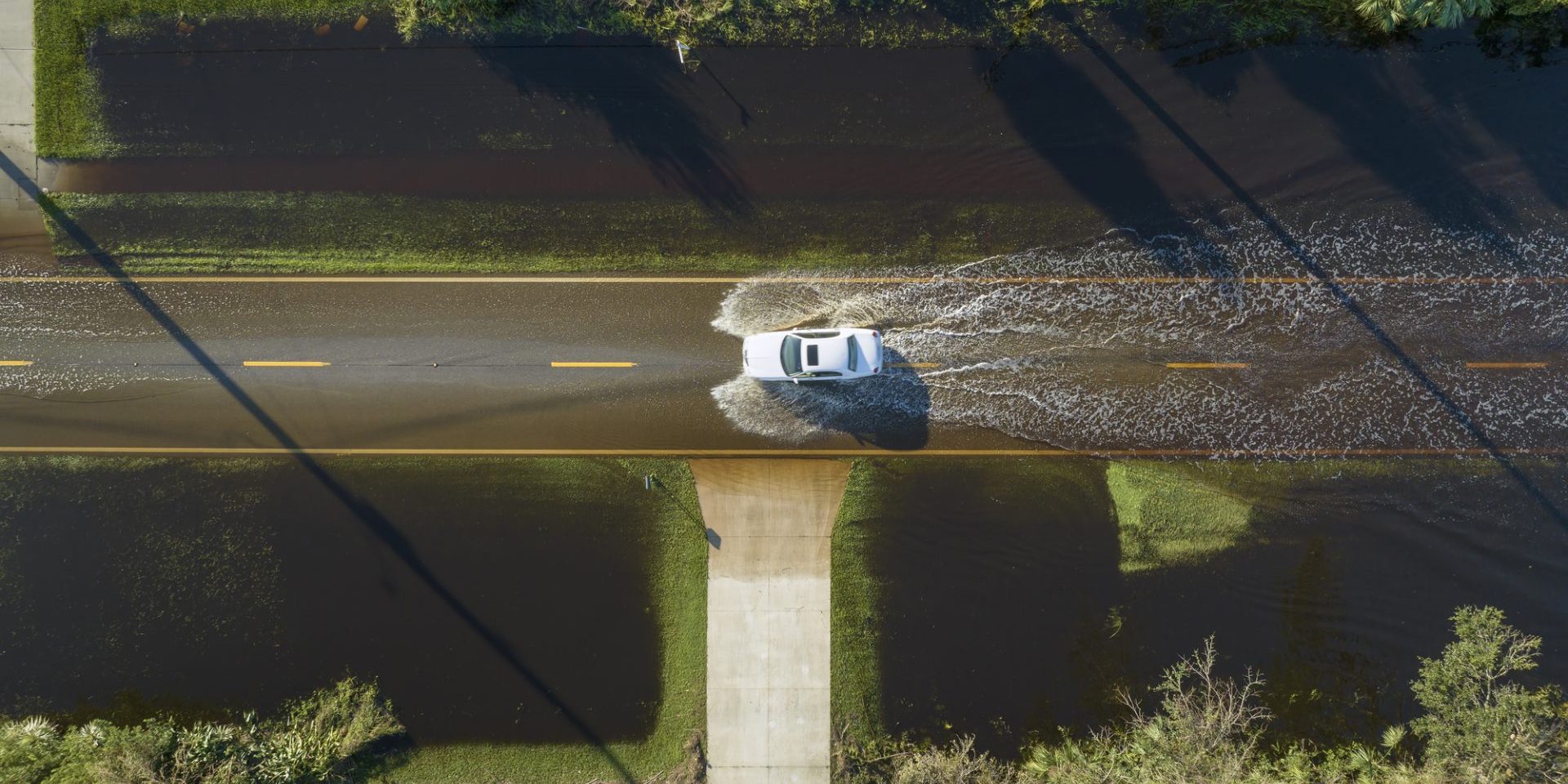
Heavy rain and flash flooding tore through Connecticut, Massachusetts, New Jersey, New York and Rhode Island in late July and early August, and AAA Northeast says the storm damage will not stay confined to basements and backyards. Flooded vehicles are already working their way into the used car market, and buyers outside the Northeast are just as likely to end up with one.
How a Flooded Car Ends Up on a Dealer’s Lot
When floodwater rises high enough to reach a car’s engine bay, wiring harness or interior, an insurance company will often declare the vehicle a total loss and issue a salvage title. Under a clean process, that car goes to an auto recycler for parts or scrap and never returns to the road. In practice, a portion of these vehicles get pulled from auction, dried out, cleaned up and resold, sometimes with a rebuilt title and sometimes with the flood history quietly scrubbed through a process known as title washing, where a car is re-registered in a state with looser disclosure rules until its salvage history no longer shows up in a routine check.
CARFAX data shows the scale of the problem. More than 480,000 flood-damaged vehicles were back in operation nationwide in 2025, a 6 percent jump from 2024. That number climbs every year a major storm season hits the coasts, and the Northeast’s late-summer flooding adds a fresh batch of damaged vehicles right as buyers head into the fall used car season.
What Floodwater Actually Does to a Car
Water damage rarely announces itself the way a dented fender does. Floodwater can reach the engine, transmission, brake lines, airbag control modules and the electrical wiring that runs through the floor and dashboard. Corrosion sets in over weeks and months, not hours, which means a car can pass a quick test drive and still fail in ways that only show up after a buyer has already signed the paperwork. Mold and mildew trapped in the carpet, seat foam and HVAC system can also create a health hazard for anyone who spends time in the cabin, especially people with asthma or other respiratory conditions.
AAA Northeast recommends a short physical inspection before anyone hands over money for a used vehicle. Start by checking for a damp or musty smell inside the cabin, then pull back a section of carpet to look for mud, rust or water stains, especially in vehicles where the carpet looks freshly replaced or shampooed. Open the trunk, hood and doors and inspect the door frames, hinges and the underside of the vehicle for corrosion. Check for brittle wiring under the dashboard, and look for fog or moisture trapped inside the headlights, taillights or instrument cluster. A malfunctioning window motor, air conditioner or warning light does not confirm flood damage on its own, but combined with any of the other signs above, it is a reason to walk away or bring in a mechanic.
Why a Vehicle History Report Is Not Enough on Its Own
A CARFAX or similar vehicle history report can flag a salvage or flood title, and every buyer should pull one before purchasing a used car. The report has limits, though. Title washing depends on gaps between how individual states track and share salvage records, and a car that changes hands two or three times across state lines can lose its flood history along the way while the actual damage stays exactly the same. That is why AAA Northeast pairs its report advice with a physical inspection recommendation: a report tells a buyer what has been recorded, while a mechanic’s inspection tells them what is actually wrong with the car in front of them.
AAA Northeast also flags price as a warning sign. Used car prices remain elevated nationally, so a vehicle priced well below similar listings in the same area deserves extra scrutiny rather than excitement. Buyers should favor a reputable, established dealership over a private sale advertised as a quick, no-questions deal, and should budget for a pre-purchase inspection at a AAA Approved Auto Repair Facility or an independent mechanic before finalizing any used car purchase.
A Seasonal Risk That Extends Beyond the Northeast
The Northeast’s flash floods are a preview of a bigger seasonal pattern. Hurricane season runs through November, and past storms including Ian, Harvey and Sandy each pushed tens of thousands of flood-damaged vehicles into the used market over the following year, often showing up thousands of miles from where the storm actually hit. A car titled in a coastal Gulf state can be trucked north and sold in a completely different region within weeks, which means a shopper in Ohio or Pennsylvania faces the same flood-title risk as someone shopping closer to a recent storm.
The National Insurance Crime Bureau and state attorneys general offices, including Texas, have issued their own recurring warnings about flood-damaged vehicles reentering the market after major storms, echoing much of what AAA Northeast is telling shoppers now. The advice across every one of these sources lines up: check the vehicle history, physically inspect the car, and pay for an independent mechanic’s look before signing anything.
What to Do Before You Buy
Anyone shopping for a used vehicle this fall should treat a handful of steps as non-negotiable. Pull a vehicle history report and look specifically for a salvage or flood designation. Physically inspect the carpet, trunk, door frames and wiring for the signs listed above. Test every electrical component, from power windows to the infotainment screen, and note anything that behaves oddly, no matter how small it seems. Have a trusted independent mechanic or a AAA Approved Auto Repair Facility inspect the vehicle before any money changes hands. And treat a price that looks too good against comparable local listings as a reason to slow down, not speed up.
None of these steps takes more than an afternoon, and together they catch the overwhelming majority of flood-damaged vehicles before a buyer drives one home. Skipping them can mean months or years of unexplained electrical failures, rust and repair bills on a car that looked perfectly clean in the driveway.
A Second Free Tool Worth Using
Alongside a paid CARFAX or AutoCheck report, buyers can run a free check through the National Insurance Crime Bureau’s VINCheck tool at nicb.org. The service, built after Hurricane Katrina flooded several hundred thousand vehicles in 2005, searches records submitted by participating insurers for total-loss, salvage and unrecovered-theft history tied to a specific VIN. NICB allows up to five free searches per household in a 24-hour period, and the tool now includes photo search results in some cases, giving buyers a visual reference alongside the title data. NICB is upfront that VINCheck is not a substitute for a full paid history report or a mechanic’s inspection, but running it costs nothing and takes less time than filling out a test-drive form at a dealership.
How Storm-Damaged Cars Travel Across State Lines
A car flooded in Connecticut this summer will not necessarily stay in Connecticut. Salvage vehicles regularly move through regional auctions and get trucked to buyers, small dealers or rebuilders in other states, sometimes far from where the flooding happened. That pattern repeated after Hurricane Harvey hit Texas in 2017 and after Hurricane Ian hit Florida in 2022, when flood-titled vehicles from both storms turned up for sale in states with no direct storm exposure of their own within a year of each event. A shopper in Ohio, Indiana or anywhere else inland faces the same exposure to Northeast flood cars this fall that a shopper in Hartford or Providence does, these vehicles do not stay confined to the region where the water rose.
Sources:

Leave a Comment
More in News

How DVSA Data Reveals Which Driving Test Centres Give You the Best Odds
Every UK Driver Faces Two More Fuel Duty Rises Worth 4p by March 2027
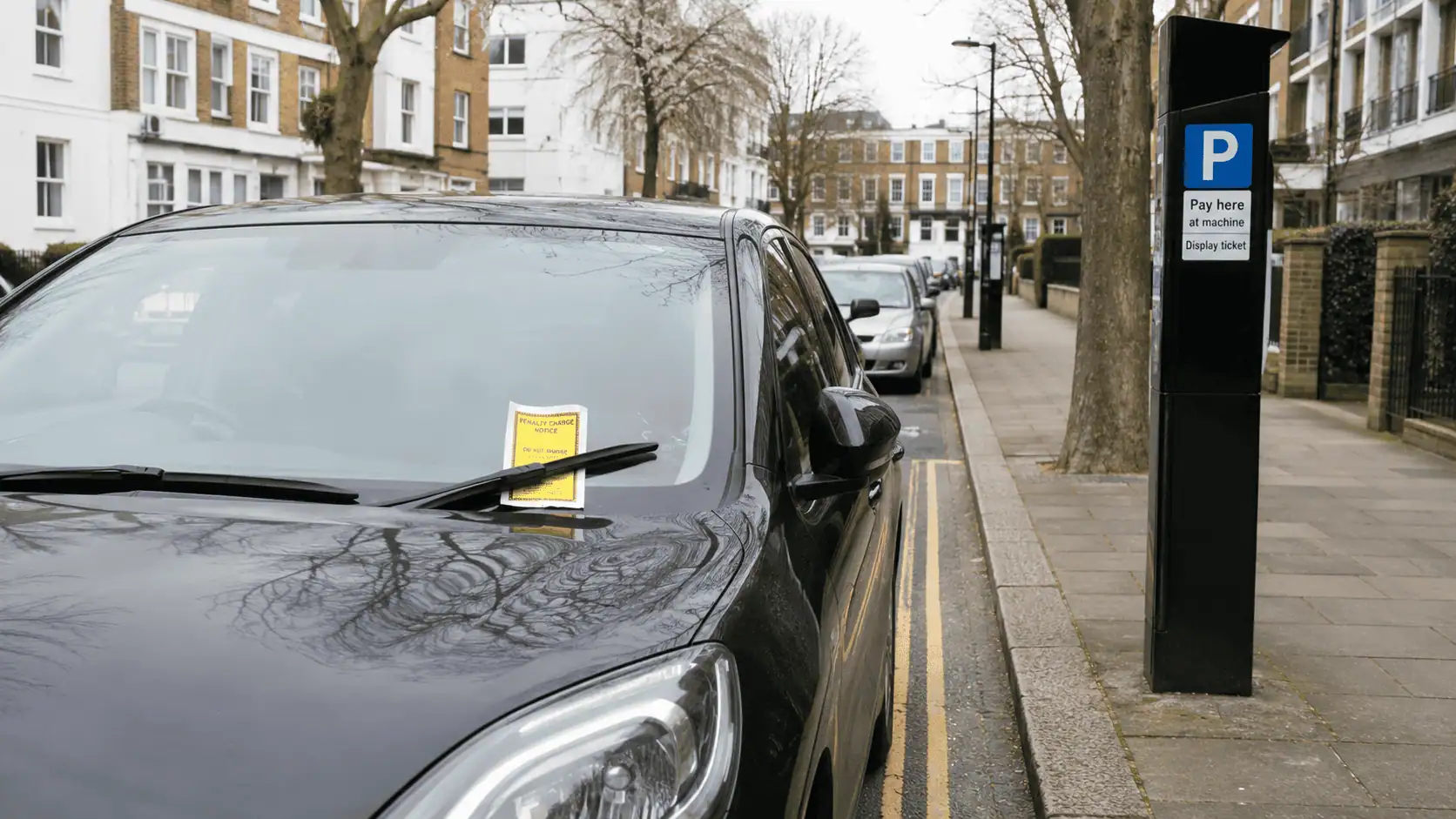
Newcastle Drivers Paid £3.7 Million in Parking Enforcement as Council Income Jumps 23 Percent

Coventry Drivers Paid £5.4 Million in Parking Charges as Council Surplus Jumps 80 Percent
What Your Rights Actually Are When a Garage Overcharges or Botches a Repair
Trending on Motoring Chronicle

Parents Now Start Thinking About Their Child’s Career at Five, Not Fifteen

The control center of performance: The interior of the new Mercedes-AMG GT 4-Door Coupe

2.7 Million Drivers Risk a £1,000 Fine Over One Overlooked Licence Detail
Renault Has Put A Folding Canvas Roof On The Electric Renault 4
