Why a Minor Car Park Scrape Could Write Off Your Electric Car and Leave You Facing a £25,000 Loss
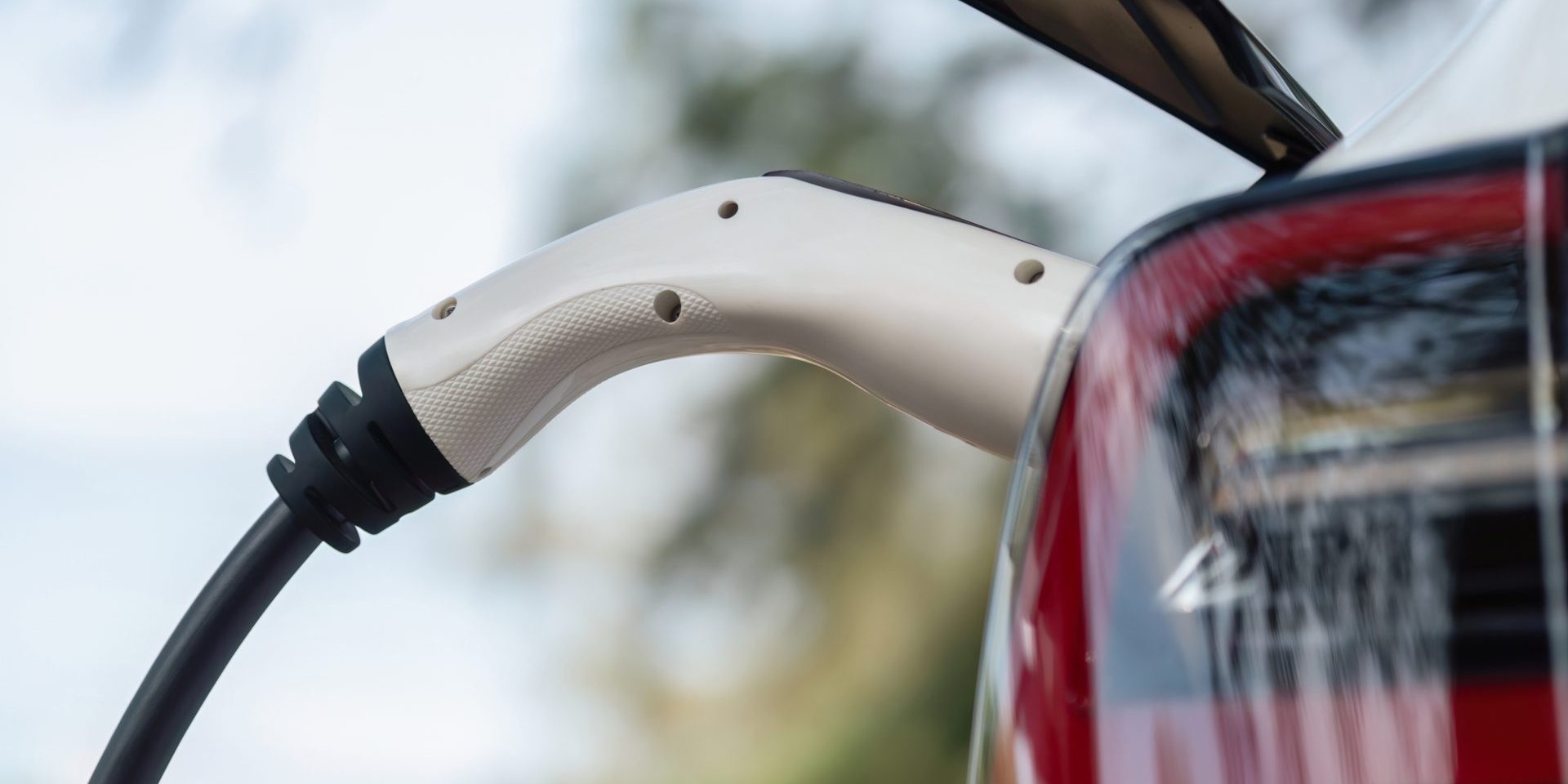

A low-speed car park bump that scrapes the underside of your electric car could result in the vehicle being declared a total write-off and you receiving a settlement worth thousands of pounds less than you paid for it. This is not an edge case or a worst-case scenario. It is happening to EV owners across the UK right now, and it is a direct consequence of how modern electric vehicle batteries are constructed, how manufacturers have structured their repair authorisation policies, and how motor insurers are responding to a repair cost problem they have not found a workable solution to. Understanding the mechanics of this issue is not just useful information for EV owners: it will become relevant to virtually every new car buyer in the UK, given that electric vehicles now represent a growing share of new car sales under ZEV mandate requirements.
The core problem is this. In most modern electric cars, the battery pack is not a separate, easily replaceable module sitting beneath the floor. It is a structural component of the vehicle’s chassis. In models like the Volkswagen ID.3 and ID.4, the Tesla Model 3 and Model Y, the Hyundai Ioniq 5 and Ioniq 6, the BMW iX, and scores of others, the battery enclosure forms part of the vehicle’s crash structure. Damage to the outer casing of the battery, even if the cells inside remain entirely intact and functional, is classified as structural damage. And structural damage in these vehicles almost always leads to the insurer declaring the car a write-off.
Why EV Batteries Cannot Be Repaired the Way Conventional Components Can
The inability to repair rather than replace EV batteries is not a technical impossibility. It is a policy choice made by most manufacturers, and it is a choice that currently creates enormous costs. Most vehicle manufacturers do not authorise third-party garages, independent repairers, or even their own main dealers to open high-voltage battery packs and carry out cell-level or module-level repair work. The reasons they give centre on safety and liability. High-voltage batteries operating at 400V or 800V require specialist equipment, controlled environments, and trained technicians. A poorly repaired battery carries risks that a poorly repaired exhaust system does not.
However, the practical consequence of this policy is that when even a small section of a battery pack is damaged, the official procedure is to replace the entire battery assembly as a single unit. Battery packs for typical family-sized EVs cost between £15,000 and £25,000 to purchase and install, including labour. For a car with a used market value of £20,000, a battery replacement cost of £18,000 immediately triggers a write-off calculation. The repair cost exceeds the post-repair market value of the car, and under standard insurance accounting, the car is therefore a constructive total loss. The battery accounts for up to 55 per cent of the value of a new electric car, according to data from Cox Automotive, which has tracked this issue closely through its remarketing operations.
The situation is made worse by a structural mismatch between the depreciation rate of EV batteries and the depreciation rate of the rest of the car. A two-year-old electric car may have lost 30 to 40 per cent of its new list price on the used market, which is a normal and expected level of depreciation. But the cost of replacing the battery has not depreciated at the same rate, because the parts and labour costs are tied to manufacturing costs that remain high. A car that cost £40,000 new and is now worth £26,000 on the used market may still face a battery replacement bill of £20,000 or more, pushing it into write-off territory from a relatively modest impact.
The Real Cost Numbers and What They Mean for Settlements
Research carried out by Fleet News and Cox Automotive in 2026 has found that the EV write-off rate from relatively minor damage is significantly higher than for equivalent petrol and diesel vehicles. For a petrol car that sustains a kerb strike or a low-speed impact to the underside, the typical repair involves checking and potentially replacing a suspension component or exhaust section at a cost of a few hundred to a couple of thousand pounds. For an EV with a structurally integrated battery pack, the same impact that causes no visible damage to the bodywork can create enough concern about the battery casing’s integrity to trigger a precautionary replacement.
Fleet News found that the write-off risk from EV battery damage represents an estimated £461 million annual risk to UK fleet operators alone, based on the current fleet EV population and average accident rates. For private owners, the financial impact is less quantifiable but equally real. When an insurer writes off a vehicle, the settlement is based on the car’s pre-accident market value, which is typically determined by reference to industry guides such as Glass’s or CAP. But if the market value of your car has been suppressed by buyer uncertainty about EV batteries, as has been the case in 2025 and 2026, your settlement may be lower than you expect.
The Autocar investigation into this issue, published in May 2026, found that insurers are becoming increasingly aware of the problem and that some are beginning to factor higher write-off probability into their EV premium calculations. ERS, a specialist insurer, expects claims inflation of eight to ten per cent in 2026, partly driven by EV-related costs. The cost of a single EV battery replacement claim can represent the equivalent of ten or more annual premiums for an average driver, fundamentally altering the risk profile for insurers and, ultimately, driving up premiums for every EV owner.
What This Means for Your Insurance Premium and What to Do
If you own an electric car, there are several steps worth taking now. First, make sure you fully understand what your insurer’s settlement approach is in the event of a write-off. Some policies now include new-for-old replacement guarantees for the first two years, which protect you against the gap between what the insurer values your car at and what a replacement would cost. Others do not, and if you are financing your car on PCP or hire purchase, the gap between the insurer’s settlement and the outstanding finance may be significant. Gap insurance, which covers this difference, is available from approximately £100 to £200 per year and can be purchased from specialist providers independently of your main insurer.
Second, if your car is involved in any incident that involves contact with the underside, kerb, or suspension points, insist that the repairer carries out a specific battery health check before any cosmetic repairs are completed. Some bodyshops, particularly those not yet equipped for EV high-voltage work, may repair visible damage without checking whether the battery casing has been compromised. If a battery issue is subsequently discovered after the cosmetic repair is signed off, the claim process becomes significantly more complicated.
Third, if your insurer proposes to write off your vehicle following an EV battery-related claim, you have the right to challenge their valuation. The Financial Ombudsman Service handles disputes about motor insurance write-off settlements and has consistently found in favour of policyholders where the insurer has used suppressed market values that do not reflect the true cost of sourcing a comparable replacement vehicle. Document the market prices for equivalent cars carefully before accepting any settlement offer.
Is There Any Solution on the Horizon
There are early signs that the industry is beginning to address the battery repair gap. Cox Automotive and DHL Supply Chain opened a 35,000 square foot EV battery repair and remanufacturing facility in Rugby in late 2025, one of the first purpose-built operations in the UK specifically designed to inspect, test, and in some cases repair or remanufacture high-voltage battery packs from written-off vehicles rather than simply crushing them. UK research published in March 2026, led by WMG at the University of Warwick, recommended a set of safe, simplified standards for EV battery handling and repair that could open the door to broader third-party repair authorisation if manufacturers adopt them.
Several manufacturers are also exploring modular battery designs for future models that would allow damaged sections to be replaced rather than the whole pack. BYD’s blade battery architecture and CATL’s Cell-to-Pack designs both offer some scope for module-level intervention that the current generation of structurally integrated batteries does not. However, these designs are primarily appearing in new models coming to market from 2026 and 2027 onwards. The existing UK fleet of EVs, which includes a large number of models built between 2020 and 2025, will continue to face the full-pack-replacement problem for the foreseeable future.
In the meantime, the most practical advice for EV owners is straightforward: be more careful about where and how you park, particularly in underground car parks with tight spaces and high kerbs; understand your insurance policy’s write-off and settlement terms before you need them; and if you are in the market for a used EV, check whether any battery damage warnings appear on the vehicle’s service history and whether the car has ever been subject to a recall that is still outstanding.
Sources:

Leave a Comment
More in News

Only 13 Percent of Stolen Cars Are Ever Recovered by Police, DVLA Data Reveals
Every Driver Risks a £1,000 Fine When Councils Fail to Cut Back Hedges
Teenage Drivers in London Now Pay £2,928 for Car Insurance, Quotezone Reveals

What Your Tyre Pressure Warning Light Actually Means (and How to Reset It)
How to Fix a Windscreen Chip Before It Fails Your MOT
Trending on Motoring Chronicle

Disabled Drivers Now Pay Up to £400 More to Join the Motability Scheme

Why Chinese Electric Cars Save Buyers £7,500 but Could Cost Them Thousands at Resale

Why Dozens of Waymo Robotaxis Got Stuck and Towed in San Francisco’s July 4th Gridlock

Automobili Lamborghini and Italian State Police: 20 years of collaboration in service to the nation [Photo Gallery]