
Why Public EV Charging Is Now Cheaper Per Mile Than Petrol for the First Time
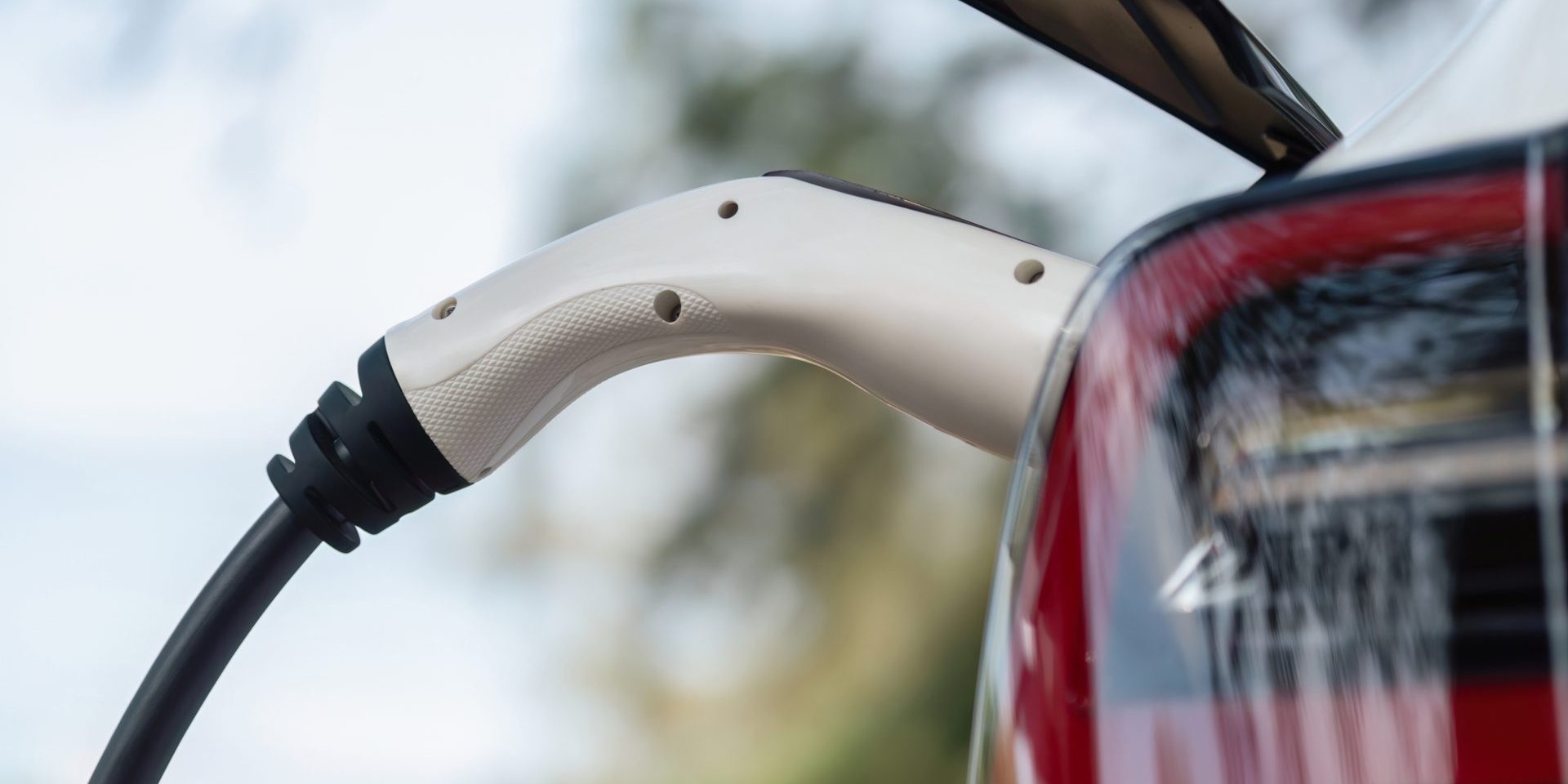

For the first time in more than a year, it now costs less per mile to charge an electric car on a public standard charger than to fill up a petrol car at the forecourt. The shift has been driven not by falling electricity costs but by rising pump prices, which have surged in response to global oil supply disruption. A driver relying entirely on standard public chargers now pays around 15 pence per mile, compared with approximately 17 pence per mile for a typical petrol car and 17.5 pence per mile for diesel. That gap is modest, but the direction of travel marks a meaningful change in the economics of electric vehicle ownership for the millions of drivers who do not have access to home charging.
Why Petrol Has Become More Expensive
Petrol prices in the UK have risen sharply since the start of 2026. Unleaded fuel is currently averaging around 157 to 158 pence per litre at UK forecourts, while diesel sits close to 186 to 189 pence per litre. Those are levels not seen since January 2023, and they reflect the disruption to global oil markets caused by military conflict in the Middle East that began in February 2026.
The Strait of Hormuz, a narrow waterway through which roughly 20% of the world global oil supply passes, has seen sharply reduced traffic as a direct consequence of the conflict. That supply squeeze pushed crude oil prices above 100 dollars per barrel, which flows through into wholesale fuel costs and, with a short lag, into pump prices at UK forecourts. A brief ceasefire in early April temporarily eased wholesale costs, but with shipping through the Strait still disrupted and negotiations at an impasse, pump prices have not fallen meaningfully in response.
The fuel duty situation adds further pressure. The 5 pence per litre fuel duty cut that has been in place since 2022 expires at the end of August 2026, after which duty is scheduled to rise in phases back towards the pre-cut level. That means pump prices could climb further in the autumn regardless of what happens to wholesale oil costs.
For drivers of petrol and diesel vehicles, the current situation is a combination of elevated global prices and the pending expiry of the duty cut, with no clear relief on the horizon in the near term.
What Public EV Charging Actually Costs Per Mile
The comparison between EV and petrol costs per mile depends heavily on which type of charger is used. Standard public chargers, which typically operate at 7 to 22 kilowatts, are currently averaging around 54 pence per kilowatt hour at public locations across the UK. An average electric car uses roughly 28 kilowatt hours per 100 miles, making the cost on a standard charger approximately 15 pence per mile.
Rapid chargers, which operate at 50 kilowatts or above and significantly reduce charging time, cost more. Typical rapid charger tariffs are running at 75 to 85 pence per kilowatt hour, which translates to around 21 to 24 pence per mile. At those rates, rapid public charging remains more expensive than petrol at current prices.
Ultra-rapid charging, at 150 kilowatts and above, commands the highest tariffs and costs roughly 24 to 27 pence per mile on current pricing. This is the charging type most commonly used on motorway routes where drivers need a fast top-up during a long journey.
A driver who uses an 80-20 mix of standard and rapid public charging will pay around 16 pence per mile on average, which is still below the petrol cost of 17 pence. For purely standard public charging, the saving over petrol amounts to around £124 per year based on the UK average annual mileage of 7,100 miles. That is not a transformative saving, but it is meaningful, and it is the first time this calculation has come out in favour of electric vehicles for public-charger-dependent drivers since before 2025.
Home Charging Remains by Far the Cheapest Option
The comparison between public EV charging and petrol, while now modestly in the EV favour, is not where the most compelling savings are found. Home charging remains significantly cheaper than any public option and substantially cheaper than petrol.
Drivers who charge at home on a standard tariff, currently averaging around 24 to 28 pence per kilowatt hour, pay roughly 7 to 8 pence per mile. At that rate, an EV costs about 9 pence per mile less to run than a petrol car, translating to annual savings of around £640 at average mileage. Drivers on a dedicated EV overnight tariff, which some suppliers offer at 8 pence per kilowatt hour or below during off-peak hours, can cut the cost to around 2 to 3 pence per mile, saving over £1,000 per year compared to petrol.
The economic case for switching to an electric vehicle has always been strongest for drivers who can charge at home overnight. What has changed in May 2026 is that the case has now extended, for the first time in over a year, to drivers who rely primarily on public charging networks. That is a significant shift in the accessibility of EV cost savings.
Around 40% of UK households do not have access to a driveway or private parking, which makes home charging either impossible or impractical. For those drivers, the cost comparison has historically pointed against EVs at current public tariff rates. The current position, where standard public charging is cheaper per mile than petrol, changes that calculation for drivers in this group.
Which Vehicles Benefit Most
The per-mile cost advantage of EV public charging over petrol is most pronounced for larger, more efficient electric vehicles with substantial battery capacity. A car with a 77 kilowatt hour usable battery and a real-world range of around 240 miles uses approximately 32 kilowatt hours per 100 miles. On a 54 pence per kilowatt hour standard charger, that works out to around 17 pence per mile, which matches petrol rather than beating it. A smaller, more efficient EV with a consumption of 24 kilowatt hours per 100 miles delivers a clearer advantage at around 13 pence per mile.
Real-world energy consumption varies considerably by speed, driving style, load, and weather conditions. Cold weather reduces battery range and increases energy consumption. Motorway driving at higher speeds draws more power per mile than urban stop-start driving, which is the reverse of the pattern for petrol engines. Drivers of EVs who are calculating their actual per-mile cost need to use their own consumption data rather than manufacturer figures.
The ZEV mandate requires 33% of new cars sold in the UK in 2026 to be zero-emission, which is pushing more EV models and more competitive pricing into the market. That competitive pressure has also contributed to higher energy on public networks, as operators invest in infrastructure to match demand. The combination of more vehicles and better infrastructure is gradually improving the accessibility of the cost advantage that home chargers have offered for some years.
What to Look for When Using Public Chargers
The cost difference between standard and rapid public charging makes it worth planning charger type as well as charger location. For journeys where time is less of a constraint, standard chargers at retail parks, leisure venues and car parks offer the best value. Many of these sites charge by the hour or offer a fixed session rate that can represent excellent value for a top-up while shopping or eating.
Rapid and ultra-rapid chargers are best used when time genuinely matters. On motorway services, where the alternative is a significant detour, the premium is justified. On a routine errand where a one-hour wait at a standard charger is entirely feasible, paying three times as much per kilowatt hour for a rapid charger is simply unnecessary cost.
Comparing prices before plugging in is now easier than it has been. The Competition and Markets Authority has been pressing fuel price transparency requirements, and several of the major charging networks publish live tariff information through apps and websites. Zap-Map, the Automobile Association charger finder, and individual network apps all allow you to compare costs per kilowatt hour before you commit to a session.
For drivers who are considering the switch to an electric vehicle and are concerned about the cost of public charging, the current pricing environment offers a more favourable picture than has been the case for the past 18 months. The economics at the standard public charging level now point modestly but genuinely in favour of electric, and for those with home charging access, the advantage is substantial.
Sources:

Leave a Comment
More in News

Autotrader Shows Used Petrol Cars Cost £14,625 as 17 Months of Price Rises End

Catalytic Converter Thefts Are Rising Again and Could Cost Every Van Owner over £1,000

Every Electric Car Now Costs £46 More to Insure than Petrol, MoneySuperMarket Finds

Leicestershire Council Took £900,127 in Parking Penalties as Notices Issued Rise 9.3 Percent

How the DVLA’s Digital Driving Licence Will Work for Every UK Driver in 2026
Trending on Motoring Chronicle

Drivers With Modified Exhausts Risk £1,000 Fines Under New Government Crackdown
Why Your Car Pulls to One Side (and What a Wheel Alignment Costs)

Rolls-Royce presents Black Badge Cullinan Daisy: inspired by one client’s remarkable path [Photo Gallery]

What the Two Hour Parking Limit at Motorway Services Could Cost You This Summer
