
The fuel-saving advice most drivers follow is outdated, wrong, or both
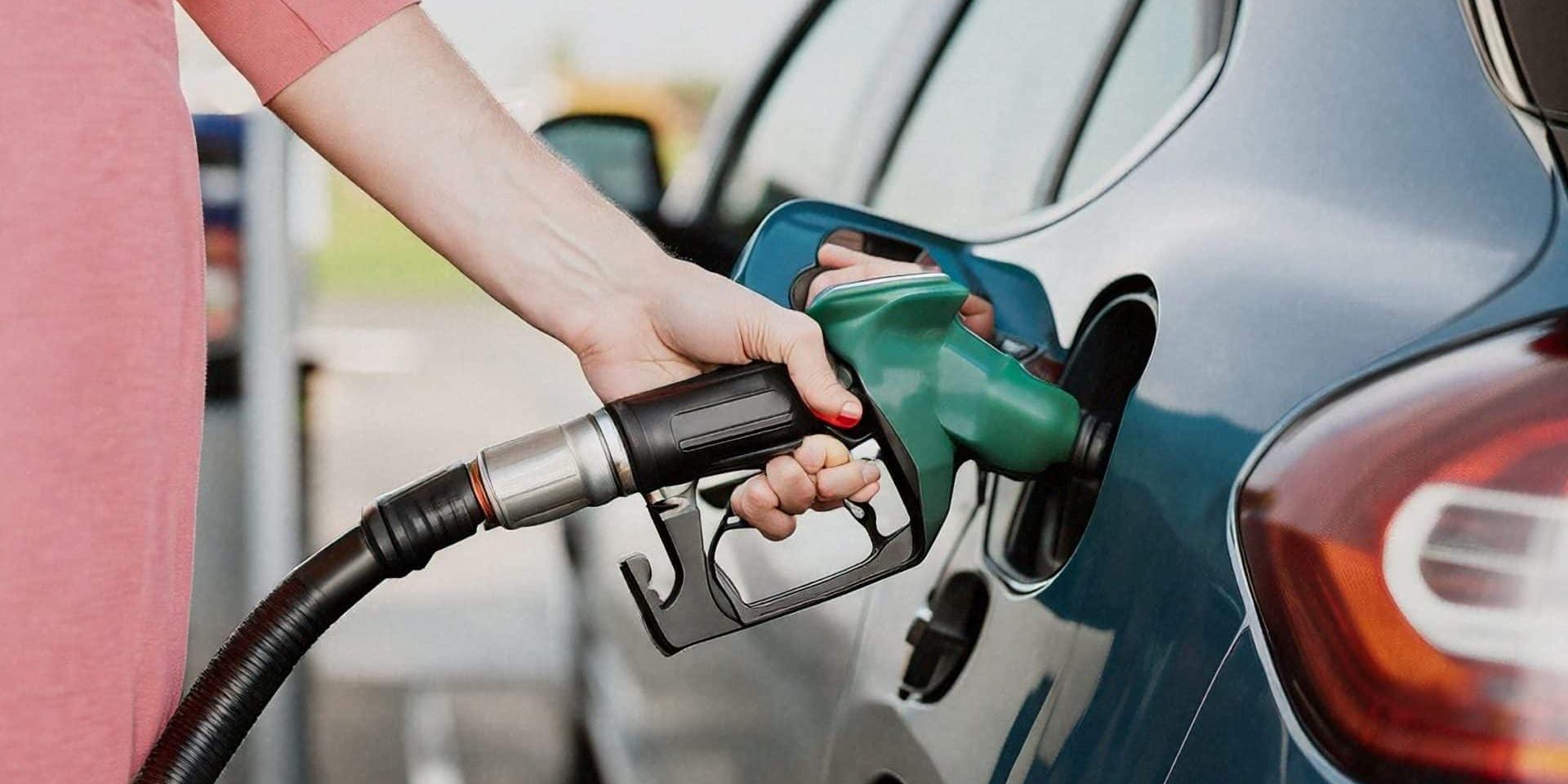
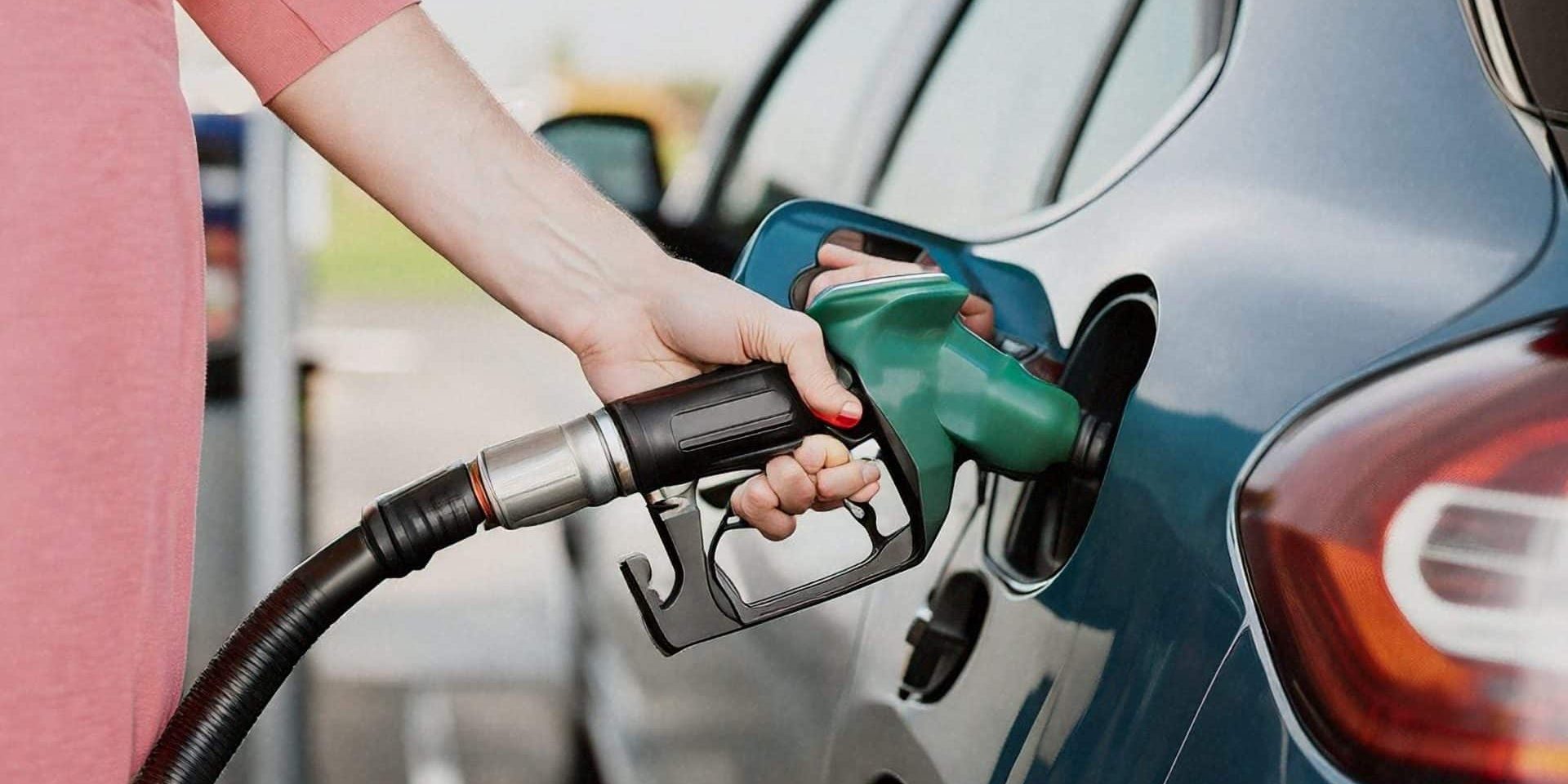
With fuel prices stubbornly refusing to come down, most drivers have picked up at least one or two habits they believe are saving them money at the pump. Coast downhill in neutral. Never touch the air conditioning. Let the engine warm up before you pull away. The problem is that most of these so-called tricks are based on how cars worked decades ago, and in a modern vehicle, they range from pointless to actively counterproductive.
Road safety and breakdown organisation GEM Motoring Assist has highlighted five of the most common fuel-saving myths still circulating among UK drivers, and the reality behind each one should make a few people reconsider what they think they know.
Coasting downhill in neutral does not save fuel
This is one of the most persistent myths in driving, and it is flat wrong in any car built in the last 20 years. Modern engine management systems automatically cut fuel delivery when the car is decelerating in gear. The engine is turning, but it is not burning anything. Drop it into neutral and the engine has to idle to keep running, which actually uses more fuel than staying in gear and lifting off the throttle.
Worse, coasting in neutral strips away engine braking, leaving you reliant entirely on the brake pedal to control your speed. On a long downhill stretch, that means more heat in the brakes, more wear, and less control. It is not a fuel-saving technique. It is a safety compromise that costs you more.
Avoiding the air conditioning is doing more harm than good
Turning the air conditioning off on a mild day is perfectly sensible. Refusing to run it at all because you think it guzzles fuel is not. Yes, air conditioning puts additional load on the engine, but the effect on fuel consumption in a modern car is modest. What is not modest is the cost of repairing a system that has been left dormant for months.
Air conditioning systems rely on seals and lubricants that need regular circulation to stay in good condition. Leave the system switched off for extended periods and those seals dry out, refrigerant leaks, and when you finally do switch it on during a heatwave, you are looking at a repair bill that dwarfs whatever you thought you were saving in fuel. Running it for ten minutes once a week, even in winter, keeps everything lubricated and functional.
Warming up the engine before driving is a waste of fuel and time
This one made sense when cars had carburettors and needed time to reach operating temperature before they could run properly. That was roughly 30 years ago. Modern fuel-injected engines are designed to be driven almost immediately after starting. They warm up faster and more efficiently under light load than they do sitting on your driveway burning fuel at idle.
Idling a cold engine does nothing except waste fuel, increase emissions, and put unnecessary wear on components that are not yet up to temperature. The best approach is to start the car, give it a few seconds, and drive gently for the first mile or two. The engine reaches its optimal operating temperature far quicker that way.
Over-inflating your tyres is dangerous, not economical
The logic sounds plausible on the surface. Harder tyres mean less rolling resistance, which means less fuel burned. But tyre pressures are set by the manufacturer for a reason. They are calculated to give the best balance of grip, wear, comfort and efficiency for the weight and handling characteristics of that specific vehicle.
Over-inflate beyond the recommended pressure and you reduce the amount of rubber in contact with the road. That means less grip in the wet, longer braking distances, and uneven wear across the centre of the tread. You might save a fraction of a penny per mile in fuel, but you will replace your tyres sooner and compromise your safety every time it rains. Always stick to the pressures listed on the placard inside the driver’s door frame or in the owner’s manual.
Half-filling the tank to save weight is not worth the effort
A full tank of fuel weighs roughly 40 to 50 kilograms more than a half-full one. In a car weighing 1,400kg or more, that difference has a negligible effect on fuel consumption. What it does guarantee is that you visit the filling station twice as often, spending more time, more hassle, and potentially more money if you end up filling up at a pricier forecourt because you are running low at the wrong moment.
If you want to reduce unnecessary weight, look in the boot. Golf clubs, pushchairs, boxes of tools, bags of shopping that never made it inside. Most drivers are carrying around far more dead weight in the back of the car than they would ever save by half-filling the tank.
What actually saves you fuel
The genuine savings come from how you drive, not from tricks or shortcuts. Smooth acceleration and gentle braking make the single biggest difference. Anticipating the road ahead, easing off the throttle early rather than braking late, and building speed gradually rather than flooring it away from every traffic light can reduce fuel consumption by up to 15%.
Speed is the other major factor. Driving at 80mph on the motorway rather than 70mph can increase fuel consumption by up to 25%, and Department for Transport figures put 70mph at up to 9 per cent more fuel than 60mph. That is not a small margin. On a long journey, the difference between arriving ten minutes later and burning significantly less fuel is one of the easiest savings any driver can make.
Beyond driving style, basic maintenance has a direct impact on efficiency. A clogged air filter forces the engine to work harder. Underinflated tyres increase rolling resistance. A missed service interval can leave the engine running below its optimal efficiency without the driver ever noticing. Keeping on top of these basics is not glamorous, but it works.
Removing roof boxes and bike racks when they are not in use also makes a measurable difference. At motorway speeds, aerodynamic drag increases significantly with anything bolted to the roof, even an empty roof box.
The same principles apply to electric vehicles
For EV and hybrid drivers, many of the same habits translate directly. Smooth, progressive driving extends range more effectively than any eco mode, though eco mode helps too by limiting power output on longer trips. Regenerative braking works best when speed changes are gradual, so anticipating traffic and slowing down early feeds more energy back into the battery than sudden stops.
Tyre pressures are just as important for EVs, and charging habits play a bigger role than most owners realise. Slower overnight charging is more efficient and gentler on the battery than frequent rapid charging. Avoiding full charge cycles every time, charging to 80% rather than 100% for daily use, helps preserve long-term battery health and range.
James Luckhurst, spokesperson for GEM Motoring Assist, said: “In the current climate of high energy costs, drivers are understandably keen to ensure they use their cars wisely and efficiently, but there are no magic solutions. The best gains come from planning ahead, driving smoothly and keeping your car properly maintained. It’s safer, cheaper and better for the environment.”
The fuel-saving advice that actually works is none of it new, and none of it exciting. Plan your journeys, drive smoothly, keep your tyres at the right pressure, and stay on top of servicing. The drivers saving the most money are not the ones chasing clever tricks. They are the ones doing the basics consistently, every single time they get behind the wheel.

Leave a Comment
More in News

DfT Floats Random Breath Tests and a Cut to the 80mg Drink Drive Limit

She Took A 90s BMW Through 18 Countries. Then A Commenter Told Her Never To Leave The Motorway In Slovakia

Do Starter Motors Fail Suddenly? Usually Not, and the Warning Gets Missed
What a Speed Awareness Course Actually Costs (and Who Gets Offered One)

What Makes a Number Plate Illegal in the UK (and the £1,000 Fine)
Trending on Motoring Chronicle

It Is Now Illegal for Your Instructor to Book Your Driving Test: What Changed on 12 May

Milton Keynes Council Collects £12.8 Million Parking Surplus From Drivers, 42 Percent Above 2023/24

Why More States Are Ending Hands-Free Grace Periods as Summer Fines Reach $450

2026 Lexus RZ Adds More Power and Performance [Photo Gallery]
