
Sheffield Switches On Bus Lane Cameras From 1 June With £70 Fines for Drivers

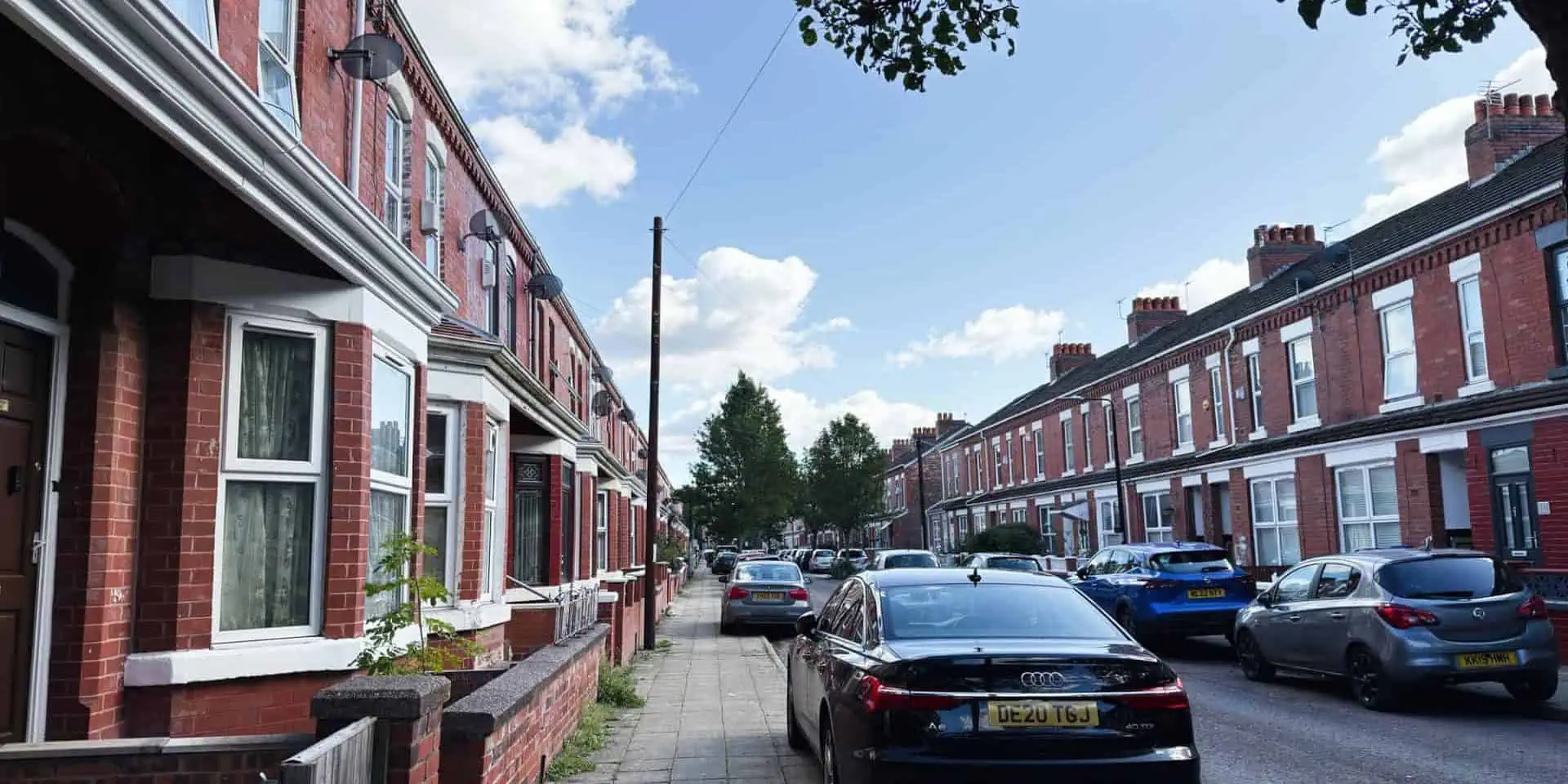
Drivers who use three of Sheffield’s busiest roads have a new reason to check the signs above the bus lanes. From Monday 1 June, Sheffield City Council switched on enforcement cameras on London Road, Abbeydale Road and Ecclesall Road, and any vehicle caught in a bus lane during its operating hours now risks a £70 Penalty Charge Notice. There is a short grace period built in, but it does not last long, and once it ends the tickets start landing automatically.
Here is exactly where the cameras are, how the penalty works, why the council says it is needed, and how to stay clear of a fine or fight one you think is unfair.
Where the new Sheffield cameras are
The cameras form part of the council’s Connecting Sheffield programme and have been fitted at six points across the three corridors. On Abbeydale Road there is a camera at the corner of Miller Road. On Ecclesall Road one sits near Hickmott Road. London Road carries four: outside The Potato Oven, at the corner of Keeton’s Hill, near Bennett Street and opposite Randall Place. The council has asked drivers to look out for signage along all three roads, which sets out when the bus lane restrictions apply.
The scheme is being delivered by Sheffield City Council and part-funded by the South Yorkshire Mayoral Combined Authority. The stated goal is to keep the bus lanes clear so that buses run faster and more reliably, which the council hopes will tempt more people onto public transport. For drivers, the practical effect is that three well-used routes through the city now have automatic enforcement where, until this week, a car straying into a bus lane might have gone unnoticed.
How the £70 penalty works and the warning month
Once the cameras are live, they automatically detect vehicles using or parking in a bus lane during the hours the restriction is in operation. The registered keeper of the offending vehicle is then sent a Penalty Charge Notice of £70, reduced to £35 if it is paid within 21 days. That is the standard rate for this kind of camera contravention outside London, and it is the same mechanism councils across England have used to collect tens of millions of pounds a year in bus lane penalties.
Sheffield has built in a cushion for the first month. During June, motorists caught by the new cameras receive warning notices only, rather than fines. That grace period also covers vehicles parked at bus stops within the lanes. It is worth being clear about the limits of this concession: it applies only to the new camera enforcement. Any Penalty Charge Notice issued by an on-street Civil Enforcement Officer during the same period still has to be paid or appealed in the usual way, so the warning month does not give blanket cover against every parking ticket on those roads.
The detail that trips most people up is timing. Bus lane restrictions are not always in force around the clock. Some operate only at peak times, others all day, and the hours are printed on the blue bus lane signs at the start of each stretch. A lane you can legally drive in at 11am may be off limits at 8am. With the cameras now running, the safest assumption on London Road, Abbeydale Road and Ecclesall Road is that the restriction is active unless the sign tells you otherwise. Councils elsewhere have banked more than £80 million a year from bus lane penalties, much of it from drivers who simply misread the hours.
Why Sheffield says it is doing this
The council’s case is built around bus reliability. When private cars drift into bus lanes, buses get stuck in the same queues as everyone else, journey times become unpredictable, and passengers lose confidence in the service. By keeping the lanes clear, the council argues, buses can keep to timetable, which in turn makes public transport a more appealing option and, over time, takes cars off the road. The three corridors chosen are among the most heavily used approaches to the city centre, so the impact on bus times there is significant.
Critics of camera enforcement across the country tend to make two points. The first is that bus lane cameras can feel like a revenue raiser, particularly where signage is unclear or a lane ends abruptly. The second is that genuine mistakes, such as pulling into a lane to let an emergency vehicle pass or to reach a side turning, can still attract a fine. Sheffield’s warning month is partly a response to that, giving drivers time to learn the new layout before money changes hands. Whether the cameras end up improving bus times or mainly generating penalties will become clearer once the first full month of live enforcement is behind the city.
How to avoid a ticket and how to challenge one
The simplest protection is to learn the three roads. Read the bus lane signs on London Road, Abbeydale Road and Ecclesall Road, note the hours of operation, and stay out of the marked lane during those times unless you are turning immediately into a side road where the markings allow it. If you regularly drive these corridors at peak times, it is worth planning an alternative route now while the warning notices are still going out, rather than waiting for the first £70 charge in July.
If you do receive a Penalty Charge Notice and believe it was issued in error, you do not have to simply pay it. You can make formal representations to Sheffield City Council setting out why the notice is wrong, supported by evidence such as a dashcam clip or photographs of the signage and road markings. If the council rejects your challenge, you can take the case to the Traffic Penalty Tribunal, the independent and free adjudication service that handles bus lane and parking appeals outside London. Keep any evidence from the day, including the time you passed and the reason you entered the lane, because timing and signage are usually what decide these cases.
If you are not contesting the notice, pay within 21 days to halve the cost to £35. It is also worth checking the council’s Have Your Say pages for the latest detail on the scheme, as the operating hours and any future camera locations are published there. Sheffield joins a long list of authorities now using cameras to police moving traffic and bus lanes, a trend that also covers yellow box junctions and banned turns, so learning how the appeals process works is useful well beyond these three roads.
Sources:

Leave a Comment
More in News

How to Free a Frozen Handbrake (and What a New Cable Costs)

What Winter Tyres Actually Do for UK Drivers (and Whether You Need Them)
Renewing Car Insurance on the Day Cover Ends Costs Drivers £331 More, MoneySupermarket Shows

Every Driver Faces £500 Seatbelt Fines as AI Cameras Flag 19,145 Possible Offences

How to Remove Moisture From Inside Your Headlight Before It Costs You £500
Trending on Motoring Chronicle
DVSA’s New Waiting Time Measure Shows 9.7 Weeks, Not the 21.8 Learners Were Told

Bonjour to Lamborghini Temerario: the new HPEV super sports car unveiled in France [Photo Gallery]

DENZA D9 Seven-Seat MPV Priced From £75,000 With Five-Minute Fast Charging
Seven Things Your Motability Insurance Does Not Cover That Could Cost You Hundreds
