
The Digital Driving Licence Is Coming This Summer. Here Is How It Works
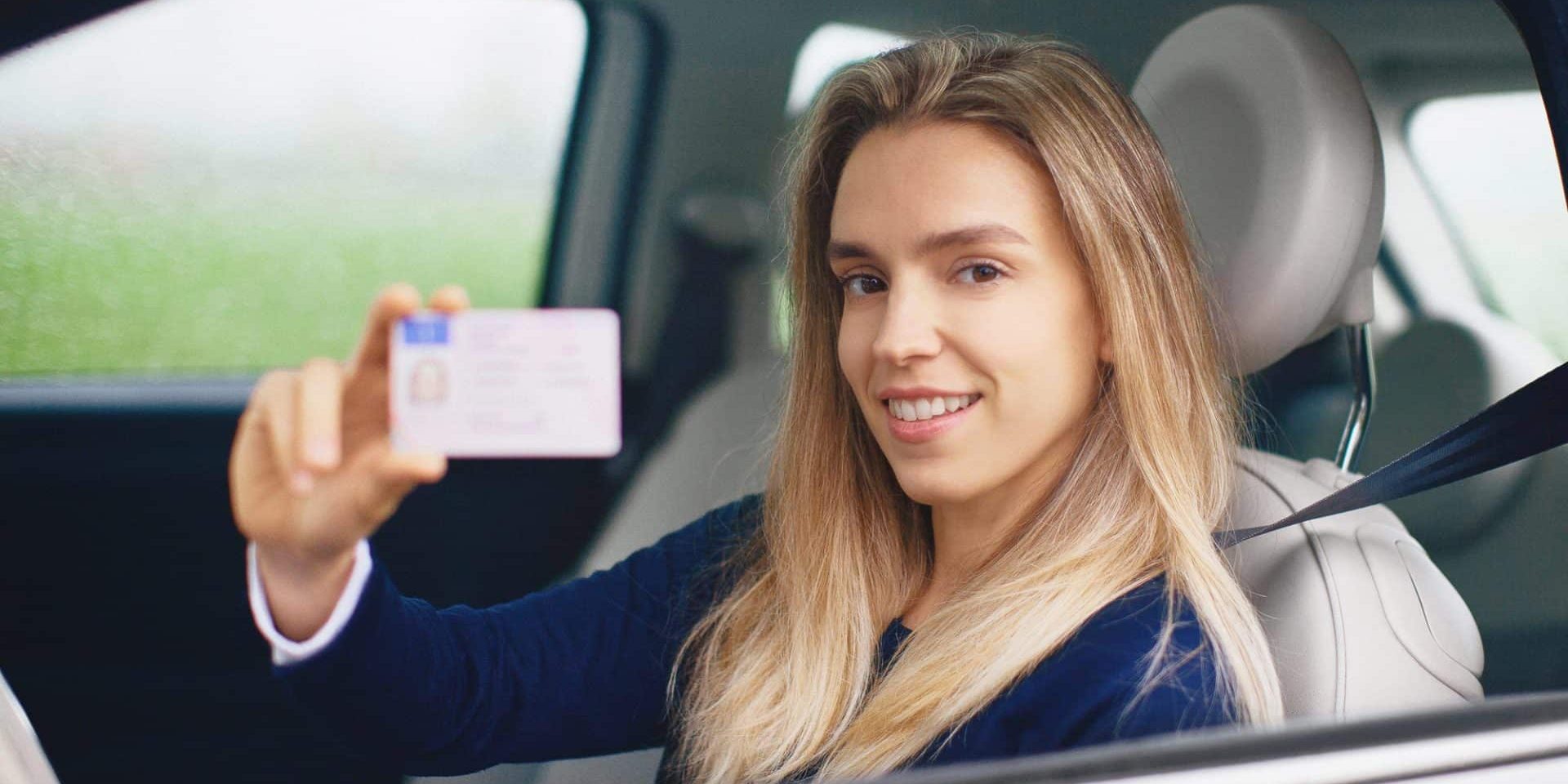

Your driving licence is about to become available on your phone. The government is preparing to roll out a digital version of the photocard licence through a new app called GOV.UK Wallet, with a full public launch expected this summer. But before anyone panics about being forced to use a smartphone to prove they can drive, the most important thing to know is this: the plastic card is not going anywhere. Physical photocard licences will remain valid and accepted until at least 2030.
The digital licence is an optional addition, not a replacement. For drivers who want it, it offers some genuine advantages over the plastic card sitting in their wallet. For those who do not, nothing changes.
What Is The GOV.UK Wallet?
The GOV.UK Wallet is the government’s first official digital credentials system. It is a feature within the GOV.UK One Login app, which already provides a single sign-on for accessing government services online. Once the full rollout is live, drivers will be able to download the app, verify their identity, and store a digital version of their driving licence on their smartphone.
The digital licence contains the same information as the physical card: your name, date of birth, address, photograph, licence categories and any restrictions. The difference is that it lives on your phone rather than in your wallet, and it can do things that a piece of plastic cannot.
The system has been in testing since December 2025, when a small group of Government Digital Service and DVLA staff began a private trial. In February 2026, the pilot expanded to include a wider public group. The full rollout, expected this summer, will open it to all drivers who want to use it.
What It Does That The Plastic Card Cannot
The most practical advantage is real-time updating. When you change your address through the DVLA’s online portal, your digital licence updates immediately. There is no waiting days or weeks for a new photocard to arrive in the post, no paying for a replacement, and no period where your licence shows the wrong details.
For anyone who has moved house and forgotten to update their licence, or been caught in the gap between requesting a new card and receiving it, that alone is a meaningful improvement.
The second advantage is verification. Banks, employers, hire car companies and other organisations that need to check your licence can do so instantly through the digital system. The app generates QR codes or uses NFC technology for in-person checks, and connects through secure APIs for online verification. That means renting a car at an airport counter or proving your identity for a new job no longer depends on whether you remembered to bring a physical card.
The third is security. If you lose your phone, the digital licence is protected by two-factor authentication and your phone’s biometrics. It cannot be used by someone who picks up your device. If you lose a plastic photocard, anyone who finds it has your name, address, date of birth and photograph in their hands.
The digital licence also works without an internet connection. It uses cryptographic signatures to prove authenticity offline, which means it functions during roadside checks in areas with no mobile signal.
Is It Mandatory?
No. The DVLA has confirmed that the digital licence is entirely optional. Physical photocard licences remain valid and legally accepted for all purposes until at least 2030. There is no requirement to download the app, no penalty for not using it, and no situation in which you will be disadvantaged for carrying the plastic card instead.
The government has stated that all services will be required to offer digital alternatives by the end of 2027, but that obligation is on the service providers, not on drivers. It means organisations must accept the digital licence if you choose to present it. It does not mean you must have one.
Should You Switch?
For drivers who are comfortable with smartphone apps and already use their phone for banking, travel tickets and contactless payments, the digital licence is a natural extension of what they already do. It removes one more card from the wallet and adds convenience around address changes and identity verification.
For drivers who are less confident with technology, there is no rush. The plastic card works exactly as it always has. It is accepted everywhere. It does not expire any sooner because a digital alternative exists. If you are happy carrying the photocard, carry the photocard.
The one scenario where the digital licence offers a clear advantage for all drivers, regardless of tech confidence, is the address change problem. Under the current system, failing to update your address on your licence is an offence that carries a fine of up to £1,000. Many drivers forget or put it off because ordering a new photocard feels like a chore. A system that updates instantly when you change your details online removes that risk entirely.
For drivers who rent cars regularly, the instant verification feature is also worth considering. The current process of sharing your licence details with a hire company often involves the DVLA’s check code system, which is clunky and time-limited. A digital licence that can be verified in seconds at the counter simplifies that process considerably.
How To Try It
When the full rollout launches this summer, the process will work as follows. Download the GOV.UK One Login app from the App Store or Google Play. Verify your identity through the app using the same process used for other government services. Once verified, your driving licence will appear in the GOV.UK Wallet section of the app, ready to use.
The app will be available on both Android and iOS. You will not need to surrender your physical licence or notify the DVLA that you are using the digital version. Both will exist simultaneously, and you can use whichever is more convenient in any given situation.
Until the full public rollout is confirmed, drivers do not need to do anything. The plastic photocard in your wallet remains perfectly valid. When the option becomes available, it will be there for anyone who wants it, and invisible to anyone who does not.
Sources:

Leave a Comment
More in News

How to Free a Frozen Handbrake (and What a New Cable Costs)

What Winter Tyres Actually Do for UK Drivers (and Whether You Need Them)
Renewing Car Insurance on the Day Cover Ends Costs Drivers £331 More, MoneySupermarket Shows

Every Driver Faces £500 Seatbelt Fines as AI Cameras Flag 19,145 Possible Offences

How to Remove Moisture From Inside Your Headlight Before It Costs You £500
Trending on Motoring Chronicle
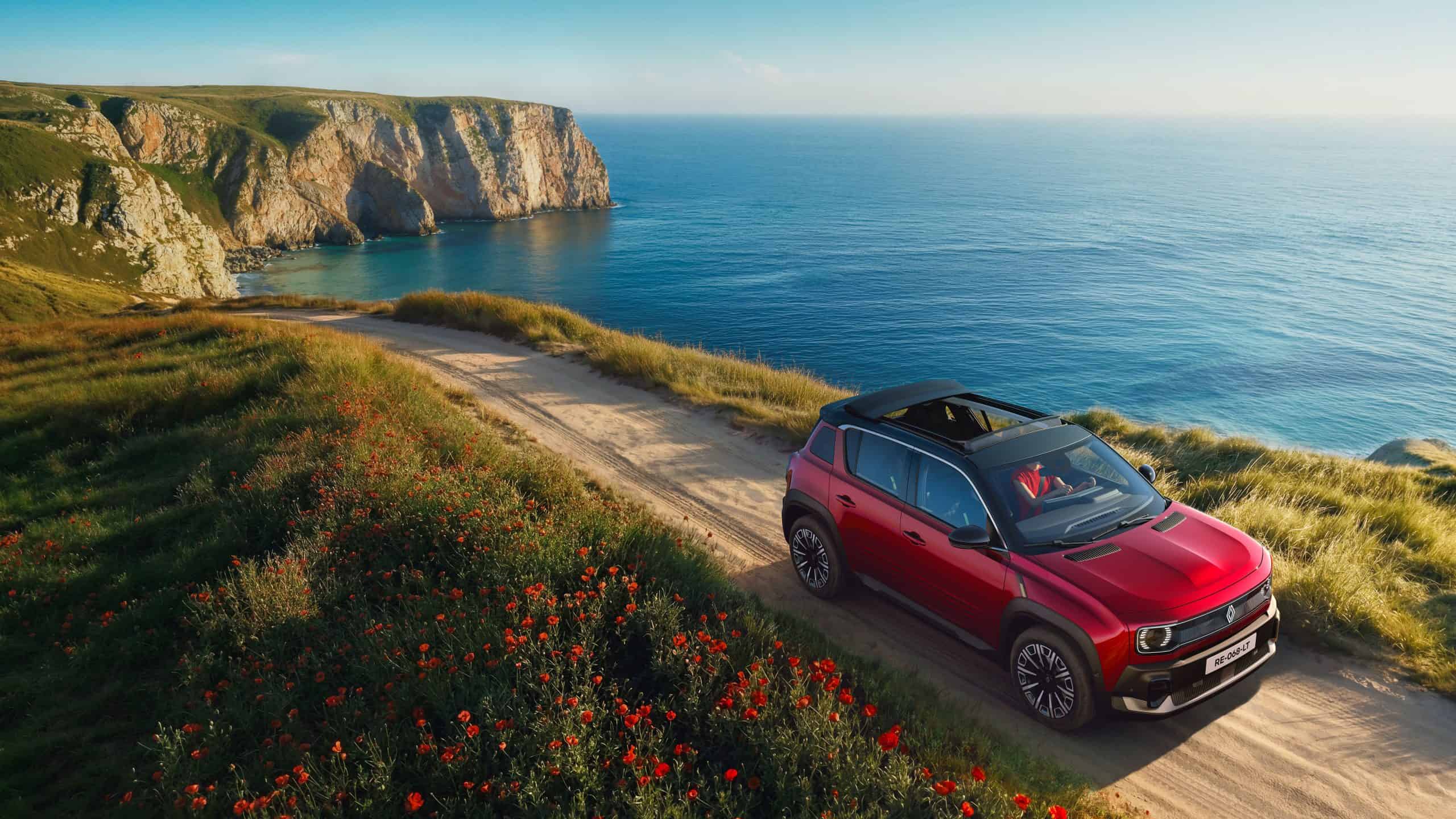
Renault Has Put A Folding Canvas Roof On The Electric Renault 4

INFINITI QX80 Reimagined: QX80 Track Spec and QX80 Terrain Spec showcase SUV’s potential [Photo Gallery]
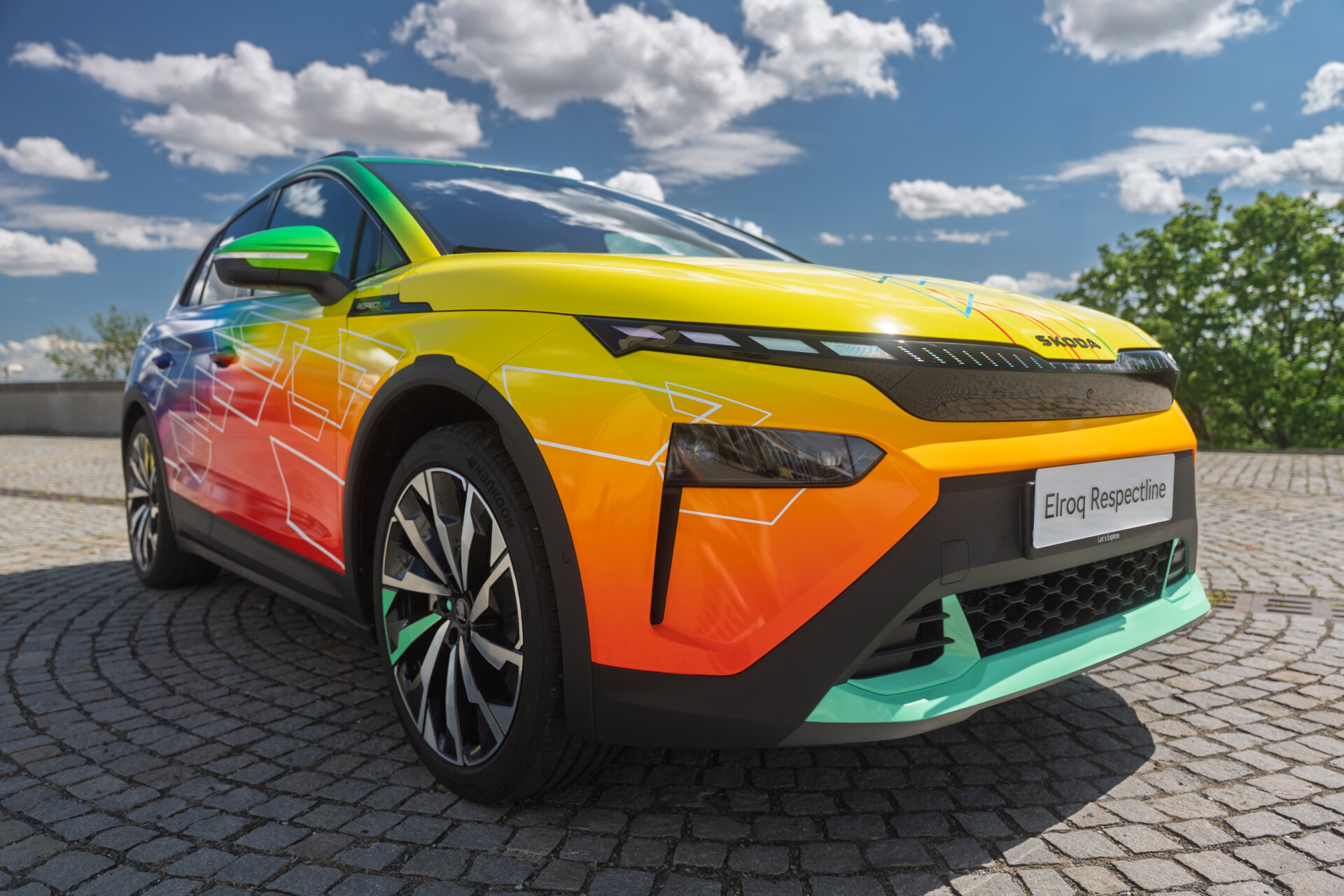
Škoda Auto presents the Elroq Respectline: A tribute to diversity and heritage [Photo Gallery]

New Mercedes-AMG GT 53 4-Door Coupe Arrives With 544bhp and 800km Range
