
How Car Insurance Premiums Have Fallen to Their Lowest Level in Three Years
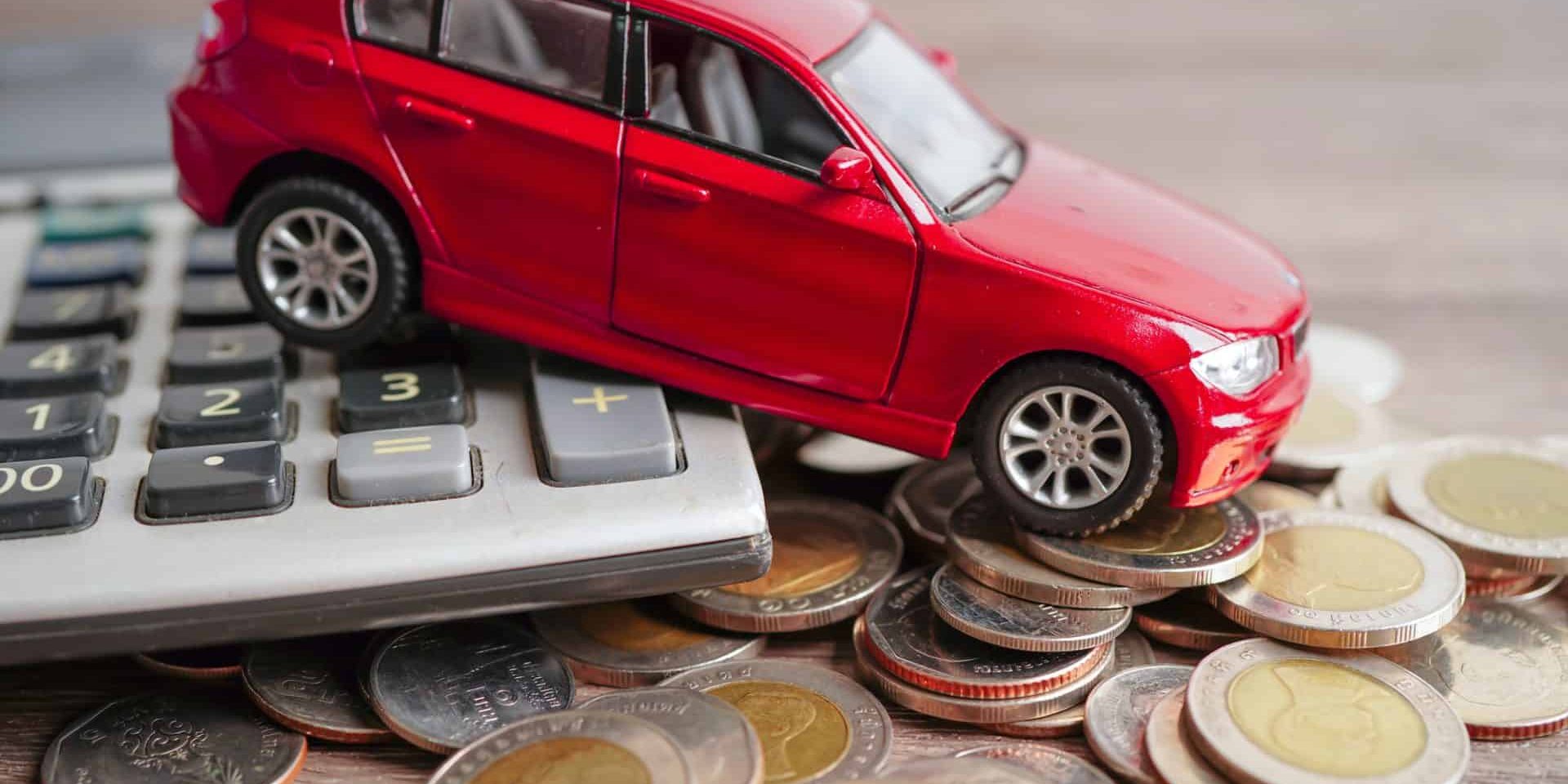
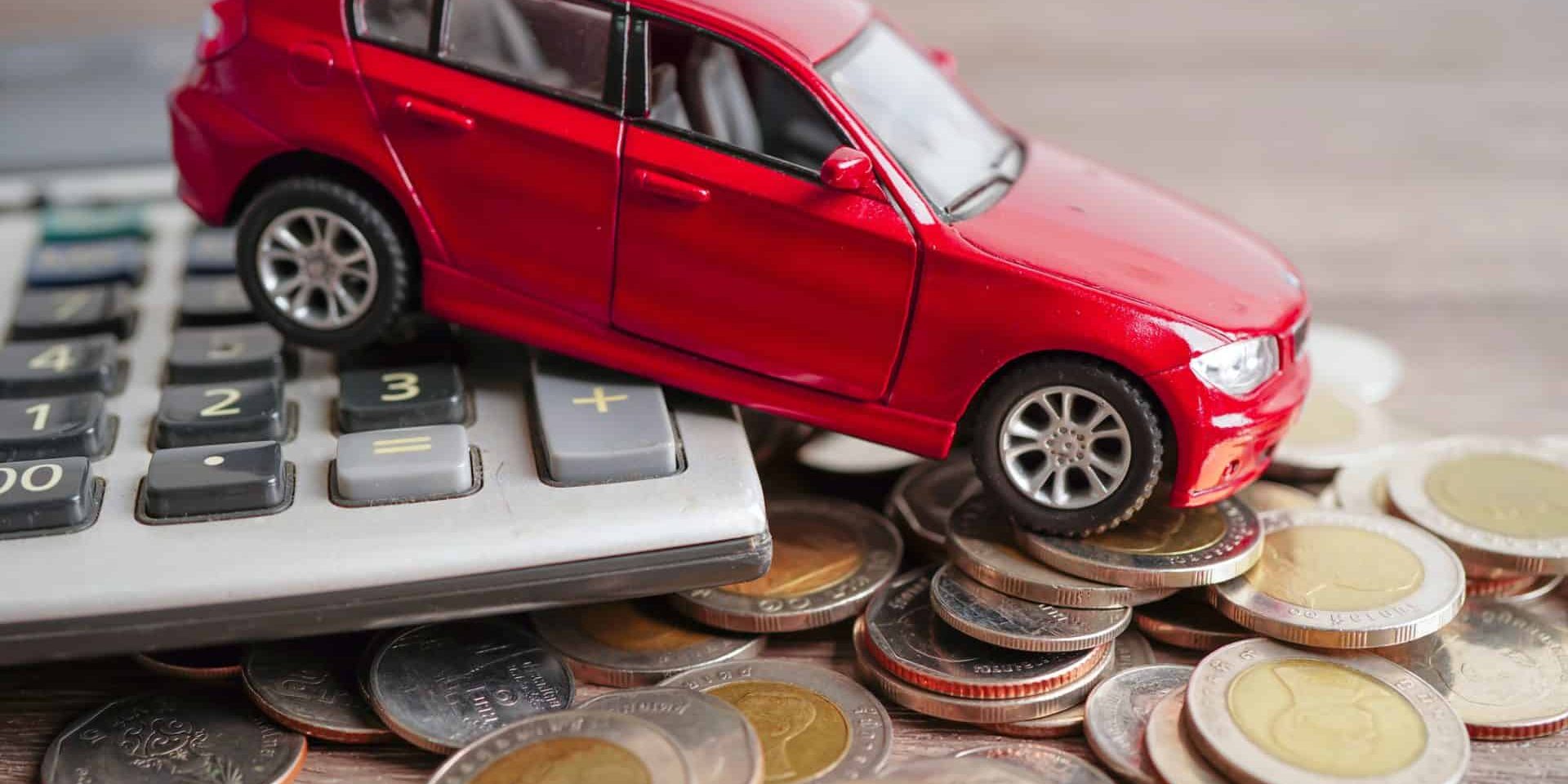
Car insurance premiums across the UK have fallen to their lowest average level since 2023, giving millions of drivers the opportunity to secure better deals than they have seen for several years. The improvement follows a sustained period of record-high premiums that squeezed household budgets and prompted widespread concern about the affordability of motor insurance, particularly for younger drivers.
The shift in the market is being driven by a combination of factors including easing claims inflation, improved repair supply chains, and intensifying competition among insurers on comparison platforms. Here is what has changed, who stands to benefit most, and how to get the most out of the current conditions.
Why Were Premiums So High?
The surge in car insurance costs that peaked in 2023 and 2024 was the result of several pressures arriving at the same time. Repair costs had risen sharply following the pandemic as semiconductor shortages pushed up the price of replacement parts and new vehicles. At the same time, a shortage of bodyshop capacity meant that repair times lengthened, increasing the cost of courtesy cars and prolonging the duration of claims.
Labour costs in the automotive repair industry also rose in line with broader wage inflation, and the value of written-off vehicles jumped as the used car market tightened. Insurers found that the cost of settling claims had increased substantially relative to the premiums they had been collecting, leading to widespread and rapid price increases across all segments of the market.
What Is Driving the Fall in Premiums?
The conditions that pushed premiums to record highs are beginning to normalise. Parts supply chains have largely recovered from the post-pandemic disruption, and repair costs, while still elevated compared to pre-2020 levels, are no longer rising at the pace they were during 2022 and 2023. Bodyshop waiting times have shortened in most parts of the country.
Used car values have also moderated from their pandemic-era peaks. When a vehicle is written off in a total loss claim, the insurer pays out based on the market value of the car. When those values were at record highs, every write-off was more expensive to settle. As used car prices have stabilised, that component of claims cost has come down.
Competition between insurers on comparison sites has intensified as the market has stabilised. Companies that stepped back from certain risk categories during the high-claims period are now competing more aggressively for business, which is putting additional downward pressure on headline premiums for a wide range of driver profiles.
Are All Drivers Seeing Lower Prices?
The fall in average premiums does not affect every driver equally. Average figures are influenced heavily by the largest driver groups, which are middle-aged drivers with established no-claims records. Drivers at the edges of the market, particularly those who are very young or who have recent claims or convictions on their record, have seen less dramatic improvements.
Young drivers, who were already paying several times the national average before the recent period of elevated premiums, continue to face costs that can make basic mobility unaffordable. The improvement in the broader market has taken some of the pressure off, but the fundamental risk assessment that produces high premiums for new drivers has not changed materially.
Drivers in urban areas also tend to pay more than those in rural or suburban areas, reflecting higher theft rates and repair costs in cities. The geographic spread in premiums has, if anything, widened in recent years as crime rates in some urban areas have remained persistently elevated.
What Types of Policy Are Becoming More Competitive?
Fully comprehensive cover continues to be more competitively priced than third-party fire and theft in many cases, a pattern that has persisted for several years and reflects the risk profile of drivers who choose lower levels of cover. Drivers considering downgrading their cover to save money should check whether comprehensive would actually cost them more before assuming it will.
Telematics policies, which calculate premiums based on recorded driving behaviour, are becoming an increasingly significant part of the market for younger drivers and for those who have had previous claims. Several major insurers have expanded their black-box and app-based offerings, and the best versions can now deliver premiums considerably more competitive than the standard market rate for higher-risk drivers who can demonstrate safe habits.
How to Make the Most of the Current Market
The single most effective action any driver can take is to shop around at renewal rather than accepting the quote offered by their existing insurer. The gap between the renewal quote sent to existing customers and the price available to new customers on comparison sites can be substantial, even where loyalty discounts are applied.
Timing the renewal search matters too. Starting the process three to four weeks before the cover expiry date tends to produce better results than leaving it until the last few days. Insurers use dynamic pricing that adjusts based on how close the renewal date is, and competition for customers shopping well ahead of expiry tends to be keener.
Checking whether modifications, additional drivers, or changes in the vehicle’s overnight parking arrangements affect the premium can also produce savings. A car parked in a private garage or on a driveway will generally attract a lower premium than one left on the street, and adding an experienced driver to a policy can sometimes reduce the cost for younger primary drivers.
Will Prices Continue to Fall?
The consensus among insurance market analysts is that the current downward trend has further to run, though the pace of improvement is likely to moderate. The most significant drivers of the recent falls, recovering supply chains and normalising used car values, have already done much of their work. Further reductions are expected to come from continued competition between insurers rather than from a further material change in claims costs.
External shocks could reverse the trend. A significant increase in vehicle theft rates, a new shortage of repair parts, or a sustained rise in fuel prices that pushes more drivers to reduce their cover could all push premiums back up. For now, the conditions favour drivers who are willing to actively shop around at renewal rather than accepting the path of least resistance.

Leave a Comment
More in News

How to Free a Frozen Handbrake (and What a New Cable Costs)

What Winter Tyres Actually Do for UK Drivers (and Whether You Need Them)

Renewing Car Insurance on the Day Cover Ends Costs Drivers £331 More, MoneySupermarket Shows

Every Driver Faces £500 Seatbelt Fines as AI Cameras Flag 19,145 Possible Offences

How to Remove Moisture From Inside Your Headlight Before It Costs You £500
Trending on Motoring Chronicle

Maryland Drivers With Out-of-State Plates Face $420 Fines Starting October 1

Timeless elegance and speed: a glimpse into the design process of the Bugatti Tourbillon [Photo Gallery]
What Saltburn’s New Motorhome Parking Ban Means for Campervan Owners This Summer

How Bus Lane Cameras Earned Councils £37.7 Million by Fining UK Drivers This Year
