
Why Right Now Is the Best Time in History to Buy an Electric Car in Britain


If you have been thinking about buying an electric car but have been waiting for prices to fall, the moment you were waiting for is now. A combination of government grants worth up to £3,750, manufacturer discounts of up to 26.5 per cent driven by legal targets, and a crash in used EV values means the cost of switching to electric in the UK has never been lower. Here is exactly what is available, how to access it, and why the window may not stay open for long.
The Electric Car Grant Explained
The UK government relaunched its Electric Car Grant (ECG) scheme in 2026, providing a direct discount at the point of sale on qualifying new electric cars. The grant does not need to be applied for separately: the reduction is applied automatically by the dealer, provided the vehicle and buyer meet the eligibility criteria. There are two bands of grant. Band 1 provides £3,750 off the purchase price of qualifying vehicles. Band 2 provides £1,500. The difference between the bands relates to how the car is manufactured and whether it meets the scheme’s sustainable manufacturing criteria.
To qualify for either band of the ECG, a vehicle must be a brand-new fully electric car priced at no more than £37,000 including VAT. It must be capable of travelling at least 100 miles on a single charge, and the manufacturer must meet warranty requirements and the scheme’s criteria relating to supply chain sustainability. The Office for Zero Emission Vehicles (OZEV) maintains the official list of eligible models, which currently contains 45 vehicles. As of late May 2026, nine of those models qualify for the full £3,750 Band 1 grant, with the remaining 36 qualifying for the £1,500 Band 2 grant.
Among the Band 1 qualifying models are several strong choices for real-world buyers. The Renault 5 with the 52kWh battery, which starts from around £27,000 before the grant (taking it to just over £23,000 after the full £3,750 discount), is currently one of the most popular small EVs in Europe. The Renault 4 also qualifies for Band 1, as does the Nissan Leaf with the 75kWh battery, the Renault Alpine A290, and the MINI Countryman Electric. The Cupra Raval recently qualified for Band 2, bringing its entry price after the grant to below £27,000. The scheme runs until the 2028/29 financial year, but the list of qualifying vehicles changes regularly as manufacturers update their product lines and pricing.
Why Dealers Are Offering Additional Discounts on Top of the Grant
The ECG alone would be a reasonable incentive. But manufacturers are currently layering substantial additional discounts on top of the government grant, and the reason comes down to a law that has sharply changed the economics of new car selling in the UK.
The Zero Emission Vehicle mandate requires that a specific percentage of every manufacturer’s new car sales in the UK must be fully electric. In 2026, that target is 33 per cent. A manufacturer that falls short of its target faces a fine of £15,000 for every non-qualifying vehicle sold above the allowed number. With EV demand currently running below the mandate targets in many market segments, manufacturers are using price reductions to pull buyers across the line. According to data compiled by automotive research firms tracking UK retail discounting, the average discount on a new electric car in January 2026 was 12.8 per cent off the list price, making the UK one of the most aggressively discounted EV markets in Europe.
The discounts on individual models are even more striking. The Cupra Born, Volkswagen Group’s sporty electric hatchback, was averaging a 26.5 per cent discount off its list price in early 2026 according to industry data, representing a saving of over £8,000 on a mid-specification model. The Dacia Spring, the most affordable EV on sale in the UK, was being discounted by an average of 23.5 per cent. The Volkswagen ID.4, still one of the most popular family EVs in Britain, was seeing average discounts of 21.8 per cent. Across the market as a whole, manufacturers collectively applied approximately £5.5 billion in discounts to new electric cars in 2025, equivalent to around £11,000 per vehicle sold. The pressure for 2026 is, if anything, greater, as the mandate target has risen from 28 per cent in 2025 to 33 per cent this year.
What Is Happening to Used EV Prices
The same forces pushing down new EV prices are also transforming the used market. When manufacturers and dealers flood the market with heavily discounted new EVs, the residual values of used examples fall in parallel. Analysis of used EV transactions in the UK market shows that prices on some models have fallen by as much as 28 per cent compared with where they were trading 18 months ago. A Nissan Leaf that was changing hands for £18,000 in early 2024 can now be bought for well under £13,000 with similar mileage. Three-year-old Volkswagen ID.3s are available for under £16,000, which is less than a similarly aged mid-size petrol hatchback of equivalent specification.
This compression in used EV values has created a specific opportunity for buyers who do not need a brand-new car and who do their most common driving from a home charging point. A used EV purchased today benefits from lower fuel costs per mile than any petrol equivalent, lower servicing costs (no oil changes, fewer brake replacements, no clutch), and road tax of £200 per year, which is actually lower than many equivalent petrol cars registered before April 2017. The running cost advantage is most pronounced for drivers who cover more than 8,000 miles per year from a home charger, where electricity at domestic overnight rates can bring the fuel cost per mile below 3p, compared with around 14p per mile for a petrol car at current pump prices of 158p per litre.
The Tax Changes That Have Also Changed the Equation
Two changes from April 2026 have shifted the road tax position for electric vehicles in ways that are worth understanding before you buy. First, all new fully electric cars registered from 1 April 2026 pay just £10 in Vehicle Excise Duty for their first year on the road, rising to the standard £200 annual rate from the second year. This is the same £200 annual rate that applies to most petrol and diesel cars, but the first-year rate for EVs is dramatically lower than the first-year rate for a new petrol or diesel car, which is determined by CO2 emissions and can reach £5,490 for the highest-emitting vehicles under 2025 rates.
Second, the government has raised the threshold at which the Expensive Car Supplement applies to fully zero-emission cars. The Expensive Car Supplement, also known as the luxury car tax, adds £440 per year to the standard VED rate for five years for any car that cost over a set price when new. For petrol and diesel cars, the threshold remains £40,000. For fully zero-emission cars registered from April 2026, the threshold has been raised to £50,000. This means that an electric car costing, say, £48,000 new will not attract the supplement, whereas an equivalent petrol car at the same price would add £440 to the owner’s annual tax bill for five years. For anyone considering a premium EV such as a Polestar 2, a Tesla Model 3 Long Range, or a BMW i4, this change is worth factoring into the total cost calculation.
What To Do
To find out whether a specific model qualifies for the Electric Car Grant, check the official OZEV eligibility list at gov.uk/plug-in-car-van-grants. The list is updated when new models qualify or when existing models change their pricing. When approaching a dealer about a qualifying vehicle, ask explicitly whether the ECG is included in the quoted price, and ask what additional manufacturer or dealer discount is available on top of it. Dealers are not required to volunteer the ECG separately in their pricing: it is common for it to already be incorporated into the advertised figure, so understanding the full discount picture requires asking directly.
For used EV buyers, sites including AutoTrader, What Car?, and Cazoo provide current market pricing data that allows direct comparison between used EVs and petrol equivalents of similar age and mileage. Before purchasing any used EV, verify the battery health certificate if one is available, check the vehicle’s charging history via the manufacturer’s app where possible, and confirm what warranty remains on the battery pack. Most manufacturers offer a battery warranty of eight years or 100,000 miles as standard, which in most cases will still have significant remaining coverage on a three-to-five-year-old used car.
Sources:

Leave a Comment
More in News

How to Open a Frozen Car Door Without Breaking the Handle or Seal

Diesel Drivers Covering 10,000 Miles Now Pay £2,020 in Fuel, RAC Data Shows

What Your Car Service Actually Includes (and Which One You Need)

How Electric Cars Became Some of Britain’s Most Stolen Vehicles This Year

Why a 13-Year-Old Car Is Nearly Three Times More Likely to Fail Its MOT
Trending on Motoring Chronicle

2026 Nissan LEAF named a 2026 Car and Driver Editors’ Choice winner
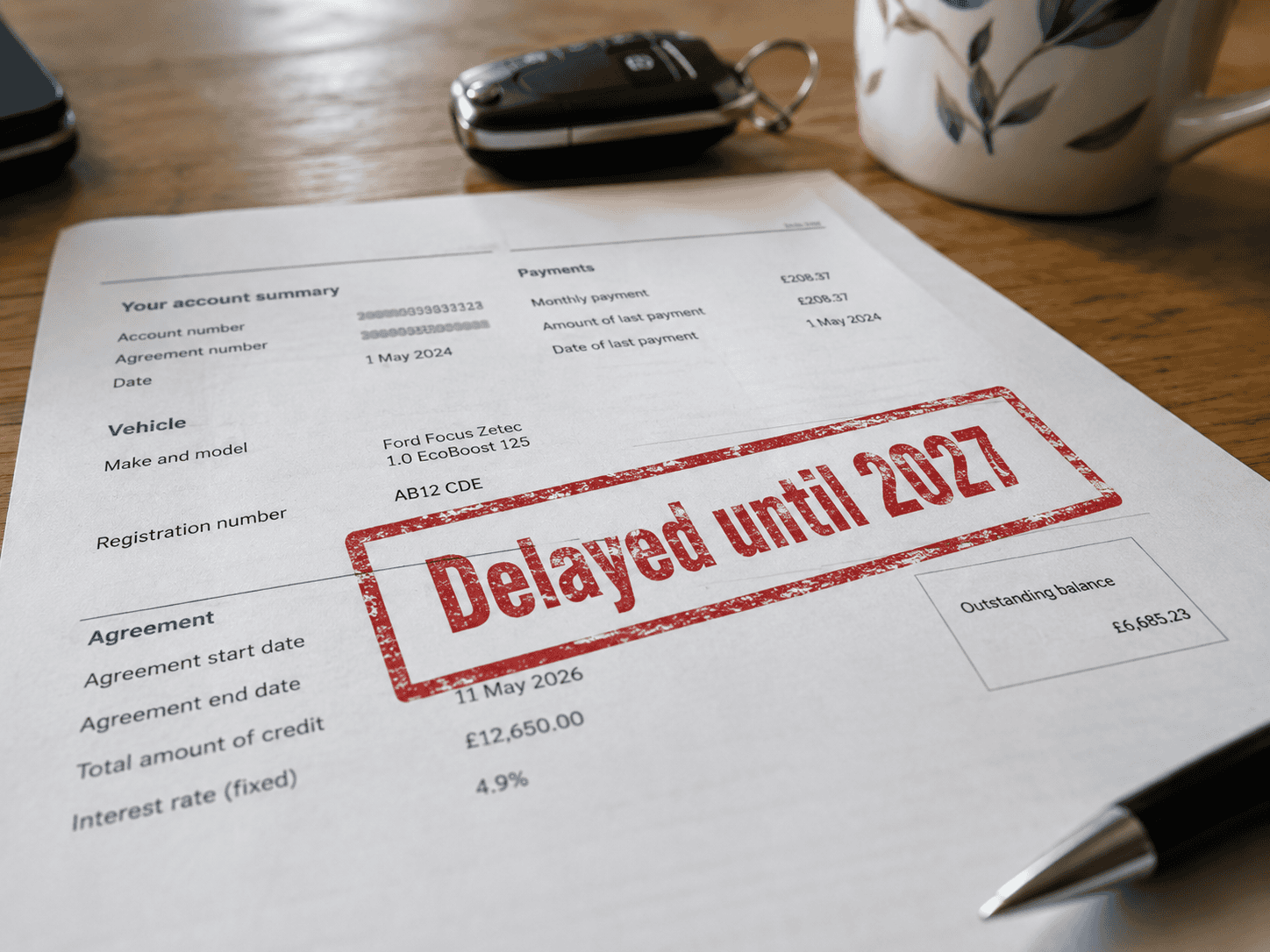
FCA Pushes £7.5 Billion Car Finance Payout Back to 2027 for Millions

Central Florida Toll Rates Rise on Four Major Expressways This Month

New Dacia Spring Revealed with 155-Mile Range and Sub-£18,000 Price Tag
