
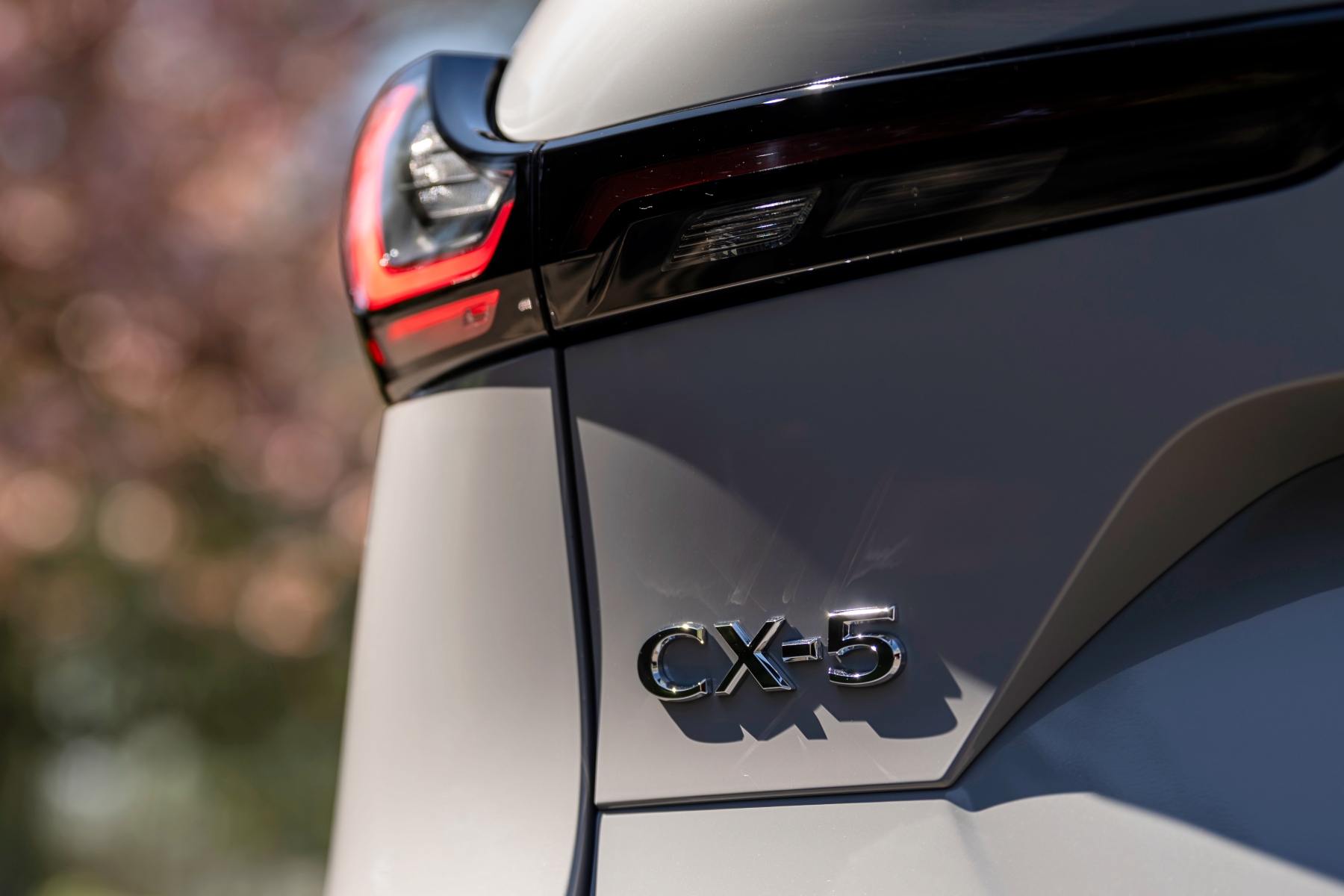
Mazda CX-5 review: New, improved bestseller needs a full hybrid boost
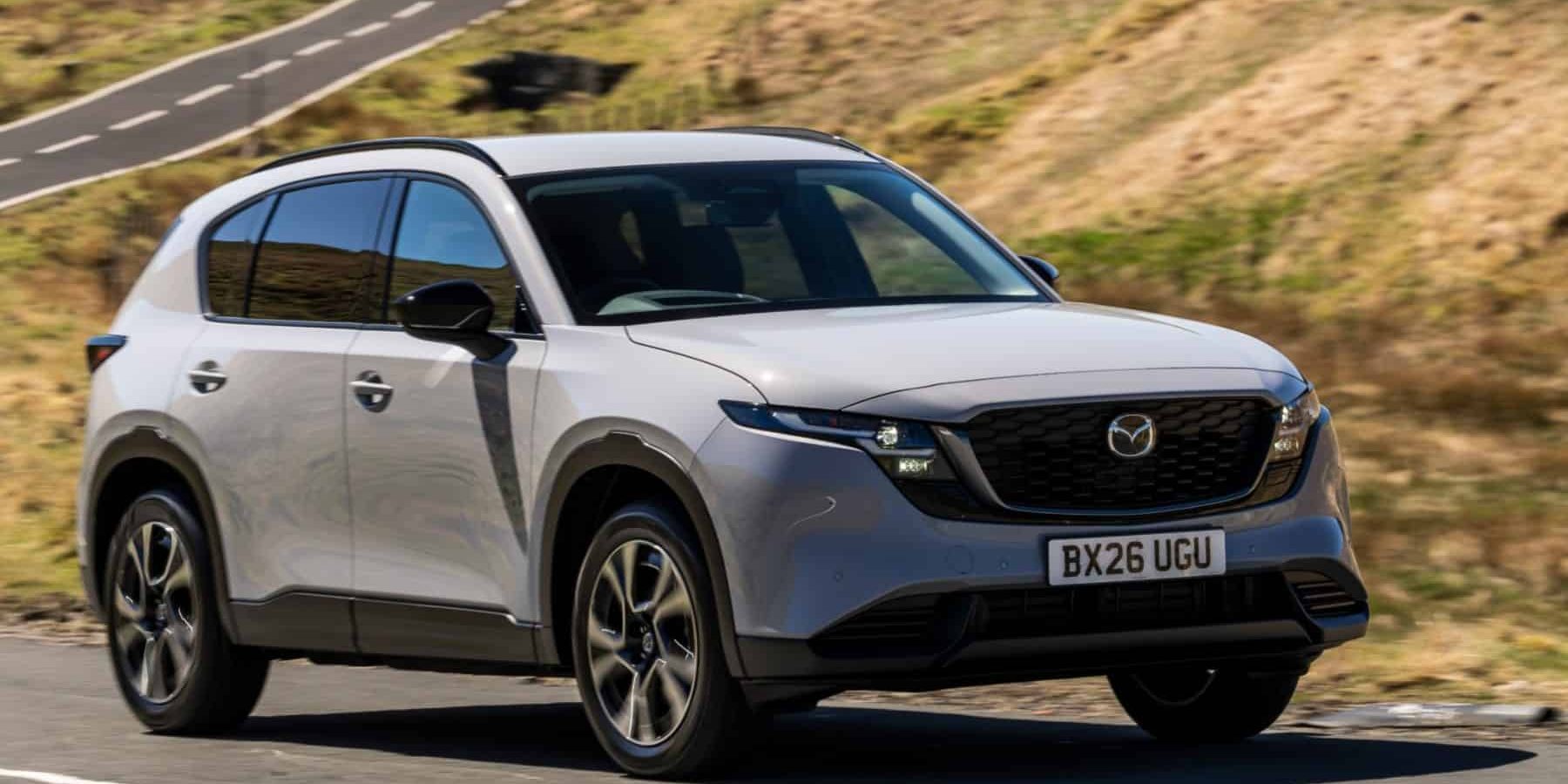
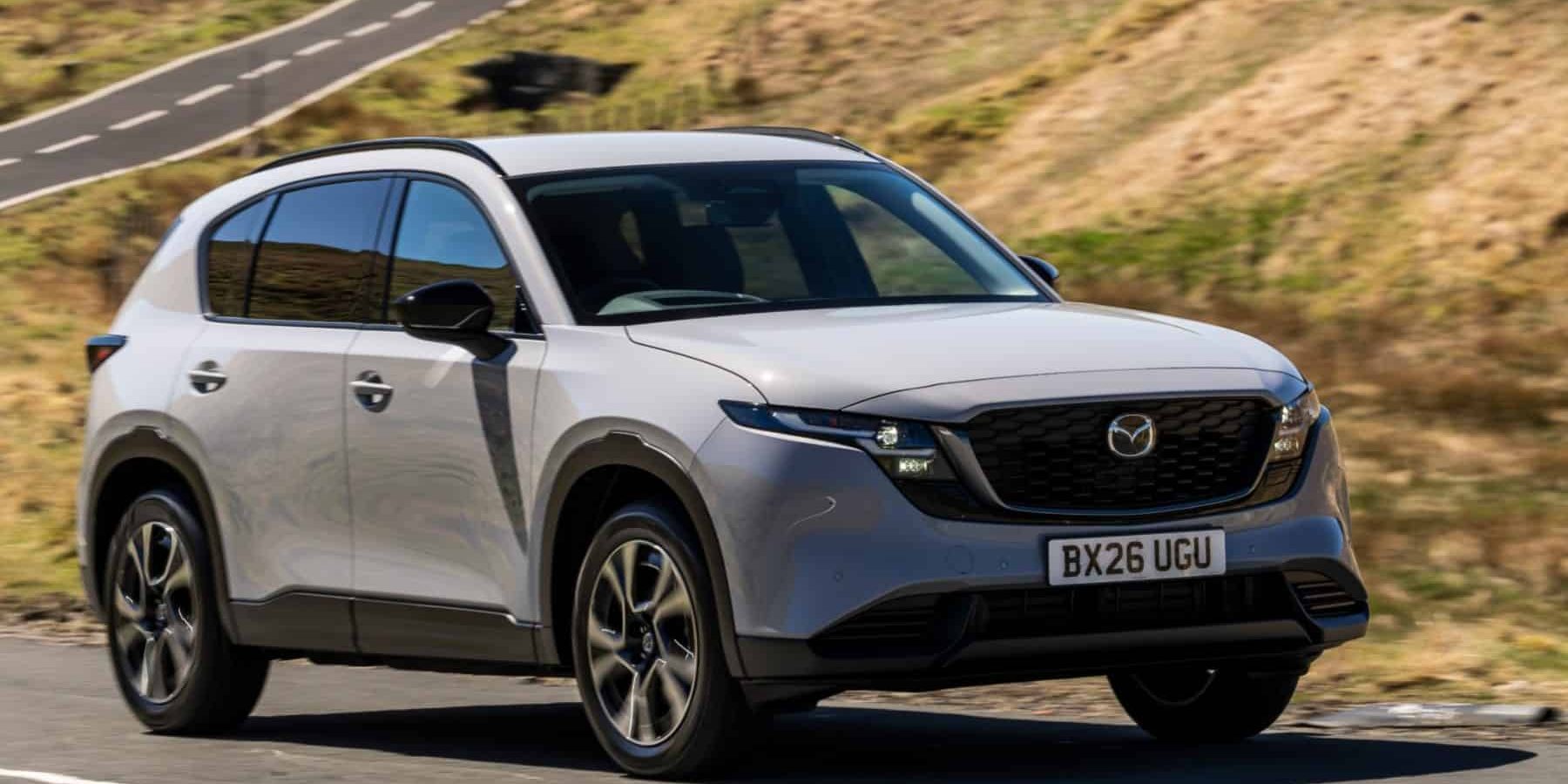
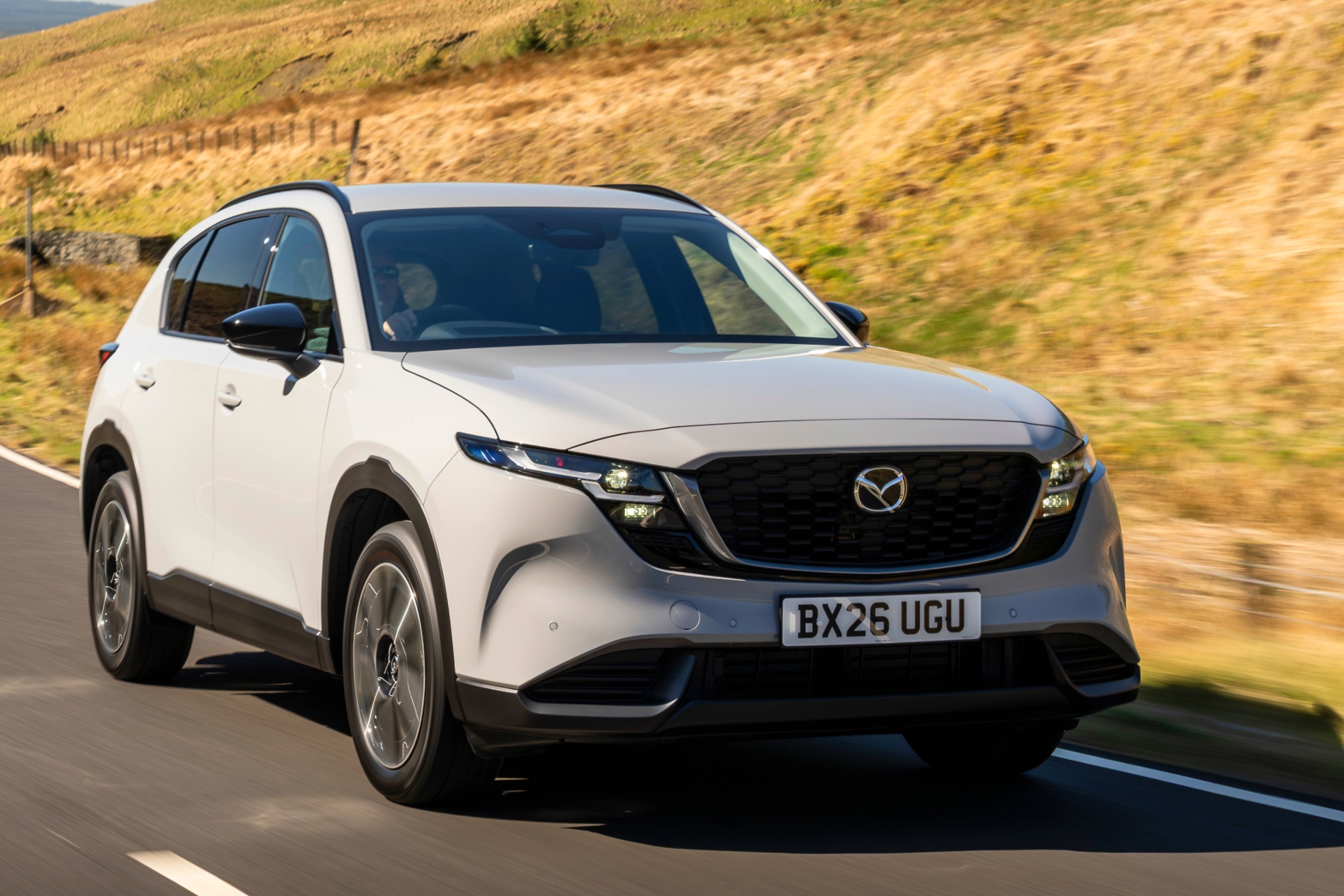
First drive in the 2026 next-generation Mazda CX-5. Is it better than ever?
It shouldn’t be underestimated how important the family-friendly CX-5 SUV is to Mazda.
Since its launch in 2012, five million have been sold worldwide, and some 105,000 in the UK alone – making it the brand’s best-selling model.
A second generation CX-5 was launched in 2017, followed by an update in 2022, but now it’s time for the Mark 3.
Priced from £31,550 to £40,950 (undercutting the outgoing car), the all-new Mazda CX-5 is offered in four trim levels – Prime-Line, Centre-Line, Exclusive-Line, and Homura.
Each grade gets distinct interior finishes and equipment. For instance, interior options include black or tan leather (Homura) and a two-tone black-and-white artificial leather and suede-like finish (Exclusive-Line).
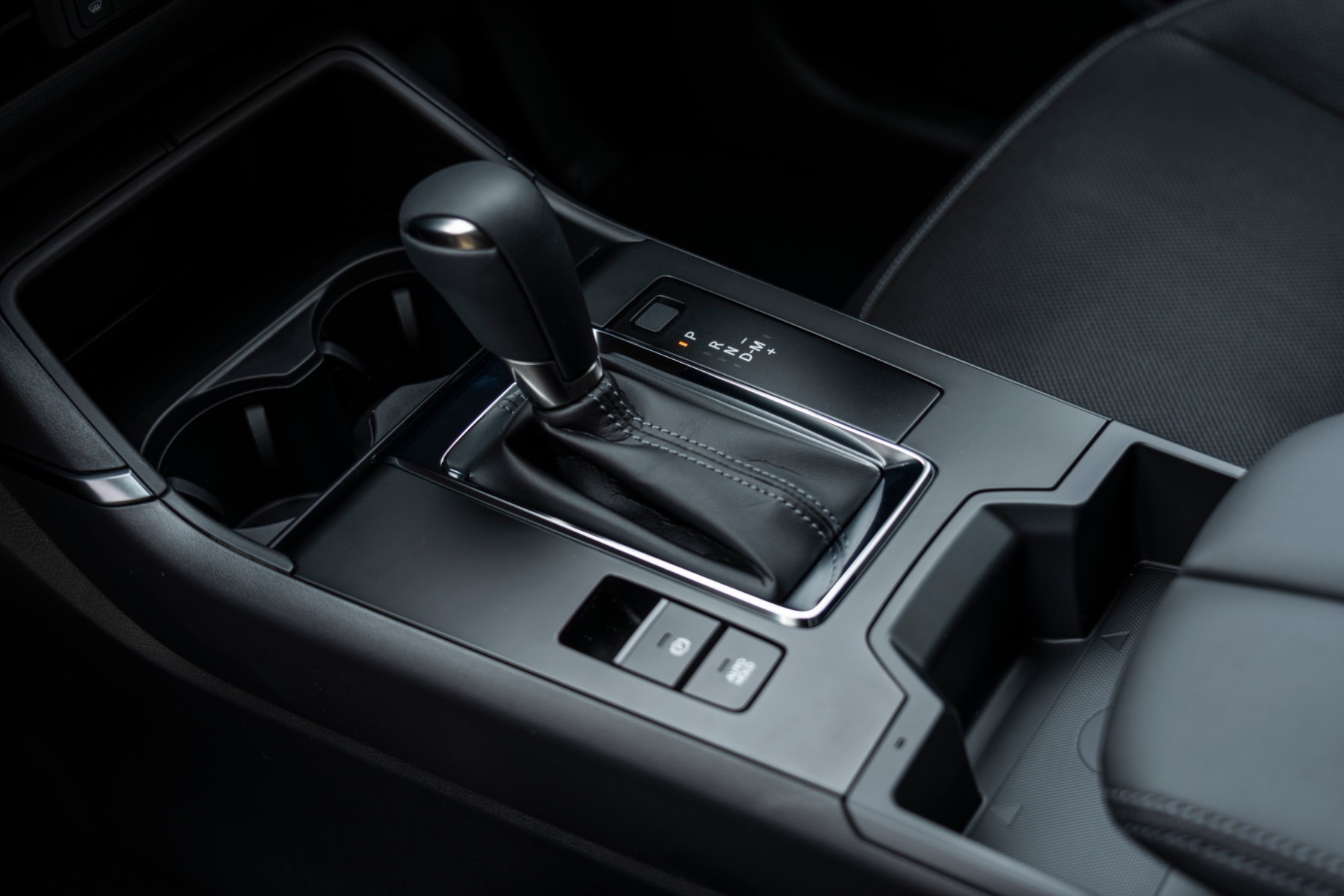
Exclusive-Line and Homura models can be specified with a choice of front-wheel drive or all-wheel drive, while all models feature a six-speed automatic gearbox.
At launch, all models are powered by a 2.5-litre e-Skyactiv G 139bhp petrol engine (replacing the previous 163bhp 2.0-litre unit), paired with 24V mild hybrid technology. The system also includes cylinder de-activation when cruising to enhance efficiency.
Depending on whether you choose a front-wheel drive or 4×4, CO2 emissions are 157g/km and 168-169g/km respectively, while fuel efficiency is (40.4mpg/38.2mpg).
Despite the relatively large, naturally-aspirated engine, the 0-62mph sprint takes 10.5 and 10.9 seconds respectively.
The Mazda CX-5 has always been a good-looking SUV with clever styling that stands out from the crowd.
The third-generation model is no different – partly because the shape is familiar. I guess it’s a case of “if it ain’t broke…”.
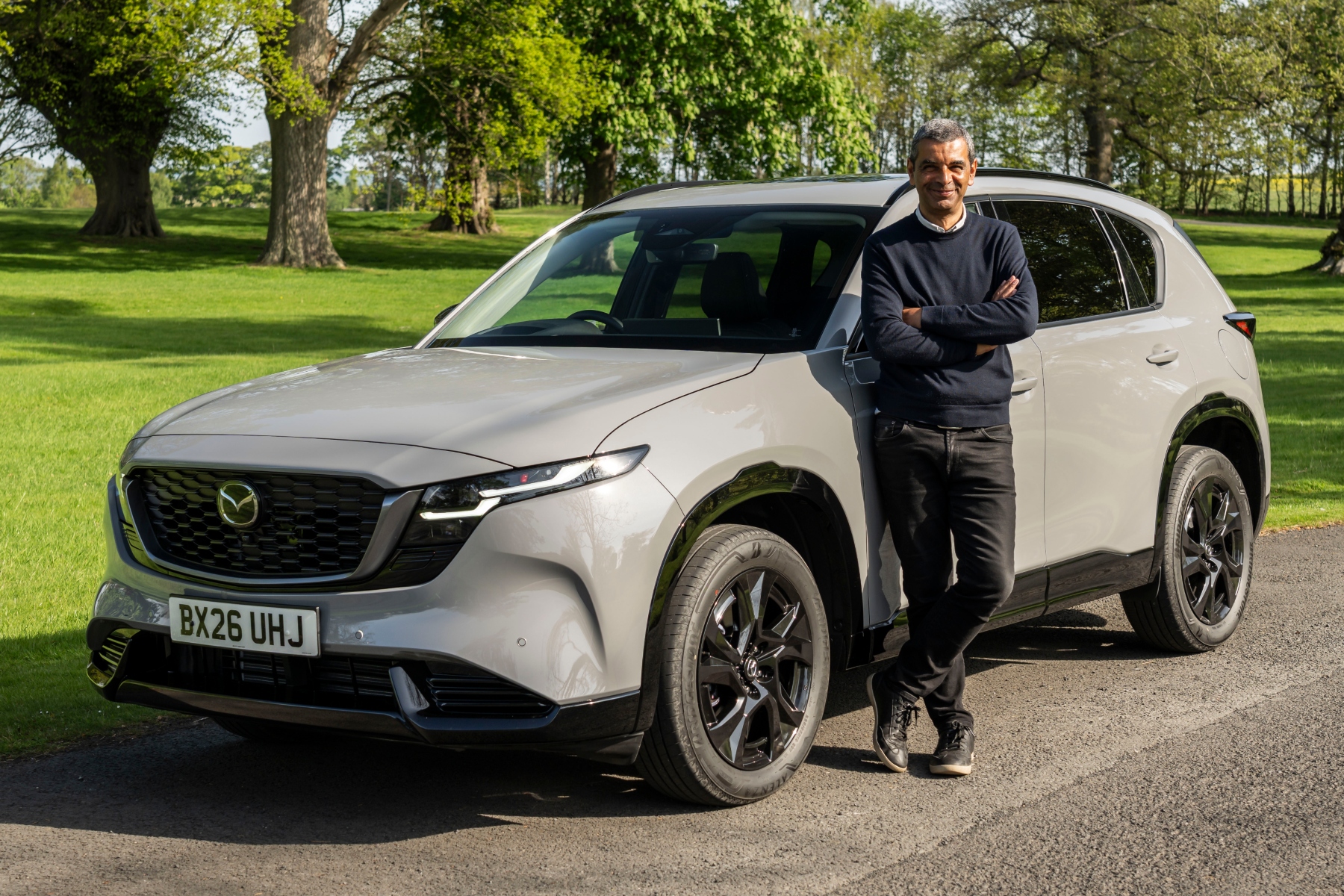
Mazda says it represents an evolution of its ‘Kodo’ design language, arguing that loyalty to existing customers meant that Mazda’s designers were keen to preserve a sense of familiarity.
One thing is for sure, the CX-5 has to be good, because it’s up against fierce competition from the likes of the Honda CR-V, Toyota RAV4, Kia Sportage, Ford Kuga and Nissan Qashqai.
However, unlike them, there are no full or plug-in hybrid versions of the CX-5 yet, though a electric family SUV is planned with the upcoming CX-6e.
Just like its predecessor, the new CX-5 is well built with equipment levels.
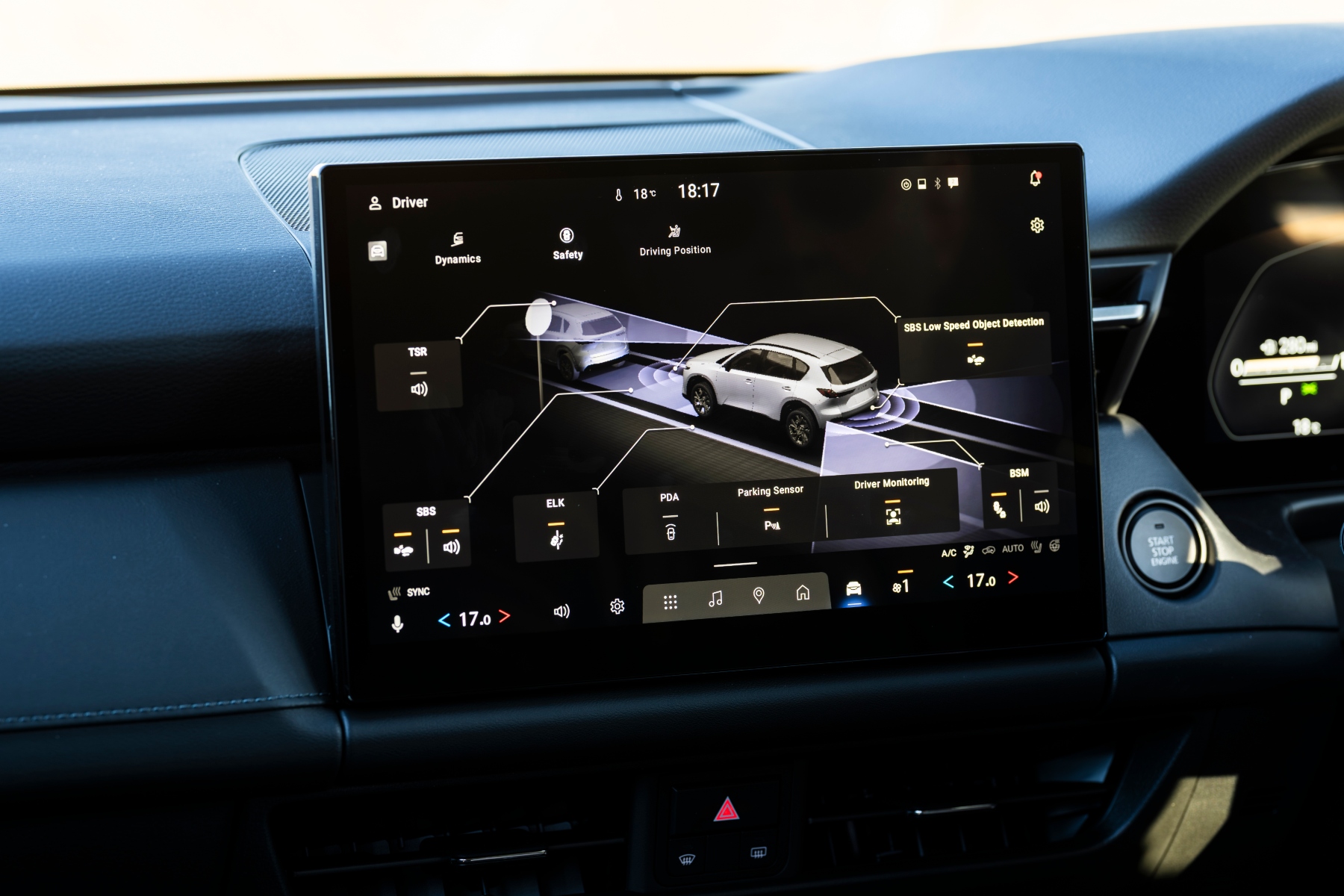
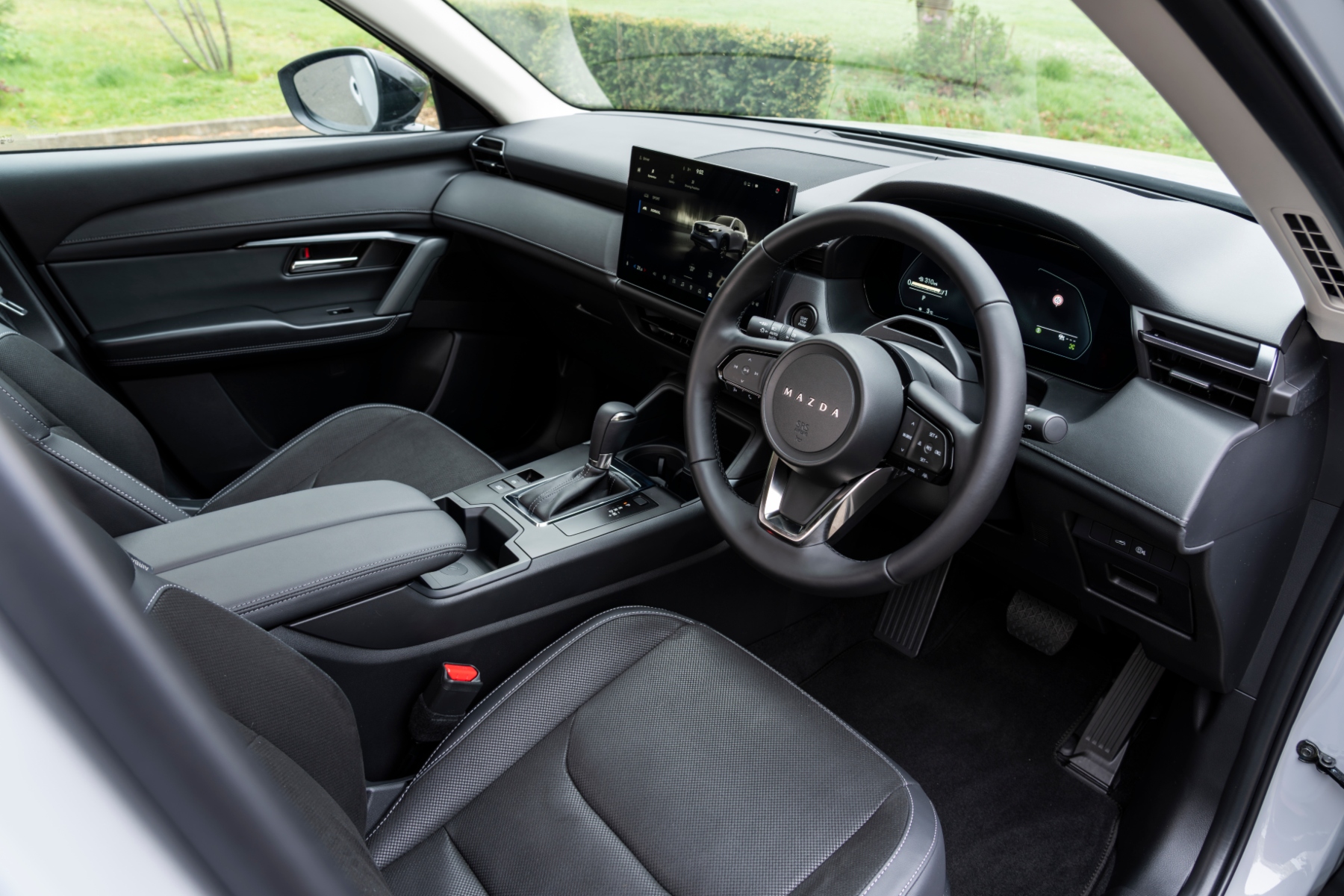
The interior features a standard 12.9-inch touchscreen (15.6-inch on Homura models) with the infotainment system featuring built-in Google for the first time in a Mazda.
A 10.25-inch digital driver’s display is also standard, while Exclusive Line and Homura grades get a 12-speaker Bose sound system.
Entry-level Prime-Line gets all the basics including 17-inch dark-coloured alloy wheels, a 12.9-inch touchscreen featuring Google built-in for the first time in a Mazda, plus wired Apple CarPlay and Android Auto. There’s also 10.25-inch digital instrument cluster, dual-zone climate control, adaptive cruise control and a reversing camera.
Stepping up to Centre-Line (expected to be the most popular choice) adds larger 19-inch diamond-cut alloys, heated artificial leather seats (Prime-Line cars get cloth upholstery), a heated steering wheel, an electric driver’s seat, a head-up display, a wireless phone charger, tinted rear windows and a powered tailgate, while smartphone connectivity in Centre-Line cars and above is wireless.
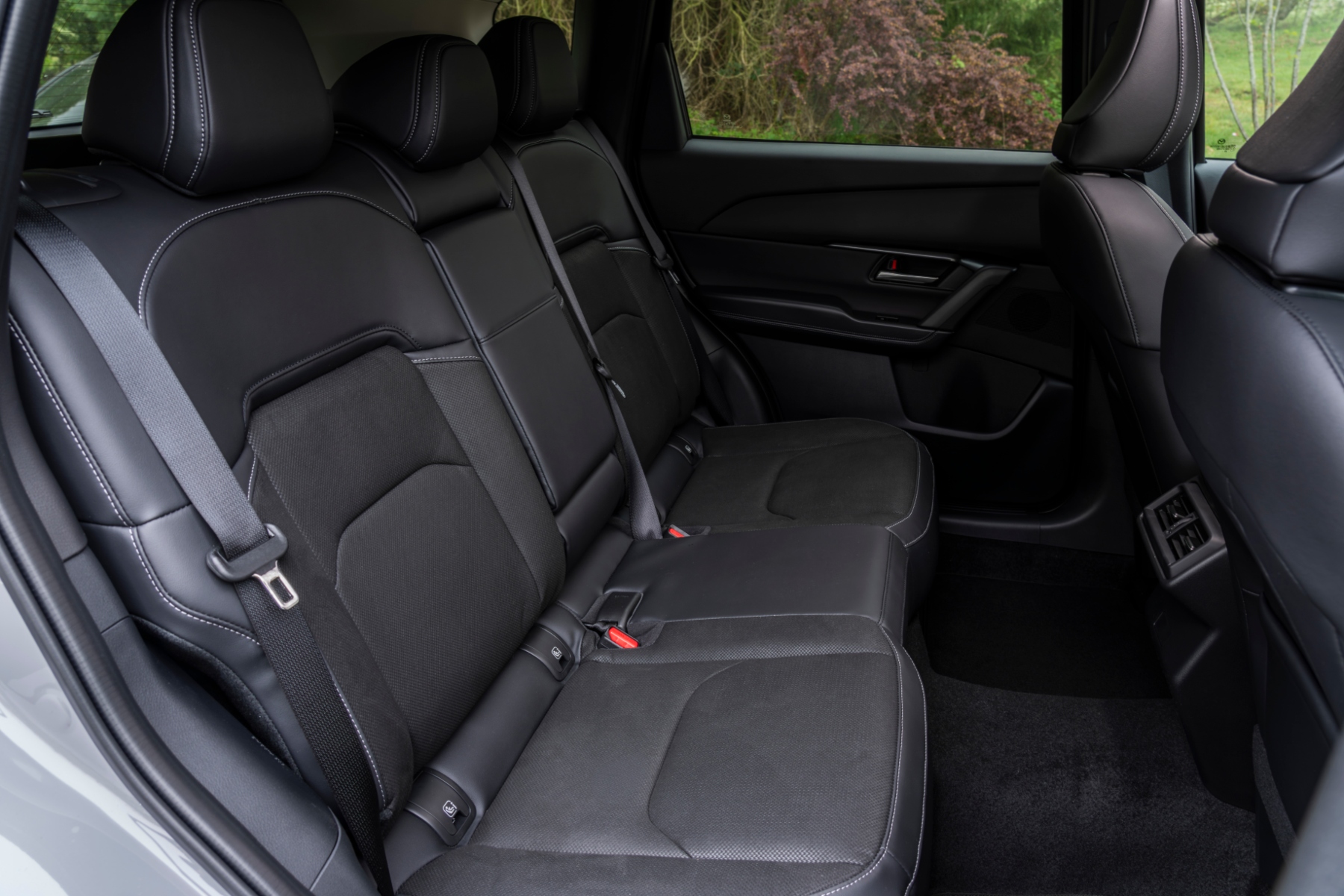
Exclusive-Line gets an electric front passenger seat, heated rear seats, a 360-degree parking camera system, a panoramic sunroof, a Bose sound system and the option for two-tone leather upholstery.
Range-topping Homura is treated to black wheels, gloss-black wheelarch cladding and black leather seats with ventilation for front passengers. It also benefits from adaptive LED headlights, interior ambient lighting, a hands-free powered tailgate, and the larger central touchscreen.
I tested a Prime-Line with front-wheel drive and a 4×4 Homura at the UK press launch in Scotland.
First impressions are mixed. The CX-5 is still a looker, but there really is a feeling of deja vu.
On the plus side, it’s bigger than before, but better proportioned with a lower, more aggressive stance.
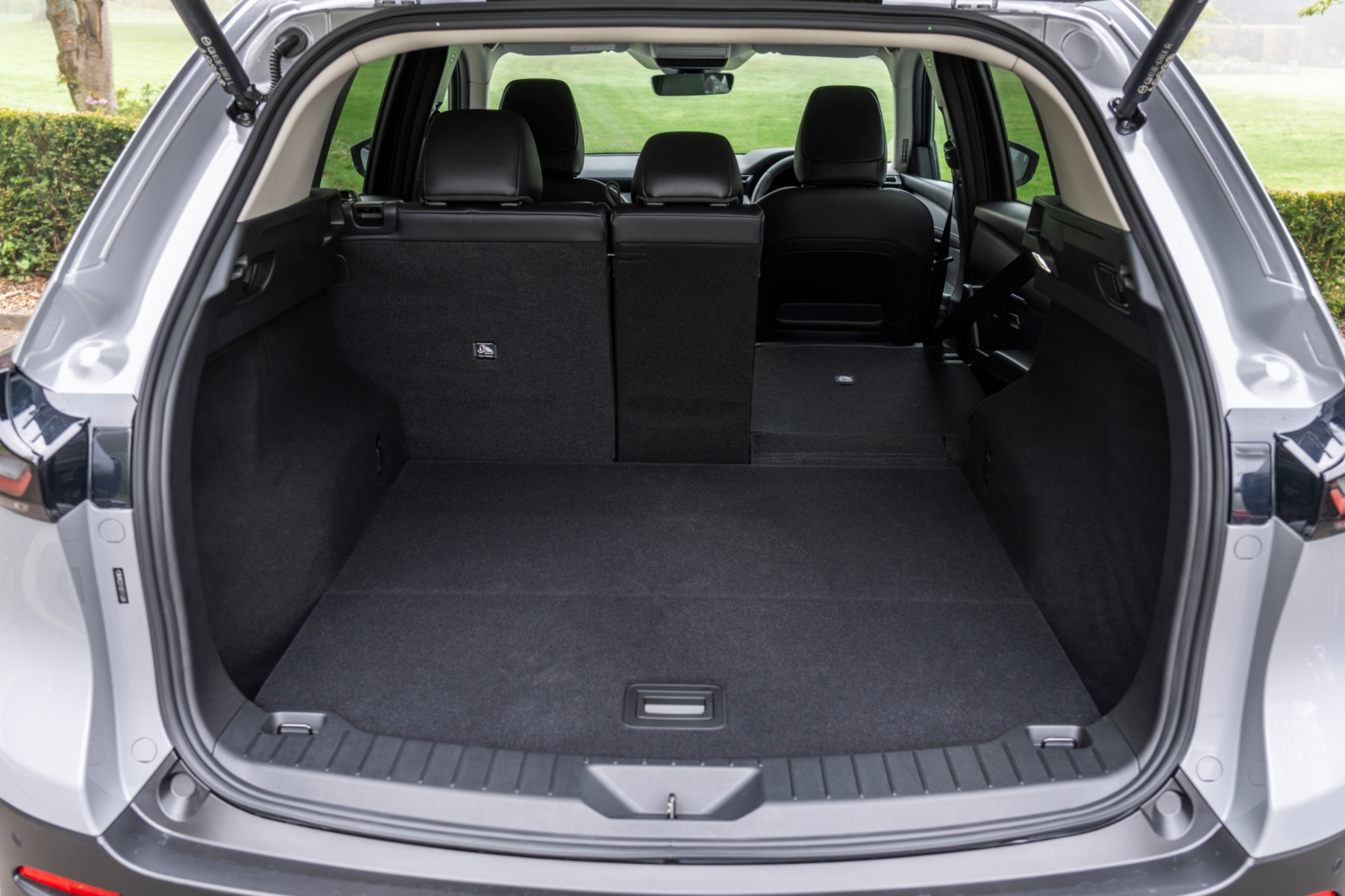
Inside, it’s still very much a Mazda, but with two differences. There’s now ample space for rear passengers, and the materials aren’t quite as premium as before. For instance, there are a few too many hard plastics on the dashboard instrument cowl cover, door tops, and down below.
Slip inside, and the driving position is great. If like me you prefer to hunker down, you can, but there’s still the option to have a commanding view, should you wish.
Sadly, Mazda has ditched the rotary controller in the central console, so now most of the essentials are accessed via the touchscreen.
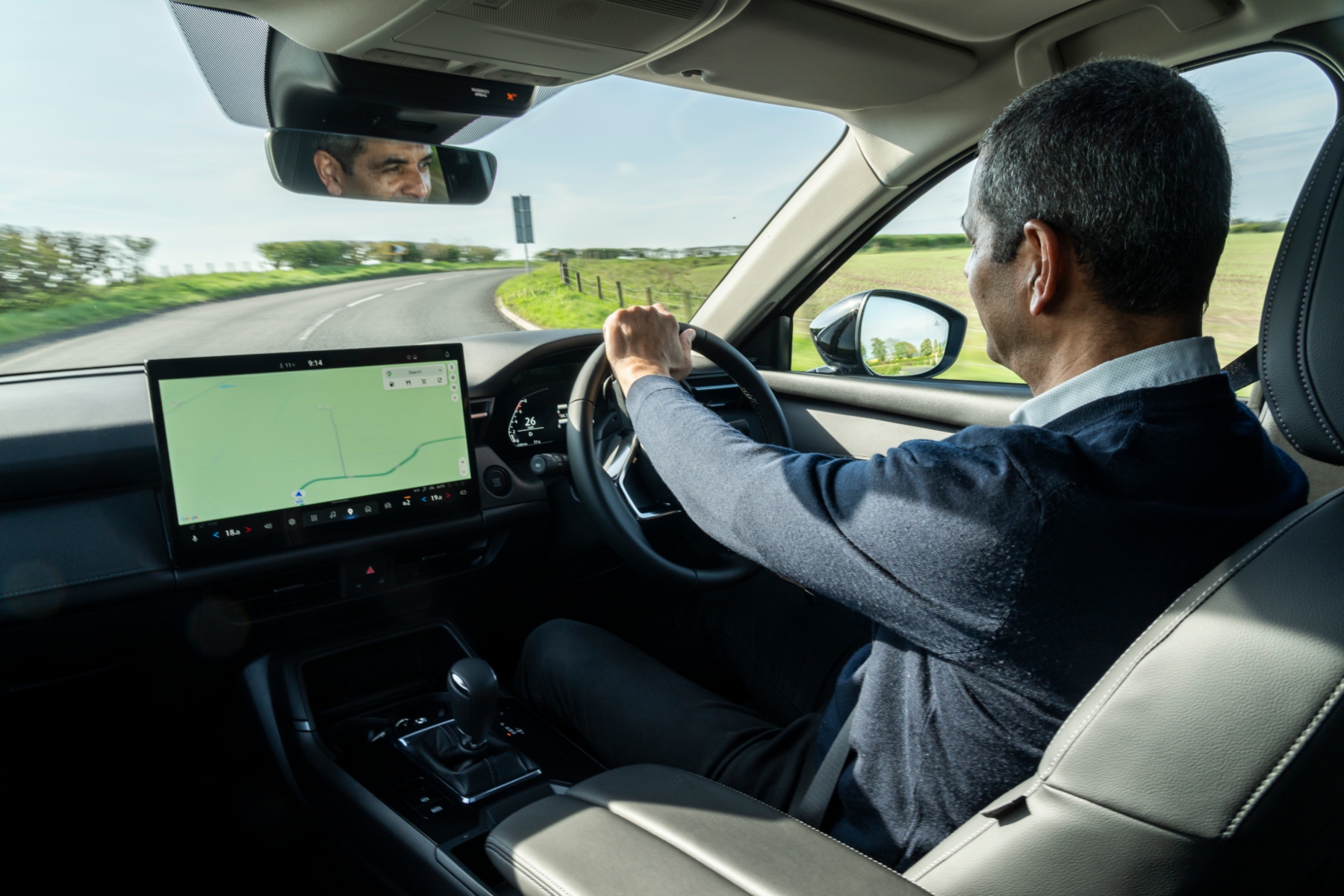
For instance, unlike the outgoing CX-5, which had separate physical climate controls, these are now anchored at the bottom of the main screen.
As infotainment systems go, it’s pretty good, but I still think there should be a balance between physical buttons and touchscreen from a safety point of view.
On the road, it’s a conventional internal combustion engine experience, despite the small hybrid system offering some electrical assistance.
Keep it calm and the engine is refined with seemingly plenty of reserves of power. Push on, and it’s surprisingly raucous and a tad gutless considering it’s a 2.5-litre engine, while the auto box could be quicker through the gears.
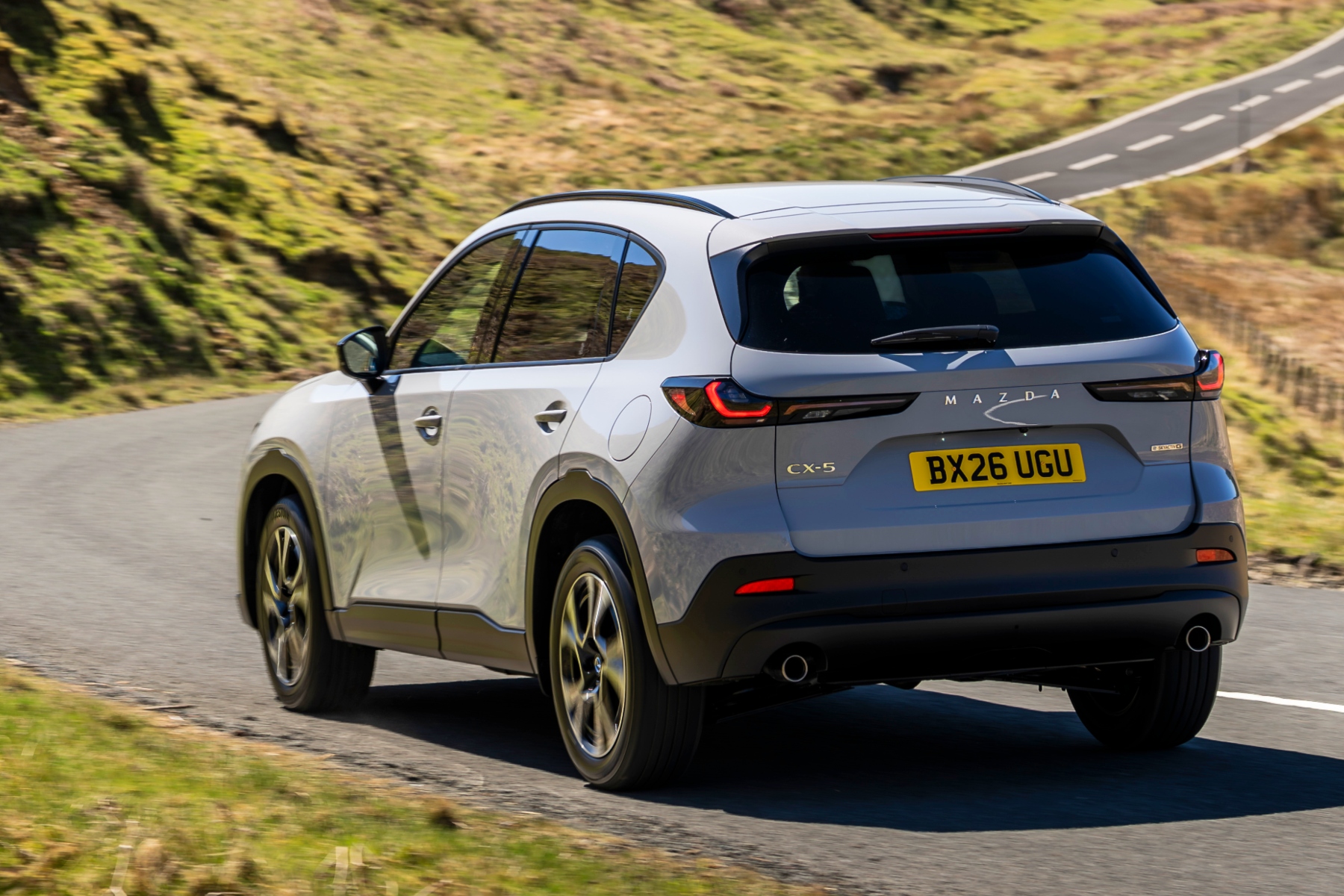
That aside, the new CX-5 handles as well as ever, delivering an engaging drive. It stays flat in more challenging corners, and grip is superb. The AWD just edges it, but the FWD is excellent too, and a tad more agile.
The steering is precise, while the ride is on the firm side, but not uncomfortably so, meaning that it never feels anything other than composed.
More spirited drivers can select Sport mode over default Normal, which optimises throttle response and holds gears longer for better acceleration, while AWD models get an Off-road option which maximises traction. As ever, Normal offers the best balance for everyday driving, prioritising comfort and fuel efficiency, though 40mpg tops is hardly class leading.
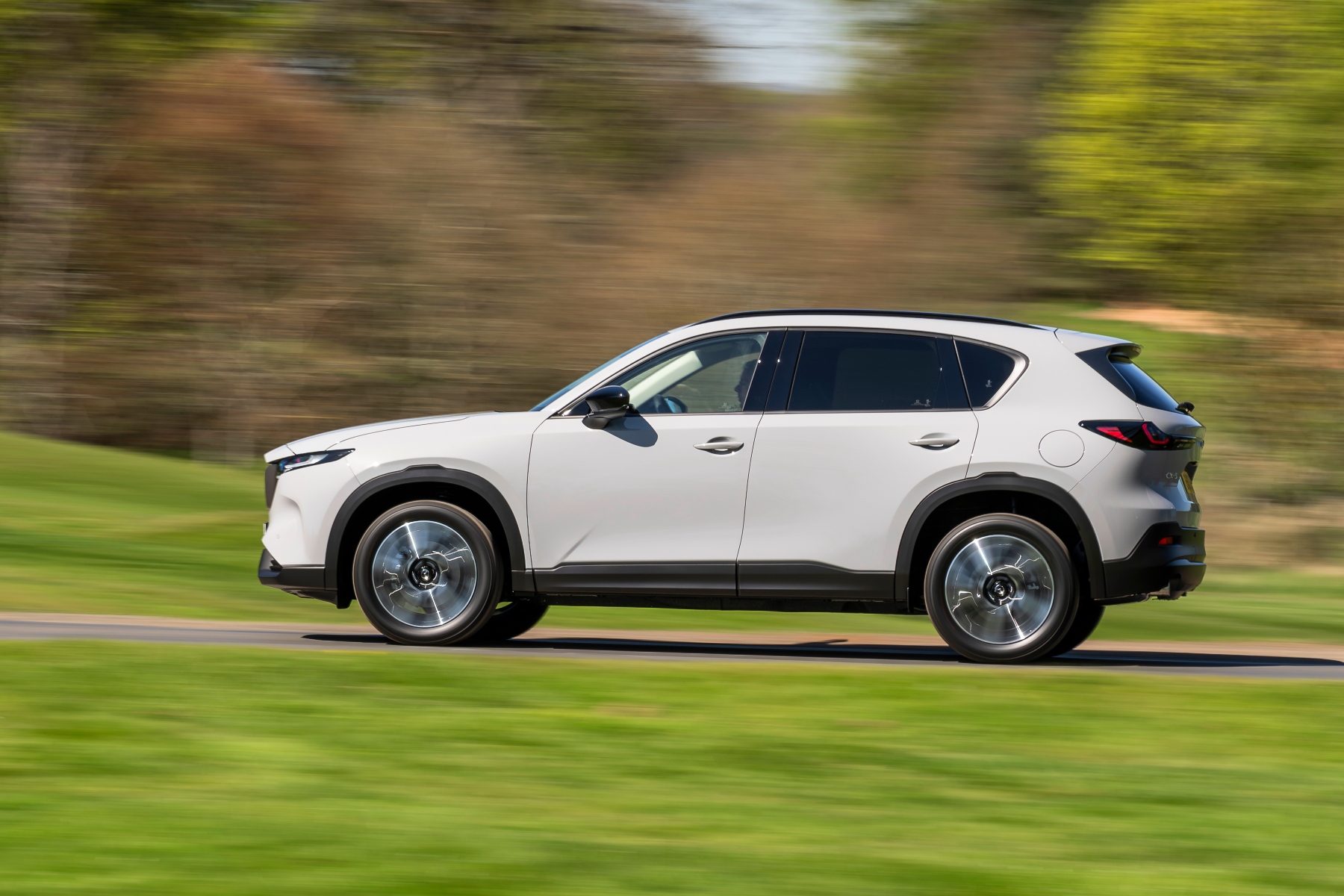
Ultimately, loyal customers will approve of the 2026 Mazda CX-5 because it’s new and improved in many ways. However, it desperately needs full hybrid or plug-in hybrid power options to widen its appeal. Let’s face it, all its main competitiors are well down the hybrid road.
Verdict: The latest generation Mazda CX-5 is spacious, stylish, well-equipped, and is still one of the best handing SUVs on the market. However, the lack of full hybrid power at launch makes it seem dated already.
Review in association with AutomotiveBlog

Leave a Comment
More in News

Does a Failed MOT Devalue a Car? The Part of the Record Buyers Should Actually Read

What an AdBlue Warning Light Really Means Before Your Diesel Refuses to Restart

How Bus Lane Cameras Earned Councils £37.7 Million by Fining UK Drivers This Year
Every New Car Buyer Could Get Bigger Discounts as Britain Misses Its EV Target

Drivers Using Rapid EV Chargers Pay 79p a kWh, Up 4 Percent, Zapmap Shows
Trending on Motoring Chronicle

How Long a Car Battery Should Last (and Why Short Journeys Halve It)

Pothole Compensation Claims Jump 91 Percent as Councils Reject Up to 90 Percent

Why Electric Car Owners Pay Up to 25 Percent More for Insurance Than Petrol Drivers
Vermont Loosens Vehicle Inspection Rules as Minor Defects No Longer Fail You
