How the Cost of Owning a Car in the UK Has Hit £11,500 a Year


A decade ago, running a car in Britain cost around £6,500 a year. Today that figure has reached more than £11,500, representing a rise of almost £5,000 over ten years. Research compiled by GAP insurance provider ALA Insurance brings together data from the RAC, the Association of British Insurers, the Bank of England and the Office for National Statistics to produce one of the most comprehensive pictures yet of what British motorists are now paying to keep a vehicle on the road.
The increase amounts to roughly £415 more every month compared with 2016, spread across depreciation, fuel, insurance, road tax, servicing and finance costs. Over the same period, average wages have risen by approximately 35 per cent. Car ownership costs have grown at well over twice the pace of earnings, meaning that owning a car now consumes a considerably larger share of a typical household’s income than it did just ten years ago.
A Decade of Rising Car Costs
The jump from £6,500 to £11,500 did not happen overnight. It is the result of compounding pressures building across multiple areas of motoring expenditure. Every major cost category, from what drivers pay at the pump to what they spend on cover and credit, has risen substantially since 2016, and several have increased by more than 50 per cent.
Simon England, founder of ALA Insurance, described the findings as evidence that Britain has reached a critical moment in its relationship with car ownership. The research demonstrates clearly that wages have not kept pace with the full cost of owning and running a vehicle. For many drivers, particularly those who came of driving age in the past five years, the financial burden is considerably heavier than anything previous generations encountered at the same stage of life.
The ALA research looks at twelve months of costs for the average UK driver, examining each element of expenditure individually before combining them into the overall annual figure. The methodology draws on public data from regulatory bodies and industry associations, providing a basis that goes beyond anecdotal comparison and reflects the systematic way in which car ownership costs have risen across the board.
The Ballooning Price of a New Car
Of all the cost increases documented by ALA Insurance, the rise in new car prices stands out as the most dramatic. In 2016, the typical new car sold in the UK for around £18,000. By 2026, that average has climbed to approximately £34,000, a rise of 89 per cent. If wages had increased at the same rate over the same period, the median UK salary would now sit considerably higher than the figure most workers actually receive.
Several factors explain the increase. Supply chain disruptions during and after the pandemic caused shortages of key components, particularly semiconductors, and those shortages pushed up transaction prices at a point when demand remained strong. The transition toward electrification has also played a role, with battery packs and associated electronics adding cost to production that manufacturers have passed on to buyers. Modern vehicles also arrive with a standard specification that would have been considered premium in 2016, from large touchscreen infotainment systems to advanced driver assistance features, and that higher level of equipment comes at a price.
The effect on affordability is significant. A buyer who could have stretched to a new car in 2016 by saving diligently for a few years now finds that goal considerably further out of reach. The practical outcome is that more drivers have turned to used vehicles, driving up second-hand prices as well, and that the finance market has become the dominant route to acquiring any car, new or otherwise.
Insurance, Fuel and Everyday Expenses
Beyond the purchase price, the running costs that drivers encounter on a weekly and monthly basis have also risen sharply. Comprehensive car insurance averaged around £400 a year in 2016. By 2026, that figure has climbed to close to £700 annually, according to ABI data referenced in the ALA research. That rise of roughly £300 a year reflects a range of pressures on the insurance market: repair costs have increased as vehicles have become more technologically complex, labour charges at bodyshops have risen, and the cost of sourcing parts has grown.
Fuel represents another significant area of increase. In 2016, the average British driver spent around £1,180 a year filling up. RAC data cited in the ALA research puts that figure at £1,705 in 2026, an increase of more than £500 annually. The rise reflects global oil price movements over the decade, changes in fuel duty and the simple fact that newer, heavier vehicles often consume more fuel than the lighter cars they replaced.
Road tax, servicing, MOTs and tyres add further costs on top of these headline figures. Vehicle Excise Duty rates have risen in line with inflation over recent years, and the government’s decision to bring electric vehicles into the VED system from April 2025 means that even drivers who moved to zero-emission motoring to reduce fuel spending are no longer exempt from this cost. As the regulatory environment around driving continues to evolve, you can find a comprehensive overview of the changes ahead in our report on the biggest shake-up of UK driving laws in years.
The Finance Trap Affecting Nine in Ten Buyers
One of the most significant structural shifts in British car buying over the past decade is the extent to which finance has become the default method of purchase. ALA Insurance’s research notes that approximately nine in ten new cars sold in the UK are now acquired through some form of credit, most commonly Personal Contract Purchase. The scale of this reliance on borrowing has left millions of drivers exposed to the changes in interest rates that have occurred since 2022.
In 2016, the typical interest rate on a car finance agreement sat somewhere between two and four per cent, reflecting the low-rate environment that followed the financial crisis. By 2026, Bank of England base rate rises and tighter lending conditions across the consumer credit market have pushed representative APRs on car finance to between six and nine per cent in many cases. A buyer financing a £34,000 car at eight per cent over four years pays considerably more in total credit charges than the equivalent buyer financing an £18,000 car at three per cent a decade ago.
The FCA’s ongoing review of motor finance commission arrangements has added further uncertainty to the market. If lenders face significant remediation costs as a result of the review, the knock-on effect on credit availability and pricing is likely to be felt by future buyers, potentially making finance harder or more expensive to access at precisely the point when more drivers than ever depend on it.
Depreciation: The Invisible Drain on Your Budget
Of all the costs that make up the £11,500 annual figure, depreciation is the one that receives the least attention from most car buyers yet often represents the single largest element of the bill. ALA Insurance’s research puts the average depreciation loss on a new car at approximately £14,000 over the first three years, which equates to nearly £4,700 a year, or just under £400 every month, before a driver has spent anything on fuel, servicing or cover.
The reason depreciation tends to go unnoticed is that it does not arrive as a bill or a direct debit. It is felt only at the point of sale or trade-in, when the difference between what was paid and what is offered back makes the true cost of ownership suddenly visible. For drivers on PCP agreements, depreciation is embedded in the structure of the contract, forming part of the calculation that determines both the monthly payment and the guaranteed minimum future value at the end of the term.
Choosing a car with strong residual values is one of the most effective ways to manage the overall cost of ownership. Models with proven reliability records and high demand in the used market depreciate more slowly, meaning that a buyer who selects carefully can reduce this hidden cost significantly compared with choosing a model that falls rapidly out of favour or develops a reputation for reliability concerns.
How to Reduce Your Annual Motoring Bill
The rise in car ownership costs is substantial, but there are concrete steps drivers can take to reduce what they spend each year. Shopping around at insurance renewal remains one of the highest-return actions available. Research consistently shows that drivers who accept an insurer’s automatic renewal quote pay a premium compared with those who compare alternatives and switch. The difference can amount to hundreds of pounds annually for equivalent levels of cover.
Buying a used car rather than new avoids the steepest part of the depreciation curve. A vehicle that is two or three years old has already absorbed a substantial loss in value, and the buyer of a nearly-new car benefits from modern specification and remaining warranty coverage without funding the first-year depreciation that new car buyers effectively pay for and then lose. Low insurance group ratings and good fuel economy figures are worth prioritising in any purchase decision, as these qualities reduce ongoing running costs throughout ownership.
For those using finance, comparing the total amount repayable rather than focusing on the monthly payment alone is essential. A lower monthly figure achieved by extending the loan term typically means a higher total cost by the end of the agreement. Shorter terms at slightly higher monthly payments often work out significantly cheaper overall, particularly in a market where interest rates remain elevated compared with the levels of a decade ago.
Regular maintenance, including tyre pressure checks, timely servicing and prompt attention to any warning signs, reduces the risk of expensive component failures that proper upkeep could have avoided. For drivers who travel significant annual mileages for work purposes, the approved mileage allowance rate has just increased from 45p to 55p per mile, backdated to April 2026 after being frozen since 2011, providing a meaningful offset against business travel costs that had not been adjusted for fifteen years.
With annual car ownership costs now standing at more than £11,500, managing every element of motoring expenditure has never been more pressing for British drivers. The gap between what it costs to keep a car on the road and what most households earn continues to widen, making informed decisions about purchase, finance and running costs an increasingly important part of household financial planning.

Leave a Comment
More in News

DfT Could Add 5 to 10 Points for Drivers Failing to Stop for Police

What DfT Plans for Uninsured Drivers Now Facing a £300 Fine and 6 Points

Are There Warning Signs Before a Cam Belt Breaks? Usually One, and It Is Not the Belt

Fife and Dundee Cars Fail 38.6% of First Attempt MOTs, Nearly Double Sutton’s 20.3%

How to Tell If Rust Will Fail Your MOT (and What a Repair Costs)
Trending on Motoring Chronicle
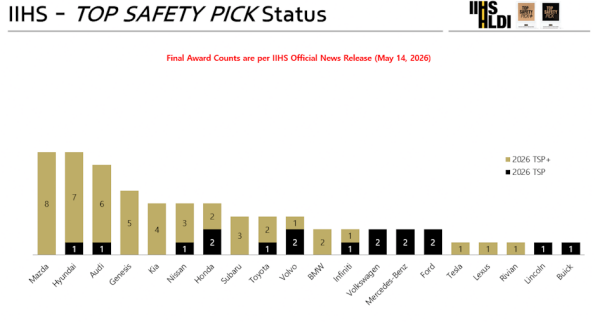
Top Marks: 2026 Hyundai Palisade Earns IIHS Top Safety Pick+ Under Tougher New Test Rules

Lamborghini few-offs: when a rarity turns into a passion

New Mexico Raises Vehicle Registration Fees 25 Percent to Fix Roads
Universal Technical Institute Celebrates 100th Graduating Class from Porsche’s Technology Apprentice Program