How Long Does Car Paint Last? Complete Timeline and Protection Guide
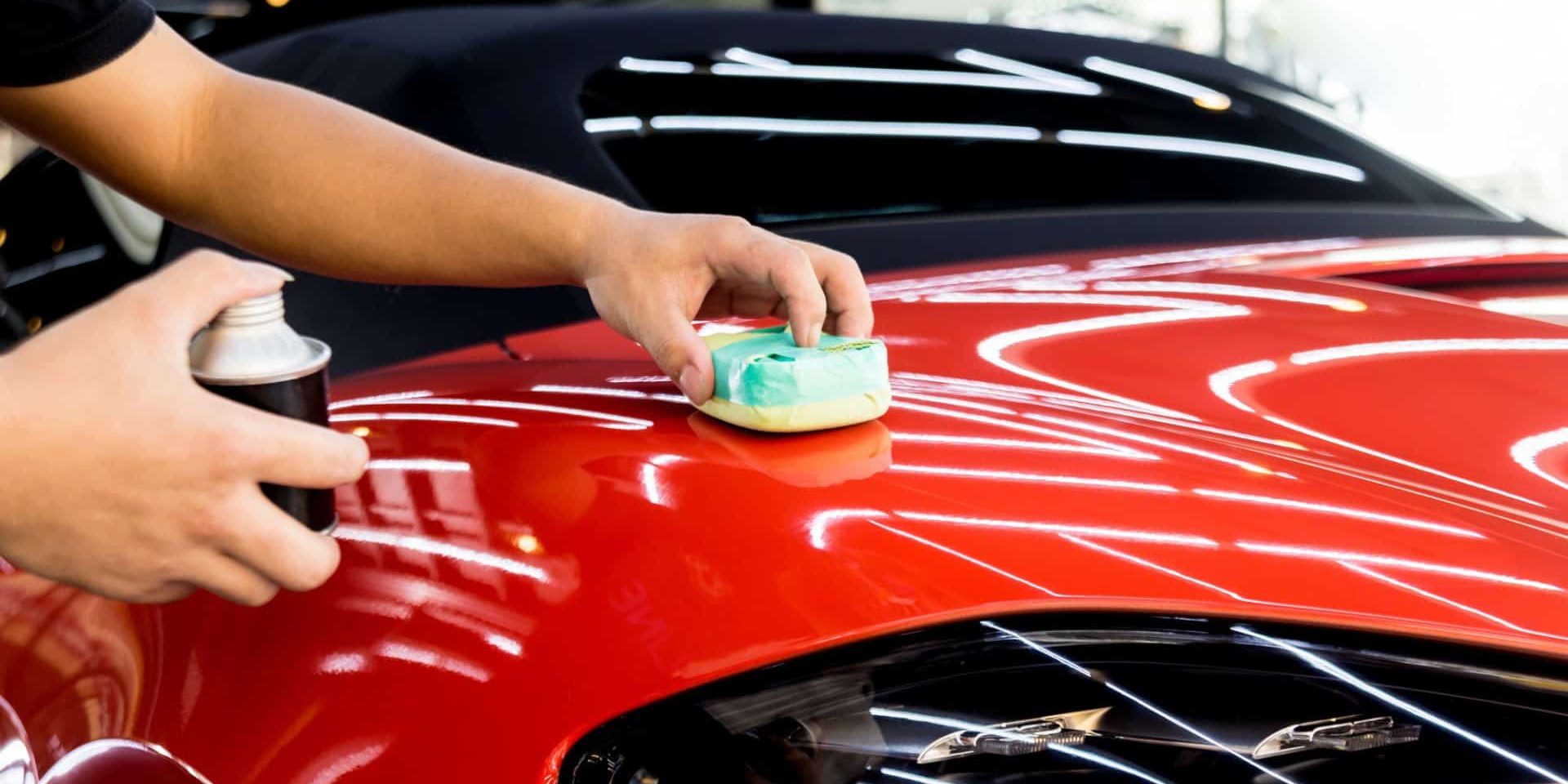
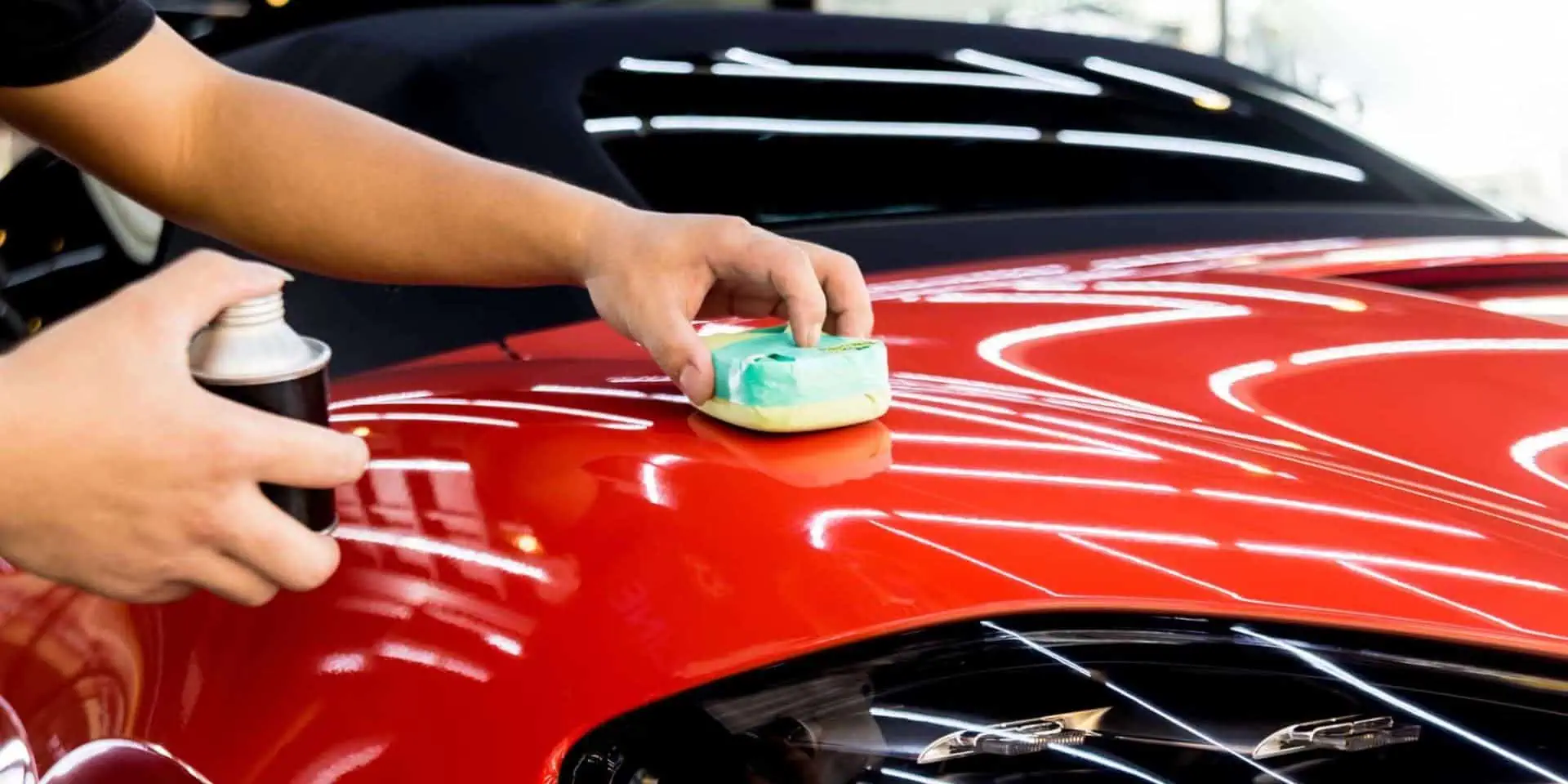
Factory paint on an unprotected car lasts 5 to 7 years before visible oxidation and fading begin. With regular washing and protective coatings, this extends to 10 to 15 years or longer. The clearcoat layer, typically 50 to 75 microns thick, bears the brunt of UV radiation and environmental damage. Climate, colour, and maintenance habits determine how quickly deterioration occurs. Darker colours fade faster than lighter shades, and cars in hot, sunny regions face paint failure two to three times sooner than vehicles in cooler climates.
Understanding the Multi-Layer Paint System
Most car owners believe paint is a single protective layer. In reality, your vehicle features a sophisticated multi-layer system. Each layer serves a distinct purpose, and understanding this structure explains why paint fails at different rates and how protection works.
The foundation starts with bare steel or aluminium. Directly against the metal sits an epoxy primer layer, typically 25 to 40 microns thick. This primer prevents rust and bonds subsequent layers to the body. Without a proper primer, rust creeps in immediately and compromises the entire paint system. Manufacturers apply primers in controlled environments to ensure complete coverage and adhesion.
Above the primer lies the basecoat, usually 25 to 50 microns thick. This layer contains the pigments that give your car its distinctive colour. Red basecoats differ significantly from white basecoats in terms of pigment composition and UV resistance. The basecoat protects the primer from direct UV exposure and oxidation. still, the basecoat alone cannot withstand the harsh outdoor environment. It requires the clearcoat layer above it for true protection.
The clearcoat is the critical barrier between your paint and the world. This transparent layer, typically 50 to 75 microns thick, absorbs all environmental punishment. UV rays, acid rain, bird droppings, tree sap, road salt, and industrial fallout all attack the clearcoat first. The clearcoat also provides the gloss and depth that makes paint look rich and fresh. When the clearcoat fails, your paint loses shine almost immediately. The basecoat then faces direct UV exposure, oxidizes rapidly, and fades within weeks.
This layered architecture explains why protective coatings matter so much. Wax, sealants, and ceramic coatings add extra barriers between the environment and these vulnerable layers. Each protective layer you apply extends the life of the clearcoat beneath it.
How Long Does Factory Paint Last Without Protection
Factory paint, also called original equipment manufacturer paint, is engineered with precision and durability in mind. Car manufacturers spend millions developing paint formulations that balance durability, colour accuracy, and application efficiency. Factory paint is applied in massive automated booths with climate control, precise spray pressure, and robotic consistency. Yet even this premium coating fails without protection.
Under normal conditions with zero protective coatings, most factory paint deteriorates noticeably within 5 to 7 years. The clearcoat begins thinning, and UV-induced oxidation becomes visible on horizontal surfaces like the bonnet and roof. The paint loses its deep gloss and starts appearing chalky or dull. Fading becomes most obvious on darker colours, where the shift from original shade becomes unmissable.
Quality varies significantly between manufacturers. German brands like BMW and Mercedes-Benz typically apply thicker clearcoat and more durable basecoat formulations, extending paint life to 8 to 10 years without protection. Japanese manufacturers, especially Honda and Toyota, earn strong reputations for hardy paint systems. Budget manufacturers sometimes apply thinner clearcoat to reduce production costs and time, reducing unprotected lifespan to 4 to 5 years.
The 5 to 7 year average masks the enormous variation caused by climate. A car garaged in a cool, cloudy region with minimal sun exposure might maintain acceptable paint condition for 8 to 10 years with zero protection. The same model parked outside year-round in hot, sunny regions deteriorates to unacceptable levels within 3 to 4 years. Storage methods influence outcomes dramatically. Cars kept in garages with stable temperature and humidity degrade much slower than vehicles parked outside experiencing constant temperature swings, rain, and UV exposure.
Regional climate differences are stark. UK cars benefit from moderate temperatures and lower UV intensity. Northern regions see even slower degradation. Australian vehicles, by contrast, face intense UV radiation year-round. Southern US states experience similar challenges. Middle Eastern cars in desert climates see paint failure at triple the rate of British vehicles stored outdoors.
What Actually Causes Car Paint to Deteriorate
Paint failure is not random. Specific environmental factors attack your car’s coating systematically. Understanding these enemies helps explain why protection is so crucial and which conditions accelerate deterioration most.
Ultraviolet radiation is the primary threat. UV rays penetrate the clearcoat and break the chemical bonds in the polymers that form the paint. This process, called photodegradation, causes oxidation. The paint surface develops a chalky, faded appearance, especially on horizontal panels. Vertical panels fade more slowly as they receive less direct UV exposure. The sun’s UV intensity varies dramatically with latitude. Northern Europe receives roughly 40% of the UV intensity of Australia. This explains why Australian cars need protection far sooner than equivalent British vehicles.
Acid rain attacks the clearcoat chemically. When rain falls through industrial or urban air, it absorbs pollutants and becomes slightly acidic. Industrial areas, cities, and regions downwind from factories experience worse acid rain than rural regions. This acidic moisture etches the clearcoat surface, creating microscopic pits. These pits accumulate, roughening the surface. The paint loses its reflective gloss and appears dull. Over months, etch damage becomes visible to the naked eye.
Organic contaminants cause surprising damage. Tree sap is acidic and sticky, bonding tenaciously to clearcoat and eating into it chemically. Bird droppings contain uric acid, far more aggressive than many people realize. Both contaminants cause visible etching within a week of contact. Industrial fallout from factories, construction sites, and busy roads sheds microscopic particles that bond to paint. Concrete overspray, brake dust, rail dust from trains, and metallic particles from grinding operations all attack the clearcoat. These invisible contaminants sit on the surface, oxidizing slowly. Left unaddressed, they eat into the protective layer.
Road salt is devastating in cold climates. Northern UK roads, Scandinavia, Canada, and the northern USA experience heavy salt applications during winter. Salt accelerates rust formation under the basecoat and primer, working from within. It also degrades the clearcoat faster. Cars in salt-exposed regions see paint failure two to three times faster than vehicles in salt-free areas. This is why washing salt off properly in winter is critical for paint longevity in these regions.
Hard water spotting indicates clearcoat failure. Minerals in tap water or rainwater concentrate on the surface, leaving permanent deposits. These water spots are cosmetic but reveal that the clearcoat is already losing its protective properties. Left to sit, these deposits can etch into the clearcoat.
Temperature cycling is relentless and continuous. Paint expands in heat and contracts in cold. Daily temperature swings cause stress on the paint layers. Over seasons and years, this expansion and contraction creates micro-cracks in the clearcoat. These cracks allow moisture to penetrate, leading to delamination where the clearcoat peels away from the basecoat beneath it. Regions experiencing dramatic seasonal temperature changes suffer accelerated delamination.
UV Radiation: The Number One Paint Killer
If you understand only one factor behind paint failure, understand UV radiation. It is paint’s worst enemy and the primary reason unprotected paint deteriorates faster than any other environmental factor. UV rays are invisible and odourless, yet they cause more damage than all other environmental factors combined.
UV rays penetrate the clearcoat and break chemical bonds in paint polymers through photodegradation. Once this process starts, the paint cannot repair itself. The damage is permanent. Darker colours absorb more UV energy than lighter colours, which is why black paint shows obvious fading within 4 to 5 years without protection. White and silver cars in identical conditions show acceptable appearance for 6 to 8 years. Silver effectively hides fading even when significant oxidation is present.
UV intensity varies dramatically with latitude, time of year, and time of day. The sun angle affects UV strength significantly. Cars in Australia, southern USA, and the Middle East receive UV levels three to four times higher than cars in Scandinavia or northern Canada. This explains the stark difference in paint deterioration rates between regions. Reflective surfaces amplify UV damage dangerously. Parking under light-coloured structures, on light sand, or on snow bounces additional UV radiation back onto your vehicle. In one study, cars parked on light-coloured gravel experienced 40% faster paint oxidation than cars on dark surfaces.
The clearcoat is your only defence against UV. Once it fails completely, the basecoat takes direct UV exposure. The basecoat is not engineered to resist UV alone. It oxidizes rapidly. Within weeks of complete clearcoat failure, your basecoat starts turning chalky and fading noticeably.
This is why professional detailers prioritize UV protection. A clear protective layer between your paint and the sun makes an enormous difference. Companies like Gtechniq and Ceramic Pro have built entire product lines around providing superior UV barriers through advanced ceramic formulations. PPG Industries, a major automotive paint supplier, engineered their clearcoat formulations to work best when combined with protective coatings.
The Role of Maintenance in Paint Longevity
Regular washing removes contaminants before they cause permanent damage. A single contaminated wash every two weeks removes dirt, acid rain residue, and fallout. The timing of washing matters more than the frequency. Washing a car exposed to acid rain for three weeks prevents far more damage than washing a car exposed for three months. Every week of contaminant exposure accelerates etching. Early removal prevents permanent damage.
The washing method is critical. Contact wash with a soft microfibre wash mitt is superior to automatic car washes. Automatic washes use hard brushes and recycled water full of abrasive particles. These brushes scratch clearcoat. Over years, automatic washes remove 10 to 20 microns of clearcoat through micro-scratching alone. This is equivalent to losing years of protective clearcoat thickness. Touchless car washes avoid brush damage but use aggressive chemicals. Some acidic formulations can etch clearcoat similarly to acid rain. Hand washing with proper two-bucket technique remains the safest method for paint preservation.
Drying technique prevents water spotting. Wet paint left to air dry develops hard water spots as minerals concentrate on the surface. Using a microfibre drying towel removes excess water safely. Better still, use compressed air or a leaf blower to push water off before towelling. This prevents mineral concentration entirely.
Professional detailers use clay bars to remove bonded contaminants safely. Clay bars cost 10 to 20 pounds and work miracles on etched paint. They pull embedded particles from the clearcoat without scratching it. Most enthusiasts benefit from using a clay bar twice yearly, especially in industrial or salty regions.
Wax: The Traditional Protection Method
Wax is a traditional protection method that genuinely works when applied properly. A quality carnauba wax or synthetic wax creates a barrier between the atmosphere and your clearcoat. This barrier absorbs minor scratches, UV exposure, and chemical damage instead of your paint. Wax is sacrificial; it degrades to protect what lies beneath.
The lifespan of wax depends on the product type and conditions. Premium carnauba wax lasts 8 to 12 weeks before reapplication is needed. Synthetic waxes last longer, sometimes 4 to 6 months. During its lifespan, wax reduces UV penetration, prevents water spotting, and makes the paint easier to clean. Water beads on waxed paint rather than pooling, reducing water spotting risk.
Studies show properly waxed cars maintain significantly better paint condition than unwaxed cars over five years. The difference becomes especially pronounced after year three, where waxed cars show visibly less fading and oxidation. Paint that received regular waxing throughout this period shows minimal colour shift on horizontal panels.
The disadvantage is labour and consistency. Waxing must be done correctly, with even application and proper buffing. Many car owners don’t wax frequently enough. Wax that’s worn thin provides minimal protection. Wax also doesn’t bond chemically to the clearcoat; it sits on top and washes away gradually with each car wash. For busy car owners, paint sealants and ceramic coatings offer longer-lasting alternatives with less frequent reapplication.
Paint Sealants: The Middle-Ground Protection
Paint sealants occupy the middle ground between wax and ceramic coatings. These are synthetic polymers that chemically bond to your clearcoat. Unlike wax, which sits on top of the paint, sealants form a covalent bond with the clearcoat surface. This chemical adhesion makes them far more durable.
Sealants typically last 6 to 12 months, roughly double the duration of wax. This extended lifespan reduces the labour burden significantly. Applying sealant twice yearly costs less in time and money than waxing the same vehicle four times yearly. Sealants provide better durability against heat, chemicals, and mechanical abrasion than wax. They’re harder than wax, so they resist scratching during washing better.
The application process for sealants is similar to wax, taking 2 to 4 hours for a complete vehicle. Quality sealants cost 30 to 80 pounds. The protection delivered is noticeably better than wax. A car receiving annual sealant applications maintains better paint condition than the same car waxed quarterly. Most enthusiasts rate sealants as representing the best value in paint protection.
Professional sealants from brands like Autoglym and Meguiar’s have become industry standards. Autoglym’s sealants are engineered specifically for British climates, with formulations that resist salt and moisture. Meguiar’s offers sealants with advanced UV blockers. These products outperform budget alternatives significantly.
Ceramic Coatings: The Premium Protection Option
Ceramic coatings represent the premium tier of paint protection. These are liquid polymers that cure on your paint, forming a hard crystalline layer. Unlike wax or sealant, ceramic coatings cure chemically and become part of the paint system. Professional ceramic coatings last 2 to 5 years between applications. Some premium formulations claim up to 10 years, though this is optimistic for most cars in real-world conditions.
Ceramic coatings provide exceptional protection from UV, chemicals, and scratches. They make washing easier as dirt doesn’t bond as readily to the slick surface. Water beads dramatically on ceramic-coated paint and rolls off completely. They add significant depth and gloss to the paint finish. Cars coated with professional ceramic look dramatically glossier than waxed or sealed cars.
The downside is cost and application expertise. Professional ceramic coating application costs 800 to 2,500 pounds depending on the product and your car’s size. Some enthusiasts apply ceramic coatings themselves, but proper preparation requires professional-grade equipment and knowledge. The paint must be perfectly clean and free of any contaminants. Surface preparation often takes longer than the coating application itself. DIY ceramic coatings typically don’t last as long as professional applications as proper curing conditions are difficult to maintain.
Leading ceramic coating manufacturers like Ceramic Pro and Gtechniq have developed formulations with enhanced durability. Ceramic Pro coatings bond to the clearcoat at a molecular level. Gtechniq products are nano-technology based, creating an even harder surface. Both brands justify their premium pricing through superior longevity and protection.
For cars in harsh climates or with frequent sun exposure, ceramic coatings justify the cost. For average British cars with moderate sun exposure, a quality sealant reapplied annually provides sufficient protection at a fraction of the cost. Ceramic coatings work best as a long-term investment for owners keeping their cars for five years or longer.
What Happens When You Respray a Panel or the Entire Car
Sometimes paint is damaged beyond repair and requires respraying. An accident, severe rusting, or years of neglect might necessitate professional respray work. When done properly, respray paint can last as long as factory paint. When done poorly, it fails much faster than you’d expect.
A professional respray involves stripping the damaged paint entirely, repairing any underlying rust or damage to the body, applying fresh primer, basecoat, and clearcoat in controlled conditions. The entire process takes 5 to 7 days minimum. Quality respray work costs 2,000 to 8,000 pounds depending on your car’s size and damage extent. Budget respray shops cost less but deliver inferior results that fail sooner.
Respray paint formulations are often similar to factory paint, but the application process differs. Factory paint is applied in massive automated booths with perfect environmental controls and robotic consistency. Respray shops use standard spray booths, which provide good conditions but cannot match factory precision. Temperature, humidity, and air pressure all affect paint curing. Professional shops maintain these variables carefully. Budget shops sometimes spray in less-than-ideal conditions, leading to premature failure.
A properly applied respray should last 7 to 10 years without protection. Some high-quality respray work lasts 10 to 15 years. The difference comes down to the shop’s skill, equipment quality, and paint brand chosen. Budget respray work from quick-fix shops might deteriorate within 3 to 4 years, barely lasting longer than the damaged original paint.
The clearcoat thickness on respray is critical and determines longevity. Factory paint often has 80 to 100 microns of clearcoat. Budget respray shops apply 40 to 60 microns to save time and materials. Thinner clearcoat means faster deterioration. Premium shops apply 70 to 90 microns, matching factory specifications. Ask your respray shop about their clearcoat thickness before committing. Reputable shops provide this information willingly.
Always get multiple quotes before respraying. Ask each shop about their clearcoat thickness, paint brands used, and warranty terms. Reputable shops offer 2 to 5 year paint warranties. Avoid shops offering lifetime warranties as these are unrealistic and often undefendable. After respray, your paint is essentially new but more vulnerable for the first 30 days while it cures completely. Wait at least a month before applying wax or sealant. During curing, wash gently by hand only, using minimal pressure.
Recognizing the Early Signs of Paint Failure
Paint failure doesn’t happen overnight. It progresses through visible stages. Catching failure early allows you to address the problem before it spreads and becomes expensive to repair. Learning what to look for saves money and keeps your car looking fresh.
Fading is the first sign. Colours become duller and less vibrant. Horizontal surfaces like the bonnet and roof fade first as they get constant sun exposure. Faded paint isn’t damaged structurally yet, but it indicates the clearcoat is thinning and UV damage is progressing. Applying protection at this stage can arrest the problem entirely.
Oxidation appears next. The paint surface develops a chalky, dull appearance, especially visible when wet. You can test for oxidation by rubbing a microfibre cloth on the surface with moderate pressure. If white residue comes off, oxidation is underway. This indicates clearcoat failure has begun. The clearcoat is losing its polymers to UV degradation.
Water spotting is a warning sign that the clearcoat is failing. Hard water or rainwater deposits leave rings on the paint. These spots indicate the clearcoat is no longer repelling water effectively. Light etching has started. Regular protection can prevent this from becoming permanent damage. Water spotting is reversible if caught early.
Clear coat peeling is serious and indicates advanced failure. You’ll notice areas where the clearcoat lifts away from the basecoat, usually starting around panel gaps and edges. Once peeling begins, it spreads rapidly. The exposed basecoat oxidizes within days to weeks. Panel respraying becomes necessary. This represents structural paint failure, not merely cosmetic issues.
Paint cracking appears as fine lines, typically around edges and panel seams. This comes from temperature cycling and moisture penetration. Cracks allow moisture to reach the primer and basecoat, causing rust from underneath. Cracks are often the precursor to rust spots.
Rust spots are the most serious sign. Brown spots or orange staining indicate rust has broken through to the metal. This requires immediate attention. The longer rust sits, the deeper it travels into the body. Small rust spots can become serious structural damage if left unchecked. Rust spreads in both directions, expanding outward and eating deeper into the metal.
Colour mismatch after minor damage repair is another indicator of problems. If your car was recently repaired and the new paint doesn’t match perfectly, this suggests improper paint preparation or incompatible paint was used. Pay attention to panels that seem to fade at different rates. This usually means respray paint is lower quality than factory paint and will fail sooner.
Extending Your Car’s Paint Life Without Expensive Solutions
Professional ceramic coatings are excellent, but they’re expensive. You don’t need to spend thousands to keep your paint in good condition. Smart maintenance habits cost far less and deliver impressive results over years.
Wash regularly. This single action prevents more damage than anything else. Wash your car every two weeks in normal conditions, weekly if you’re in a harsh climate with salt or industrial fallout. Use proper hand-washing technique with a microfibre mitt and two-bucket method. This removes contaminants before they etch your paint permanently. Regular washing extends paint life by years.
Dry your car after washing to prevent water spotting. Wet paint left to air dry develops mineral spots. Use a microfibre drying towel to remove excess water. Better still, use a leaf blower or compressed air to push water off the car before towelling. This is especially important in hard water areas.
Apply wax or sealant consistently. A quality sealant costs 50 to 80 pounds and lasts 6 to 12 months. Applying it twice yearly costs less than 200 pounds annually and significantly extends your paint’s life. This is arguably the best value investment in paint protection. The cost is minimal compared to the paint longevity gains.
Park in shade whenever possible. Shade dramatically slows UV degradation. A car parked in a garage ages slower than an identical car parked outside. If you don’t have a garage, use a car cover. Quality car covers cost 100 to 300 pounds and provide excellent UV protection without the hassle of frequent reapplication like wax. A good cover is a one-time investment that protects for years.
Remove tree sap and bird droppings immediately. Don’t wait days or weeks. Remove these contaminants within hours of discovery. The longer they sit, the deeper they etch into the clearcoat. Once deep etching occurs, the damage is permanent. Quick removal saves paint.
Avoid automatic car washes entirely. The hard brushes and recycled water in automatic washes cause micro-scratching that accumulates over time. Hand washing takes longer but causes no damage. Touchless washes are acceptable if you must use automated washing, though hand washing remains superior.
Use a paint protection film on high-impact areas. Stone chips are common on the bonnet and bumper from road debris. Paint protection film prevents these chips from reaching the clearcoat entirely. Professional installation costs 500 to 1,500 pounds for full-front protection. It’s expensive upfront but prevents expensive panel respraying later.
Buff out light scratches with cutting compound before rust starts. Light scratches that haven’t reached the basecoat can be safely buffed out with fine-grit abrasive compounds. This takes 10 to 15 minutes per panel and costs nothing if you do it yourself. It prevents rust starting at the scratch site.
Address rust spots immediately. Don’t ignore small rust marks or stains. Use a wire brush to remove loose rust, then apply touch-up paint and clear coat. Catching rust early prevents it spreading into expensive structural damage. A 5-pound rust repair can become a 5,000-pound body panel replacement if left untreated.
BASF Coatings and PPG Industries, two of the world’s largest automotive paint suppliers, both emphasize that regular maintenance beats expensive repair. Their technical guides stress that consistent washing and protective coating application prevents 80% of paint deterioration problems.
Understanding What Most People Get Wrong About Paint Protection
Many car owners make fundamental mistakes that accelerate paint failure. Understanding common misconceptions helps you avoid costly errors.
Most people believe paint protection is optional. In reality, unprotected paint deteriorates so quickly that protection pays for itself in extended lifespan within 2 to 3 years. Spending 100 to 200 pounds yearly on wax or sealant prevents 2,000 to 8,000 pounds in respray costs later. Paint protection is not a luxury; it’s preventive maintenance.
Many car owners believe washing is enough. Washing removes contaminants but provides no UV barrier. The clearcoat still oxidizes from UV exposure even on freshly washed paint. Washing plus protection is the correct formula. One without the other provides incomplete protection.
People often assume ceramic coatings last forever. They don’t. Professional ceramic coatings last 2 to 5 years for most people, not 10 years. Even the best coatings degrade from UV exposure and chemical attack. Ceramic coatings are long-lasting relative to wax but still require reapplication eventually. Manufacturers making 10-year claims often define protection as “still offering measurable benefits” rather than “full protection.”
Many believe dark colours are fine with just regular washing. Dark colours fade three to four times faster than light colours when unprotected. Owners of black cars should expect to see obvious colour shift within 4 to 5 years without protection. Light-coloured cars can go 6 to 8 years. Colour selection has enormous impact on maintenance requirements.
People often think respray paint is as durable as factory paint. Budget respray work often fails in 3 to 4 years. Even quality respray work requires protection sooner than factory paint. Respray paint is thinner than factory paint and faces damage during application. Professional respray deserves immediate protection to extend its life.
Climate-Specific Guidance for UK and US Owners
UK cars face specific challenges. British weather brings frequent rain, moderate UV intensity, and occasional road salt in winter months. UK owners should wash their cars every two weeks and reapply sealant twice yearly. UK climates are mild enough that ceramic coatings provide less dramatic benefits than in hotter regions, but sealants deliver strong value.
Northern UK owners in Scotland, Northern England, and Wales benefit from lower UV intensity. Paint deterioration is slower in these regions. still, winter salt exposure accelerates rust and clearcoat degradation. Winter salt wash routines are essential for maintaining paint and preventing rust.
Southern UK owners, especially in the Midlands and South, experience higher UV intensity. Summer sun causes faster fading, especially on dark colours. These owners should prioritize UV protection through sealants or ceramic coatings.
US owners face varied challenges depending on location. Southern US states in Florida, Texas, and California experience intense heat and UV. Cars in these regions benefit significantly from ceramic coatings. Professional ceramic coating pays for itself through extended paint lifespan.
Northern US states in Minnesota, Wisconsin, and the Northeast face harsh salt exposure and temperature cycling. Paint deteriorates quickly from both salt and freeze-thaw stress. These owners should wash cars weekly in winter and apply protective coatings twice yearly minimum. Proper salt removal is critical.
Pacific Northwest owners experience moderate temperatures and lower UV intensity. Paint protection needs are less severe than in other US regions. Annual sealant application provides adequate protection.
Desert Southwest owners in Arizona and Nevada face extreme heat and intense UV. Cars in these regions see paint failure faster than anywhere else. Ceramic coating is a strong investment for these owners. Some enthusiasts apply ceramic coating to new cars immediately before they drive home.
The Complete Paint Maintenance Timeline
Understanding what to do and when to do it keeps paint in optimal condition. This timeline applies to cars in typical British climates. Adjust frequency for your specific climate.
New car: Apply protection within 30 days of purchase. Don’t drive an unprotected new car for months. Apply sealant or ceramic coating immediately. This establishes protection before UV damage begins.
First 6 months: Wash every two weeks. Avoid automatic washes. Hand wash only. The new paint is more vulnerable during this period as the clearcoat cures completely.
6 to 12 months: First sealant reapplication. Check water beading to determine if wax has worn away. If water beads, protection is still active. If water sheets flat, reapplication is needed.
Year 2: Wash every two weeks. Apply sealant twice yearly. Watch for fading on horizontal surfaces. If fading appears, increase protection frequency to sealant every 4 months.
Year 3 to 5: Continue biweekly washing and twice-yearly sealant. Inspect for water spotting and light oxidation. Apply car paint maintenance tips consistently.
Year 5 and beyond: Consider ceramic coating if paint shows signs of aging. Ceramic coating extends lifespan significantly for aged paint. Or continue sealant applications indefinitely. Paint can remain in excellent condition with consistent sealant protection for 10 to 15 years or longer.
Car Paint FAQs
How often should I wax my car?
Wax typically lasts 2 to 6 months depending on weather conditions and washing frequency. Cars in harsh climates or driven frequently need waxing every 2 to 3 months. Cars in mild climates or driven less often can go 4 to 6 months between applications. Watch for water not beading on the surface as a sign that wax has worn away and reapplication is needed. Test water beading by sprinkling water on the paint from a spray bottle.
Can clear coat be repaired without full respraying?
Minor clear coat damage can be polished out if it hasn’t reached the basecoat. Professional detailers use fine abrasive compounds to carefully remove scratched clear coat, exposing fresh clear coat beneath. This works for light swirls and scratches but not for deep gouges or peeling. Deep damage requires spot respraying of the affected panel. A skilled detailer can assess whether damage is repairable or requires respray.
Is ceramic coating worth the money?
Ceramic coating justifies the cost if your car experiences harsh conditions or high sun exposure. Cars in Australia or southern climates benefit significantly from ceramic protection. Cars in moderate British climates with regular sealant protection get nearly equal benefits from annual sealant application at a fraction of the cost. Consider ceramic coating as a premium option, not a necessity, unless your specific circumstances warrant the investment. Calculate the cost difference between ceramic coating and five years of sealant applications before deciding.
Does paint colour affect how long it lasts?
Yes, darker colours fade faster than lighter colours. Black paint shows obvious fading within 4 to 5 years without protection. Silver and white hide fading better, often remaining acceptable for 6 to 8 years without protection. Dark blue, red, and green fade moderately fast. If you live in a sun-heavy climate and want paint that weathers well, choose silver, white, or light grey. Dark colours require more aggressive protection to maintain appearance.
What is the difference between water spotting and etching?
Water spotting is reversible. Mineral deposits from water leave spots that can be safely removed with proper detailing. Etching is permanent damage to the clear coat caused by acidic substances like tree sap, bird droppings, or acid rain. Etching creates permanent pits in the surface. You can remove water spots with a clay bar or detailing spray. Etching requires polishing or respraying to eliminate. Prevention through quick removal of acidic contaminants is far better than dealing with etching later.
Sources

Leave a Comment
More in News

How Long Does a Serpentine Belt Last? (5 Warning Signs It’s Failing)

Lamborghini Temerario GT3: Giving Adrenaline a Racing Shape

76% of Car Buyers Say the Luxury Badge Isn’t Worth the Markup. Are They Right?

Is the Toyota Land Cruiser Worth the Price? What Buyers Need to Know for 2027
Car Prices Are About to Spike: Up to $8,900 More Per Vehicle (2026 Tariff Explained)
Trending on Motoring Chronicle

What does Skoda VRS stand for?

Latest Corvette concept car is inspired by Southern California [Photo Gallery]

How long does a car alignment take?

Genesis and Genesis Inspiration Foundation support steam education in Las Vegas