
Every One of These Ten New Cars Loses at Least 69 Percent in Three Years

- Nine electric cars and the Audi A8 lose between 69 and almost 73 percent of their list price over three years and 36,000 miles, an Auto Express analysis of CDL Vehicle Information Services data shows.
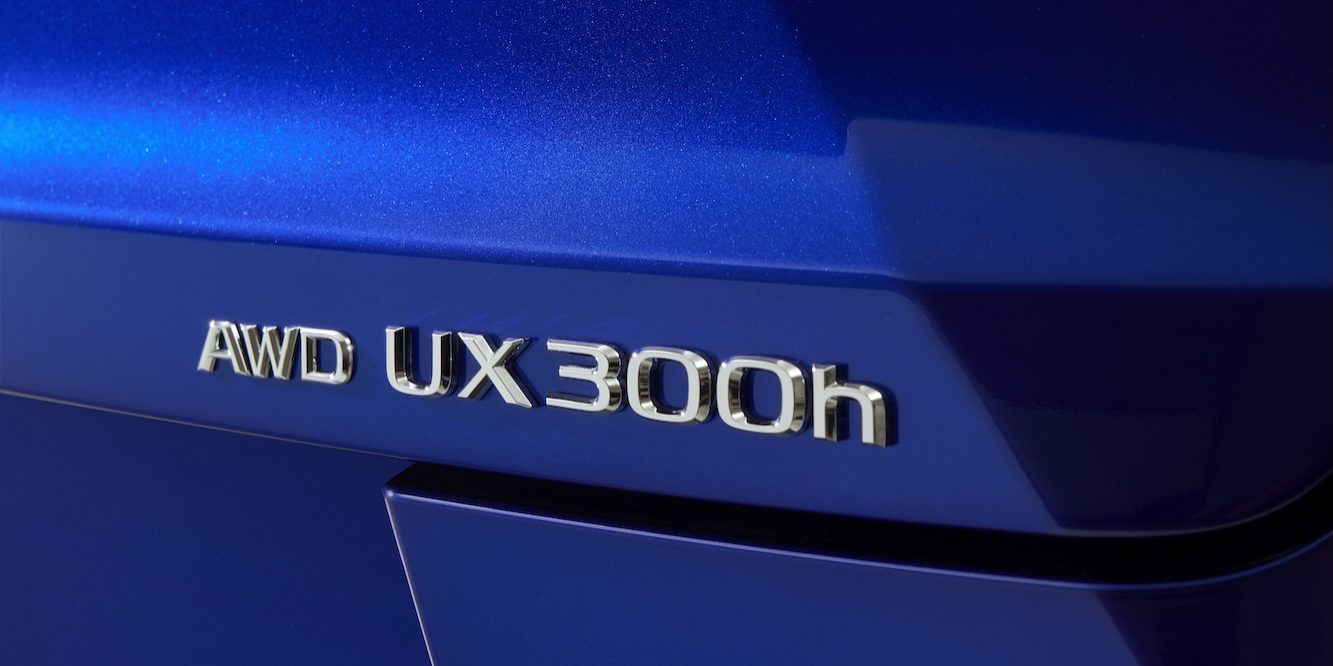
- The Lexus UX 300e heads the list at £51,145 new and £13,950 in part exchange, a loss of £37,195 or about £1,033 a month.
- Drivers cut the damage by checking part-exchange values before signing, bargaining down the price or buying the same car at three years old.
A £51,145 Lexus Is Worth £13,950 After Three Years and 36,000 Miles
Buy a new Lexus UX 300e at the average price of £51,145 and drive it 36,000 miles in three years, and CDL Vehicle Information Services data puts its average part-exchange value at £13,950. That is 27.28 percent of the list price retained and £37,195 gone. Spread over 36 months, the loss comes to £1,033 a month, or about £1.03 for every mile on the clock.
The Lexus tops a ranking of new cars that sit at the bottom of the retained value table. The ten worst lose between 69 and almost 73 percent of their price. Across the whole market, the average vehicle loses 45 percent by its third birthday, so these cars shed far more than a typical purchase. Had the Lexus followed that average, it would be worth £28,130 instead of £13,950, a gap of about £14,180.
Depreciation is the difference between what you pay on the road and what the next owner pays you. Steve Walker from the magazine behind the analysis calls it “one of the biggest costs of running a car”. It beats fuel, tax and insurance put together. Most of the damage lands in the first year, and the pace eases after years three to five.
Steve Walker also points out that the loss does not track the price tag alone, as cheap cars sit in the list too. The Fiat 500e, which starts from £20,995 new, is the clearest case.
The Other Nine Cars That Lose the Most
The Citroen e-C4 follows the Lexus. Its average new price of £32,895 falls to £9,125 after three years, a 72.3 percent loss worth £23,770. The Vauxhall Astra Electric goes from £37,250 to £10,425, a loss of £26,825 or 72.0 percent, and the Vauxhall Corsa Electric from £32,635 to £9,275, down £23,360 or 71.6 percent.
The Audi A8 is the one model in the ten that is not fully electric. It drops from £103,620 to £30,325, which is £73,295 or 70.7 percent. The Subaru Solterra averages £52,495 new and £15,575 in part exchange, a fall of £36,920 or 70.3 percent. The Fiat 500e loses £19,560 (69.8 percent) as £28,035 becomes £8,475.
At the top of the price range, the Audi e-tron GT loses £74,725 as £107,875 turns into £33,150, a 69.3 percent drop. The Mercedes EQS goes from £104,540 to £32,375 and loses £72,165. The Mercedes EQE completes the ten with a fall from £86,615 to £26,850, a loss of £59,765, and both Mercedes models lose 69.0 percent.
The next ten are not far behind. Positions 11 to 20 keep between 31.11 and 35.46 percent of their value: the Peugeot 408, Porsche Taycan, BMW i5, Citroen Berlingo, Ford Mustang Mach-E, Vauxhall Mokka Electric, BMW i7, Mercedes-Maybach S-Class, Mercedes-Maybach SL-Class and, at 35.46 percent, the Genesis GV60. Fifteen of the 20 are electric.
Why These Cars Fall So Fast
Supply and discounting drive the numbers. “With more choice, falling prices and heavy discounting in the new car market, some models are losing value particularly quickly,” Steve Walker says, and he adds: “That’s bad news for new buyers, but a potential opportunity for used-car shoppers to pick up a bargain.”
The ZEV Mandate sits behind much of the discounting. Manufacturers are legally required to sell a rising share of fully electric cars each year, so brands cut prices and offer deals to hit the targets. The government’s Electric Car Grant adds to that on cheaper models, and every discounted new car puts pressure on the value of older ones down the line. Rapid technology change makes some older models feel dated quickly.
The pattern shows up in the individual cars. Vauxhall and Fiat cut prices on the Corsa Electric and 500e, and the facelifted Astra now costs about the same in electric, hybrid and plug-in hybrid form. Early buyers who paid the old premium own the cars that now fall hardest. The Citroen e-C4 started with a large premium over the petrol version, and the price cuts that followed did little for its resale value.
Brand strength explains the rest. The Subaru Solterra shares most of its design with the Toyota bZ4X, a car that keeps 40.77 percent of its value over the same period. Subaru has a small UK footprint, and its dealers often sit in rural spots, while Toyota runs over three times the number of sites. Big German luxury saloons such as the A8 have always lost value quickly, with owners keen to trade into a new model after a few years and used buyers wary of fuel and maintenance bills.
Even a reliable badge offers no protection. “It’s unusual to see a Lexus among the fastest-depreciating cars, as the brand’s reputation for reliability and quality, combined with relatively limited supply, usually helps its models hold their value. But even Lexus hasn’t escaped the depreciation hitting many electric cars.” The Lexus figures cover the UX 300e in top Takumi trim.
What the Loss Costs Each Month
The table uses list prices, so the real bill depends on the deal you struck. The figures are averages for three years and 36,000 miles, and a heavy dealer discount shrinks the real loss. The loss also only becomes real when the car is sold, which is why holding it longer takes the sting out.
Still, the monthly cost of owning one of these cars is large. The Fiat 500e loses about £543 a month in list price terms, the Corsa Electric £649 and the Audi e-tron GT £2,076.
That is the number to set against any monthly payment on a car from this list. Cash or finance, the gap between what you pay and what the car fetches at three years is the cost of owning it. If you sign a finance agreement, ask the dealer what value it assumes for the car at the end and compare that with the part-exchange values listed here for similar cars. A figure far above £9,275 for a Corsa Electric at three years is a forecast, so ask who carries the risk if the car turns out to be worth less.
Can You Avoid It?
You can cut the loss, and four moves do most of the work.
First, pick a slower depreciator. A strong performer loses less than half its value over three years and 36,000 miles, and the slowest are still worth 60 to 70 percent of the price paid. A weak performer can lose 50 to 60 percent over the same period, so the gap between a good choice and a bad one on a £50,000 car runs to many thousands of pounds.
Second, negotiate. Dealers are discounting heavily, and the difference between the list price and what you pay reduces the real loss. Our report on how far new car buyers can haggle dealers down shows where the room is.
Third, look at lower trim levels. The analysts behind the list say top-spec versions generally shed the most, and the Takumi Lexus is their example.
Fourth, buy the car at three years old instead. The analysis puts a three-year-old Astra Electric at a little over £10,000 and a three-year-old Fiat 500e at about £8,500, against £28,035 new. The Mercedes EQE falls to about £27,000. These are part-exchange values, what a dealer pays for the car, so a forecourt price will sit above them. Even so, the first owner has taken the biggest hit.
Keeping the car longer also helps, and the loss slows in later years.
What Happens Next
Used electric prices have started to move. Solera CAP HPI data shows the average trade value of a three-year-old MINI Cooper Electric with 30,000 miles rising 28.3 percent in six months, from £9,905 to £12,710, an increase of £2,805. The Tesla Model 3 and Polestar 2 each rose 20.9 percent. Rising petrol and diesel prices are sending buyers to used electric cars, and our earlier report on used electric car values shows how far the rebound went.
Chris Plumb, head of valuations at Solera CAP HPI, says: “What we’re really seeing is a recovery from previously depressed positions rather than a market running away with itself. In many cases these vehicles still represent excellent value for money and are becoming increasingly attractive to used car buyers as confidence in EVs continues to improve.”
He adds: “It’s important to look beyond the percentages. Even after those increases, many of these vehicles remain relatively affordable. The MINI Electric is now around £12,700, the Peugeot E-208 sits at around £11,300 and the MG4 just over £13,000.”
The rebound has reached one car on this list. The three-year-old Subaru Solterra, with 30,000 miles, gained 19.3 percent in the same six months, from £13,350 to £15,925. Plumb’s reading is a recovery, not a runaway market, but it does show the cheapest point for some used electric cars has probably passed. The government also plans a mileage-based electric vehicle tax (eVED) for electric and plug-in hybrid cars from April 2028, with legislation still to come, and that is one more cost to price in whichever way you buy. Resale data is not new either: our earlier look at Cap HPI resale data shows the same slide on other models.
Want more car content? Add us as a preferred source on Google to your favourites list for the best automotive news and analysis on the internet.
If you enjoyed this article, be sure to follow us on Microsoft Start.
Sources
- Auto Express: The 10 fastest depreciating cars in the UK
- Auto Express: Used electric car prices bounce by up to 28% as fuel costs surge
- This is Money: Ten fastest depreciating new cars revealed
Reviewed by Preetam Gadekar

Leave a Comment
More in News

Diesel Costs $6.26 a Gallon as Refiners Cut Gasoline Yield Below 45 Percent
Typical Car Loan Interest Hits $10,100 on New Vehicles and $10,900 on Used
Florida Issues 4 Stop-Sale Orders Over Water in Gas After Flooding

Colorado Drivers Face $100 Fine on I-70 If Tires Fail Traction Law

AAA Test Finds Public EV Charging Costs $86 More Than a Hybrid in Cold
Trending on Motoring Chronicle

Audi Q7 Priced From £81,665 With Three Distinct Trims and Seven Seats

Subaru Recalls 541,000 Ascent, Forester and Crosstrek SUVs Over a Mislabeled Weight Rating

The Financial Ombudsman Expects 60,000 Car Finance Complaints This Year

Hagerty Festival of the Unexceptional 2026: The Europeans
