SA Police Drop 8,383 Mobile Speed Camera Fines, but 70,184 Paid Ones Stand
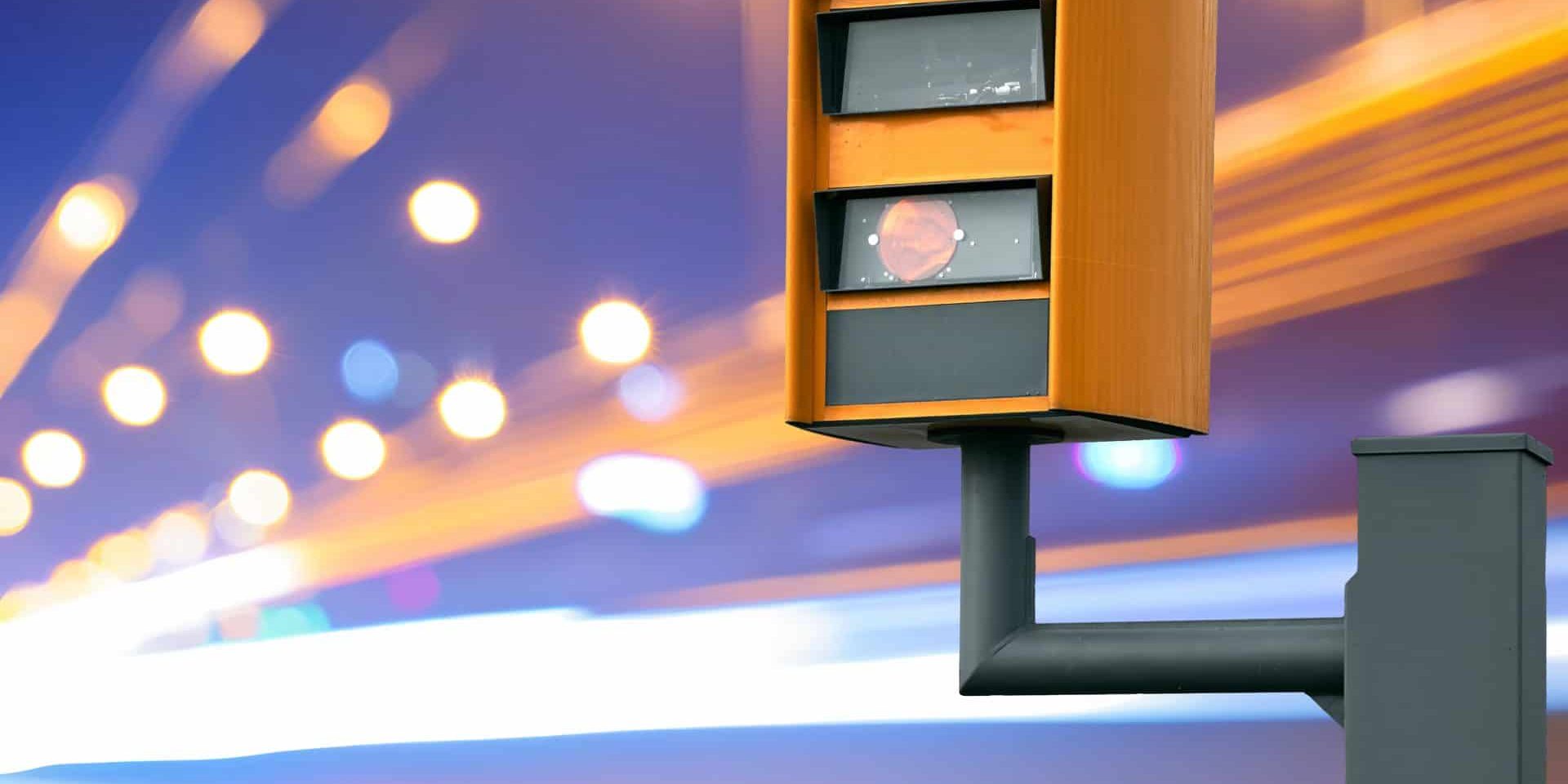

- SA Police is withdrawing 8,383 unpaid mobile speed camera expiation notices issued in South Australia between 6 November 2025 and 29 October 2026, worth about $4.7 million.
- Another 70,184 mobile camera fines from the same period were already paid, and SA Police says that money will not be refunded.
- Fines from fixed cameras, point-to-point cameras, hand-held devices and police officers still stand, and drivers with a withdrawn notice will hear from SA Police from the week of 30 November.
A Camera Test Done at the Wrong Moment Has Wiped $4.7 Million in Fines
If you hold an unpaid South Australian mobile speed camera fine issued between 6 November 2025 and 29 October 2026, SA Police is cancelling it. Acting Assistant Commissioner Scott Fitzgerald announced on Friday 27 November that 8,383 expiation notices will be withdrawn, along with 13 cases already before the courts. He put their combined value in the “vicinity of $4.7 million”, which works out at about $560 a notice on average.
The withdrawals are set to be completed across the weekend of 28 and 29 November, and SA Police will start notifying the drivers involved from the following week. Drivers who paid get nothing back. SA Police says 70,184 notices from the same mobile cameras over the same months had already been settled, and none of those payments will be refunded.
The trigger was a non-compliance issue raised in court in October. Fitzgerald said the problem sits in the checks run on each mobile camera when it starts work for the day.
“This decision follows identification of a technical issue relating to the compliance with the Australian Standards which govern part of the testing process for mobile speed cameras at the commencement of their daily operations,” Acting Assistant Commissioner Fitzgerald said.
“As soon as we identified the issue, we took immediate action, changed our processes, and we are responding in this way.”
Which Fines Are Cancelled and Which Still Stand
Three conditions decide whether a notice goes. It must come from a mobile speed camera. The notice must have been issued between 6 November 2025 and 29 October 2026. And it must have been unpaid when SA Police acted. Miss any one of those and the fine stays live.
SA Police has drawn the line tightly on camera type. Notices issued by police officers stand, as do fines from fixed speed cameras, hand-held speed devices and point-to-point cameras. Parking camera cars are a separate question: the South Australian Government plans to stop councils posting parking fines after a camera car passes, as set out in the SA plan to end mailed parking fines.
Together, the two SA Police figures come to 78,567 mobile camera notices issued in the window. Just under 11 percent of them are being withdrawn. Nearly nine in ten had already been paid, which leaves the drivers who paid as the only ones in the group whose fines stand.
What one of these fines costs depends on how far over the limit the driver was. Under the current schedule to the Road Traffic (Miscellaneous) Regulations 2014, the expiation fee for speeding under rule 20 of the Australian Road Rules is $215 for less than 10 km/h over the limit, $484 for 10 km/h to under 20 km/h, $987 for 20 km/h to under 30 km/h and $1,793 for 30 km/h or more. Driving 45 km/h or more over the limit is a separate offence under section 45A of the Road Traffic Act 1961, with a fee of $2,018 (or $2,098 for a road train on a prescribed road).
Camera evidence can also ground an owner offence under section 79B(2) of the Road Traffic Act 1961. Clause 2 of Schedule 4 sets the fee for that owner offence at the same amount as the speeding offence the camera recorded.
What the Regulations Say About Testing a Mobile Camera
South Australia’s rules for camera evidence sit in the Road Traffic (Miscellaneous) Regulations 2014. Regulation 29(1)(c) approves the devices for speeding offences outside red-light cameras: the REDFLEXradarcam mobile digital camera system and the REDFLEXradarcam mobile dual radar digital camera system, with or without tripod mounting, and any camera linked to a traffic speed analyser.
Regulation 35 then sets out how those devices must be run. After the camera is set up at a location, the operator has to run a test that shows it detects a vehicle on the stretch of road it covers and displays a record carrying the date, time, location code, speed and direction of travel. A separate check confirms the date, time and location code are correct and that the trigger speed has been set. The test and the date, time and location check must be repeated before the camera leaves the site. Any record affected by a fault must be rejected as evidence.
One more duty links the Regulations to the Australian Standard. Regulation 35(1)(f) requires the camera’s speed accuracy to be tested on the day of use, or the day before, under the appropriate Australian Standard, or under the maker’s specifications if no standard applies. The regulation connects that test with the certificate provided for in section 175(3)(baaa) of the Road Traffic Act 1961.
SA Police says its mobile camera work met the Road Traffic Regulations and fell short of the Australian Standard. “The situation has arisen because of the differing language contained in [each],” SA Police said in a statement. Fitzgerald said the cameras were “accurate”, and that the routine tests meant to be “conducted prior to operations” were carried out once the cameras were already working.
“It does not mean the cameras weren’t working properly and it does not mean that motorists involved were not detected speeding,” he said.
“This is a technical evidentiary issue and not an accuracy issue.”
“We recognise that the outcome may be frustrating for some motorists.”
SA Police changed its mobile camera deployment procedures on 29 October 2026, the last day of the affected window. Point-to-point cameras run under their own regime: regulation 36 requires a detection test on each average speed camera once every year, plus a daily check of its date and time, in place of the set-up and removal tests on mobile units. Interstate, the rules and fines differ again, as the story of Victoria’s average speed camera fines shows.
Paid Fines, and the Red-Light Case From 2020
The no-refund decision is the part most likely to sting. A driver who paid a $484 notice in March and a driver who left the same notice in a drawer were caught by the same camera process, yet only the second walks away. SA Police has given no refund path for paid notices.
Lawyer Karen Stanley backed the way SA Police handled it. “SAPOL has acted really quickly when an issue has been made obvious to them,” she said. “I think that this is the right thing for SAPOL to do.”
South Australia has been here before. In 2020 Justice Greg Parker of the Supreme Court found a motorist’s red-light camera fine and conviction invalid, ruling that the camera had not been checked the way the regulations demanded, with police sending a car through the intersection against a red signal. SA Police suspended more than 3,800 red-light fines that were unpaid on the day of the judgment, then withdrew them, plus every notice the cameras would otherwise have generated in the six days after. The lost revenue came to about $2 million, and the withdrawal covered only fines that were unpaid.
That ruling was not appealed. To comply with it, police began closing all 134 red-light camera sites in the state for testing every 28 days. Red-light camera penalties differ from state to state, as the rollout of a new NSW red-light camera shows.
“SAPOL have been testing red light cameras by driving a police vehicle through a red light in controlled conditions,” an SA Police spokesperson said in a statement at the time. “SAPOL maintains absolute confidence in the operation and accuracy of red light cameras.”
The 2026 withdrawal is larger on both counts: 8,383 notices against more than 3,800, and about $4.7 million against about $2 million.
What to Do if You Have a Mobile Camera Notice
Start with the date the notice was issued. If it falls between 6 November 2025 and 29 October 2026, check that a mobile speed camera recorded the offence. A notice that meets both tests and is still unpaid is one SA Police says it is withdrawing, and it will contact the drivers affected from the week beginning 30 November.
A notice outside that window, or one from a fixed camera, a point-to-point camera, a hand-held device or a police officer, has not changed. Deal with it by following the instructions printed on the notice, by its due date.
Drivers who already paid a mobile camera notice from the window have no refund coming, on SA Police’s own statement. Anyone unsure which group their notice belongs to should contact SA Police through the details on the notice itself.
SA Police is also withdrawing 13 cases already before the courts. A driver with a mobile camera case from the window in court should check with their lawyer or the court on where it stands.
Want more car content? Add us as a preferred source on Google to your favourites list for the best automotive news and analysis on the internet.
If you enjoyed this article, be sure to follow us on Microsoft Start.
Reviewed by Preetam Gadekar

Leave a Comment
More in News
Ford Agrees to Settle 2016 PowerShift Class Action for Fiesta and Focus

Can You Clean an EGR Valve in Place? Pierburg’s Parts Arm Strongly Advises Against It
Man goes to AutoZone for car battery change. Then the worker says he doesn’t know how: ‘It’s under warranty’

Every PCP Driver Can Hand the Car Back After Paying Half the Total

Tesla FSD Complaints Hit 96 in October, Up From 39 a Year Ago
Trending on Motoring Chronicle

Judge Orders Tennessee to Accept Work Permits for Driver’s Licenses Again, Hearing Set Nov. 16

What DVSA Data Reveals About the Postcodes With the Worst Driving Test Pass Rates
UK Drivers Could Face New Points and a £500 Fine Under Government Plans

GEM Warns of Deer Collision Risk as Autumn Rut Peaks